Your digging level
Description
Colombian salsa is a regional style of salsa that took root in the 1970s and blossomed in the 1980s, centered especially around the city of Cali—often called the "world capital of salsa." It retains the Afro‑Cuban core of son, mambo, and guaguancó, but accelerates the tempo, sharpens the brass writing, and stretches the montuno sections to serve highly virtuosic local dancers.
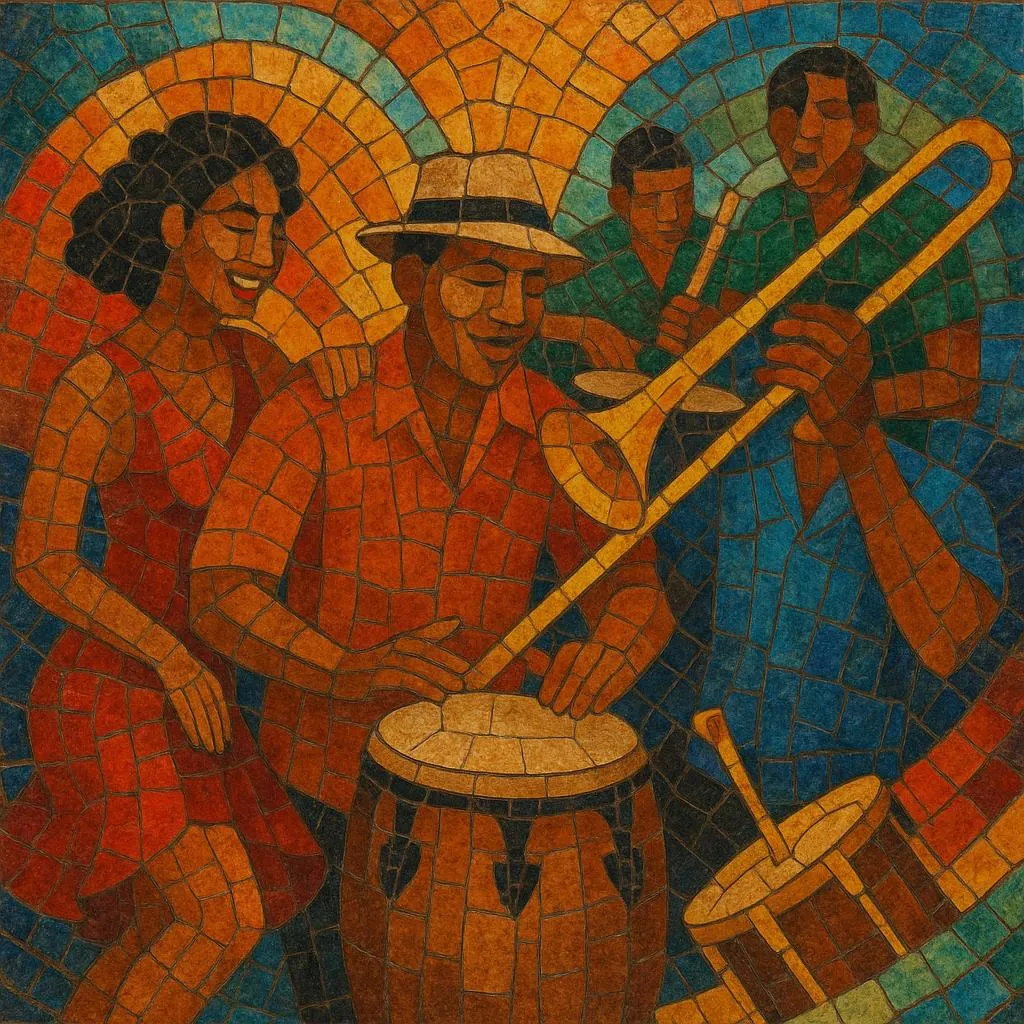
Arrangements foreground crisp, syncopated percussion (congas, bongó, timbales, campana), punchy trombone‑trumpet lines (moñas), and bright coro‑pregón call‑and‑response. Bass tumbaos are driving and forward‑leaning; piano guajeos are percussive and tightly interlocked with the clave. Lyrically it moves between romantic narratives and street‑level pride, frequently celebrating Cali, the Colombian Caribbean coast, and everyday "sabrosura" (flavor, joy).
History
Salsa’s New York–Caribbean matrix arrived in Colombia through radio, records, and touring bands, immediately finding an avid audience in Cali, Medellín, and on the Caribbean coast. Local labels such as Discos Fuentes and Codiscos nurtured a homegrown scene. Early Colombian pillars included Fruko y Sus Tesos (formed at the turn of the 1970s) and The Latin Brothers, who translated the Afro‑Cuban/Nuyorican vocabulary into a distinctly Colombian accent—faster tempos, extended montunos for dancers, and brass voicings tailored to the big halls and sound systems.
By the 1980s, Colombian salsa crystallized its identity. Grupo Niche (founded in 1978, later based in Cali) and Orquesta Guayacán helped codify the "Cali sound"—sleek, driving salsa dura with emphatic coros and bright, dance‑first arrangements. Joe Arroyo, emerging from Colombia’s Caribbean coast, fused salsa with cumbia, porro, and Antillean currents in a style often dubbed "Joesón," expanding salsa’s palette while keeping its core swing.
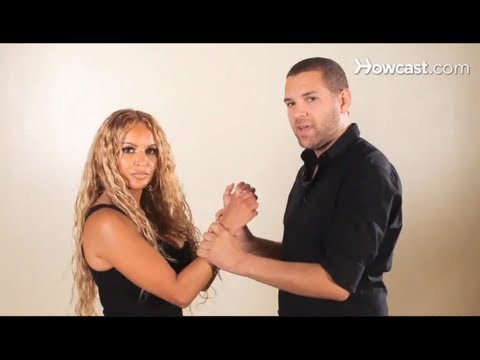
Cali’s social dance ecosystem—academies, neighborhood schools, and competition circuits—pushed bands to sustain high energy, clean breaks, and long montunos. The Feria de Cali (running since the late 1950s) increasingly spotlighted salsa, and later the World Salsa Festival reinforced the city’s global reputation. New groups and revivalist projects (from Medellín, Bogotá, and the Valle del Cauca) kept both classic salsa dura and romantic strands on Colombian airwaves.
Colombian salsa remains a touring and recording force, while hybrid offshoots like salsa choke (from the Pacific coast/Valle del Cauca urban scenes) channel salsa’s rhythmic DNA into club‑ and street‑driven forms. Bands maintain the dance‑centric, brass‑heavy signature, and Colombia continues to supply international salsa with arrangers, singers, and percussionists rooted in the Cali school.


Best playlists