Your digging level
Description
Salsa peruana is the Peruvian iteration of salsa that took root in the port city of Callao and the capital, Lima.
It blends the hard-driving New York and Puerto Rican salsa aesthetics (salsa dura and later salsa romántica) with local Afro-Peruvian colors—occasionally incorporating cajón phrasing, festejo and landó accents, and a distinctly chalaco (Callao) street swagger.
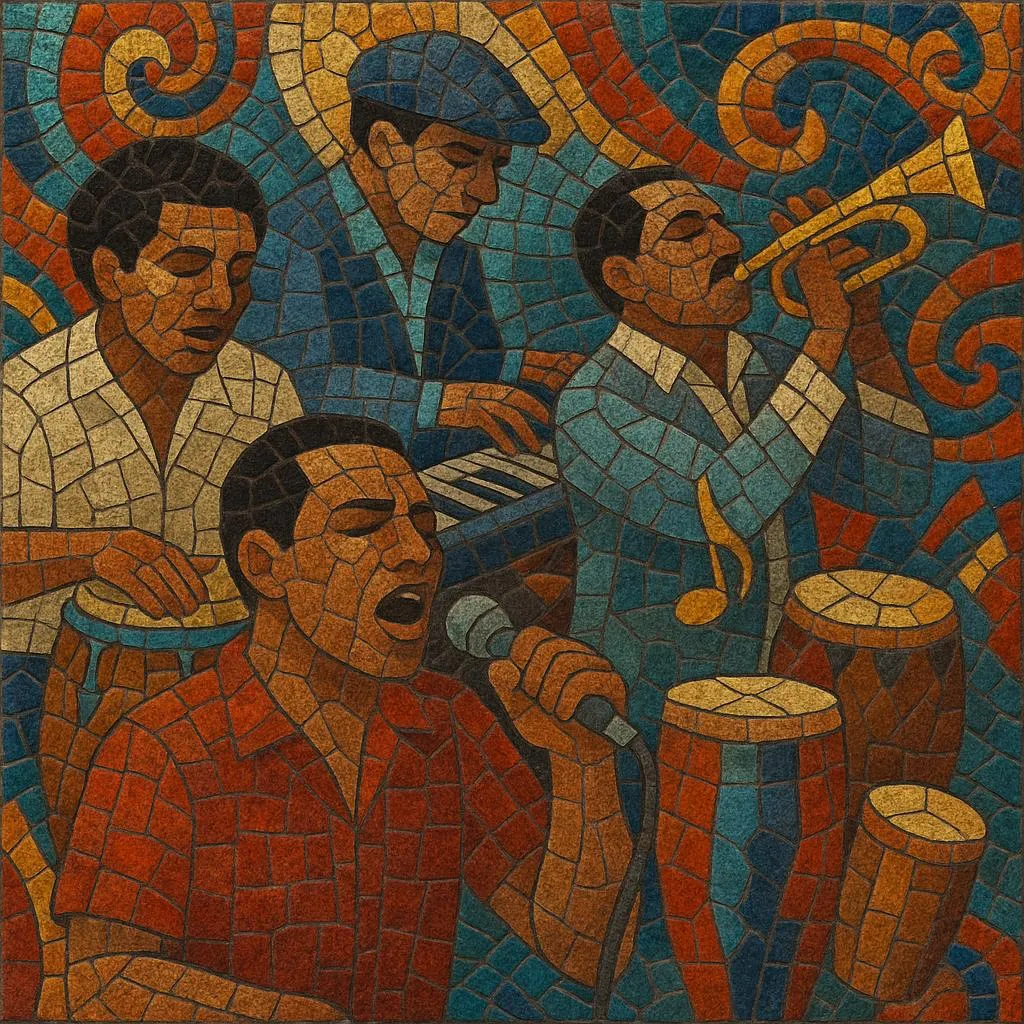
Arrangements retain classic salsa architecture—clave-led grooves, tumbao bass, montuno piano, coro–pregón vocals, and punchy horn mambos—yet many modern bands also draw on Cuban timba’s gear changes and contemporary pop hooks. The result is a scene that moves easily between gritty dancefloor energy and silky romanticism, with a strong identity tied to Callao’s working-class culture.

History
Salsa arrived in Peru during the 1970s via records, radio, and touring orchestras from New York, Puerto Rico, and Cuba. Dancers and musicians in Callao—Peru’s principal port—embraced the sound, building a local audience for the clave-driven music then known as salsa dura.
By the mid-1980s, Lima and Callao hosted homegrown orchestras, professional horn sections, and singers steeped in the coro–pregón tradition. In the 1990s, a wave of salsa romántica shaped the repertoire and radio format, and Peruvian vocalists emerged with highly melodic, sentimental hits, broadening the genre’s national profile.
From the 2000s onward, Peru’s salsa absorbed strong Cuban timba influences through resident Cuban bandleaders and instrumentalists in Lima. This raised the bar for rhythm-section interplay and live showmanship, while studios adopted brighter, pop-forward production. The live circuit expanded from Callao’s peñas and clubs to nationwide festival stages.
Social media, TV talent shows, and streaming platforms helped a new generation of Peruvian salseros break nationally and regionally. Female-led orchestras, slick video production, and collaborations with Caribbean and Latin American artists positioned salsa peruana as both proudly local and export-ready, maintaining Callao’s reputation as the movement’s beating heart.

Best playlists