Your digging level
Description
Landó is an Afro‑Peruvian genre of music and dance within the broader música criolla tradition.
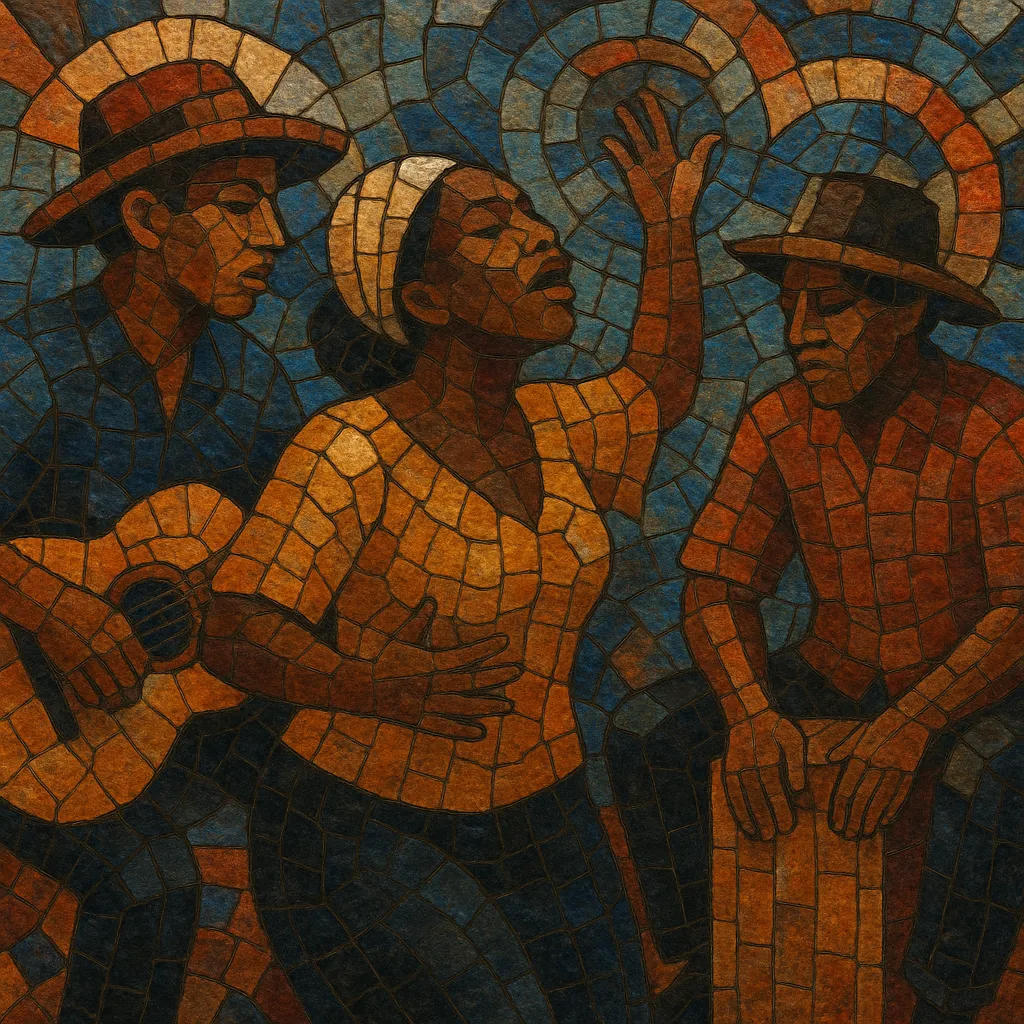
It is characterized by a lilting 12/8 meter, syncopated percussion (centered on the cajón), handclaps, and a creole guitar accompaniment that often outlines minor‑mode progressions.
Historically linked to the arrival of enslaved Africans on Peru’s central coast, landó carries a sensual, undulating groove and frequently employs call‑and‑response vocals and refrains.
Today it is heard both in folkloric settings and in contemporary fusions, but remains emblematic of Afro‑Peruvian identity and heritage.
History
Landó traces to the 1500s–1600s on Peru’s central coast (Lima, Chincha, and surrounding valleys), where enslaved Africans and their descendants shaped local music within colonial society. With drum bans in place at various times, percussion practice adapted to household objects and boxes, giving rise to the cajón. The characteristic 12/8 swing, responsorial singing, and minor‑mode melodies reflect West and Central African aesthetics filtered through Iberian/creole song practices in early música criolla.
By the 19th century, landó was a sensual couple dance and song style featuring cajón, handclaps (palmas), small idiophones such as the quijada (donkey jawbone) and cajita, and the creole guitar. Harmonically, landó often favors Andalusian‑type cadences (e.g., i–VII–VI–V in a minor key), while the groove plays with hemiola and triplet subdivision inside a 12/8 metric frame.
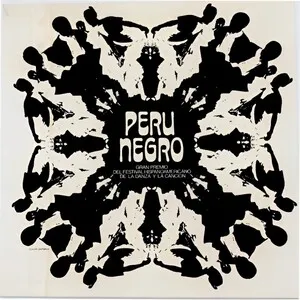
Urban modernization and changing tastes contributed to a decline in documented practice during the early 20th century. From the 1950s onward, culture bearers and artists such as Victoria Santa Cruz, Nicomedes Santa Cruz, and Carlos “Caitro” Soto led a revival—on stage, on record, and through ensembles like Perú Negro. Canonical pieces such as “Toro Mata” (a flagship landó) became emblematic of Afro‑Peruvian performance.
From the 1990s, artists including Susana Baca and Eva Ayllón brought landó to international audiences, intersecting with jazz, pop, and global “world music” circuits. Groups like Novalima introduced electronic textures while preserving the 12/8 pulse and Afro‑Peruvian timbres. Today, landó coexists as a respected folkloric tradition and a flexible foundation for contemporary Afro‑Peruvian creativity.