Your digging level
Description
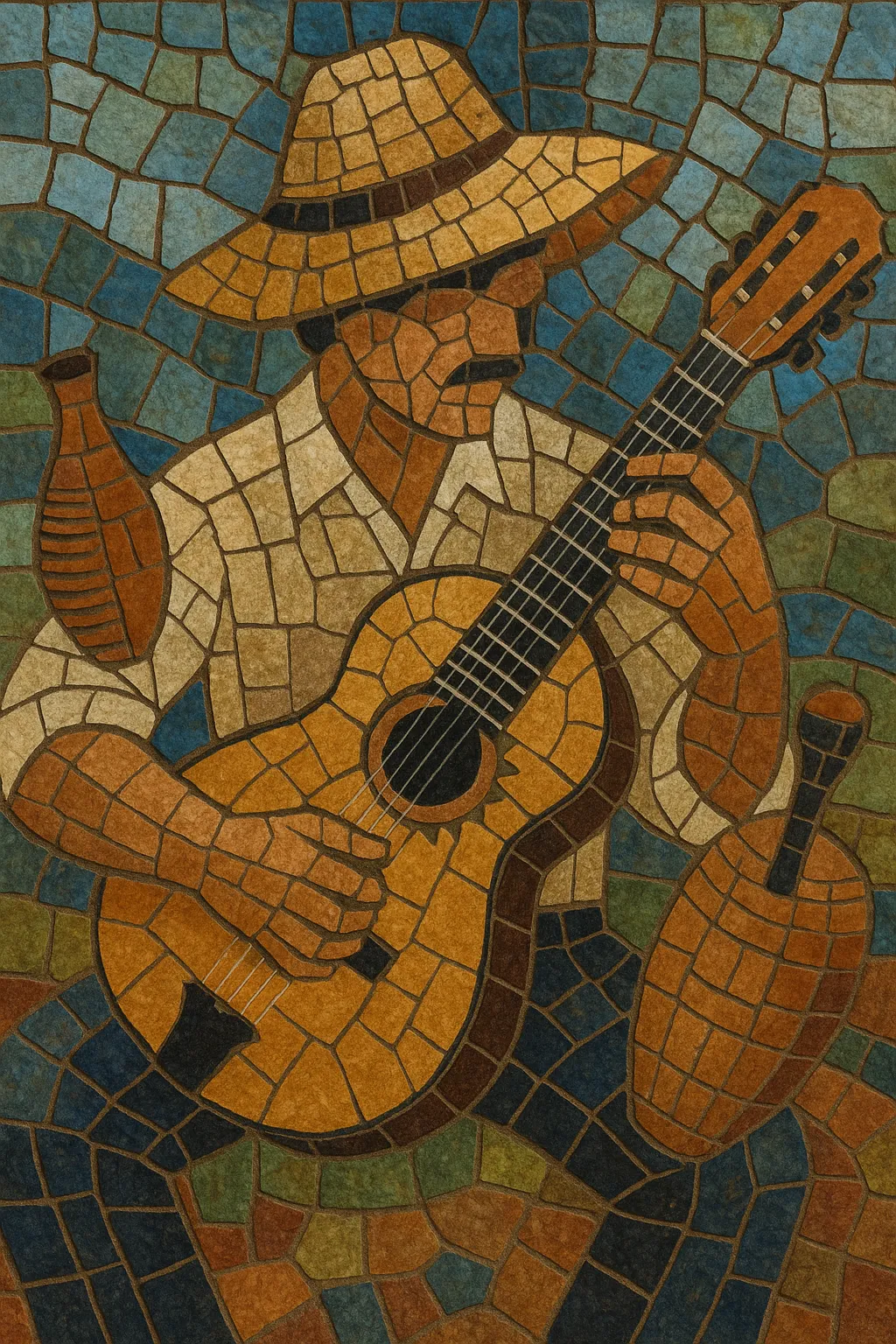
Cuatro puertorriqueño refers both to the Puerto Rican 10‑string, five‑course "cuatro" and to the instrumental and song repertoire built around it in the island’s jíbaro (rural) tradition.
Characterized by bright, bell‑like timbre, virtuosic melodic runs, and danceable, syncopated strumming, the style drives forms such as seis, aguinaldo, mapeyé, and danzas jíbaras. Ensembles typically feature cuatro as lead, supported by guitar, tiple or bordonúa, and güiro, with occasional bongó or maracas. Harmony is diatonic and major‑leaning (I–IV–V with secondary dominants), while rhythms often alternate between 2/4, 3/4, and 6/8, creating a buoyant lilt ideal for festive parrandas and community dances.
Beyond its rural roots, the cuatro has become a national symbol, bridging folk and popular music; modern players fuse it with bolero, salsa, and jazz while preserving the poetic décima tradition.
History
The Puerto Rican cuatro evolved from earlier Spanish and Canary Islands stringed instruments brought by settlers. By the early 1900s, luthiers on the island standardized the modern violin‑shaped body with five double courses tuned in fourths, giving the instrument its brilliant projection suited to open‑air fiestas. In rural mountain towns, the cuatro became the melodic voice of jíbaro culture, accompanying improvised décimas and dances like the seis and aguinaldo.
As radio and records spread, virtuosos such as Ladislao “Ladi” Martínez popularized cuatro solos and ensemble pieces, codifying repertories and right‑hand techniques (rapid arpeggios, tremolo, and syncopated rasgueos). The cuatro’s role expanded from local parrandas to theaters and national broadcasts, cementing it as a cultural emblem.
Players like Maso Rivera composed enduring instrumental seises and aguinaldos that became standards. Meanwhile, the cuatro conversed with urban genres—bolero trios and salon ensembles—without losing its rural character.
In New York’s Latin scene, Yomo Toro famously brought the cuatro into salsa contexts (notably holiday recordings), blending jíbaro melodies with Afro‑Caribbean rhythm sections and amplifying the instrument’s visibility across the Latin world.
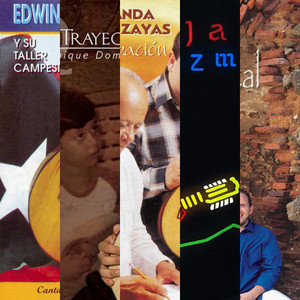
A new generation—Edwin Colón Zayas, Christian Nieves, Quique Domenech, Pedro Guzmán—has expanded the cuatro’s technique and harmony, exploring jazz, fusion, and concert settings. Conservatories and festivals support luthiery and pedagogy, while ensembles keep traditional parrandas and décima singing vital.