Your digging level

For this genre
0/8
🏆
Sign in, then listen to this genre to level up

Description

Modern salsa is the contemporary evolution of salsa that keeps the core Afro‑Caribbean rhythmic engine and call‑and‑response vocals while adopting glossy pop songwriting, studio polish, and “urbano” (reggaeton/hip‑hop/R&B) aesthetics.

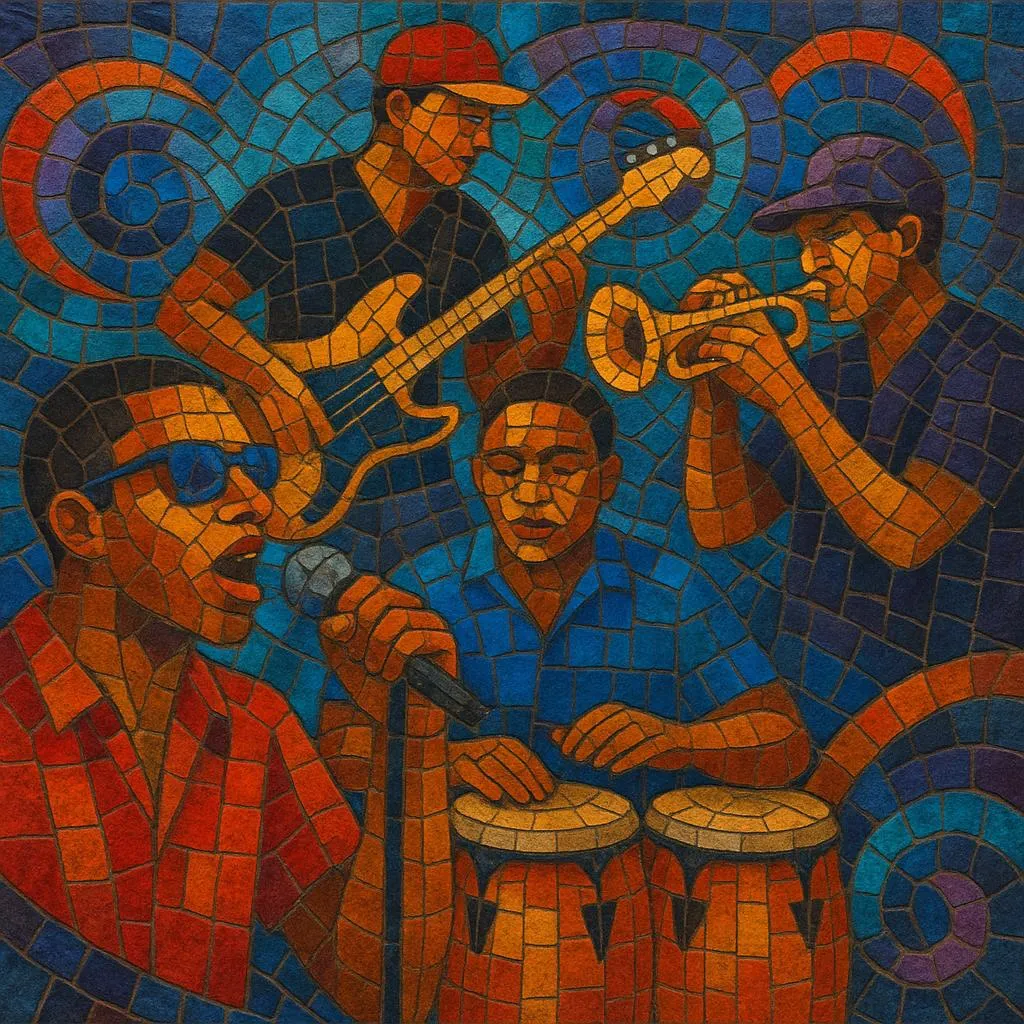
It features tight horn sections, piano montunos, bass tumbaos and layered hand percussion (congas, bongó, timbales), but it is mixed with modern drum programming, synth pads, and radio‑ready hooks. Tempos often sit in the club‑friendly range, with breakdowns, DJ‑style intros, and compact song forms that favor memorable choruses and short, high‑impact mambos.

Lyrically, modern salsa leans on romance, everyday storytelling, and feel‑good dance themes, balancing the suave intimacy of salsa romántica with the dance‑floor power of classic salsa dura. The clave remains the organizing principle, even when production borrows textures from reggaeton or contemporary R&B.
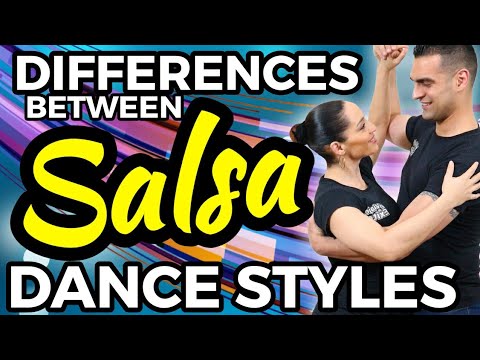

Sources: Spotify, Wikipedia, Discogs, RYM, MB, user feedback and other online sources

History

Origins (late 1990s–2000s)

Salsa romántica in the 1980s–90s made salsa more melodic and ballad‑oriented, setting the stage for a sleeker, pop‑ready sound. At the turn of the 2000s, a new generation of Puerto Rican, New York, Cuban, and Colombian artists and producers folded contemporary pop and emerging reggaeton textures into salsa’s traditional clave framework. The resulting approach kept the tumbao, montuno, and coro‑soneo dialogue while updating production and songwriting to fit FM radio, MTV Latino, and, later, YouTube and streaming.

Consolidation and global spread (2010s)

By the 2010s, modern salsa diversified across scenes in Puerto Rico, the Dominican Republic, Colombia (Cali), Peru, and Cuba, with each locale emphasizing different elements—some more urbano and pop‑polished, others closer to timba’s rhythmic density. Producers streamlined arrangements (shorter intros, punchy horn mambos, breakdowns for dancers) and blended live percussion with subtle electronic layers. Digital platforms and social media accelerated cross‑regional collaboration and helped new voices reach global salsa audiences.

Today

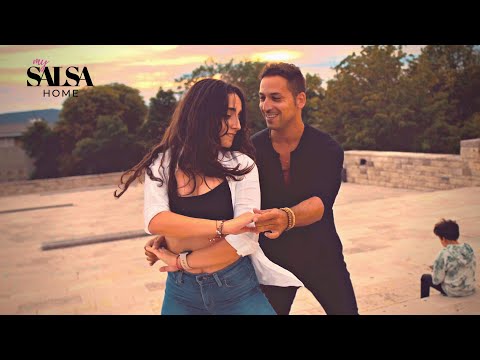
Modern salsa is a broad, pan‑Latin umbrella: it can be stadium‑sized and crossover‑pop, or street‑level and dancer‑driven. The style preserves salsa’s Afro‑Caribbean backbone (clave logic, montuno, tumbao, coro/soneo) while embracing current pop craft, high‑definition mixing, and selective urbano borrowings. It thrives in dance schools and festivals worldwide, feeds local scenes across Latin America and the diaspora, and continues to refresh salsa for new listeners without abandoning its roots.
How to make a track in this genre

Rhythm and Groove
•   Keep the clave central (2–3 or 3–2). Align bass tumbao and piano montuno to reinforce the clave orientation. •   Typical dance tempos: ~92–108 BPM for romantic radio‑leaning tracks, 100–120+ BPM for club‑energy cuts. •   Layer congas (tumbao), bongó (with bell in the mambo), and timbales for fills and transitions; add subtle electronic kick/snare for modern punch.
Harmony and Melody
•   Use pop‑friendly tonal centers with secondary dominants and tritone substitutions for color; common keys favor horn clarity (e.g., Bb, Eb, F majors and relatives). •   Write a memorable, singable chorus (coro) that can be repeated and harmonized; craft verse/pre‑chorus lift like contemporary pop. •   Prepare a call‑and‑response section (coro–soneo) for the montuno: the coro repeats a hook while the lead improvises short soneos.
Arrangement and Instrumentation
•   Core: piano (montuno patterns), baby bass/electric bass (anticipating tumbao), congas, bongó, timbales, 2–4 horns (trumpets/trombones/sax) for mambos and moñas. •   Modern touches: synth pads for warmth, subtle risers/fx for transitions, occasional dembow‑style breakdown to nod at urbano. •   Form: Intro (often DJ‑friendly), Verse/Pre, Chorus, Short Brass Mambo, Verse/Chorus, Montuno (coro–soneo), Final Mambo/Tag.
Lyrics and Delivery
•   Themes: love, heartbreak, resilience, celebration, dancing. Keep language direct and emotive; Spanglish is acceptable in crossover contexts. •   Vocal approach: clear lead with dynamic soneo ad‑libs; tight coro stack (often 2–3 voices) for hook reinforcement.
Production
•   Crisp, upfront percussion; bass tight and slightly compressed to lock with conga heel‑toe; piano bright enough to articulate montunos. •   Horns recorded in sections with modern voicings; automate swells into mambos; leave headroom for final hits and stop‑time breaks. •   Master with contemporary loudness standards while preserving transient snap in timbales and bongó bell.

Top tracks

Locked
Share your favorite track to unlock other users’ top tracks

Upcoming concerts

in this genre
Influenced by
Has influenced

Download our mobile app

Get the Melodigging app and start digging for new genres on the go
© 2026 Melodigging
Melodding was created as a tribute to Every Noise at Once, which inspired us to help curious minds keep digging into music's ever-evolving genres.
Buy me a coffee for Melodigging