Your digging level
Description
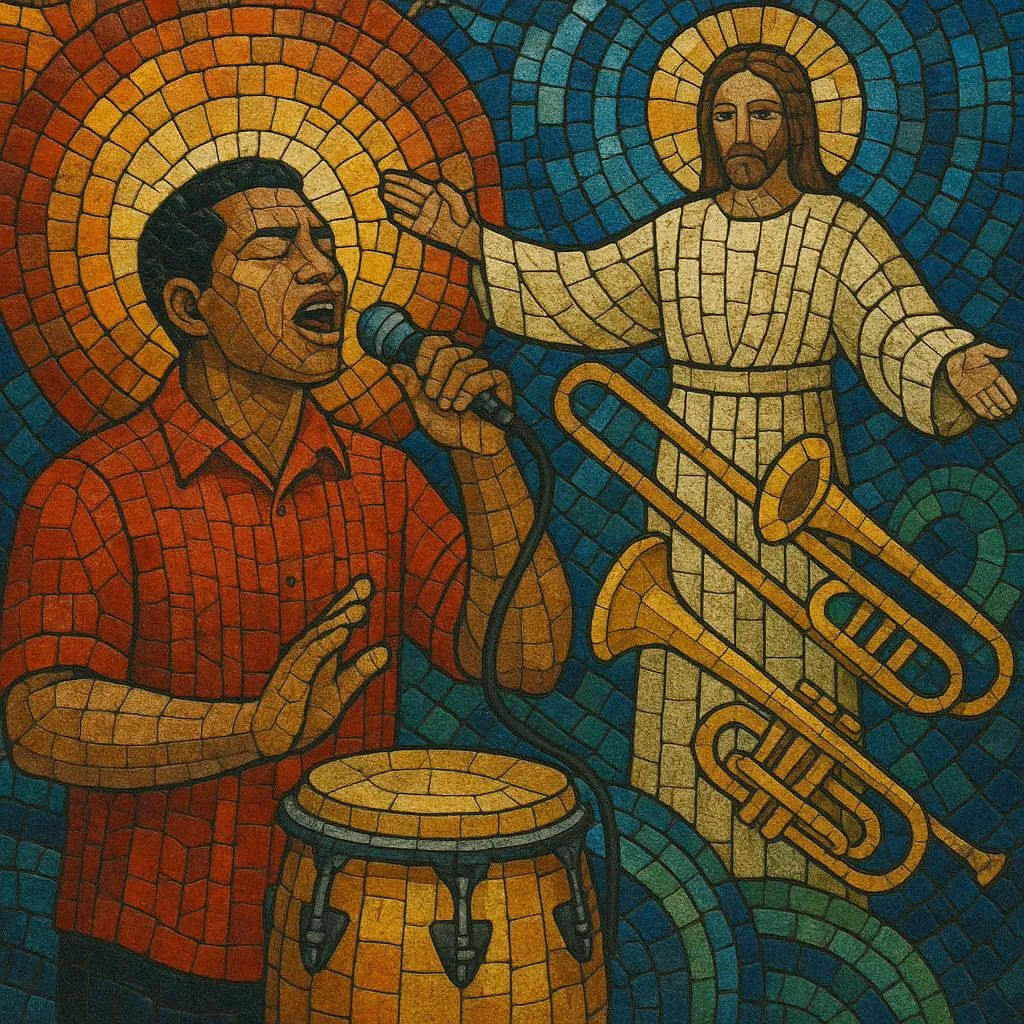
Salsa cristiana (Christian salsa) is a faith-centered branch of salsa that sets evangelical and worship-oriented lyrics to classic Afro–Caribbean salsa rhythms.
It preserves the genre’s core musical DNA—clave-based grooves, piano montunos, horn-driven moñas, and call-and-response coros—while shifting the message toward testimony, salvation, and praise. Recordings and church concerts often use the same band formats as secular salsa, but lyrical themes reject double entendres and emphasize Scripture and personal conversion stories.

History
Salsa cristiana coalesced in the late 1970s when prominent salseros who had converted to Christianity began cutting explicitly faith-centered material while retaining the dance-floor language of salsa. Lists of foundational Christian-salsa recordings frequently spotlight figures like Richie Ray & Bobby Cruz and peers who brought conversion narratives into the salsa format, establishing a model many congregations and independent labels would follow.
Through the 1980s and 1990s, Puerto Rican and Nuyorican church networks, radio ministries, and Christian bookstores helped institutionalize the style. Veteran salseros who embraced Christian themes (alongside newer dedicated Christian acts) broadened the catalog, and Christian salsa became a staple at Latin evangelical festivals and church celebrations. Regional scenes in Puerto Rico, New York, and Peru (e.g., Willy Rivera’s shift into Christian repertoire) illustrate the spread.
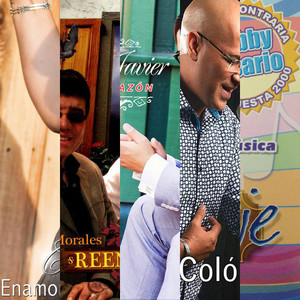
Independent Christian labels and artist-led projects sustained output, with singers and orchestras issuing salsa albums of praise songs and testimonies. Media roundups from the period show recurring names—Puchi Colón, Jeff Morales, Orquesta Querubín, Orquesta Revelación, José “Papo” Rivera, and others—circulating across radio, compilations, and church circuits in the Americas.
A number of mainstream salseros publicly aligned with Christian faith in this era, performing or recording worship-centered material and appearing at faith events (e.g., Tony Vega’s Christian witness alongside an enduring salsa career). Parallel scenes emerged in Colombia (e.g., David Ángel’s Christian salsa work) and among Puerto Rican singers who identify specifically with Christian salsa.
Today, salsa cristiana functions both as congregational celebration music and as a professional recording niche. Curated lists, digital platforms, and church festivals continue to circulate canonical tracks and introduce new voices, ensuring stylistic continuity with classic salsa while centering explicitly Christian content.

Best playlists