Your digging level

For this genre
0/8
🏆
Sign in, then listen to this genre to level up

Description

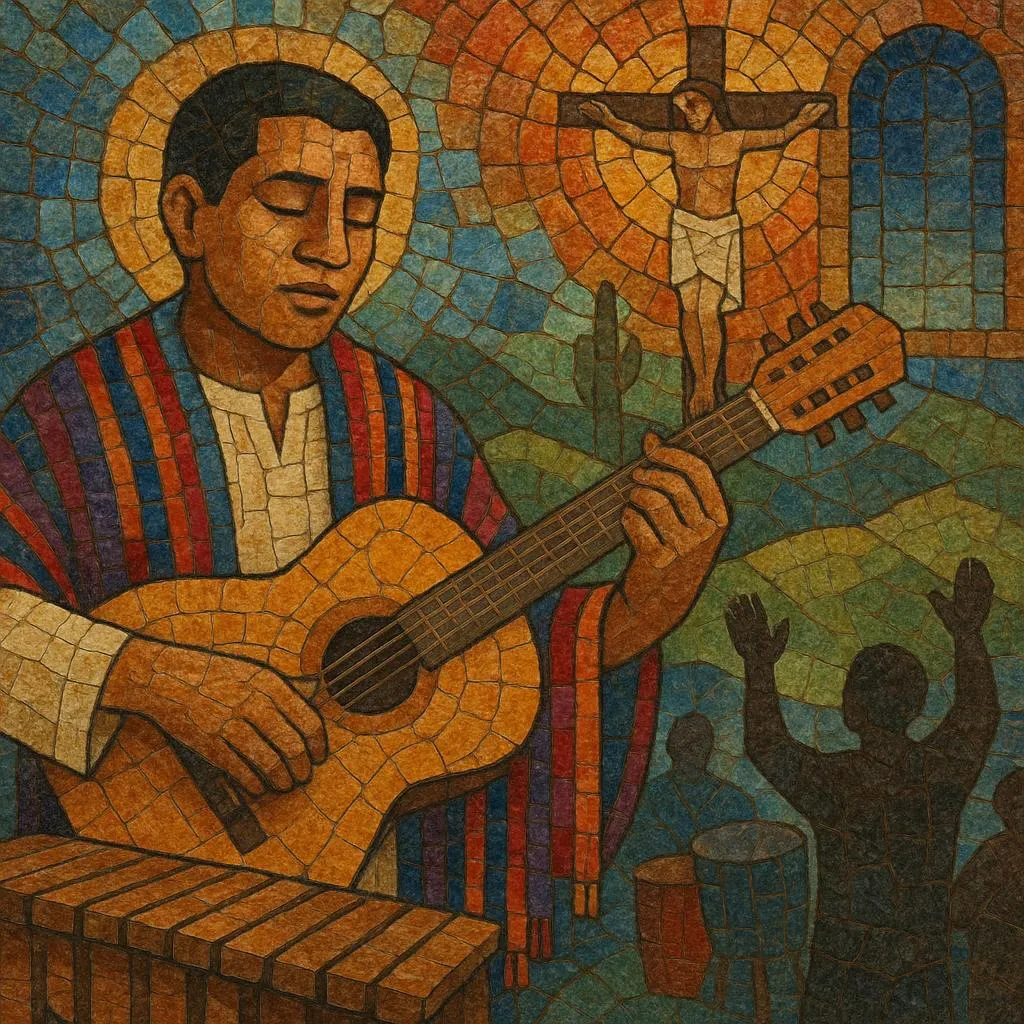
Musica cristiana guatemalteca refers to Spanish-language Christian music created in Guatemala for congregational worship, evangelism, and personal devotion. It blends global praise-and-worship songwriting with local and regional sounds such as marimba orquesta, cumbia, balada romántica, ranchera, and more recent pop/rock and urbano influences.

The genre emphasizes biblically centered, Christ-focused lyrics, accessible melodies for congregational singing, and "coros" (refrains) designed for call-and-response. Production ranges from acoustic marimba-led ensembles to full modern bands with electric guitars, keyboards, pads, layered vocals, and occasional brass or strings, reflecting the diversity of Guatemalan church life from rural congregations to large urban megachurches.


Sources: Spotify, Wikipedia, Discogs, RYM, MB, user feedback and other online sources

History

Origins (1970s–1980s)
•   The rapid growth of evangelical and Pentecostal churches in Guatemala—accelerated after the 1976 earthquake—sparked a local worship repertoire. Early expressions fused imported praise choruses with national sounds, especially the marimba orquesta tradition, to reach congregations across Spanish- and Indigenous-language communities.
Consolidation and Recording (1990s–2000s)
•   As Guatemalan churches professionalized music ministries, artists and church collectives began recording studio and live albums. Pop/rock worship aesthetics (drum kit, electric guitar, synth pads) joined marimba, cumbia rhythms, and ranchera balladry. •   National and regional radio/TV, Christian bookstores, and church conferences helped standardize repertoire and spread Guatemalan worship songs throughout Central America.
International Visibility (2010s–present)
•   High-production live worship albums and large events elevated Guatemalan acts onto the pan–Latin American stage. Streaming platforms broadened reach, while youth and young-adult ministries embraced pop, rock, and light urbano textures (dembow, reggaetón-lite) alongside traditional congregational ballads.
Stylistic Breadth and Community Role
•   The genre now spans intimate acoustic/devotional releases, full-band anthems, and regional dance grooves (cumbia cristiana), often performed at crusades, retreats, and Sunday services. Lyrics commonly address conversion, hope, healing, and social reconciliation—core themes in Guatemala’s recent history—while maintaining singability for congregational participation.

How to make a track in this genre

Core Songcraft
•   Aim for clear, congregational melodies (comfortable tessitura; stepwise movement; memorable "coros"). •   Use Scripture-saturated, Christ-centered Spanish lyrics with simple, declarative lines (e.g., adoration, surrender, esperanza, restauración) fit for corporate singing.
Harmony and Form
•   Common pop-worship progressions (I–V–vi–IV, vi–IV–I–V) in major keys; occasional modal colors if marimba or folk roots are emphasized. •   Forms: Intro – V1 – Chorus – V2 – Chorus – Bridge (dynamic lift) – Final Chorus/Tag. Plan a build (pad and acoustic start) to a climactic, participatory section.
Rhythm and Groove Options
•   Ballad/medio tiempo for reflective moments (60–78 BPM) with piano/pad and string swells. •   Cumbia cristiana (≈90–105 BPM) for dancing congregations: straight cumbia groove with congas, güiro, and bass tumbao. •   Ranchera/balada ranchera for testimony songs: strummed acoustic guitars, light brass or violin fills. •   Modern youth sets may add gentle dembow/reggaetón patterns (tastefully, low aggression) supporting worshipful toplines.
Instrumentation and Timbre
•   Band: lead vocal + harmonies, acoustic/electric guitars, bass, drums, keyboards (piano, pads, organ), optional brass/strings. •   Local color: feature marimba orquesta patterns (ostinatos/doublings with piano), hand percussion (güiro, congas, bongó), and occasional folk flutes/brass for regional flair.
Arrangement and Leading
•   Keep lyrical density moderate and choruses repetitive for corporate memory. •   Arrange dynamic terraces (quiet verses; layered bridge) to encourage communal singing. •   Choose comfortable keys for mixed congregations; consider call-and-response lines for inclusivity. •   Live: allow spontaneous tags (adoración libre) while maintaining clear band cues and grounded harmonic vamp.

Top tracks

Locked
Share your favorite track to unlock other users’ top tracks

Upcoming concerts

in this genre
Influenced by
Has influenced

Download our mobile app

Get the Melodigging app and start digging for new genres on the go
© 2026 Melodigging
Melodding was created as a tribute to Every Noise at Once, which inspired us to help curious minds keep digging into music's ever-evolving genres.
Buy me a coffee for Melodigging