Your digging level
Description
Chotis madrileño is the Madrid-specific adaptation of the Central European schottische, transformed into a hallmark of the city's popular culture.
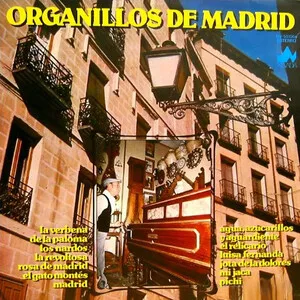
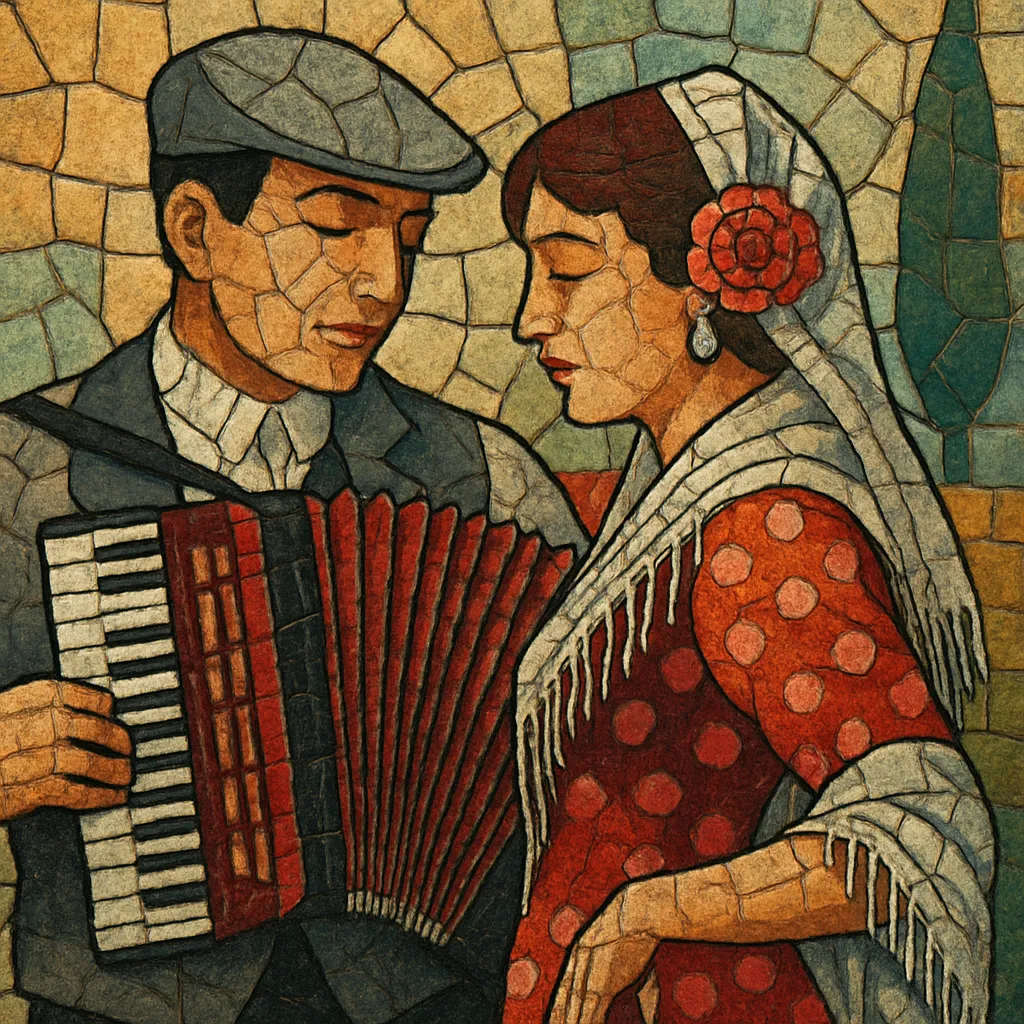
Typically played on organillo (street barrel organ), piano, or small wind/brass ensembles, it features a jaunty, "oom-pah" accompaniment and a moderate, steady tempo suited to its iconic couple dance where dancers pivot tightly "sobre una baldosa" (on a single tile). The style became inseparable from the San Isidro festivities and from the imagery of chulapos and chulapas, Madrid's traditional urban characters.
Musically, it favors diatonic melodies, simple harmonic progressions (I–IV–V with occasional secondary dominants), and memorable refrains. In the 19th and early 20th centuries it intertwined with géneros escénicos like género chico, zarzuela, and the Spanish revista, producing a large repertoire of witty, costumbrista songs about Madrid's neighborhoods and everyday life.
History
The chotis arrived in Madrid in the mid-1800s as a local take on the Central European schottische, which had spread through European salons alongside the polka, waltz, and mazurka. In Madrid it quickly acquired a distinctive urban flavor, with the organillo (barrel organ) becoming a defining street instrument.
By the late 19th century, chotis madrileño seeped into género chico and zarzuela, the popular Spanish stage forms that dominated Madrid's theatres. Its catchy rhythms and humorous, costumbrista lyrics made it ideal for depicting the city's characters (chulapos/chulapas), streets, and festivities. Composers associated with Madrid’s stage scene embedded chotis numbers in revues and zarzuelas, cementing the genre’s identity.
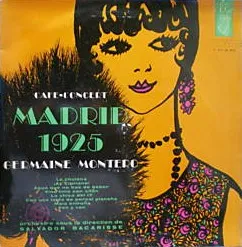
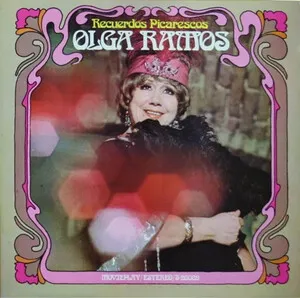
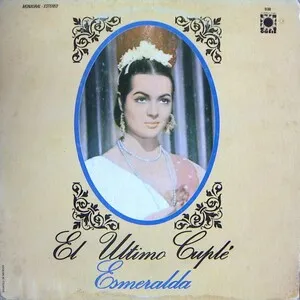
During the early-to-mid 20th century, the chotis matured within the revista musical and light theatre, producing classics widely performed at fiestas and on radio. The song "Madrid" (a chotis by Agustín Lara) and numbers like "El Pichi" (Francisco Alonso) became emblematic. Interpreters from the cuplé and variety circuits popularized chotis far beyond the theatre, giving it a life of its own in celebrations, recordings, and film.
Today, chotis madrileño endures as a living symbol of Madrid’s identity—especially during the San Isidro festival—where couples dance tightly in traditional dress to organillo, small bands, or recorded arrangements. While new popular styles emerged over time, the chotis remains a beloved emblem of the city’s musical and festive heritage.