Your digging level
Description
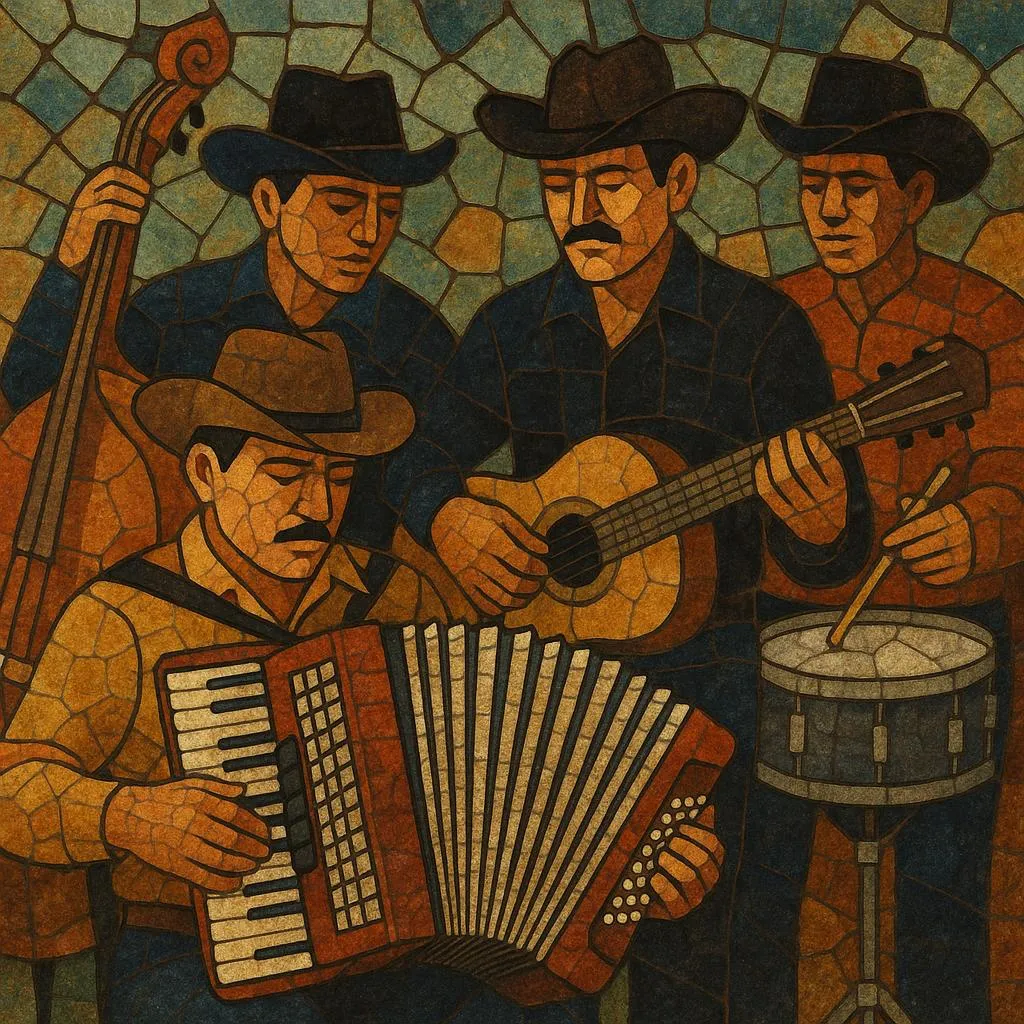
Música neoleonesa designates the Nuevo León branch of norteño/“música norestense,” centered on accordion-and‑bajo sexto ensembles and dance rhythms (polka, chotis, redova, huapango) that took root in the state’s ranching towns and in Monterrey. Typical lineups use diatonic button accordion, bajo sexto (or bajo quinto), tololoche or electric bass, and tarola/snare, with occasional saxophone; the repertoire blends corridos, rancheras, cumbias, huapangos and border ballads.
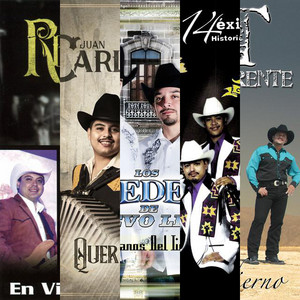
Its feel is festive and driving (zapateado‑friendly two‑steps and waltzes), but lyrics often carry bittersweet themes of migration, work, love, and loss—a hallmark carried by Nuevo León icons like Los Cadetes de Linares, Los Invasores de Nuevo León and Ramón Ayala.
History
European social dances brought by German/Bohemian/Czech settlers to northern Mexico in the 1800s (polka, chotis, redova, mazurka, waltz) were quickly localized in Nuevo León and the wider noreste, becoming the rhythmic backbone of the region’s folk and later popular styles.
In the first half of the 20th century, norteño developed across Tamaulipas, Nuevo León and South Texas. By the 1940s the “conjunto norteño” instrumentation—diatonic accordion, bajo sexto, tololoche/electric bass and tarola—was standardized, framing a repertoire of corridos, rancheras, huapangos, cumbias and the European‑derived dances. This ensemble sound is the foundation of música neoleonesa.
Nuevo León ensembles became national references: Los Cadetes de Linares (formed 1960, Linares) codified the dramatic corrido style; Ramón Ayala (Monterrey) with Los Relámpagos del Norte and later Los Bravos del Norte defined modern accordion phrasing and song form; and Los Invasores de Nuevo León (founded 1977/78) carried the state’s sound to mass audiences on both sides of the border.
Monterrey’s scene fostered innovations such as norteño‑sax (norteño con sax) with strong roots in the metro area, and large‑format bands like Grupo Pesado and El Poder del Norte modernized arrangements while keeping the accordion/bajo sexto core. Parallel urban cultures in Monterrey also birthed cumbia rebajada, underscoring the city’s broader regional‑music influence. Today, música neoleonesa remains a living tradition in dances, festivals and arena shows.