Your digging level
Description
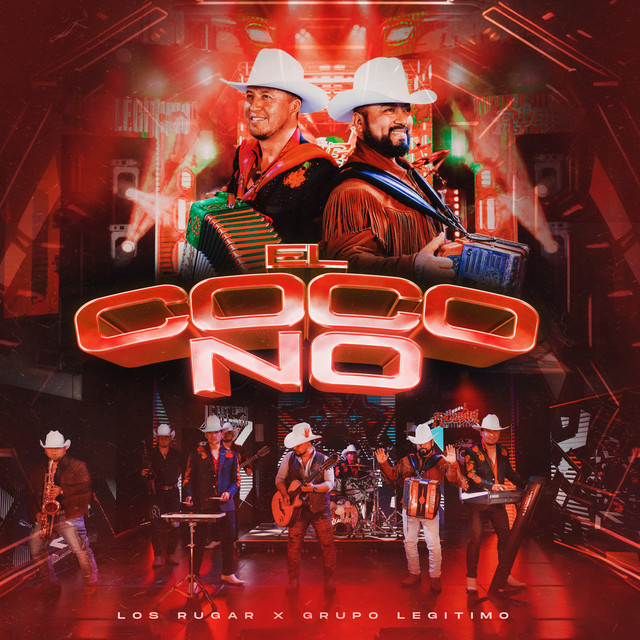
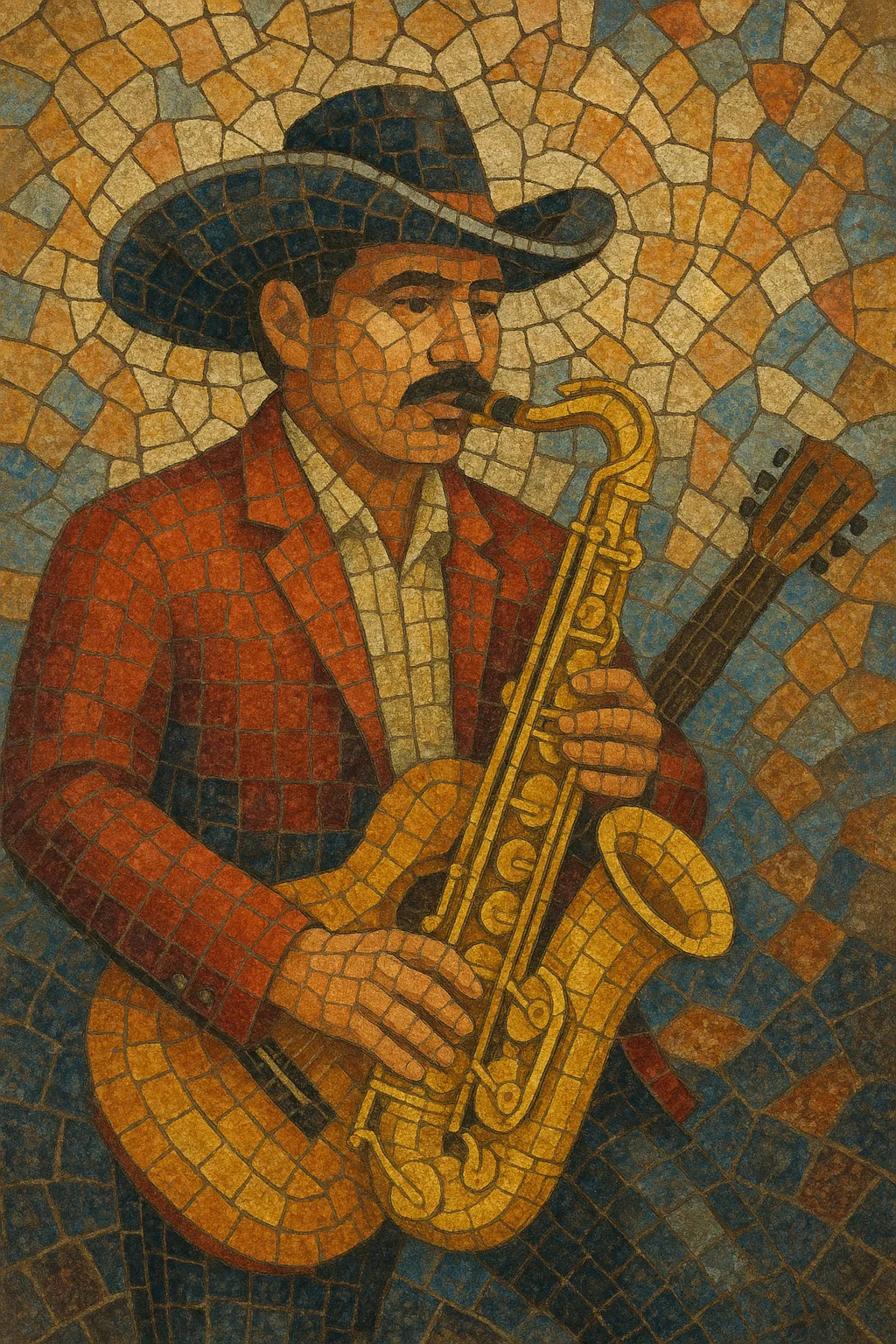
Norteño-sax (norteño con sax) is a regional Mexican style of norteño distinguished by the prominent use of the saxophone as a lead or co-lead voice alongside the accordion. The core ensemble typically includes saxophone, accordion, bajo sexto, electric bass, and a drum kit, with the sax handling melodies, countermelodies, and bright, brassy hooks.
Rhythmically it draws on the same dance meters as classic norteño—polkas in 2/4, waltzes (vals) in 3/4, and redovas/schottisches—delivered with a driving backbeat suited for social dancing. Lyrically it spans love songs and heartbreak ballads to corridos about work, migration, and border life, often delivered in a romantic, polished style that made the subgenre a favorite on both sides of the U.S.–Mexico border.
History
Norteño-sax emerged in northern Mexico—especially Chihuahua and neighboring border regions—in the 1970s as norteño conjuntos began foregrounding the saxophone. The instrument’s penetrating, lyrical tone fit the established dance repertoire of polkas and valses and complemented (or in some groups, partially replaced) the accordion as a melodic lead. Early adopters were shaped by cross-border circulation of Tex–Mex/tejano and norteño recordings, dancehall circuits, and radio from cities like Ojinaga and El Paso.
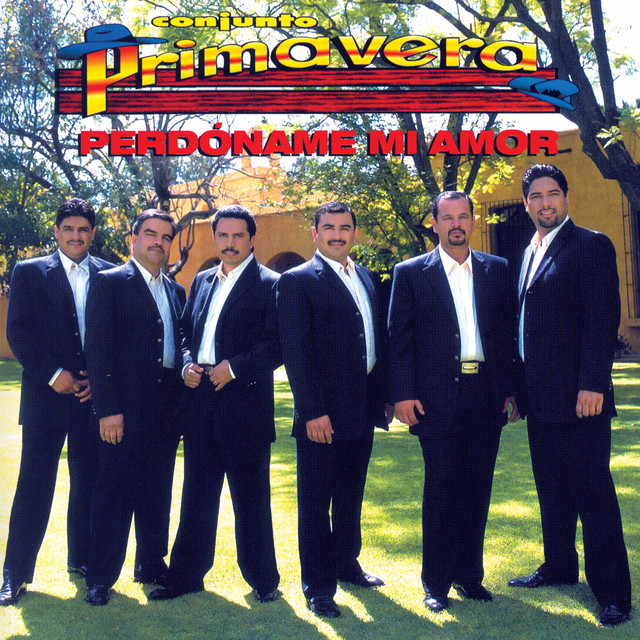
By the 1980s, groups such as Conjunto Primavera and Los Rieleros del Norte codified a romantic, sax-forward norteño sound that charted widely in Mexico and the U.S. Southwest. The characteristic arrangement—sax and accordion in harmonized unison lines, crisp bajo sexto strums, and steady drum kit—suited both corridos and slow, sentimental ballads, helping the style thrive on regional radio and in dance venues.
In the 2000s and 2010s, new ensembles updated production with tighter drum grooves, brighter sax/accordion voicings, and hook-centric songwriting, while preserving dancefloor-ready polkas and valses. Acts from Chihuahua, Texas, and the broader northern corridor (e.g., La Maquinaria Norteña, La Energia Norteña) expanded the touring circuit and digital footprint. Today, norteño-sax remains a core current within Regional Mexicano, influencing contemporary corridos and romantic norteño aesthetics while continuing to dominate borderland festivities and radio playlists.