Your digging level
Description
Cumbia Sonorense is a regional subgenre of Cumbia Mexicana that originated in the northwestern state of Sonora, Mexico.
It is characterized by a distinct fusion of traditional Colombian cumbia rhythms with the instrumentation and musical sensibilities of Northern Mexico, particularly Norteño and Rock & Roll.
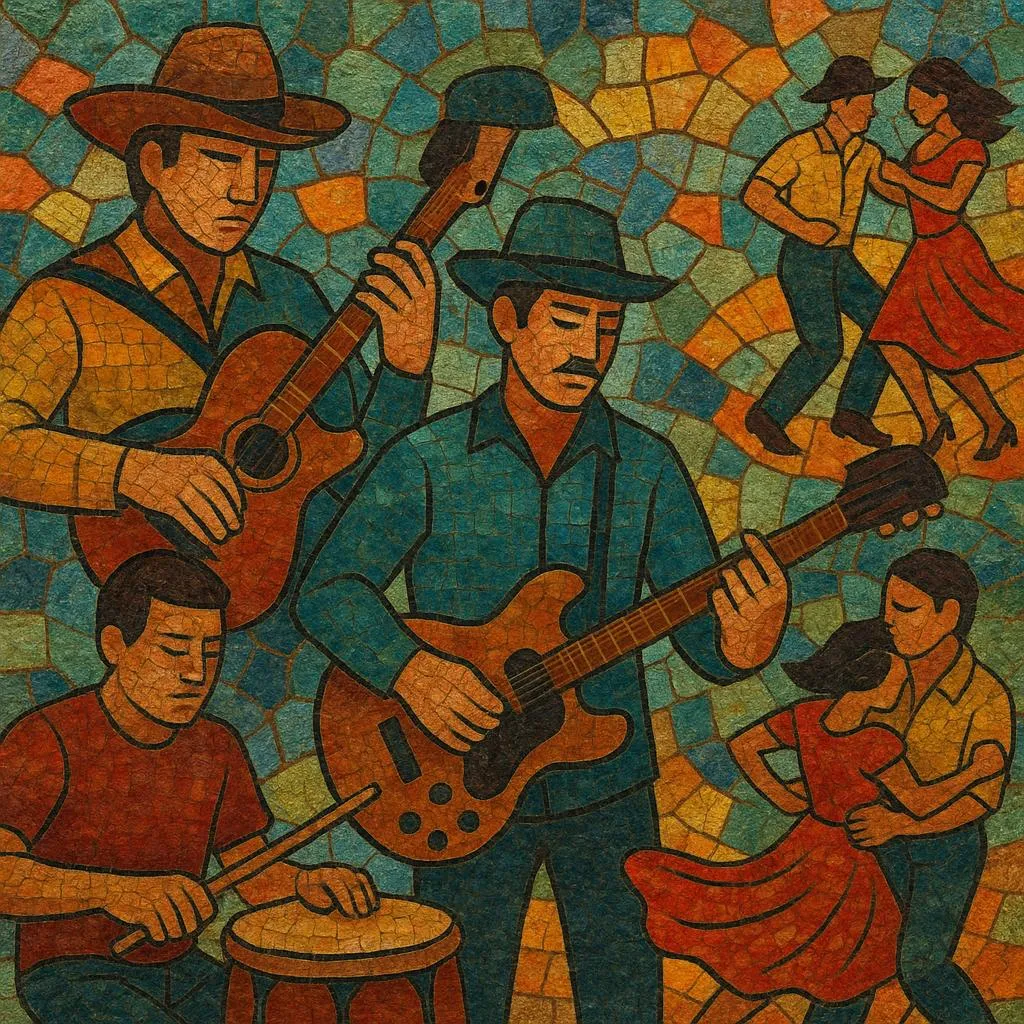
Unlike other cumbia styles that rely heavily on accordions or brass sections alone, Cumbia Sonorense often features prominent electric guitars playing rhythmic upstrokes (skank) and melodic lines, alongside electric bass and drums.
The tempo is generally faster and more energetic than traditional cumbia, often utilizing a 'caballito' (galloping) rhythm that makes it highly danceable and popular at parties and social gatherings in the region.
History
The history of Cumbia Sonorense is deeply intertwined with the musical evolution of the border region of Northern Mexico.
In the 1960s, the 'Northern Invasion' of Mexican Rock & Roll was led by bands from border towns, most notably Los Apson from Agua Prieta, Sonora. While they started as a rock band covering English hits, they began experimenting with tropical rhythms, releasing songs like 'Fuiste a Acapulco' which laid the groundwork for a unique Sonoran tropical sound that utilized electric instruments rather than traditional acoustic ones.
During the 1970s and 1980s, the influence of Colombian Cumbia spread northward, merging with the established Norteño and Ranchera traditions. Local groups began adapting the cumbia beat to their instrumentation (drums, bass, electric guitar, and accordion). This era saw the rise of the 'Grupero' movement, where Cumbia Sonorense carved out its own identity distinct from the styles of Monterrey or Mexico City.
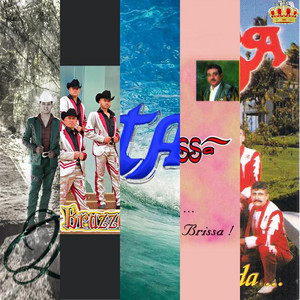
In the late 1970s and throughout the 90s, the band Su Majestad La Brissa (formed in Estación Corral, Sonora) became the definitive exponent of the genre. They popularized a highly rhythmic, dance-focused style often referred to as 'cumbia zapateada'. Their success solidified the genre's characteristics and ensured its dominance in the regional fairs and dance halls of Sonora and Arizona, influencing a new generation of artists like Grupo Laberinto who blended these tropical rhythms with Corridos.
Composing Cumbia Sonorense requires balancing the tropical groove with a 'norteño' aggression and electric instrumentation.
The foundation is a fast-paced 2/4 time signature, often ranging from 90 to 110 BPM. The drum pattern typically features a steady kick drum on beats 1 and 2, with a snare or timbale fill often accentuating the 'and' of the beats. High-hats are crucial, often played on the off-beats (contratiempo) to create a driving, galloping feel known as 'caballito'.
Electric Guitar: Essential for the Sonoran sound. Use a clean tone with reverb. Play rhythmic upstrokes (skanks) on the off-beats (the '&' of 1 and 2) to mimic the role of a shaker or piano in traditional cumbia. Melodic guitar riffs often double the accordion or vocals.
•Bass: The electric bass should play a bouncy, walking line, often alternating between the root and the fifth, driving the momentum forward.
•Accordion/Saxophone: While not always present in every song, these instruments often carry the main melody or instrumental hooks (adornos) between vocal lines.
Stick to simple harmonic progressions, typically I-IV-V or I-V sequences in major keys. The lyrics are usually straightforward, focusing on themes of dancing, parties, love, or humorous storytelling, delivered with a spirited and energetic vocal style.

Best playlists