Your digging level
Description
Son cubano clásico is the foundational Cuban dance-music style that crystallized in the early 20th century from eastern Cuba (Oriente) and then flourished in Havana.
It blends Spanish-derived string and song forms with Afro-Cuban rhythms, organizing the music around the clave pattern, the tres guitar’s guajeos (ostinatos), and a two-part form (verso and montuno) that moves from narrative song to call-and-response coro-pregón over a propulsive groove.
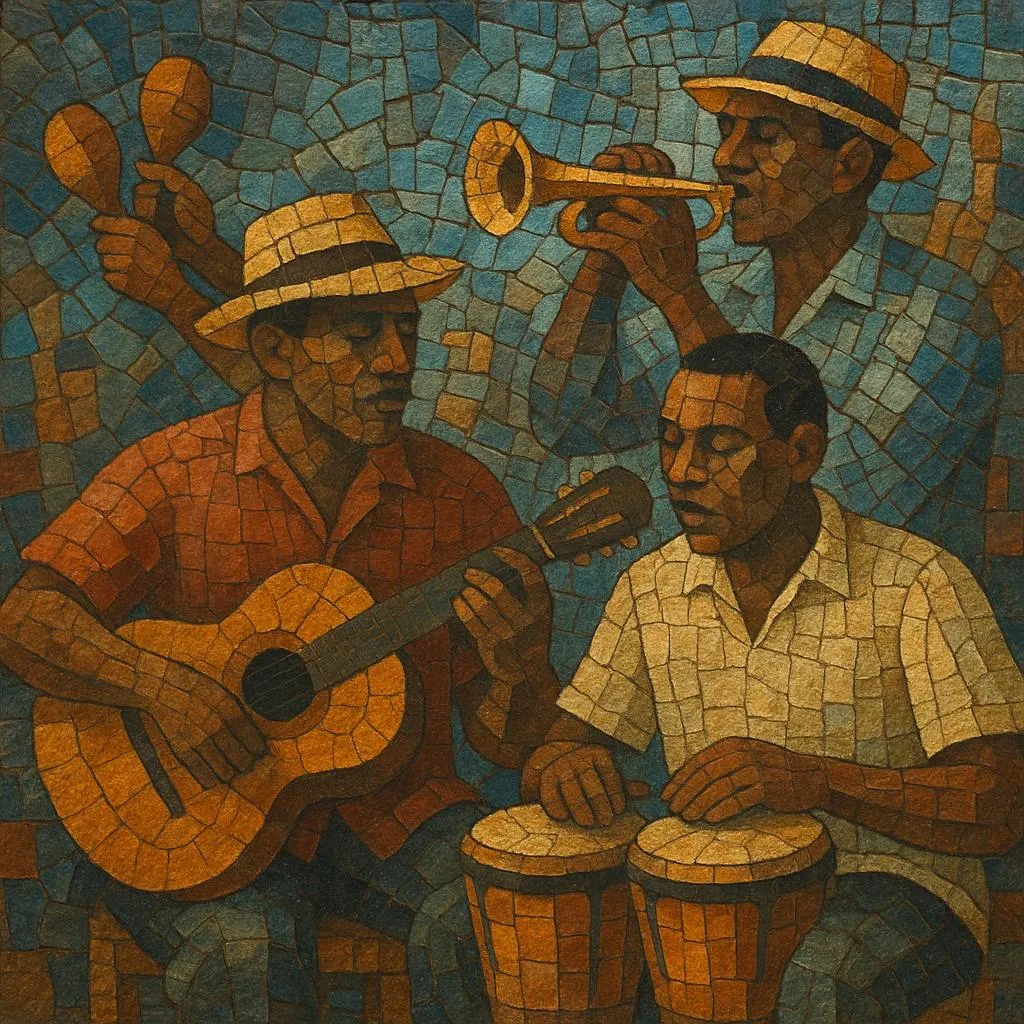
The classic sexteto/septeto format—tres, guitar, bongó, maracas, claves, bass (botija, marímbula, or string bass), and later trumpet—defines the signature timbre and repertoire that seeded mambo, cha-cha-chá, salsa, and much of modern Latin music.
History
Son emerged in eastern Cuba (notably in Santiago de Cuba and the Sierra Maestra region) as a meeting point between Spanish canción/trova and Afro-Cuban percussion and timeline concepts. Rural forms such as changüí and nengón contributed the tres guitar patterns and call-and-response structure, while guajira and early bolero informed melodic and lyrical sensibilities. By the 1910s–1920s, son began to migrate to Havana.
In the 1920s, the classic sexteto format (tres, guitar, bongó, maracas, claves, bass) became codified; the addition of trumpet created the septeto, giving the style its bright, brassy lead voice. Groups like Sexteto/Septeto Habanero and Septeto Nacional (led by Ignacio Piñeiro) standardized repertoire, form (verso–montuno), and rhythmic alignment with the 2–3/3–2 clave. Recordings and radio rapidly spread son across the Caribbean and the Americas.
Arsenio Rodríguez transformed the septeto into the conjunto by adding piano, conga, multiple trumpets, and a more driving, urban groove. His arrangements deepened the montuno sections with layered guajeos, tumbao bass, and extended call-and-response, anticipating later developments (mambo and, eventually, salsa). While these innovations pushed toward son montuno, the classic son aesthetic remained a touchstone.
By mid-century, son underpinned mambo, cha-cha-chá, pachanga, and later salsa. Classic son repertoire endured in Cuba and abroad, later revived globally through projects like Buena Vista Social Club. Today, son cubano clásico is revered as a core root of Latin dance music, still performed in traditional sexteto/septeto formats and studied as the rhythmic and formal DNA of countless Afro-Caribbean genres.