Genres
Artists
Albums
Make Music
Sign in
Sign in
Artists
Anime
Artists
Anime
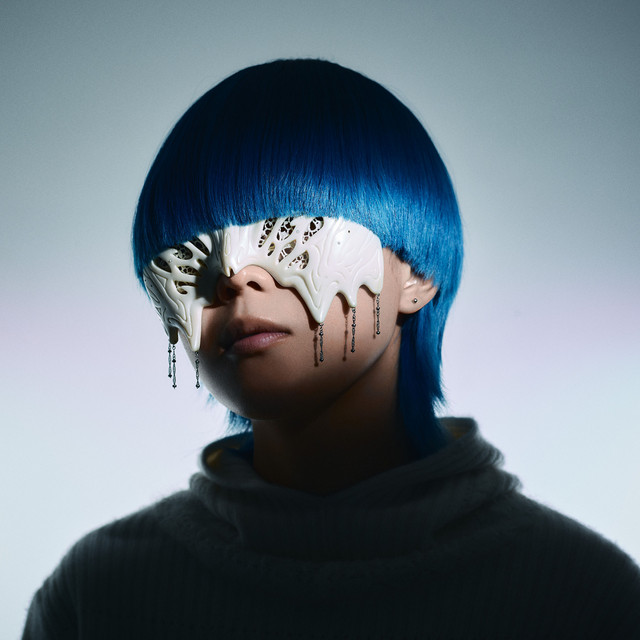
yama
Listen
4
/5
Genres
Asian Rock
Asian Rock (in the contemporary online-rap sense) is a pluggnb-derived microstyle that fuses the dense, bouncy percussion of pluggnb with bright, anime/Asian-rock-tinged melodic cues. Production typically layers airy bells, mallet or synth plucks, and shimmering pads with soaring synthetic guitar leads that nod to Japanese rock and anime-score aesthetics. Vocals lean melodic—half-sung, half-rapped—with light autotune and emotive hooks, riding swung hi-hats, skipping rimshots, and rubbery 808 slides. Rather than a geographic tag, this style labels a sonic palette: internet-native trap built on pluggnb drums and glossy, nostalgic melodies that evoke anime openings and J-rock guitar heroics.
Discover
Listen
Jerk
Jerk is a microgenre of hip‑hop that took shape in New York City in the early 2020s. It borrows the name and some rhythmic cues from the earlier "jerk rap"/jerkin' movement connected to West Coast street dance, but reimagines them through the aesthetics of contemporary underground rap. Sonically, jerk favors sparse, snare‑forward drum programming with very light or even absent kicks, dry percussion, and short looping motifs. The production often draws on the airy pads, glassy bells, and minimalist melodies of Plugg and PluggnB, but strips arrangements down further to leave lots of negative space for tightly phrased, talk‑like rap flows. The result is bouncy yet understated, intimate yet danceable.
Discover
Listen
Dungeon Rap
Dungeon rap is a dark, internet-born microgenre that fuses the gloomy, medieval-fantasy atmospheres of dungeon synth with the rhythms, vocal cadences, and low‑end of underground trap and Memphis-influenced rap. Its sound is defined by lo-fi, reverb-soaked synth pads, organ or choir timbres, modal or minor-key melodies reminiscent of dungeon synth, and skeletal 808-driven drum patterns. Vocals (when present) are typically pitched-down, whispered, or deadpan, often dealing with occult, fantasy, and horror imagery. Producers frequently sample retro RPG soundtracks, black metal-adjacent ambient passages, or cassette-era dungeon synth, then anchor them with trunk-rattling subs and crispy hi-hat rolls. The genre coalesced online at the turn of the 2020s through Bandcamp/YouTube scenes and boutique labels, crystallizing a distinct aesthetic that feels equal parts crypt-ambient and street-level rap.
Discover
Listen
Experimental Indie
Experimental indie is a broad, exploratory wing of independent rock and pop that prioritizes curiosity over convention. It blends DIY recording practices with off‑kilter song forms, unusual timbres, and a willingness to fold in ideas from avant‑pop, noise, electronic music, and psych. Rather than a fixed sound, it is a method and attitude: use the tools at hand (bedroom rigs, pedals, samplers, tape, software) to push past genre borders, while keeping the immediacy and intimacy of indie. Expect jagged rhythms, warped hooks, collage‑like arrangements, and production choices that foreground texture as much as melody.
Discover
Listen
Isekai
Isekai (lit. "another world") in music refers to songs and scores written for anime and games where characters are transported—often accidentally or involuntarily—into a parallel universe or fantasy world. In practice, it is a sub-current of Japanese anisong and soundtrack culture whose soundworld emphasizes the wonder, peril, and empowerment arcs typical of isekai narratives. Musically, isekai blends high-impact J‑pop/J‑rock openings (OPs) with hybrid orchestral scores: soaring string ostinati, heroic brass, choir pads, and EDM/rock rhythm sections used to frame battles, leveling-up sequences, and portal moments. Endings (EDs) often pivot to lyrical, nostalgic or bittersweet pop to reflect homesickness, found-family bonds, or the protagonist’s inner monologue.
Discover
Listen
Men Chika
Men chika (メン地下) is the Japanese underground male idol scene, made up of boy groups who perform high-energy J‑pop and dance-pop in small live houses, theaters, and idol events rather than on major mainstream stages. Musically it blends glossy J‑pop songwriting with club-ready EDM/electropop production, punchy hooks built for call-and-response, and chant breaks designed for wotagei/fan MIX participation. Songs commonly feature bright synths, four-on-the-floor or trap-inflected grooves, stacked gang shouts, and key‑change finales. Lyrically the focus is on youth, dreams, devotion, and intimacy with fans—reinforced by close-contact fan practices like cheki (instax photos) and meet-and-greets. Culturally, men chika parallels the long-running “chika idol” (underground idol) movement on the women’s side, but orients to a largely female fanbase and a circuit centered on Tokyo live houses and regional circuits. It is as much a participatory fan culture as it is a sound, shaping how songs are arranged, staged, and monetized.
Discover
Listen
Rap Metalcore
Rap metalcore is a hybrid style that fuses the rhythmic, lyrical flow of hip hop with the high-gain guitars, breakdowns, and screamed/sung hooks of metalcore. Compared to 1990s rap metal and nu metal, it keeps metalcore’s tighter, modern low-tuned riffing, double-time drumming, and cathartic breakdown structures, while foregrounding MC-style verses, rhyme schemes, and hip‑hop cadences. Production often blends live drums with programmed elements (808 subs, trap hats) and layers percussive, djent-leaning guitar chugs under rapped verses, then explodes into screamed or anthemic sung choruses. Lyrical themes span personal struggle, social commentary, resilience, and identity, delivered with a mix of rap’s directness and metalcore’s emotive intensity.
Discover
Listen
Workout Product
Workout product is a functional, production-oriented music micro-genre built for high-energy exercise contexts—HIIT, cardio, strength circuits, spin, and bootcamps. Rather than being artist-led, it is library- and catalog-driven: concise, loop-friendly tracks emphasize a steady, powerful four-on-the-floor pulse, simple hyping hooks, and drop-focused structures that sustain intensity. Typical tempos fall in the 120–150 BPM range (often synced to rep cadence or interval timers), with bright, compressed sonics, sidechained bass, and clear transitional cues for work/rest blocks. It draws from mainstream EDM and dance-pop (big-room builds, future-bass lift, electro-house grit) and modern pop/rap percussion. The result is highly motivational, durable background music that helps pace workouts and energize group classes, digital fitness content, and gym environments.
Discover
Listen
J-Pixie
J‑pixie is a sparkle‑bright corner of contemporary Japanese pop/rock that blends anison (anime song) bombast with idol polish and indie‑rock drive. The “pixie” label hints at the sound’s effervescent, twinkling timbres: high, agile female vocals; glittering synth arpeggios; and punchy guitars that sprint toward cathartic, sky‑punching choruses. Arrangements tend to be compact and cinematic—verse/pre‑chorus/chorus structures with dramatic lifts, halftime-to-double‑time switches, precision drum fills, and frequent late‑song key changes. The overall aesthetic is optimistic and youthful, with lyrics about resolve, friendship, and wonder, often peppered with catchy English hooks. It sits between mainstream J‑Pop, anison, seiyū (voice‑actor) pop, and female‑fronted alt‑rock, making it both playlist‑friendly and tailor‑made for anime tie‑ins and live band settings.
Discover
Listen
Jirai Kei
Jirai kei is a recent Japanese internet-born pop micro‑genre and aesthetic that blends cute, sugary sounds with darker, obsessive and self‑destructive themes. The term comes from a fashion/aesthetic scene associated with yamikawaii and menhera culture, and in music it describes songs that sound soft and adorable on the surface but conceal lyrics about toxic love, dependency, jealousy, and emotional volatility. Sonically, jirai kei draws from J‑pop and Vocaloid traditions (denpa/picopop brightness, catchy hooks) while adopting modern hyperpop gloss, trap/EDM percussion, and highly edited, youthful vocals. The contrast between childlike, pastel timbres and intense, confessional writing is central to the style, making it both immediately hooky and emotionally sharp—an audio embodiment of “cute but dangerous.”
Discover
Listen
Kawaii Edm
Kawaii EDM is a Japanese-born microgenre of electronic dance music that blends bright, "cute" pop aesthetics with modern club production. It emphasizes sparkling timbres, buoyant melodies, and animated sound design (glissando "chirps," toy-like mallets, chip-bleeps, and airy vocal chops) while keeping EDM’s sidechained punch and dance-floor momentum. Stylistically, it sits at the intersection of J‑pop songwriting and future-bass/EDM frameworks: major or Lydian-leaning harmonies, jazzy 7ths/9ths, catchy hooks, and half‑time drops with supersaw stacks or bell/pluck arpeggios. Visually and culturally, it is inseparable from anime, doujin/otaku culture, and internet netlabel communities, pairing sugar‑rush optimism with a polished, hyper-detailed mix.
Discover
Listen
Modern Indie Pop
Modern indie pop is a 2010s-forward style of pop made largely outside the traditional major-label pop pipeline, but with a strong focus on hooks, concise song forms, and modern production. It typically blends indie-rock songwriting attitudes (personal lyrics, DIY aesthetics, alternative scenes) with contemporary pop sonics such as punchy drums, bright or glassy synths, tight vocal editing, and streaming-era arrangement pacing. Compared with earlier indie pop, “modern” indie pop is usually more producer-led, more influenced by electronic and R&B-informed pop textures, and often designed to translate well to playlists and short-form content without losing an alternative identity.
Discover
Listen
Otacore
Otacore is a fan-driven, internet-native umbrella for music centered on anime, manga, gaming, and broader otaku culture. Rather than a single strict musical style, it describes a cluster of scenes where pop, electronic, rock, and rap intersect with anime aesthetics, story tropes, and character/fandom references. Typical otacore repertoires include Vocaloid productions, anisong-style pop/rock, high-energy EDM with kawaii sound design, nightcore-style edits, game-inspired chiptune flourishes, and cover cultures (English/Japanese) tied to anime and game franchises. Distribution and discovery are powered by platforms such as Nico Nico Douga, YouTube, SoundCloud, streaming playlists, and later TikTok, where memeability, fan videos (AMVs), and vtuber performances help songs spread globally.
Discover
Listen
Japanese Chillhop
Japanese chillhop is a mellow, sample‑centric branch of lo‑fi hip hop and chillhop associated with Japanese beatmakers, aesthetics, and source material. It typically runs at 70–90 BPM, features swung, understated drums, warm tape or vinyl hiss, and jazzy seventh and ninth‑chord harmonies. Producers often sample or emulate Japanese jazz, city pop, kayōkyoku, and environmental music (kankyō ongaku), as well as anime cues and everyday field recordings. The result is a cozy, nostalgic, and contemplative sound that feels equally at home in study playlists and late‑night headphone sessions, distinguished from broader chillhop by its specific palette of Japanese musical references and imagery.
Discover
Listen
Lo-Fi Emo
Lo-fi emo is a DIY offshoot of the emo tradition that blends emotionally direct songwriting with the intimate aesthetics of home recording. It favors tape- or laptop-recorded sounds, audible room noise and hiss, simple guitar figures, and hushed, conversational vocals. Musically it often draws on twinkly Midwest-emo guitar voicings or sparse acoustic strums, minimal drum programming or lightly mic’d kits, and gentle reverb or chorus for a soft, dreamy patina. Lyrics are introspective and confessional—journals set to music—highlighting vulnerability, loneliness, nostalgia, and fleeting moments of connection. The genre flourished on Bandcamp, Tumblr, and SoundCloud, where micro-labels and peer-to-peer communities enabled rapid sharing of demos, splits, and cassette runs. Its low barrier to entry and personal tone made it a recognizable aesthetic across the 2010s and into the streaming era.
Discover
Listen
J-Pop
J-pop (Japanese pop) is a broad umbrella for mainstream Japanese popular music that blends Western pop/rock, dance, and R&B with distinctly Japanese songwriting, vocal delivery, and industry practices. It is characterized by strong hooks, polished production, bright synths and guitars, frequent key changes and modulatory bridges, and chorus-first or chorus-centric structures. J-pop spans idol groups, singer-songwriters, band-oriented pop-rock, electronic dance-pop, and R&B ballads, while remaining closely tied to television, advertising, video games, and anime tie-ins (anisong).
Discover
Listen
Anime
Anime (often called "anisong" for vocal themes) is the umbrella term for songs and scores created for Japanese animation, including opening/ending themes and background music. It blends contemporary J‑pop/J‑rock songwriting with dramatic orchestral scoring and modern electronic production, aiming for instantly memorable hooks and emotionally charged climaxes tailored to a show's narrative and characters. Stylistic hallmarks include high-register, expressive vocals; tight, hook-forward structures (especially 90-second “TV size” versions); bright, polished production; and frequent late-song key changes. Arrangements often hybridize rock bands, strings, brass, and EDM textures to deliver cinematic impact, while lyrics favor aspirational, metaphor-rich imagery that mirrors the series’ themes.
Discover
Listen
J-Rock
J-rock (Japanese rock) is the umbrella term for rock music created in Japan, spanning everything from classic rock, punk, and metal to alternative, indie, and progressive strains. It blends Western rock instrumentation and songcraft with Japanese melodic sensibilities, crisp production, and lyrics primarily in Japanese (often mixed with some English phrases). Typical features include hook-forward choruses, expressive guitar leads, tight rhythm sections, and dynamic arrangements that can pivot from delicate verses to big, anthemic refrains. Because of Japan’s media ecosystem, J-rock frequently intersects with anime, TV dramas, and video games, which helps bands reach mainstream audiences while retaining a band-centric, live-performance identity. Although stylistically diverse, J-rock commonly emphasizes memorable melodies, emotional catharsis, and precise musicianship, with influences ranging from British Invasion and classic rock to punk/new wave, progressive rock, and heavy metal.
Discover
Listen
Psychedelic Rock
Psychedelic rock is a style of rock music that seeks to evoke, simulate, and expand altered states of consciousness through sound. It typically features timbral experimentation (fuzz, wah, tape delay, phasing), drones, modal or raga-influenced harmony, extended improvisation, studio-as-instrument production, and surreal, mystical, or mind-expanding lyrics. Emerging from mid-1960s counterculture, it fused garage-band energy with folk, blues, and non-Western musical ideas—especially Indian classical ragas—while embracing new studio technologies and concert light shows. Both a live and a studio art, psychedelic rock ranges from jangly, kaleidoscopic pop to heavy, hypnotic jams and cosmic soundscapes.
Discover
Listen
Show all 19 genres
Similar artists
5
/5
Mrs. GREEN APPLE
J-Rock
J-Pop
Anime
4
/5
Ado
Vocaloid
J-Pop
J-Rock
4
/5
Kenshi Yonezu
J-Pop
J-Rock
Anime
4
/5
RADWIMPS
Visual Kei
Anime
J-Pop
4
/5
Vaundy
Japanese Indie
J-Rock
Anime
4
/5
OFFICIAL HIGE DANDISM
J-Rock
Anime
J-Pop
4
/5
King Gnu
J-Rock
Anime
J-Pop
4
/5
Eve
Yakousei
J-Pop
Utaite
4
/5
LiSA
J-Pixie
Anime
J-Pop
4
/5
ZUTOMAYO
J-Pop
Japanese Indie
Yakousei
Download our mobile app
Get the Melodigging app and start digging for new genres on the go
Download on the App Store
Get it on Google Play
© 2026 Melodigging
Give feedback
Legal
Melodding was created as a tribute to
Every Noise at Once
, which inspired us to help curious minds keep digging into music's ever-evolving genres.