Your digging level

For this genre
0/8
🏆
Sign in, then listen to this genre to level up

Description

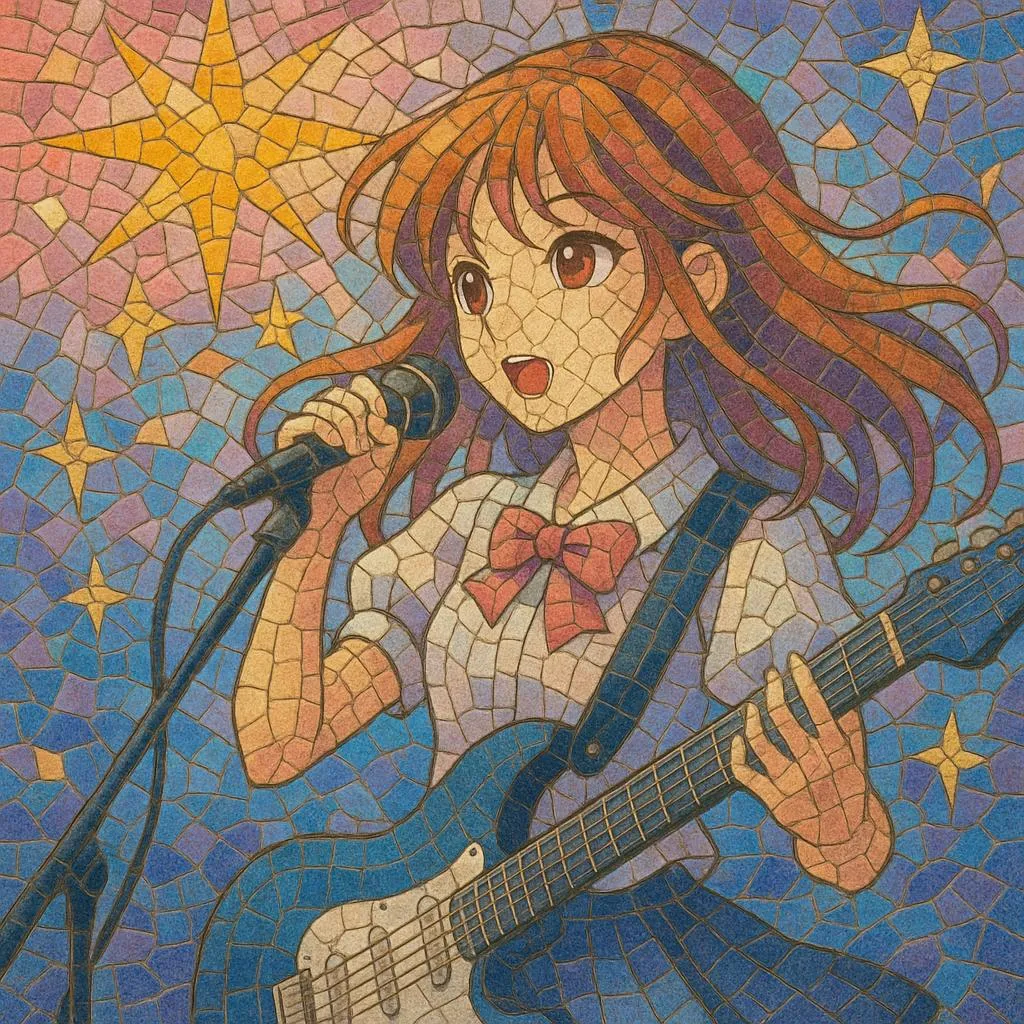
J‑pixie is a sparkle‑bright corner of contemporary Japanese pop/rock that blends anison (anime song) bombast with idol polish and indie‑rock drive. The “pixie” label hints at the sound’s effervescent, twinkling timbres: high, agile female vocals; glittering synth arpeggios; and punchy guitars that sprint toward cathartic, sky‑punching choruses.

Arrangements tend to be compact and cinematic—verse/pre‑chorus/chorus structures with dramatic lifts, halftime-to-double‑time switches, precision drum fills, and frequent late‑song key changes. The overall aesthetic is optimistic and youthful, with lyrics about resolve, friendship, and wonder, often peppered with catchy English hooks. It sits between mainstream J‑Pop, anison, seiyū (voice‑actor) pop, and female‑fronted alt‑rock, making it both playlist‑friendly and tailor‑made for anime tie‑ins and live band settings.


Sources: Spotify, Wikipedia, Discogs, RYM, MB, user feedback and other online sources

History

Origins (late 2000s – early 2010s)

J‑pixie coalesced as Japan’s anison boom met the ongoing idol renaissance and a wave of female‑fronted J‑rock and indie acts. The shared toolkit—anthemic choruses, rapid‑fire drum programming or tight live drums, vivid synth leads, and soaring high‑register vocals—created a recognizable sheen that fans and curators began informally grouping under “pixie.”

Consolidation (mid–late 2010s)

Through the 2010s, tie‑ins with TV anime, games, and films normalized the style’s cinematic scope: songs opened with instant hooks, pre‑choruses built with harmonic suspense, and finales often modulated upward for maximum lift. Seiyū‑singer crossovers flourished, and band‑backed idol/alt‑idol scenes blurred lines between pop and rock. Streaming platforms and editorial playlists further stabilized the tag by clustering these bright, energetic tracks for international listeners.

Streaming era and global spread (late 2010s – 2020s)

Global anime fandom, YouTube performance culture, and rhythm games pushed J‑pixie aesthetics abroad. VTuber music picked up the same brilliant synths, hyper‑catchy toplines, and brisk tempos, while producers folded EDM drops and chiptune colors into guitar‑driven frameworks. The result is a flexible pop‑rock dialect recognized by its crystalline vocal focus, clean harmonic storytelling, and big, optimistic climaxes.


How to make a track in this genre

Core feel and tempo
•   Aim for 135–175 BPM with a driving pop‑rock backbeat or four‑on‑the‑floor lift in choruses. •   Use tight drum fills and occasional double‑time/halftime contrasts to create momentum.
Harmony and melody
•   Build around diatonic major keys with bright IV and V focus; spice with secondary dominants, borrowed ♭VII or iv, and a late key change (+1 or +2 semitones) for the final chorus. •   Write soaring, high‑register melodies with clear, singable contours; lean on stepwise motion and memorable leaps into the chorus hook.
Instrumentation and sound design
•   Layer glossy synth arps, bells, and pads over crisp rhythm guitars and driving bass. •   Alternate verses with sparser texture and explode into wide, chorus‑sized stacks (octave‑doubled leads, gang harmonies, sidechained pads). •   Consider EDM‑adjacent builds (noise sweeps, risers) that resolve into band hits.
Vocals and lyrics
•   Feature agile female lead vocals; double and lightly chorus the topline, then add tight 3rd/6th harmonies in hooks. •   Themes: courage, connection, bittersweet youth, wonder, and forward motion; sprinkle short English catchphrases in titles and hooks.
Form and arrangement
•   Common layout: Intro (hook motif) → Verse → Pre‑Chorus (tension) → Chorus (payoff) → Verse 2 → Pre → Chorus → Bridge (contrast, maybe halftime) → Final Chorus (key up) → Outro (hook tag). •   Use dynamic automation: pull back instruments for pre‑chorus intimacy, then hit full‑stack choruses.
Production and mix
•   Emphasize clarity: tight low‑end control (sidechain or ducking), bright but smooth top end on vocals/synths. •   Bus compression for glue, subtle saturation on guitars, and stereo widening on chorus layers.
Performance notes
•   Live: dual‑guitar setup (rhythm + hook/lead), keyboardist for arps/pads, click‑track for transitions, and stacked backing vox to replicate the chorus lift.

Main artists

Top tracks

Locked
Share your favorite track to unlock other users’ top tracks

Upcoming concerts

in this genre
Influenced by

Download our mobile app

Get the Melodigging app and start digging for new genres on the go
© 2026 Melodigging
Melodding was created as a tribute to Every Noise at Once, which inspired us to help curious minds keep digging into music's ever-evolving genres.
Buy me a coffee for Melodigging