Genres
Artists
Albums
Make Music
Sign in
Sign in
Artists
Chill Pop
Artists
Chill Pop
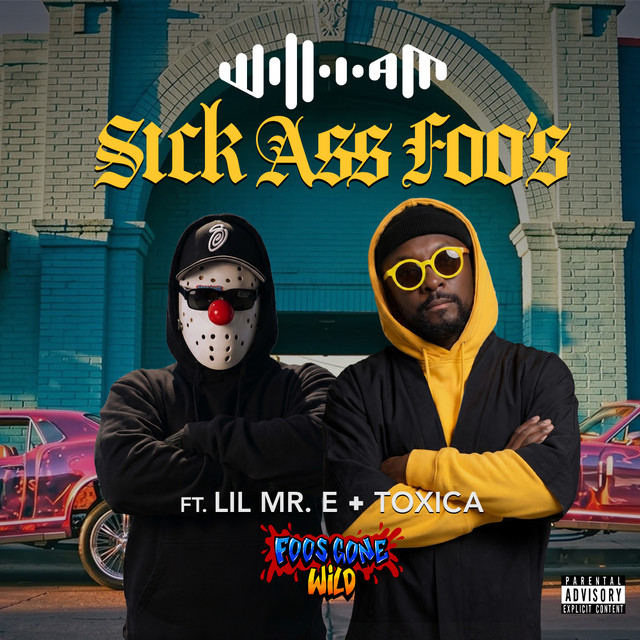
will.i.am
Listen
4
/5
Genres
Chill Pop
Chill pop is a contemporary pop micro‑genre that blends radio‑friendly songwriting with the mellow textures of chillout and lo‑fi aesthetics. It favors soft vocals, smooth synths, clean guitar plucks, understated bass, and relaxed, mid‑tempo grooves. Instead of big, bombastic hooks, chill pop tends toward intimate, conversational melodies and minimal, airy arrangements. Production often borrows from bedroom pop and alternative R&B—subtle trap hi‑hats, warm saturation, roomy reverbs, and gentle side‑chain compression—to create a breezy, pastel sound palette well suited to playlists and late‑night listening. Lyrically, chill pop is introspective and relatable: romance, longing, gentle optimism, and coming‑of‑age themes delivered in a plain‑spoken, whisper‑close tone. The result sits between indie pop’s understated cool and mainstream pop’s catchy structures, optimized for the streaming era’s mood‑driven consumption.
Discover
Listen
Game Mood
Game mood is a contemporary, internet-native style that blends chill, loop-friendly electronic production with the melodic signifiers of video game music. It is crafted to sit comfortably behind gameplay, streaming, studying, or casual listening. The palette typically includes soft synth pads, gentle sidechained chords, arpeggiated leads, and light, clicky drum programming. Subtle chiptune timbres, sparkling bell or mallet tones, retro console textures, and synthwave-adjacent pads are common, while arrangements avoid intrusive vocals and sharp transients so the music remains non-distracting. Tempos are usually mid-slow (often 70–100 BPM or 120–140 BPM in half-time), harmonies are diatonic and consonant, and tracks are structured in seamless loops or gradual layer builds. The overall feel is soothing, nostalgic, and lightly propulsive—ideal for maintaining focus while preserving a sense of playful immersion.
Discover
Listen
Gaming Edm
Gaming EDM is a bright, hook‑driven branch of electronic dance music tailored for online gaming, streaming, and creator culture. It blends festival‑ready drops and sidechained supersaws with melodic, video‑game–friendly timbres (arpeggiated leads, chip/8‑bit flourishes) and clean royalty-friendly production that sits well under voice chat or commentary. The songs are typically concise, high‑energy, and instantly catchy, engineered to loop well on streams and to sync to highlight reels and esports content.
Discover
Listen
Melancholia
Melancholia is an internet-era microgenre centered on soft-focus, sorrow-tinged pop and indie songs that foreground intimacy, space, and emotional candor. Tracks are typically slow to mid‑tempo, sung in a close, almost confessional register, and framed by sparse, reverb‑soaked textures. Sonically it lives between dream pop, bedroom pop, and slowcore: shimmering guitars or wistful synth pads drift over understated beats; piano, acoustic guitar, and low‑key electronic drums carry muted, pulsing grooves. Harmonies often favor minor keys, suspended chords, and gentle extensions (7ths/9ths) that heighten a bittersweet glow. Lyrically, melancholia lingers on solitude, late‑night self‑reflection, breakups, and fragile hope. The genre coalesced through streaming playlists and social media, where its hush, negative space, and diaristic tone translate into a cohesive, instantly recognizable mood.
Discover
Listen
Modern Downshift
Modern downshift is a contemporary, playlist-era microgenre that blends hushed alternative pop and alt‑R&B sensibilities with the spaciousness of downtempo and ambient pop. Songs are typically slow to mid‑tempo, minimal in arrangement, and intimate in vocal delivery—often breathy, close‑miked, and confessional. Production emphasizes warmth and negative space: soft sub‑bass, restrained percussion, reverb‑washed pads or guitars, and gentle saturation that keeps the overall texture velvety and nocturnal. Lyrically, the style skews introspective and late‑night: relationships, vulnerability, quiet self‑reflection, and the emotional afterglow of parties or city drives. The result is music that feels low‑key and cinematic—designed as much for solitary listening as for low‑light social settings.
Discover
Listen
Pop Edm
Pop EDM (often written as pop-EDM) is a crossover style that fuses the song-centric writing, hooks, and structure of mainstream pop with the sound design, drops, and production techniques of modern electronic dance music. It typically features verse–pre‑chorus–chorus forms, radio-friendly toplines, and polished vocals, but replaces a traditional instrumental chorus with an EDM-style drop built from synth leads, vocal chops, or rhythmic bass. Tempos commonly range from 100–128 BPM, with harmonic language that favors diatonic, feel‑good progressions and bright, euphoric timbres. Commercially oriented and festival‑compatible, pop EDM is designed to work on both radio/streaming and the dancefloor, prioritizing memorable hooks, high-impact drops, and a glossy, sidechained mix.
Discover
Listen
Pop Urbaine
Pop urbaine is a French mainstream pop style that blends contemporary R&B, hip hop, Afrobeats, dancehall, zouk, raï, and reggaeton with chart‑friendly songwriting. It emphasizes melodic hooks, mid‑tempo grooves, and sleek vocal production (often with Auto‑Tune) while foregrounding everyday, romantic, and nightlife themes in colloquial French. Rhythmically it favors syncopated Afro‑Caribbean patterns, sparse but bouncy 808 drums, and light guitar or synth plucks, creating a buoyant, danceable feel without the aggressiveness of club music. Vocals typically alternate between sung refrains and rap‑influenced verses, with catchy refrains designed for streaming and social media virality. The genre became a defining sound of French popular culture in the late 2010s, driven by a new generation of Francophone artists with diasporic roots who globalized French pop while keeping its language and local slang at the center.
Discover
Listen
Trap Metal
Trap metal is a fusion of contemporary trap production and the aggression of metal and hardcore. It typically pairs distorted 808 bass, half‑time trap drums, and rapid hi‑hat rolls with screamed or harshly delivered vocals, down‑tuned guitar riffs (live or sampled), and industrial textures. Aesthetically, it emphasizes raw intensity, mosh‑pit energy, and abrasive sound design while retaining hip‑hop’s hook‑driven song structures and lyrical cadences. Themes often revolve around alienation, rage, nihilism, and personal struggle, delivered with a visceral, cathartic tone.
Discover
Listen
Vixa
Vixa is a Polish club-oriented strain of mainstream EDM that blends the swagger of big room house with the bouncy drive of Melbourne bounce and Dutch house. In Poland, “vixa” is also slang for a wild party, and the genre reflects that ethos: hard-hitting kicks, bold supersaw or brass-stab leads, and simple, chantable hooks designed for maximum dancefloor impact. Typically sitting around 128–132 BPM, vixa favors dramatic snare-roll builds, pitch-rising risers, and explosive drops with offbeat bass patterns. DJ edits of pop and regional hits—reworked into high-energy drops—are common, helping the sound dominate Polish club nights and festival stages where it thrives on big, euphoric moments.
Discover
Listen
The Wave
The Wave is a loosely defined cluster of American post-hardcore/emo bands that surged in the early 2010s as emo-pop’s mainstream moment faded. The name was a tongue‑in‑cheek scene tag that stuck in press coverage, but it points to a real overlap in sound, ethos, and touring networks. Musically, The Wave fuses the urgency of 1990s post‑hardcore and screamo with confessional, literate lyric writing associated with emo. Expect shouted or half‑sung/half‑spoken vocals, dynamic quiet‑loud builds, intricate but driving drums, and guitar textures that shift between glassy clean arpeggios and overdriven, emotive climaxes. The songs often emphasize catharsis, narrative detail, and community-minded DIY presentation.
Discover
Listen
Classify
Classify is a streaming-era microgenre that blends light classical technique with contemporary pop repertoire, typically presented as unobtrusive instrumental covers. It prioritizes soft dynamics, gentle tempos, and intimate recording to create a calm, elegant backdrop suitable for studying, working, or events. Most arrangements are for solo piano, string quartet, cello/piano duos, or small chamber ensembles. Harmonies remain diatonic and consonant, melodies are clearly voiced, and textures favor arpeggios, ostinati, and sustained legato lines. The overall aesthetic borrows from modern classical and new age moods while retaining the familiarity of pop song forms.
Discover
Listen
Big Room House
Big room house is a festival-focused strain of EDM built for massive sound systems and outdoor main stages. It typically runs around 126–132 BPM (most commonly 128), uses four-on-the-floor kick patterns, and features huge, simple lead riffs designed to be instantly memorable to large crowds. A defining trait is the contrast between cinematic, reverb-washed breakdowns and ultra-dry, percussive drops driven by a powerful kick, sub, and a few bold supersaw or horn-like synth stabs. Arrangements lean on dramatic builds with snare rolls, risers, and crowd-hyping vocal chops, culminating in drops that emphasize impact over harmonic complexity.
Discover
Listen
8d
8D (often styled “8D Audio”) is not a traditional genre but a headphone‑centric production approach where a finished song is reprocessed with fast, automated spatial panning and head‑related transfer function (HRTF) filtering to simulate 360‑degree movement around the listener. Despite the name, there are no actual "eight dimensions." The appeal comes from psychoacoustic tricks—continuous circular or figure‑eight panning, binaural/ambisonic processing, Doppler‑like EQ changes, and reverb tails—that create the illusion that sounds orbit your head. The effect became a viral format on streaming platforms and video sites in the late 2010s, commonly applied to pop, lo‑fi, and chill tracks to make “immersive” headphone versions. Because 8D is an effect rather than a compositional style, its repertoire largely consists of fan/producer remixes of pre‑existing music, plus original ambient and chill pieces designed specifically for the "moving sound" experience.
Discover
Listen
Beats
Beats is a loose, producer-driven category for rhythm-forward instrumentals built around hip‑hop drum patterns without necessarily being rap songs or featuring vocals. It functions as an umbrella for stock, "type," and backing tracks used by rappers, singers, streamers, and content creators, spanning boom‑bap swing to trap hi‑hat grids and R&B‑leaning grooves. On streaming platforms it often appears as standalone instrumentals packaged by tempo, mood, or artist style (e.g., “trap type beat,” “R&B instrumental,” “club beat”), prioritizing portability and utility over artist identity. While rooted in hip‑hop production aesthetics—kicks, snares, 808s, chopped samples—Beats blends downtempo, electronic, and contemporary R&B sensibilities, aiming for clarity, loopability, and immediate vibe.
Discover
Listen
Bossbeat
Bossbeat is an internet‑born, high‑octane branch of EDM tailored to evoke the intensity of a video‑game “boss fight.” Producers fuse modern dubstep and trap sound design with melodic, leitmotif‑driven writing borrowed from video game music and film scoring, aiming for cinematic build‑ups and explosive, riff‑like drops. Characteristic features include minor‑key motifs, fast and syncopated percussion, halftime switch‑ups, aggressive bass design (growls, reeses, metallic FM), and hybrid orchestral layers (brass stabs, choirs, epic drums). The result is music that feels both dance‑floor ready and narratively dramatic—perfect for action montages, game content, and creator culture.
Discover
Listen
Flint Sound
Flint sound is a contemporary Michigan rap style centered in Flint, United States. It is characterized by fast, minimal, piano- or organ-led beats, dry and upfront vocals, and bar-by-bar “punch‑in” delivery that often rides slightly ahead of or behind the grid for a conversational, off‑kilter feel. The production typically favors bright piano loops, staccato 808 slides, crisp claps or rimshots, and sparse percussion, leaving plenty of space for relentless punchlines, gritty street reportage, and mischievous humor. While hard-edged and streetwise, the style frequently leans into charismatic personality and wit, making it both aggressive and infectious for dancing.
Discover
Listen
Meme
Meme is an internet-native umbrella genre for songs and audio clips that are created for, shaped by, or propelled through online meme culture. It blends humor, parody, and fast-turnaround production with infectious hooks designed to spread rapidly across platforms. Stylistically, meme music is eclectic. It can be rap, pop, EDM, rock, or mashup-driven collage; the common thread is comedic framing, referential lyrics, exaggerated vocal processing, and recognizable samples that cue shared online in-jokes. Tracks often favor short runtimes, bold punchlines, and instantly loopable sections optimized for social media. Because it thrives on virality rather than a fixed instrumentation set, meme functions as a meta-genre. It borrows techniques from mashup culture, YTPMV, soundclown, nightcore, and novelty/comedy traditions, while using platform-specific aesthetics from YouTube, SoundCloud, Vine, and TikTok.
Discover
Listen
Modern Uplift
Modern uplift is a streaming‑era microgenre label for contemporary, radio‑friendly pop/rock that emphasizes optimistic, motivational songwriting and anthemic, sing‑along choruses. It sits at the intersection of post‑grunge sheen and arena‑rock scale, updated with modern pop production touches. Compared with darker alternative strains, modern uplift favors major‑key progressions, mid‑tempo grooves, layered guitars and keys, and polished mixes designed to translate from headphones to large venues. Its lineage runs through 1990s–2000s post‑grunge’s radio‑ready polish and 1970s–1980s arena rock’s big, melodic hooks, reframed in the 2010s by streaming and playlist culture that grouped kindred artists under fine‑grained microgenre tags.
Discover
Listen
Neo-Singer-Songwriter
Neo-singer-songwriter is a contemporary, streaming-era evolution of the classic singer–songwriter tradition. It keeps the intimate, confessional lyricism and melody-forward writing, but updates the palette with glossy indie-pop production, subtle electronic textures, and studio-crafted dynamics. Artists often pair acoustic guitar or piano with tasteful synth pads, granular ambience, and restrained beats. The result feels more cinematic and radio-ready than 1970s forebears, yet it still centers a personal voice, diaristic storytelling, and hook-driven choruses.
Discover
Listen
Rap Feminino Nacional
Rap feminino nacional is the Brazilian movement of women MCs who rap primarily in Portuguese, centering female perspectives, Black identity, and everyday life in Brazil. It spans classic boom‑bap and modern trap aesthetics while freely borrowing from baile funk, samba, MPB, and contemporary R&B. The sound is marked by confident flows, pointed social commentary, and hook‑forward choruses that often blur rapped and sung delivery. Production ranges from raw, sample‑driven beats to glossy, club‑ready tracks, with frequent use of Afro‑Brazilian percussion, 808 bass, and syncopated, danceable rhythms.
Discover
Listen
Westcoast Flow
Westcoast flow is a modern West Coast hip-hop performance style centered on a distinctly California rhythmic “pocket”: relaxed-but-snappy delivery, conversational cadence, and heavy use of syncopation that makes the rapper ride slightly behind or around the beat. Compared with earlier West Coast approaches (e.g., G-funk’s laid-back swing or Bay Area hyphy’s party bounce), westcoast flow is often tighter and more minimal, pairing nimble, slippery phrasing with contemporary trap-adjacent drums, icy synth motifs, and punchy 808s. The identity of the style is carried less by specific instruments and more by the rapper’s timing, articulation, and attitude: clipped consonants, elastic bar lengths, quick internal rhymes, and frequent on-beat/off-beat pivots that emphasize groove over melodic singing.
Discover
Listen
Dance-Pop
Dance-pop is a mainstream-oriented pop style built for both radio and the dancefloor. It blends hook-driven songwriting with club-ready rhythms, typically using a steady four-on-the-floor kick, bright synthesizers, and punchy, polished production. Tempos usually sit in the 110–128 BPM range, and arrangements emphasize memorable choruses, clear verses and pre-choruses, and concise structures suitable for radio edits. Compared with club genres like house or techno, dance-pop prioritizes song form, vocal presence, and accessible harmonies, while still retaining an energetic groove. The sound palette often includes layered synths, sampled or electronic drums, tight bass lines, ear-catching toplines, and modern production techniques such as sidechain compression and stacked vocal harmonies.
Discover
Listen
Pop Rap
Pop rap blends the rhythmic vocal delivery and beat-centric production of hip hop with the catchy hooks, polished structures, and radio-friendly sensibilities of pop music. It typically features melodic choruses (often sung), accessible themes, and mid-tempo grooves designed for mass appeal. Production prioritizes clean, bright sonics, simple harmonic progressions, and memorable top-line melodies, while verses keep to clear, punchy flows that are easy for broad audiences to follow. Because it sits between two commercial powerhouses—pop and hip hop—pop rap has frequently served as a gateway for mainstream listeners to explore rap, while giving hip hop artists a framework to cross over to pop charts.
Discover
Listen
Hip Hop
Hip hop is a cultural and musical movement that emerged from Black, Latino, and Caribbean communities, centering around rapping (MCing), DJing/turntablism, sampling-based production, and rhythmic speech over beats. It prioritizes groove, wordplay, and storytelling, often reflecting the social realities of urban life. Musically, hip hop is built on drum-centric rhythms (from breakbeats to 808 patterns), looped samples, and bass-forward mixes. Lyrically, it ranges from party anthems and braggadocio to political commentary and intricate poetic forms, with flow, cadence, and rhyme density as core expressive tools. Beyond music, hip hop encompasses a broader culture, historically intertwined with graffiti, b-boying/b-girling (breakdance), fashion, and street entrepreneurship, making it both an art form and a global social language.
Discover
Listen
Show all 24 genres
Similar artists
5
/5
Katy Perry
Pop
Dance-Pop
Electronic
1
/5
Various Artists
Afro-Funk
Alternative Rock
Ambient
5
/5
The Weeknd
Contemporary R&b
Alternative R&b
Pop
5
/5
Kanye West
Hip Hop
Pop Rap
Rap
5
/5
Eminem
Hip Hop
Hardcore Hip Hop
Pop Rap
5
/5
David Guetta
Dance
Electronic
House
5
/5
Lady Gaga
Pop
Art Pop
Dance-Pop
5
/5
Don Toliver
Rap
Hip Hop
Afrobeats
5
/5
Chris Brown
R&b
Contemporary R&b
Hip Hop
5
/5
Calvin Harris
Electro House
Progressive House
Electronic
Download our mobile app
Get the Melodigging app and start digging for new genres on the go
Download on the App Store
Get it on Google Play
© 2026 Melodigging
Give feedback
Legal
Melodding was created as a tribute to
Every Noise at Once
, which inspired us to help curious minds keep digging into music's ever-evolving genres.