Genres
Artists
Albums
Make Music
Sign in
Sign in
Artists
Christmas Music
Artists
Christmas Music
Wiener Symphoniker
1962–2011
·
2 albums
Listen
3
/5
Genres
Moscow School
The Moscow School is a classical performance tradition centered on the Moscow Conservatory and its satellite institutions, renowned especially for its pianism. It is characterized by a singing tone, long-breathed phrasing, structural clarity, and rigorous technique coupled with emotional depth. Although best known for piano, the approach extends to chamber music and orchestral playing: careful voicing, architectural control of large forms, expressive but disciplined rubato, and a rich dynamic palette. Its practitioners balance fidelity to the score with a cultivated cantabile line and a deep, often elegiac lyricism associated with the Russian late-Romantic aesthetic.
Discover
Listen
Concerto
A concerto is a large-scale composition that sets one or more solo instruments in dynamic dialogue with an orchestra. Its core idea is contrast—between soloist and tutti—and the dramatic negotiation of power, color, and thematic responsibility. While Baroque concertos often relied on ritornello form, the Classical era standardized a three-movement plan (fast–slow–fast) with sonata principles in the opening movement. The Romantic period emphasized virtuosity and expressive foregrounding of the soloist, and the 20th–21st centuries broadened the palette with new instruments, harmonies, and formats. Across eras, the concerto remains a showcase for instrumental character, technical brilliance, and the art of orchestral conversation.
Discover
Listen
Classical Performance
Classical performance refers to the interpretive tradition of presenting Western classical repertoire in concert and studio settings. Rather than defining a compositional style, it describes how ensembles and soloists realize written scores through technique, tone, phrasing, and stylistic choices across eras from Baroque to contemporary. It centers on fidelity to the score and historically informed practice, while allowing space for interpretive nuance such as tempo flexibility, articulation, and dynamic shading. Typical forces include soloists, chamber groups, choirs, and orchestras performing in acoustically resonant venues or purpose-built studios, captured by production teams specialized in naturalistic sound.
Discover
Listen
Opera
Opera is a large-scale theatrical genre that combines music, drama, and visual spectacle, in which the story is primarily conveyed through singing accompanied by an orchestra. It unites solo voices, ensembles, and chorus with staging, costumes, and often dance to create a total artwork. Emerging in late Renaissance Italy and flourishing in the Baroque era, opera developed signature forms such as recitative (speech-like singing that advances the plot) and aria (lyrical numbers that explore character and emotion). Over the centuries it evolved diverse national styles—Italian bel canto, French grand opéra, German music drama—while continually experimenting with orchestration, harmony, narrative structure, and stagecraft.
Discover
Listen
Villancico
Villancico is an Iberian song form that emerged in late medieval Spain and flourished during the Renaissance and Baroque eras. Originally a secular, vernacular song associated with rural or popular themes, it evolved into a predominantly sacred genre performed in churches and cathedrals—especially around Christmas. Structurally, a villancico typically alternates a recurring refrain (estribillo) with one or more stanzas (coplas), often in lively, dance-like meters. Texts may be in Spanish or Portuguese and sometimes incorporate dialects and topical characters (for example, negrillos, pastorcillos), while the music ranges from simple strophic tunes to richly scored polychoral works with instrumental accompaniment.
Discover
Listen
Christmas Music
Christmas music is a body of sacred and secular repertoire associated with the celebration of Christmas and the winter season. It spans medieval carols, liturgical hymns, and oratorios through to 20th‑century Tin Pan Alley standards, crooner ballads, jazz‑swing arrangements, pop hits, gospel renditions, and contemporary acoustic or R&B interpretations. Stylistically it is diverse but often shares warm, nostalgic melodies, memorable choruses, and lyrics that reference the Nativity story, peace and goodwill, family gatherings, winter imagery, and figures like Santa Claus. Sleigh bells, choirs, strings, brass, and glockenspiel/celesta are common coloristic touches, while harmony ranges from simple I–IV–V progressions to richer jazz voicings. Its seasonal recurrence has made it a cultural tradition that reappears annually across radio, streaming, film, advertising, and public spaces.
Discover
Listen
Albums
2011
1
/5
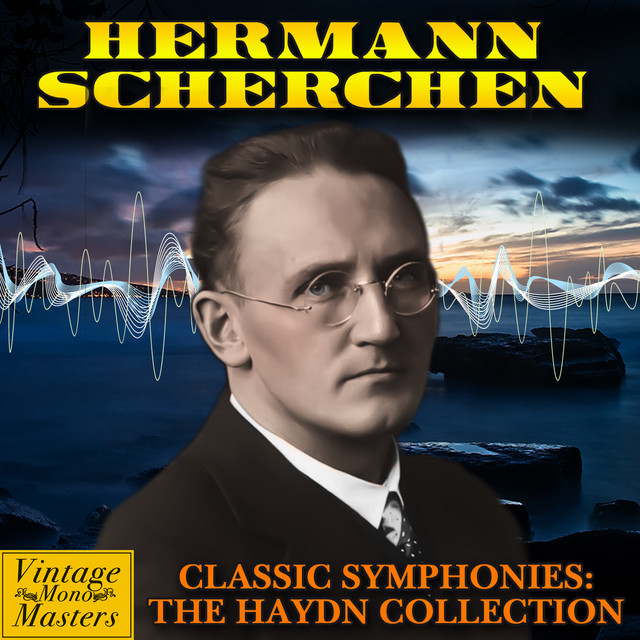
Classic Symphonies: the Haydn Collection
Wiener Symphoniker
Classical Performance
1962
1
/5
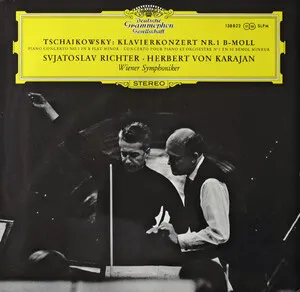
Klavierkonzert Nr. 1 b-Moll
Pyotr Tchaikovsky Пётр Чайковский
Moscow School
Concerto
Similar artists
3
/5
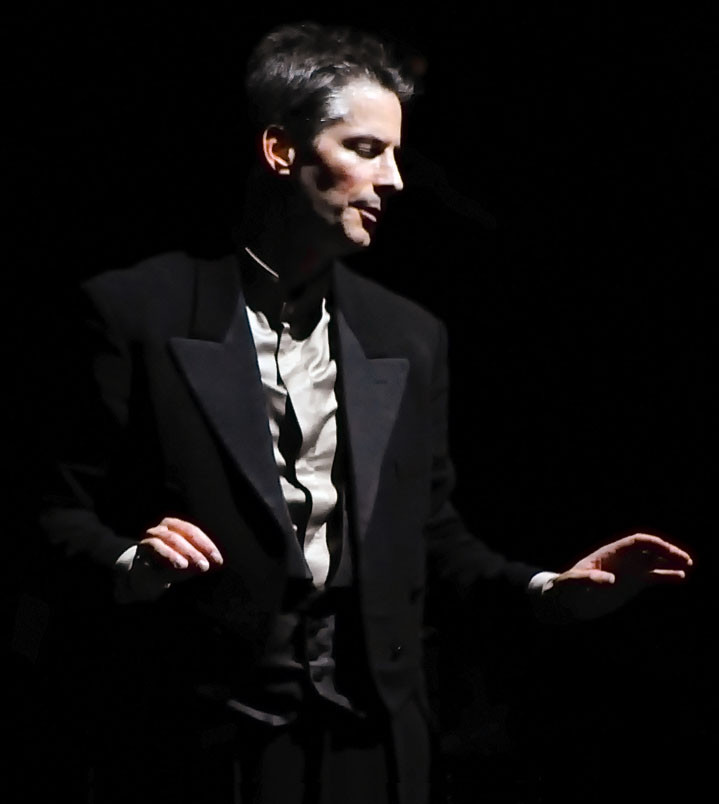
Steven Mercurio
Christmas Music
Opera
Villancico
2
/5
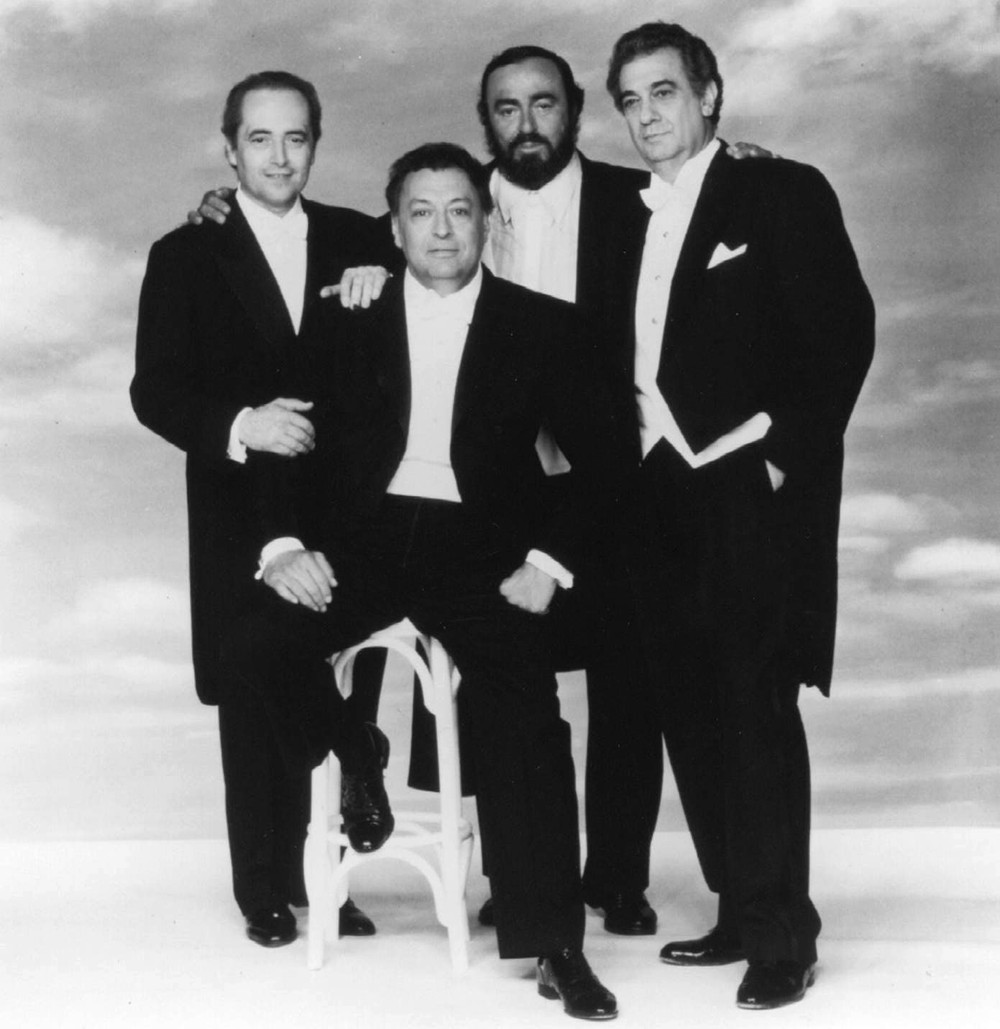
The Three Tenors
Christmas Music
Opera
Villancico
1
/5
Various Artists
Afro-Funk
Alternative Rock
Ambient
4
/5
Wolfgang Amadeus Mozart
Classical
Requiem
Classical Period
4
/5
Berliner Philharmoniker
Classical
Romantic Classical
Romanticism
4
/5
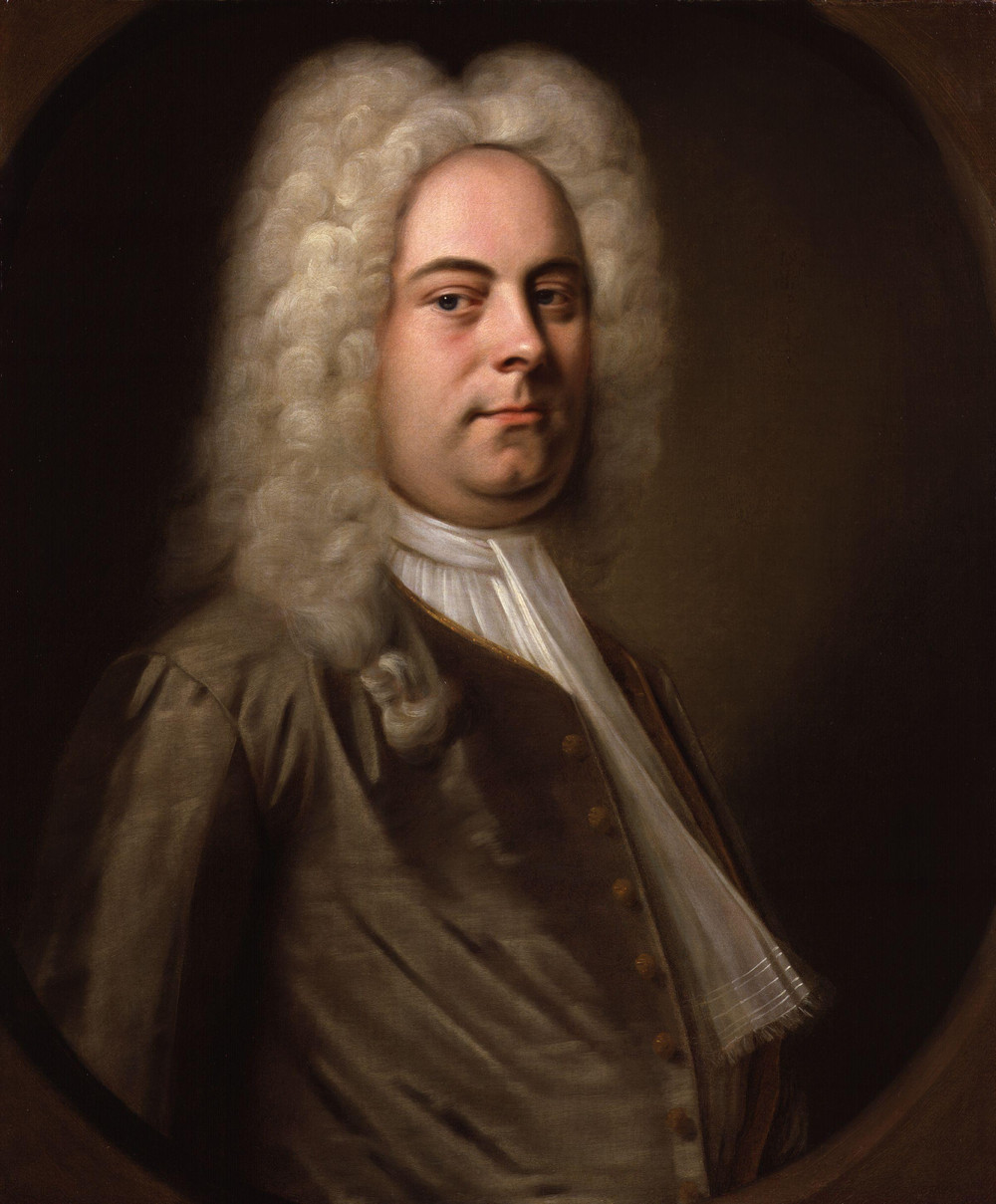
George Frideric Handel
Classical
Opera Seria
Baroque
4
/5
Traditional
Gregorian Chant
Spanish Classical Music
Medieval Classical Music
4
/5
José Feliciano
Bolero
Christmas Music
Flamenco Urbano
3
/5
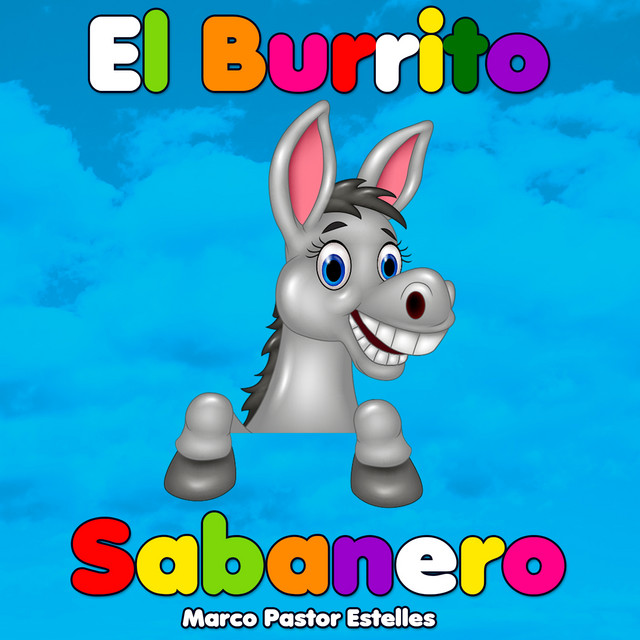
Marco Pastor Estelles
Christmas Music
Villancico
3
/5
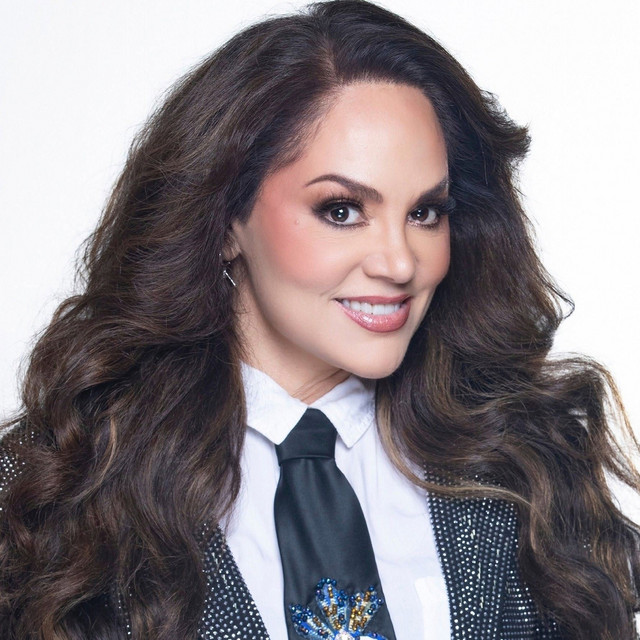
Tatiana
Children's Music
Christmas Music
Lullaby
Download our mobile app
Get the Melodigging app and start digging for new genres on the go
Download on the App Store
Get it on Google Play
© 2026 Melodigging
Give feedback
Legal
Melodding was created as a tribute to
Every Noise at Once
, which inspired us to help curious minds keep digging into music's ever-evolving genres.