Genres
Artists
Albums
Make Music
Sign in
Sign in
Artists
Philly Soul
Artists
Philly Soul
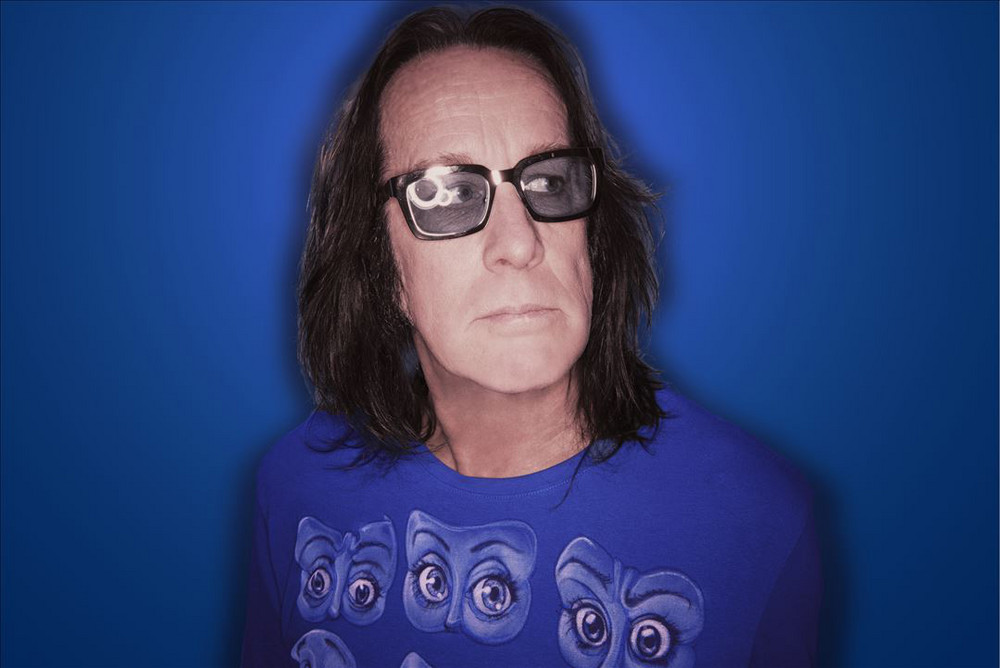
Todd Rundgren
1972–1997
·
2 albums
Listen
3
/5
Genres
Chill Pop
Chill pop is a contemporary pop micro‑genre that blends radio‑friendly songwriting with the mellow textures of chillout and lo‑fi aesthetics. It favors soft vocals, smooth synths, clean guitar plucks, understated bass, and relaxed, mid‑tempo grooves. Instead of big, bombastic hooks, chill pop tends toward intimate, conversational melodies and minimal, airy arrangements. Production often borrows from bedroom pop and alternative R&B—subtle trap hi‑hats, warm saturation, roomy reverbs, and gentle side‑chain compression—to create a breezy, pastel sound palette well suited to playlists and late‑night listening. Lyrically, chill pop is introspective and relatable: romance, longing, gentle optimism, and coming‑of‑age themes delivered in a plain‑spoken, whisper‑close tone. The result sits between indie pop’s understated cool and mainstream pop’s catchy structures, optimized for the streaming era’s mood‑driven consumption.
Discover
Listen
Chill Guitar
Chill guitar is a streaming-era microgenre centered on mellow, spacious guitarwork framed by unobtrusive production. It favors clean or lightly saturated electric tones and intimate acoustic textures, arranged to sit comfortably in the background without losing musical interest. Tracks are typically short, loop-friendly instrumentals designed for studying, reading, or relaxing. The mood leans warm and reflective: motifs unfold slowly, effects like reverb and delay create soft ambience, and harmonic movement stays consonant and diatonic. While rooted in guitar performance, it borrows the pocket and sound design of downtempo and lo‑fi hip hop—often adding gentle percussion, vinyl hiss, or subtle field noise to craft a lived‑in, calming feel.
Discover
Listen
Philly Soul
Philly soul (Philadelphia soul) is a lush, orchestrated strain of soul music defined by sweeping strings, punchy horns, tight rhythm sections, and silky vocal harmonies. It balances gospel-rooted emotion with pop polish and sophisticated arrangements, often featuring extended chords, modulations, and memorable hooks. Built around the production vision of Kenny Gamble, Leon Huff, and Thom Bell, the "Sound of Philadelphia" married socially conscious and romantic songwriting with studio precision at Sigma Sound Studios. The groove-forward rhythm sections, Latin-tinged percussion, and melodic basslines helped lay the groundwork for disco while retaining the warmth and humanity of classic soul.
Discover
Listen
Zolo
Zolo is a retrospective label for flamboyant, quirky, and tightly arranged pop/rock that fuses the nervy immediacy of New Wave with the intricate songcraft and rhythmic left‑turns of Progressive Rock—often performed with the manic, kinetic energy of Punk. The name "Zolo" was coined by radio DJ Terry Sharkie around 1989, and the concept was popularized to a wider audience via his live broadcast The Zany Zolo Musik Hour, which premiered on June 25, 1995. Although the tag emerged later, it gathers together late‑1970s and 1980s artists who favored herky‑jerky grooves, bright synths, stop‑start structures, theatrical vocals, and a cartoonish, art‑school sense of humor. Zolo tends to be hooky yet rhythmically tricky: upbeat, sing‑along melodies ride atop odd meters, jagged chord changes, and frequent dynamic shifts. The overall vibe is clever, colorful, and hyperactive—fun, but engineered with precision.
Discover
Listen
Power Pop
Power pop is a guitar-driven style that distills the melodic immediacy of 1960s British Invasion pop into concise, high-energy rock songs. It emphasizes big hooks, ringing guitars (often Rickenbacker-style jangle), tight vocal harmonies, and punchy, economical arrangements that typically run around three minutes. Lyrically, it leans toward youthful longing, romance, and bittersweet nostalgia, delivered with bright major-key progressions, chiming arpeggios, and sing-along choruses. Though Pete Townshend used the term in the late 1960s, the genre cohered in the early 1970s with bands like Badfinger, Big Star, and the Raspberries, and it has resurfaced repeatedly in waves through new wave, indie, and modern pop-punk contexts.
Discover
Listen
Yacht Rock
Yacht rock is a polished, jazz-tinged strain of late-1970s and early-1980s soft rock characterized by sophisticated chord changes, silky vocal harmonies, immaculate studio production, and a smooth, midtempo groove. It blends elements of blue-eyed soul, R&B, jazz fusion, and pop rock, often featuring electric piano (Fender Rhodes), clean chorus-laden guitars, saxophone leads, and glossy backing vocals. Lyrically, it tends toward romantic longing, aspirational lifestyles, and breezy coastal imagery—all delivered with understated cool.
Discover
Listen
Art Pop
Art pop is a strand of pop music that treats the pop song as a canvas for high-concept ideas, experimental techniques, and cross-media aesthetics. It marries accessible melodies and hooks with the visual culture of art schools, the conceptual rigor of the avant-garde, and the studio-as-instrument ethos. Sonically, art pop favors eclectic instrumentation (synths, orchestral timbres, guitars, found sounds), unusual song forms, and sophisticated harmony. It often employs collage, musique concrète–like textures, and theatrical vocal delivery while still keeping a pop-facing surface. Beyond sound, art pop is deeply visual and conceptual: albums are framed as coherent artworks, stagecraft and video are integral, and lyrics tend toward intertextuality, character work, irony, and social commentary. The result is pop that is both immediate and idea-driven.
Discover
Listen
Progressive Pop
Progressive pop is a fusion of pop music’s immediacy and hooks with the structural ambition, harmonic richness, and conceptual scope associated with progressive rock and art rock. It favors memorable choruses and radio-friendly melodies while incorporating expanded song forms, key changes, non-diatonic harmony, occasional odd meters, orchestral timbres, and studio experimentation. The result is music that feels accessible on the surface yet reveals layered arrangements, narrative or conceptual lyrics, and sophisticated production choices on closer listening.
Discover
Listen
Progressive Rock
Progressive rock is a rock subgenre that expands the genre’s formal, harmonic, and conceptual boundaries. It favors long-form compositions, intricate arrangements, and virtuosic musicianship, often drawing on Western classical, jazz, folk, and psychedelic idioms. Typical hallmarks include multi-part suites, shifting time signatures, extended instrumental passages, recurring motifs, and concept albums that present unified themes or narratives. The sound palette commonly features electric guitar, bass, and drums alongside an array of keyboards (Hammond organ, Mellotron, Moog/ARP synthesizers, piano), woodwinds or brass, and occasional orchestral additions. Lyrics often explore science fiction, mythology, philosophy, social commentary, and introspective themes.
Discover
Listen
Psychedelic Pop
Psychedelic pop is a 1960s-born fusion that marries the hook-driven immediacy of pop with the timbral color, studio experimentation, and altered-perception aesthetics of psychedelic music. It favors concise song forms and memorable melodies while introducing unusual sounds (sitar, Mellotron, harpsichord), tape effects (backmasking, varispeed, flanging), and surreal or whimsical imagery. Compared to psychedelic rock, it is brighter, more tuneful, and radio-friendly, often wrapping adventurous production techniques in singable choruses and lush vocal harmonies.
Discover
Listen
Experimental Rock
Experimental rock is a broad, exploratory branch of rock music that prioritizes innovation over convention. It stretches rock’s core instrumentation and song forms through unusual timbres, extended techniques, nonstandard tunings, chance procedures, and studio-as-instrument production. Drawing on avant-garde composition, free jazz, minimalism, and electronic/tape music, experimental rock often rejects verse–chorus structures in favor of drones, suites, collage, and improvisation. It embraces dissonance and noise as expressive tools, employs odd or fluid meters, and incorporates non-rock instruments, found sounds, and unconventional recording methods. The result is a lineage of music that treats rock not as a fixed style but as a laboratory for new sound worlds.
Discover
Listen
Singer-Songwriter
Singer-songwriter is a song-focused style in which the same person writes, composes, and performs their own material, often accompanying themselves on acoustic guitar or piano. It emphasizes personal voice, lyrical intimacy, and storytelling over elaborate production. Arrangements are typically sparse, allowing the melody, words, and performance nuance to carry the song’s emotional weight. While rooted in folk and blues traditions, singer-songwriter embraces pop and rock songcraft, producing works that can range from quiet confessional ballads to subtly orchestrated, radio-ready pieces.
Discover
Listen
Experimental
Experimental music is an umbrella term for practices that prioritize exploration, process, and discovery over adherence to established genre norms. It embraces new sound sources, nonstandard tuning systems, indeterminacy and chance operations, graphic and open-form scores, extended techniques, and technology-led sound design (tape, electronics, computers, and live processing). Rather than a single style, it is a methodology and ethos: testing hypotheses about sound, structure, and performance, often blurring boundaries between composition, improvisation, sound art, and performance art. Listeners can expect unfamiliar timbres, unusual forms, and an emphasis on how music is made as much as the resulting sound.
Discover
Listen
Rock
Rock is a broad family of popular music centered on amplified instruments, a strong backbeat, and song forms that foreground riffs, choruses, and anthemic hooks. Emerging from mid‑20th‑century American styles like rhythm & blues, country, and gospel-inflected rock and roll, rock quickly expanded in scope—absorbing folk, blues, and psychedelic ideas—while shaping global youth culture. Core sonic markers include electric guitar (often overdriven), electric bass, drum kit emphasizing beats 2 and 4, and emotive lead vocals. Rock songs commonly use verse–chorus structures, blues-derived harmony, and memorable melodic motifs, ranging from intimate ballads to high‑energy, stadium‑sized performances.
Discover
Listen
Show all 14 genres
Albums
1997
3
/5
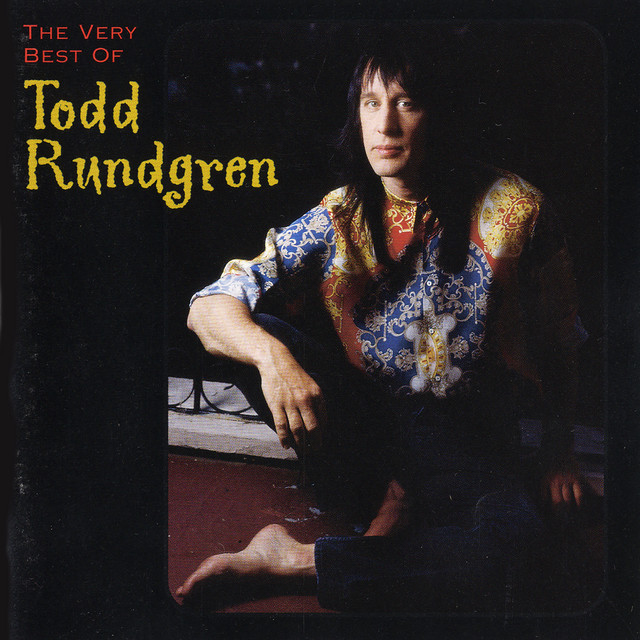
The Very Best of Todd Rundgren
Todd Rundgren
Philly Soul
Zolo
1972
3
/5
A Wizard / A True Star
Todd Rundgren
Progressive Pop
Psychedelic Pop
Art Pop
Similar artists
1
/5
Various Artists
Afro-Funk
Alternative Rock
Ambient
3
/5
Sparks
Zolo
Art Rock
Glam Rock
4
/5
Kate Bush
Art Rock
Art Pop
Baroque Pop
5
/5
Charli xcx
Hyperpop
Candy Pop
Art Pop
4
/5
Sufjan Stevens
Singer-Songwriter
Chamber Pop
Indie Rock
4
/5
Sheena Ringo
J-Pop
Art Pop
Rock
4
/5
Mili
Otacore
Anime
Art Pop
4
/5
Fiona Apple
Dark Pop
Art Pop
Piano Rock
3
/5
Stereolab
Experimental Rock
No Wave
Post-Rock
3
/5
Susumu Hirasawa
Art Pop
Anime
Downtempo
Download our mobile app
Get the Melodigging app and start digging for new genres on the go
Download on the App Store
Get it on Google Play
© 2026 Melodigging
Give feedback
Legal
Melodding was created as a tribute to
Every Noise at Once
, which inspired us to help curious minds keep digging into music's ever-evolving genres.