Genres
Artists
Albums
Make Music
Sign in
Sign in
Artists
Dark Pop
Artists
Dark Pop
Fiona Apple
1996–2025
·
6 albums
Listen
4
/5
Genres
Zoomergaze
Zoomergaze is a Gen Z, internet-native evolution of shoegaze that fuses the genre’s dense, guitar-washed textures with hyperpop/digicore maximalism and modern trap/emo-rap rhythm programming. It favors blown‑out saturation, brickwalled dynamics, digital clipping, and wide stereo fields, often pairing jet‑engine guitars with 808 subs, jittery hi‑hats, breakbeat flourishes, and intimate, lightly Auto‑Tuned vocals. The mood leans dreamy yet emotionally raw—nostalgic, melancholic, and diaristic—delivered through DIY production that thrives on Bandcamp, SoundCloud, and TikTok discovery. Where classic shoegaze hid the singer in the mix, Zoomergaze keeps the voice present and personal, weaving confessional hooks into shimmering noise and glitchy, internet-era sound design.
Discover
Listen
Rage
Rage is a high-energy, synth-forward trap production style characterized by bright, detuned supersaw leads, pounding 808s, and fast, looping drum patterns built for explosive rap performances. It emphasizes instant-impact hooks, minimal chord movement, and anthemic drops that feel closer to festival EDM crescendos than traditional hip hop breakdowns. The sound rose from the post–SoundCloud, punk-influenced branch of trap, drawing on the icy simplicity of Playboi Carti’s late-2010s palette and marrying it with trance/eurodance-styled leads and EDM trap dynamics. The result is a glossy, adrenalized bed for shouted, rebellious vocals—music designed for mosh pits, arena stages, and viral snippets alike.
Discover
Listen
Dark Pop
Dark pop is a moody, minor‑key strain of pop that blends the hooks and structure of mainstream pop with the shadowy timbres of dark wave, trip hop, and alternative electronic music. It favors intimate, close‑mic vocals, cinematic ambience, and lyrics that explore vulnerability, power, and the unsettling edges of modern life. Production often leans on sub‑bass, sparse trap‑influenced drums, and glossy yet ominous synths, creating a high‑contrast sound that feels both confessional and theatrical. While radio‑friendly in form, dark pop emphasizes tension over euphoria: melodies linger in lower registers, harmonies use modal mixture, and textures deploy reverb, distortion, and sound‑design flourishes to evoke unease and melancholy.
Discover
Listen
Lilith
Lilith is a mood-driven, internet-native microgenre that blends dark, feminine alternative pop with elements of trip hop, dream pop, witch house, and ethereal wave. It favors breathy or intimate vocals drenched in reverb, slow to mid-tempo grooves, spectral pads, and cinematic, minor-key harmonies that evoke occult, gothic, or mythic imagery. The overall sound is bass-forward yet gauzy: sub-heavy 808s or dusty breakbeats sit under shimmering guitars, distant choirs, and textural synths. Lyrically, Lilith leans into vulnerability, power, hauntings, and desire—frequently framed through confessional writing and ritual or nocturnal symbolism. It’s less a scene tied to a single city than a streaming-era aesthetic, cohering through playlists and social media communities.
Discover
Listen
Regalia
Regalia is a cinematic, orchestral-trap hybrid built around lush string sections, dreamy piano motifs, and other symphonic colors layered over modern trap percussion. The core contrast is between “regal” orchestration (wide, sweeping harmony and melodic scoring techniques) and hard-edged rhythmic programming (808 sub-bass, crisp snares/claps, rapid hi-hats, and impactful transitions). It is typically instrumental and soundtrack-adjacent, often designed for dramatic builds, trailers, highlight reels, or emotionally charged beats rather than verse–chorus pop structures.
Discover
Listen
Stomp And Holler
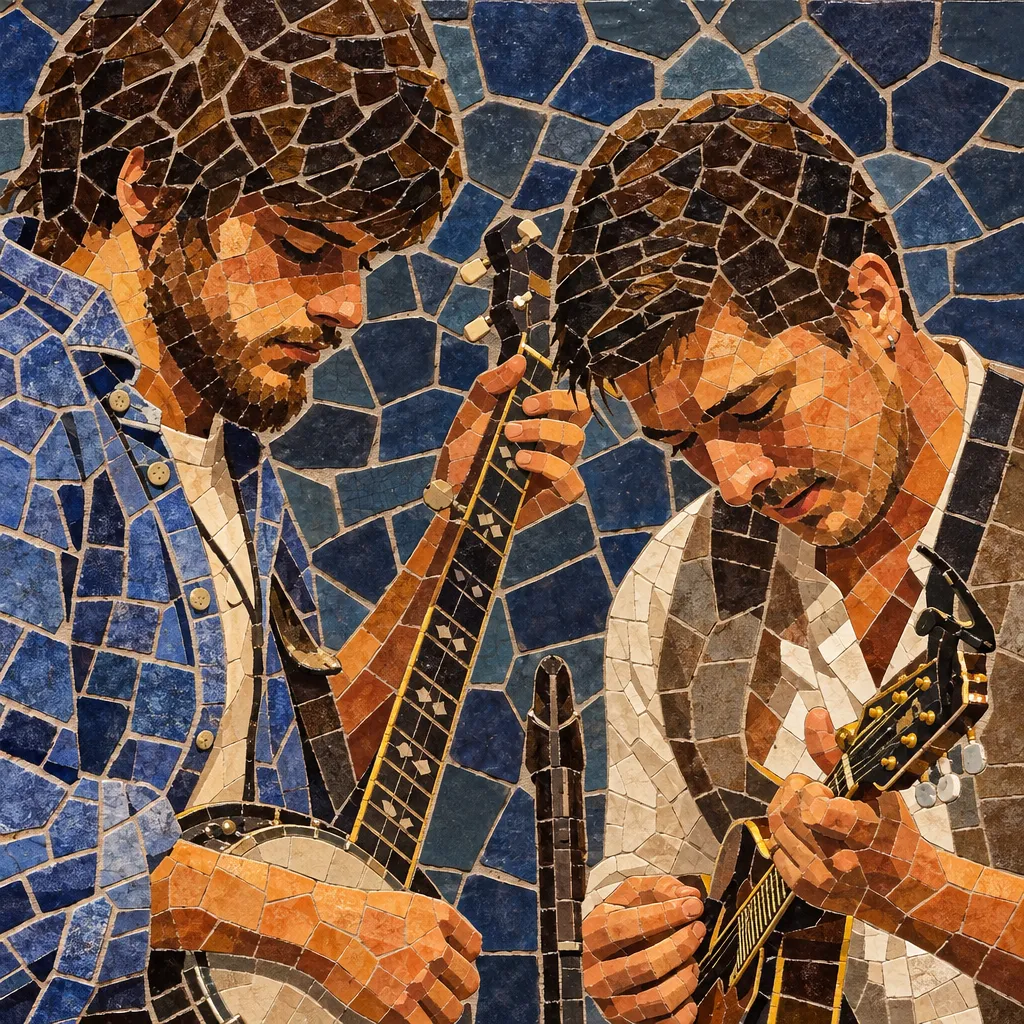
Stomp and holler is a modern folk/roots-leaning style marked by foot-stomping rhythms, handclaps, group vocal shouts, and anthemic, sing-along choruses. It blends the acoustic timbres of Americana and bluegrass with the immediacy of indie rock and pop songcraft. Typical arrangements feature acoustic guitar, banjo or mandolin, upright or floor-tom style percussion (often a kick-driven, four-on-the-floor pulse), and layered gang vocals that surge from hushed verses to cathartic, shoutable hooks. Harmonies are simple and diatonic, while lyrics favor earnest themes of resilience, community, travel, love, and self-discovery. The sound rose to mainstream prominence in the early 2010s through festival-ready bands whose performances emphasized communal energy—clapping, stomping, and call-and-response—bridging campfire intimacy and arena-scale uplift.
Discover
Listen
Windmill Scene
The Windmill scene refers to the cluster of experimental indie, post‑punk, and art‑rock bands that coalesced around The Windmill pub venue in Brixton, South London. Emerging in the late 2010s, the scene is characterized by knotty rhythms, angular guitars, spoken‑sung or declamatory vocals, and frequent use of saxophone, violin, and synths. Bands associated with the scene blend post‑punk urgency with avant‑prog ambition, no wave abrasion, and jazz-informed spontaneity, often favoring raw, live‑in‑the‑room production aesthetics. Lyrically, the scene leans toward sardonic social observation, surreal storytelling, and metropolitan anxiety, while performances emphasize high energy, improvisational turns, and dynamic contrasts.
Discover
Listen
Pov: Indie
"pov: indie" is a social-media-native microstyle built around short, cinematic indie-pop/indie-rock snippets designed to accompany a first-person (POV) narrative. Instead of being defined by a single new musical technique, it is defined by context: the music is chosen or written to feel like the soundtrack to a specific moment (a crush, a late-night walk, moving to a new city, seasonal nostalgia). Sonically it typically uses bright but soft guitars or synths, intimate vocals, simple memorable hooks, and production that reads clearly on phone speakers. The emotional tone is often wistful, tender, and “coming-of-age,” with lyrics that can be understood quickly in a 10–30 second clip.
Discover
Listen
Flint Sound
Flint sound is a contemporary Michigan rap style centered in Flint, United States. It is characterized by fast, minimal, piano- or organ-led beats, dry and upfront vocals, and bar-by-bar “punch‑in” delivery that often rides slightly ahead of or behind the grid for a conversational, off‑kilter feel. The production typically favors bright piano loops, staccato 808 slides, crisp claps or rimshots, and sparse percussion, leaving plenty of space for relentless punchlines, gritty street reportage, and mischievous humor. While hard-edged and streetwise, the style frequently leans into charismatic personality and wit, making it both aggressive and infectious for dancing.
Discover
Listen
Otacore
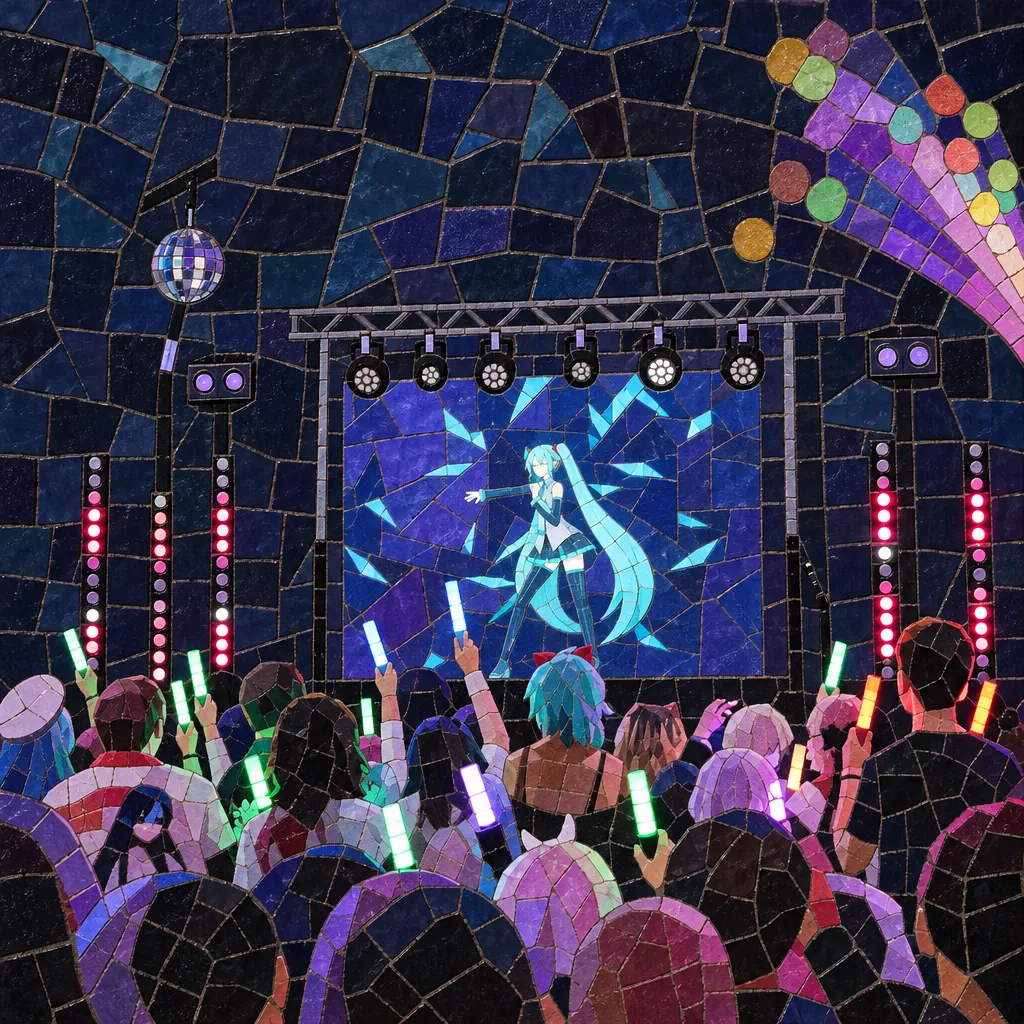
Otacore is a fan-driven, internet-native umbrella for music centered on anime, manga, gaming, and broader otaku culture. Rather than a single strict musical style, it describes a cluster of scenes where pop, electronic, rock, and rap intersect with anime aesthetics, story tropes, and character/fandom references. Typical otacore repertoires include Vocaloid productions, anisong-style pop/rock, high-energy EDM with kawaii sound design, nightcore-style edits, game-inspired chiptune flourishes, and cover cultures (English/Japanese) tied to anime and game franchises. Distribution and discovery are powered by platforms such as Nico Nico Douga, YouTube, SoundCloud, streaming playlists, and later TikTok, where memeability, fan videos (AMVs), and vtuber performances help songs spread globally.
Discover
Listen
Shimmer Pop
Shimmer pop is a glossy, hook-forward offshoot of indie pop that emphasizes bright, “glassy” textures and dreamy atmospheres. Its sound is defined by clean, chorus‑drenched guitars or twinkling synth arpeggios, lush pads, and wide, sparkling high‑end detail that gives the music a literal sense of shimmer. Production often merges retro new‑wave and synth‑pop colors with modern indietronica polish, pairing side‑chained synths and gated reverbs with crisp, contemporary drum programming. Melodies are unabashedly pop, while the lyrics frequently explore romantic longing, youthful nostalgia, and late‑night introspection. Tempos typically sit in the mid‑tempo range, with steady 4/4 grooves or lightly syncopated patterns that keep the music buoyant and danceable without becoming aggressive. The overall mood balances optimism and wistfulness, creating a sound that feels both neon‑bright and emotionally tender.
Discover
Listen
Chamber Pop
Chamber pop is a style of pop that integrates small-ensemble, orchestral colors—strings, woodwinds, brass, harp, and occasionally harpsichord—into intimate, melodically driven songwriting. It favors sophisticated harmony, counterpoint, and meticulous arrangements over rock bombast, drawing on the poise of classical chamber music and the tunefulness of classic pop. The result is lush yet restrained: gentle dynamics, carefully layered timbres, and literate, often reflective lyrics that foreground storytelling and mood.
Discover
Listen
Alternative Rock
Alternative rock is a broad umbrella for guitar-based rock that emerged from the independent and college-radio scenes as a counterpoint to mainstream, commercial rock. It blends the energy and ethos of punk with the textural and songwriting experiments of post-punk, new wave, jangle pop, and noise rock, often foregrounding introspective or socially aware lyrics. Across its many strains—from the melodic minimalism of college rock to the loud-quiet-loud dynamics of grunge and the artful experimentation of Radiohead-era modernism—alternative rock prioritizes authenticity, sonic individuality, and a do-it-yourself approach. Its sound ranges from chiming, chorus-laden clean guitars to abrasive distortion and feedback, supported by straightforward rock rhythms or off-kilter grooves, and production that can be either raw and live-sounding or polished yet unconventional.
Discover
Listen
Indie Rock
Indie rock is a subgenre of rock and a branch of alternative rock that coalesced in the early–mid 1980s around independent labels and DIY practices in the United Kingdom, the United States, and New Zealand. Defined less by a single sound than by an ethos, indie rock favors non‑mainstream approaches, self‑recording and small‑label distribution, and an interest in pop‑informed melody and eclectic experimentation. Hallmarks include jangly or fuzzed guitars, intimate or deadpan vocals, off‑kilter song structures, and production that often preserves a raw, “authentic” feel rather than glossy studio polish.
Discover
Listen
Alternative Pop
Alternative pop is a strand of pop music that keeps the melodic accessibility of mainstream pop while foregrounding unconventional songwriting, left‑field production, and an indie or art‑driven sensibility. It often blends acoustic and electronic timbres, juxtaposes intimate vocals with textural sound design, and favors mood, concept, and experimentation over radio‑formula structures. Hooks remain central, but they may sit within atypical forms, lo‑fi palettes, off‑kilter rhythms, or cinematic arrangements. Lyrically, alternative pop tends toward introspection, ambiguity, and subcultural reference points, addressing identity, technology, and contemporary alienation as frequently as classic pop themes like romance.
Discover
Listen
Piano Rock
Piano rock is a subgenre of rock in which the acoustic or electric piano is the primary lead instrument, often taking the role that electric guitar plays in most rock bands. It combines rock’s backbeat and energy with piano-centered songwriting, chordal grooves, and melodic hooks. The style ranges from high-energy, boogie-woogie–influenced rock and roll to lush, pop-leaning ballads and introspective singer‑songwriter material. Arrangements typically feature a rock rhythm section (drums and bass) supporting rhythmic left-hand figures and hook-driven right-hand motifs, with guitars and keyboards used as color rather than the central focus. Lyrically, piano rock often emphasizes storytelling, romance, nostalgia, and personal reflection, though anthemic and stadium-sized choruses are also common. Its sound world bridges the soulful harmonies of blues and gospel with the accessible craft of pop rock.
Discover
Listen
Soft Rock
Soft rock is a mellow, melody-forward strain of rock and pop that favors smooth vocals, polished production, and restrained dynamics over distortion and aggression. Built on acoustic and clean electric guitars, piano or electric piano (Rhodes), light rhythm sections, and lush backing vocals or strings, the style centers on memorable hooks and sentimental themes. Its lyrics often explore love, heartbreak, nostalgia, and introspection, delivered with warmth and clarity. Tempos are moderate, grooves are unobtrusive, and harmonies are diatonic with tasteful color (maj7, add9) and occasional key changes. Commercially, soft rock flourished on AM radio and adult contemporary playlists in the 1970s and early 1980s, shaping the sound of radio-friendly ballads and influencing later styles like yacht rock and modern adult contemporary.
Discover
Listen
Art Pop
Art pop is a strand of pop music that treats the pop song as a canvas for high-concept ideas, experimental techniques, and cross-media aesthetics. It marries accessible melodies and hooks with the visual culture of art schools, the conceptual rigor of the avant-garde, and the studio-as-instrument ethos. Sonically, art pop favors eclectic instrumentation (synths, orchestral timbres, guitars, found sounds), unusual song forms, and sophisticated harmony. It often employs collage, musique concrète–like textures, and theatrical vocal delivery while still keeping a pop-facing surface. Beyond sound, art pop is deeply visual and conceptual: albums are framed as coherent artworks, stagecraft and video are integral, and lyrics tend toward intertextuality, character work, irony, and social commentary. The result is pop that is both immediate and idea-driven.
Discover
Listen
Pop Rock
Pop rock blends the hook-focused immediacy of pop with the instrumentation and drive of rock. It prioritizes catchy melodies, concise song structures, and polished production while retaining guitars, bass, and drums as core elements. Typical pop rock tracks use verse–pre-chorus–chorus forms, strong vocal harmonies, and memorable riffs. The sound ranges from jangly and bright to mildly overdriven and arena-ready, aiming for radio-friendly appeal without abandoning rock’s rhythmic punch.
Discover
Listen
Art Rock
Art rock is a branch of rock music that treats the studio and the album as spaces for artistic experimentation, emphasizing conceptual ideas, ambitious arrangements, and cross-pollination with modernist and avant-garde traditions. It typically favors extended song forms, thematic or conceptual unity, and non-standard instrumentation (strings, woodwinds, synthesizers) alongside rock’s core band setup. Lyrically, it leans toward literary, surreal, or philosophical subjects and often adopts theatrical presentation. Where mainstream rock centers on immediacy and hooks, art rock embraces risk: unusual time signatures, timbral exploration, complex harmony, tape and electronic manipulation, and interludes that draw from classical, jazz, minimalism, and experimental music.
Discover
Listen
Progressive Pop
Progressive pop is a fusion of pop music’s immediacy and hooks with the structural ambition, harmonic richness, and conceptual scope associated with progressive rock and art rock. It favors memorable choruses and radio-friendly melodies while incorporating expanded song forms, key changes, non-diatonic harmony, occasional odd meters, orchestral timbres, and studio experimentation. The result is music that feels accessible on the surface yet reveals layered arrangements, narrative or conceptual lyrics, and sophisticated production choices on closer listening.
Discover
Listen
Baroque Pop
Baroque pop is a mid‑1960s fusion of contemporary pop/rock songwriting with the timbres, textures, and contrapuntal techniques of Baroque and broader European classical music. It is marked by harpsichord and piano doubling, string quartets or small orchestras, woodwinds (oboe, recorder, bassoon), French horn and piccolo trumpet colors, and melody‑forward arrangements that favor counter‑melodies and suspensions over riff‑based accompaniment. Harmonies tend to be richer than standard rock, with chromatic voice‑leading, circle‑of‑fifths motion, deceptive cadences, and occasional modulations. Production is usually lush and reverberant, supporting reflective, often nostalgic or romantic lyrics. Although it overlaps with orchestral pop and psychedelic pop, baroque pop is distinguished by its chamber‑scale instrumentation, Baroque idioms (basso continuo feel, ornamented lines), and the way classical elements are woven into compact pop song forms.
Discover
Listen
Rock
Rock is a broad family of popular music centered on amplified instruments, a strong backbeat, and song forms that foreground riffs, choruses, and anthemic hooks. Emerging from mid‑20th‑century American styles like rhythm & blues, country, and gospel-inflected rock and roll, rock quickly expanded in scope—absorbing folk, blues, and psychedelic ideas—while shaping global youth culture. Core sonic markers include electric guitar (often overdriven), electric bass, drum kit emphasizing beats 2 and 4, and emotive lead vocals. Rock songs commonly use verse–chorus structures, blues-derived harmony, and memorable melodic motifs, ranging from intimate ballads to high‑energy, stadium‑sized performances.
Discover
Listen
Pop
Pop is a broad, hook-driven style of popular music designed for wide appeal. It emphasizes memorable melodies, concise song structures, polished vocals, and production intended for radio, charts, and mass media. While pop continually absorbs elements from other styles, its core remains singable choruses, accessible harmonies, and rhythmic clarity. Typical forms include verse–pre-chorus–chorus, frequent use of bridges and middle-eights, and ear-catching intros and outros. Pop is not defined by a single instrumentation. It flexibly incorporates acoustic and electric instruments, drum machines, synthesizers, and increasingly digital production techniques, always in service of the song and the hook.
Discover
Listen
Show all 24 genres
Albums
2025
2
/5
Heart of Gold
Fiona Apple
Dark Pop
2020
4
/5
Fetch the Bolt Cutters
Fiona Apple
Progressive Pop
Art Pop
Dark Pop
2012
3
/5
The Idler Wheel Is Wiser Than the Driver of the Screw and Whipping Cords Will Serve You More Than Ropes Will Ever Do
Fiona Apple
Art Pop
Dark Pop
Alternative Rock
2005
3
/5
Extraordinary Machine
Fiona Apple
Piano Rock
Dark Pop
Indie Rock
1999
4
/5
When the Pawn
Fiona Apple
Piano Rock
Dark Pop
Lilith
1996
4
/5
Tidal
Fiona Apple
Piano Rock
Dark Pop
Lilith
Similar artists
1
/5
Various Artists
Afro-Funk
Alternative Rock
Ambient
5
/5
Mitski
Rock
Indie Rock
Alternative Rock
4
/5
Randy Newman
Piano Rock
Pop
Rock
5
/5
Twenty One Pilots
Modern Rock
Rock
Indie Pop
4
/5
Sufjan Stevens
Singer-Songwriter
Chamber Pop
Indie Rock
5
/5
League of Legends
Blues Rock
Chamber Pop
Modern Blues
4
/5
Arcane
Dark Pop
Nu-Metalcore
Chamber Pop
4
/5
Kate Bush
Art Rock
Art Pop
Baroque Pop
3
/5
Stereolab
Experimental Rock
No Wave
Post-Rock
5
/5
Lana Del Rey
Art Pop
Pop
Alternative Pop
Download our mobile app
Get the Melodigging app and start digging for new genres on the go
Download on the App Store
Get it on Google Play
© 2026 Melodigging
Give feedback
Legal
Melodding was created as a tribute to
Every Noise at Once
, which inspired us to help curious minds keep digging into music's ever-evolving genres.