Genres
Artists
Albums
Make Music
Sign in
Sign in
Artists
Zolo
Artists
Zolo
Sparks
1974–2025
·
9 albums
Listen
3
/5
Genres
Chill Pop
Chill pop is a contemporary pop micro‑genre that blends radio‑friendly songwriting with the mellow textures of chillout and lo‑fi aesthetics. It favors soft vocals, smooth synths, clean guitar plucks, understated bass, and relaxed, mid‑tempo grooves. Instead of big, bombastic hooks, chill pop tends toward intimate, conversational melodies and minimal, airy arrangements. Production often borrows from bedroom pop and alternative R&B—subtle trap hi‑hats, warm saturation, roomy reverbs, and gentle side‑chain compression—to create a breezy, pastel sound palette well suited to playlists and late‑night listening. Lyrically, chill pop is introspective and relatable: romance, longing, gentle optimism, and coming‑of‑age themes delivered in a plain‑spoken, whisper‑close tone. The result sits between indie pop’s understated cool and mainstream pop’s catchy structures, optimized for the streaming era’s mood‑driven consumption.
Discover
Listen
Gamecore
Gamecore is an internet-native electronic microgenre that fuses the timbres, melodies, and narrative tropes of classic and modern video game music with contemporary EDM songcraft. Its palette leans heavily on chiptune waveforms (square, triangle, noise), retro console/arcade sound effects, and leitmotif-style hooks, but frames them within club-forward rhythms and sound design drawn from electro house, future bass, glitch hop, dubstep, and drum & bass. The result is a bright, kinetic, and often nostalgic sound that feels like a “boss battle” drop or a euphoric level clear. Scenes and labels tied to VGM remix culture, doujin circles, and demoscene aesthetics helped codify the style, while streamers, esports content, and indie game culture amplified its reach.
Discover
Listen
Shimmer Psych
Shimmer psych is a contemporary strand of neo‑psychedelia that pairs sparkling, chorus‑washed guitars and gauzy vocal harmonies with dreamy pop songcraft. It emphasizes high‑end "shimmer," tape‑soft saturation, hypnagogic textures, and melodic hooks, sitting between dream pop, jangle pop, and classic psychedelic rock. Typical tracks are mid‑tempo, built on warm bass lines, gentle motorik or laid‑back breakbeats, and drenched in reverb, phaser, and delay. The result is sun‑bleached, nostalgic, and kaleidoscopic rather than heavy or jam‑oriented.
Discover
Listen
Edm
EDM (Electronic Dance Music) refers to the mainstream, festival-oriented wave of electronic dance styles that rose to global prominence in the early 2010s. It emphasizes high-energy drops, ear-catching toplines, and crowd-pleasing arrangements designed for large stages and mass audiences. Musically, EDM typically sits around 124–130 BPM with a strong four-on-the-floor kick, wide supersaw leads, bright plucks, and heavily sidechained pads and basses for a pumping feel. Tracks are structured around tension-and-release: intros and builds lead to explosive drops, followed by breakdowns that rebuild energy. Vocals and pop-style songwriting frequently appear, enabling crossover success on radio and streaming platforms.
Discover
Listen
Chill Breakcore
Chill breakcore is a micro-style that softens the jagged edges of classic breakcore with lush ambience, dreamy pads, and emotive melodies. It retains the genre’s telltale chopped Amen breaks, granular edits, and breakneck rhythmic vocabulary, but tempers them with downtempo moods, lo‑fi textures, and vaporous sound design. Producers often work at drum-and-bass or breakcore tempos (typically 150–175 BPM) while shaping the overall feel to be intimate, melancholic, and relaxed—sometimes even half‑time—so the beats feel intricate but weightless. The result sits somewhere between atmospheric jungle, IDM, and vaporwave: breakbeats that shimmer instead of bludgeon, and harmony that leans nostalgic rather than abrasive.
Discover
Listen
Popwave
Popwave is a song‑forward branch of synthwave that fuses glossy 1980s pop aesthetics with contemporary electronic production. Where classic synthwave often favors instrumental, cinematic moods, popwave puts vocals and hooks at the center: big choruses, radio‑ready structures, and emotive lyrics about youth, night drives, neon‑lit romance, and bittersweet nostalgia. Sonically it leans on analog‑styled polysynths, driving eighth‑note basslines, gated‑reverb drums, shimmering guitars, and frequent sax or lead‑guitar cameos—yet it’s mixed and mastered to modern pop standards. The result is a style that feels simultaneously retro and current: the color and optimism of 80s chart pop, filtered through the songwriting discipline of today’s electropop and the sound design DNA of synthwave.
Discover
Listen
Chamber Pop
Chamber pop is a style of pop that integrates small-ensemble, orchestral colors—strings, woodwinds, brass, harp, and occasionally harpsichord—into intimate, melodically driven songwriting. It favors sophisticated harmony, counterpoint, and meticulous arrangements over rock bombast, drawing on the poise of classical chamber music and the tunefulness of classic pop. The result is lush yet restrained: gentle dynamics, carefully layered timbres, and literate, often reflective lyrics that foreground storytelling and mood.
Discover
Listen
Classical Crossover
Classical crossover blends elements of Western classical music with popular styles to create accessible, cinematic, and vocally forward repertoire. It typically keeps classical vocal technique or orchestral timbres while adopting pop song structures, contemporary production, and ear‑catching hooks. Arrangements often feature lush strings, piano, and choir, with dramatic dynamic arcs and key changes. Repertoire may include pop-influenced originals, classical themes with new lyrics, and reinterpretations of opera arias or film melodies, frequently sung in English, Italian, or Latin. The genre is designed for broad appeal without abandoning the polish and gravitas of classical performance, bridging concert hall aesthetics and mainstream listening contexts.
Discover
Listen
Zolo
Zolo is a retrospective label for flamboyant, quirky, and tightly arranged pop/rock that fuses the nervy immediacy of New Wave with the intricate songcraft and rhythmic left‑turns of Progressive Rock—often performed with the manic, kinetic energy of Punk. The name "Zolo" was coined by radio DJ Terry Sharkie around 1989, and the concept was popularized to a wider audience via his live broadcast The Zany Zolo Musik Hour, which premiered on June 25, 1995. Although the tag emerged later, it gathers together late‑1970s and 1980s artists who favored herky‑jerky grooves, bright synths, stop‑start structures, theatrical vocals, and a cartoonish, art‑school sense of humor. Zolo tends to be hooky yet rhythmically tricky: upbeat, sing‑along melodies ride atop odd meters, jagged chord changes, and frequent dynamic shifts. The overall vibe is clever, colorful, and hyperactive—fun, but engineered with precision.
Discover
Listen
Glam Rock
Glam rock is a style of rock music that emerged in the early 1970s, defined as much by its flamboyant image and theatricality as by its sound. Artists embraced androgynous fashion, glitter, makeup, platform boots, and bold stage personas, using spectacle to amplify simple, catchy, riff-driven songs. Musically, glam rock fuses the drive of 1950s rock and roll with hard rock crunch, bubblegum pop hooks, and a sense of artful provocation. Songs often feature stomping, chant-ready rhythms, big choruses, guitar riffs, handclaps, and shout-along refrains. Lyrically, it leans into themes of fantasy, fame, gender play, street romance, and campy drama, blurring the line between pop accessibility and avant-garde performance.
Discover
Listen
New Wave
New wave is a broad, pop-oriented umbrella for styles that emerged in the mid-to-late 1970s as a sleeker, more melodic outgrowth of punk culture. Initially, the term varied by region: in the United States it was first used by critics and labels (famously Sire Records’ “Don’t Call It Punk” campaign in 1977) to rebrand punk-associated artists with more radio-friendly aesthetics; in the United Kingdom it encompassed a wider constellation of fresh, stylish post-punk-era sounds. Over time, “new wave” became a catch‑all for hooky guitar pop, synth-driven songs, danceable rhythms, and modernist production sensibilities. Sonically, it blends tight, upbeat rhythms (often disco- and reggae-informed), clean chorus/flanger guitars, prominent synthesizers, and concise, hook-led songwriting. Its visual identity—sharp suits, futurist imagery, and fashion-forward presentation—was integral, aligning with the rise of music television and emphasizing art-school wit, irony, and modern urban themes.
Discover
Listen
Synth-Pop
Synth-pop is a pop-oriented style that foregrounds the synthesizer as its primary instrument, often paired with drum machines and sequencers. It favors clean, melodic hooks, concise song structures, and a sleek, modernist sound that ranges from cool and minimal to lush and romantic. Emerging at the turn of the 1980s from the UK new wave and post-punk scenes, synth-pop leveraged affordable analog and then digital keyboards to bring electronic textures into the mainstream. Its sonic palette includes arpeggiated basslines, shimmering pads, bright leads, gated or machine-driven drums, and polished vocals that convey both futuristic detachment and emotional immediacy.
Discover
Listen
Dance
Dance (as a broad, mainstream club- and radio-oriented style) is pop-leaning music designed primarily for dancing, characterized by steady, driving beats, catchy hooks, and production that translates well to nightclubs and large sound systems. It emerged after disco, blending four-on-the-floor rhythms with electronic instrumentation and pop songwriting, and it continually absorbs elements from house, techno, Hi-NRG, synth-pop, and later EDM. Tempos commonly fall between 110–130 BPM, vocals often emphasize memorable choruses, and arrangements are structured for both club mixing and mass appeal.
Discover
Listen
Disco
Disco is a dance-music genre and nightlife subculture that crystallized in the United States during the 1970s, drawing especially from African-American, Italian-American, Latino, and queer club communities. Musically, disco is typified by a steady four-on-the-floor kick drum, syncopated and melodic electric-bass lines, lush string sections, bright brass and horns, electric pianos and synthesizers, and percussive, choppy rhythm guitars. Arrangements often feature orchestral colors, handclaps, congas, and vibraphone or bell textures, all engineered to deliver a continuous, groove-forward experience for the dance floor. The style combines the rich orchestration and romantic sweep of Philadelphia soul with the bottom-end drive of funk and the songcraft of contemporary R&B/pop, delivered in DJ-friendly extended mixes and 12-inch singles designed for club play.
Discover
Listen
Electro-Disco
Electro-disco is a late-1970s strand of disco that foregrounds electronic instruments—sequenced synthesizers, drum machines, and vocoders—over traditional rhythm sections. It typically features a steady four-on-the-floor kick, arpeggiated or step-sequenced basslines, lush string or pad textures, and futurist or space-themed aesthetics. Tempos usually sit between 115–128 BPM, with extended arrangements designed for DJs. Pioneered in European studios (especially Munich), the sound’s clean, machine-like pulse and repetitive motifs bridged classic disco with the coming era of synth-pop, Hi-NRG, house, and techno.
Discover
Listen
Art Rock
Art rock is a branch of rock music that treats the studio and the album as spaces for artistic experimentation, emphasizing conceptual ideas, ambitious arrangements, and cross-pollination with modernist and avant-garde traditions. It typically favors extended song forms, thematic or conceptual unity, and non-standard instrumentation (strings, woodwinds, synthesizers) alongside rock’s core band setup. Lyrically, it leans toward literary, surreal, or philosophical subjects and often adopts theatrical presentation. Where mainstream rock centers on immediacy and hooks, art rock embraces risk: unusual time signatures, timbral exploration, complex harmony, tape and electronic manipulation, and interludes that draw from classical, jazz, minimalism, and experimental music.
Discover
Listen
Art Pop
Art pop is a strand of pop music that treats the pop song as a canvas for high-concept ideas, experimental techniques, and cross-media aesthetics. It marries accessible melodies and hooks with the visual culture of art schools, the conceptual rigor of the avant-garde, and the studio-as-instrument ethos. Sonically, art pop favors eclectic instrumentation (synths, orchestral timbres, guitars, found sounds), unusual song forms, and sophisticated harmony. It often employs collage, musique concrète–like textures, and theatrical vocal delivery while still keeping a pop-facing surface. Beyond sound, art pop is deeply visual and conceptual: albums are framed as coherent artworks, stagecraft and video are integral, and lyrics tend toward intertextuality, character work, irony, and social commentary. The result is pop that is both immediate and idea-driven.
Discover
Listen
Baroque Pop
Baroque pop is a mid‑1960s fusion of contemporary pop/rock songwriting with the timbres, textures, and contrapuntal techniques of Baroque and broader European classical music. It is marked by harpsichord and piano doubling, string quartets or small orchestras, woodwinds (oboe, recorder, bassoon), French horn and piccolo trumpet colors, and melody‑forward arrangements that favor counter‑melodies and suspensions over riff‑based accompaniment. Harmonies tend to be richer than standard rock, with chromatic voice‑leading, circle‑of‑fifths motion, deceptive cadences, and occasional modulations. Production is usually lush and reverberant, supporting reflective, often nostalgic or romantic lyrics. Although it overlaps with orchestral pop and psychedelic pop, baroque pop is distinguished by its chamber‑scale instrumentation, Baroque idioms (basso continuo feel, ornamented lines), and the way classical elements are woven into compact pop song forms.
Discover
Listen
Pop Rock
Pop rock blends the hook-focused immediacy of pop with the instrumentation and drive of rock. It prioritizes catchy melodies, concise song structures, and polished production while retaining guitars, bass, and drums as core elements. Typical pop rock tracks use verse–pre-chorus–chorus forms, strong vocal harmonies, and memorable riffs. The sound ranges from jangly and bright to mildly overdriven and arena-ready, aiming for radio-friendly appeal without abandoning rock’s rhythmic punch.
Discover
Listen
Symphonic Rock
Symphonic rock is a style of rock that integrates orchestral instrumentation, classical forms, and large‑scale arrangements into the core sound of a rock band. Typical timbres include strings, brass, woodwinds, choir, mellotron, Hammond organ, piano, and analog synthesizers supporting guitars, bass, and drums. The genre emphasizes grand, cinematic dynamics, thematic development, and harmonic richness drawn from Western classical music, while retaining the energy and songcraft of rock. It often overlaps with progressive rock, but places a particular focus on lush orchestration, romantic melodicism, and overtly symphonic textures—ranging from studio overdubs and mellotron layers to fully scored collaborations with symphony orchestras.
Discover
Listen
Pop
Pop is a broad, hook-driven style of popular music designed for wide appeal. It emphasizes memorable melodies, concise song structures, polished vocals, and production intended for radio, charts, and mass media. While pop continually absorbs elements from other styles, its core remains singable choruses, accessible harmonies, and rhythmic clarity. Typical forms include verse–pre-chorus–chorus, frequent use of bridges and middle-eights, and ear-catching intros and outros. Pop is not defined by a single instrumentation. It flexibly incorporates acoustic and electric instruments, drum machines, synthesizers, and increasingly digital production techniques, always in service of the song and the hook.
Discover
Listen
Rock
Rock is a broad family of popular music centered on amplified instruments, a strong backbeat, and song forms that foreground riffs, choruses, and anthemic hooks. Emerging from mid‑20th‑century American styles like rhythm & blues, country, and gospel-inflected rock and roll, rock quickly expanded in scope—absorbing folk, blues, and psychedelic ideas—while shaping global youth culture. Core sonic markers include electric guitar (often overdriven), electric bass, drum kit emphasizing beats 2 and 4, and emotive lead vocals. Rock songs commonly use verse–chorus structures, blues-derived harmony, and memorable melodic motifs, ranging from intimate ballads to high‑energy, stadium‑sized performances.
Discover
Listen
Radio Drama
Radio drama is a scripted, voice-acted narrative form created specifically for listening, using dialogue, narration, music, and sound effects to tell stories without visuals. It grew out of theatrical and literary traditions but adapted them for the intimate, imaginative space of radio, where pacing, voice performance, and sonic world-building replace sets and camera work. Episodes range from short sketches to multi-part serials and full-length plays, spanning genres such as mystery, horror, comedy, romance, science fiction, and historical drama.
Discover
Listen
Show all 23 genres
Albums
2025
1
/5
Porcupine
Sparks
Zolo
New Wave
Pop
2025
1
/5
My Devotion
Sparks
Zolo
2025
1
/5
Do Things My Own Way
Sparks
Zolo
2009
1
/5
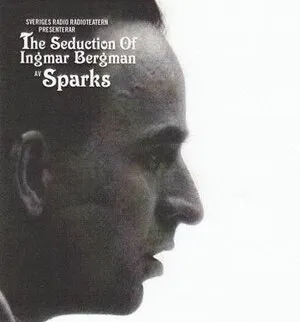
The Seduction of Ingmar Bergman
Sparks
Radio Drama
Classical Crossover
2006
1
/5
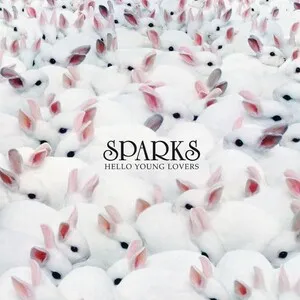
Hello Young Lovers
Sparks
Symphonic Rock
2002
1
/5
Lil' Beethoven
Sparks
Chamber Pop
Art Rock
Baroque Pop
1979
3
/5
№ 1 in Heaven
Sparks
Electro-Disco
Disco
Edm
1974
2
/5
Propaganda
Sparks
Glam Rock
Art Rock
Pop Rock
1974
1
/5
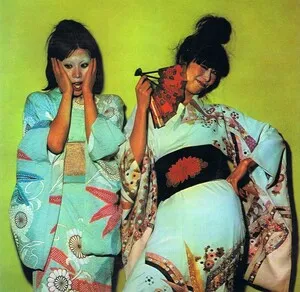
Kimono My House
Sparks
Glam Rock
Similar artists
1
/5
Various Artists
Afro-Funk
Alternative Rock
Ambient
5
/5
David Bowie
Art Rock
Rock
Glam Rock
4
/5
The Stranglers
Pub Rock
New Wave
Proto-Punk
4
/5
Electric Light Orchestra
Art Rock
Rock
Symphonic Rock
4
/5
Roxy Music
Art Rock
Glam Rock
Sophisti-Pop
4
/5
Talk Talk
New Wave
Synth-Pop
Sophisti-Pop
4
/5
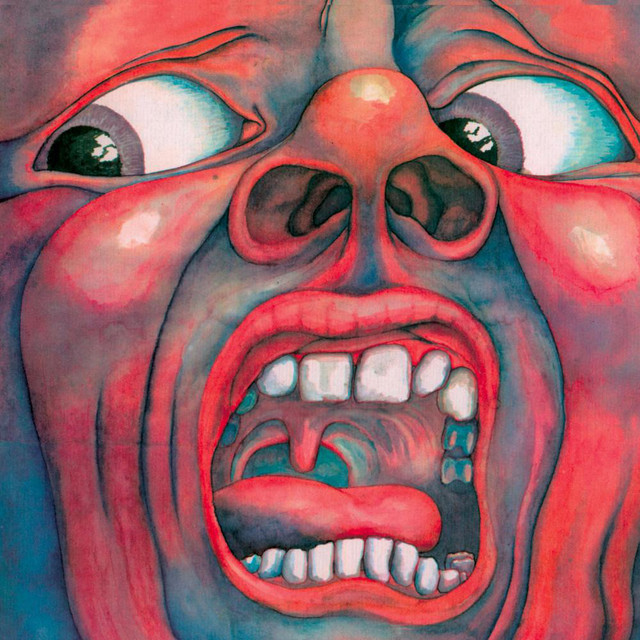
King Crimson
Art Rock
Jazz Rock
Progressive Rock
3
/5
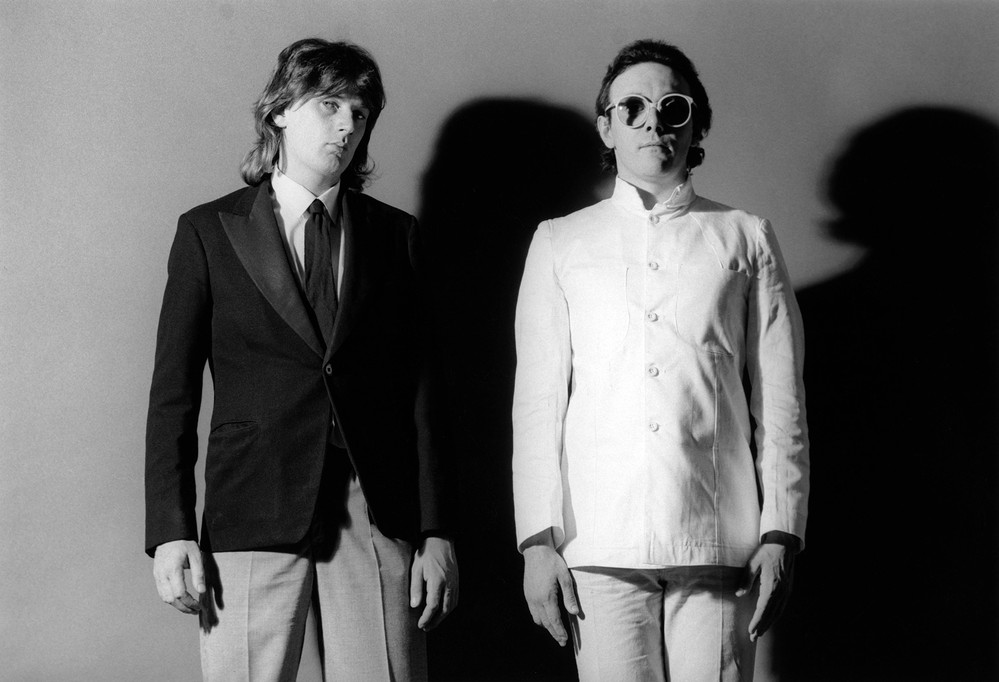
The Buggles
Zolo
Chill Pop
Shimmer Psych
3
/5
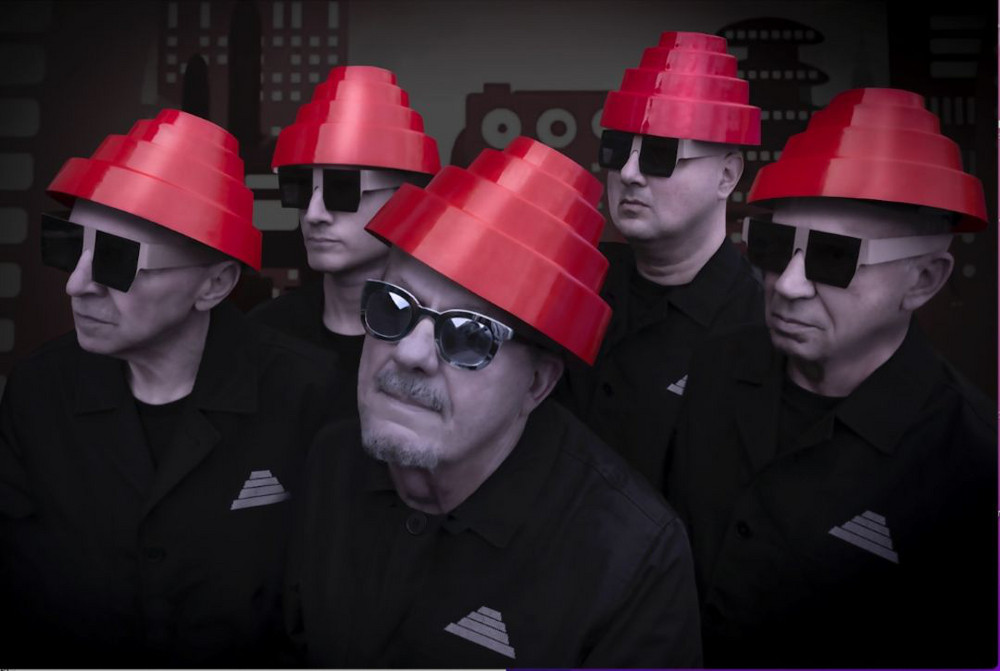
DEVO
Synth Punk
Art Punk
New Wave
3
/5
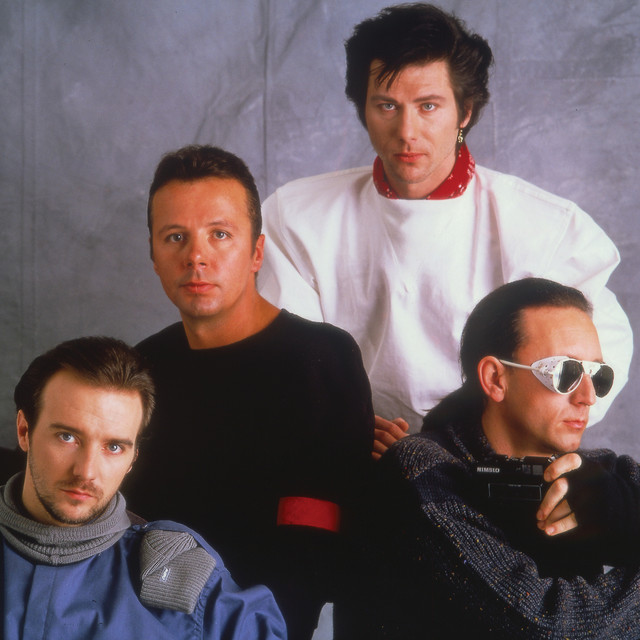
Ultravox
Synth-Pop
New Romantic
New Pop
Download our mobile app
Get the Melodigging app and start digging for new genres on the go
Download on the App Store
Get it on Google Play
© 2026 Melodigging
Give feedback
Legal
Melodding was created as a tribute to
Every Noise at Once
, which inspired us to help curious minds keep digging into music's ever-evolving genres.