Genres
Artists
Albums
Make Music
Sign in
Sign in
Artists
Classical
Artists
Classical
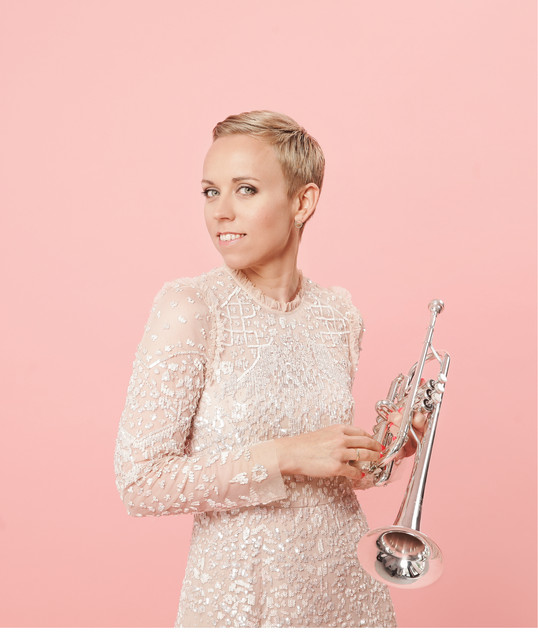
Tine Thing Helseth
2007
·
1 album
Listen
2
/5
Genres
Beats
Beats is a loose, producer-driven category for rhythm-forward instrumentals built around hip‑hop drum patterns without necessarily being rap songs or featuring vocals. It functions as an umbrella for stock, "type," and backing tracks used by rappers, singers, streamers, and content creators, spanning boom‑bap swing to trap hi‑hat grids and R&B‑leaning grooves. On streaming platforms it often appears as standalone instrumentals packaged by tempo, mood, or artist style (e.g., “trap type beat,” “R&B instrumental,” “club beat”), prioritizing portability and utility over artist identity. While rooted in hip‑hop production aesthetics—kicks, snares, 808s, chopped samples—Beats blends downtempo, electronic, and contemporary R&B sensibilities, aiming for clarity, loopability, and immediate vibe.
Discover
Listen
Early Romantic Era
The Early Romantic era in Western art music marks the first decades of the 19th century when composers began to push beyond Classical restraint toward heightened personal expression, vivid musical storytelling, and new harmonic color. Characteristic features include singing, memorable melodies; richer harmonic palettes with modal mixture, chromatic inflection, and bold mediant shifts; flexible forms that privilege expressive arc over strict symmetry; and expanding orchestral colors, especially in winds and brass. New poetic, picturesque, or literary ideas often shape musical form (especially in songs and overtures), and virtuosity rises to the foreground in solo piano and violin music. Genres such as the Lied, character piece for piano, and Romantic opera take definitive shape in this period, while symphony and concerto adopt a more dramatic, narrative impulse.
Discover
Listen
Classical Trumpet
Classical trumpet refers to the tradition of trumpet performance and repertoire within Western art music, spanning from the Baroque clarino style on natural trumpets to modern works for valved C and B♭ trumpets and piccolo trumpet. It emphasizes brilliance, clarity of articulation, and a singing, vocal approach to melody. Core contexts include concertos, sonatas, orchestral and chamber parts, and liturgical or ceremonial fanfares. The idiom draws on historically informed performance for early music and on the full palette of modern techniques, mutes, and extended colors in contemporary works.
Discover
Listen
Bohemian Baroque
Bohemian Baroque refers to Baroque-era music cultivated in the historical lands of Bohemia and Moravia (today the Czech Republic). It flourished in courts, cathedral chapels, Jesuit colleges, and pilgrimage churches during the 17th and early 18th centuries. Stylistically, it blends Italianate concertato writing and the stylus phantasticus with the contrapuntal rigor of Central Europe. It emphasizes basso continuo, expressive rhetoric, chromatic inflection, and brilliant writing for strings and natural trumpets, while also preserving a rich vernacular hymn tradition (kancionál) in Czech. The repertoire spans masses, litanies, motets, sonatas, sacred cantatas, and devotional songs, ranging from monumental polychoral works to intimate pieces for voice and continuo. Its sound world is at once ceremonial and devotional, often marked by festive trumpets for feast days and poignant chromaticism in penitential movements.
Discover
Listen
Classical
Classical music is the notated art-music tradition of Europe and its global descendants, characterized by durable forms, carefully codified harmony and counterpoint, and a literate score-based practice. The term “classical” can refer broadly to the entire Western art-music lineage from the Medieval era to today, not just the Classical period (c. 1750s–1820s). It privileges long-form structures (such as symphonies, sonatas, concertos, masses, and operas), functional or modal harmony, thematic development, and timbral nuance across ensembles ranging from solo instruments to full orchestras and choirs. Across centuries, the style evolved from chant and modal polyphony to tonal harmony, and later to post-tonal idioms, while maintaining a shared emphasis on written notation, performance practice, and craft.
Discover
Listen
Albums
2007
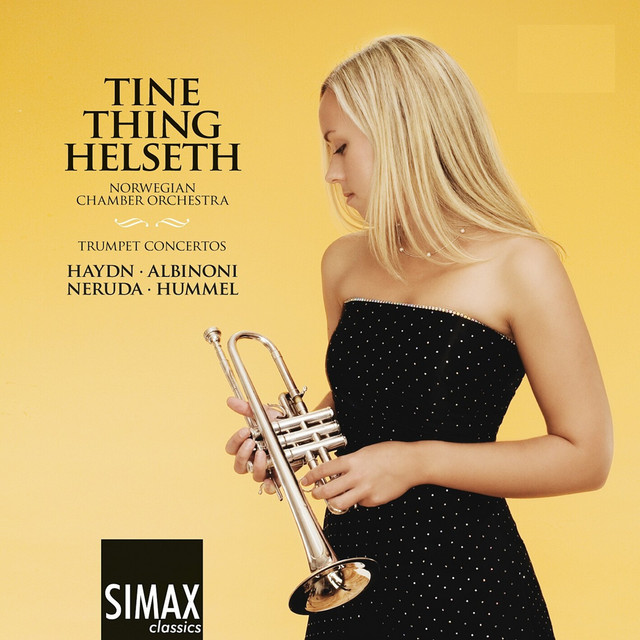
Trumpet Concertos
Tine Thing Helseth
Bohemian Baroque
Classical Trumpet
Early Romantic Era
Similar artists
5
/5
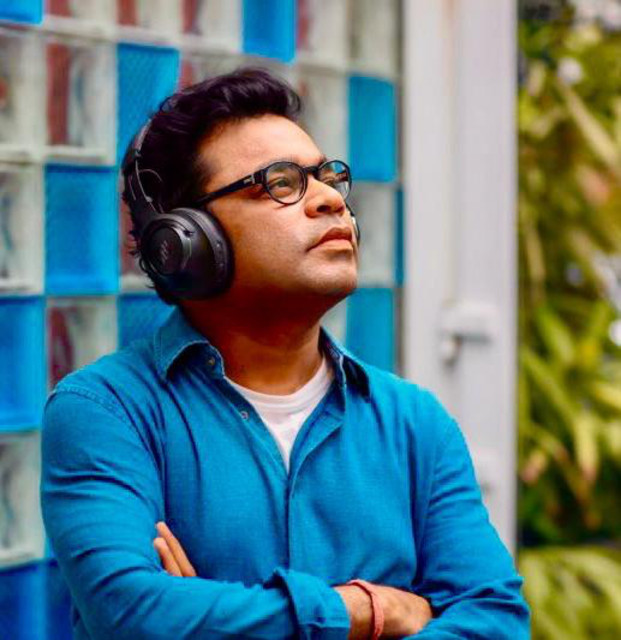
A.R. Rahman
Bollywood
Filmi
Sufi
5
/5
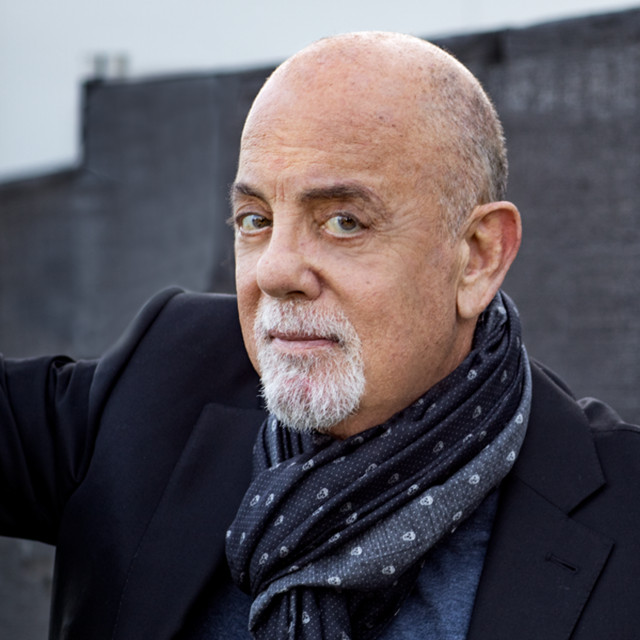
Billy Joel
Piano Rock
Pop Rock
Pop
5
/5
Hans Zimmer
Country Dawn
Soundtrack
Classical
4
/5
Frank Sinatra
Big Band
Jazz
Swing
4
/5
Ludovico Einaudi
Classical
Contemporary Classical
Compositional Ambient
4
/5
Johann Sebastian Bach
Baroque
Classical
Baroque Suite
4
/5
Wolfgang Amadeus Mozart
Classical
Requiem
Classical Period
4
/5
Max Richter
Post-Minimalism
Classical
Contemporary Classical
4
/5
London Symphony Orchestra
Classical
Ballet
Concerto
4
/5
Berliner Philharmoniker
Classical
Symphony
Romantic Classical
Download our mobile app
Get the Melodigging app and start digging for new genres on the go
Download on the App Store
Get it on Google Play
© 2026 Melodigging
Give feedback
Legal
Melodding was created as a tribute to
Every Noise at Once
, which inspired us to help curious minds keep digging into music's ever-evolving genres.