Genres
Artists
Albums
Make Music
Sign in
Sign in
Artists
Classical
Artists
Classical
The Philadelphia Orchestra
1992–2002
·
2 albums
Listen
4
/5
Genres
Deep Soundtrack
Deep soundtrack is a modern, cinematic substyle that emphasizes low, immersive textures, slow-moving harmony, and spacious ambience over bombast. It sits at the intersection of ambient music, post-classical scoring, and contemporary film/TV/game underscore, favoring drones, soft pulses, and intimate instruments (piano, strings, analog synths) treated with generous space and subtle sound design. Rather than foregrounding memorable themes or trailer-scale crescendos, deep soundtrack cultivates mood: tense, melancholic, or quietly hopeful. It is designed to sit under narrative, visuals, or concentration—music that breathes, evolves slowly, and suggests emotion without overwhelming it.
Discover
Listen
Pet Calming
Pet calming is a functional micro‑genre designed to reduce stress and arousal in companion animals—primarily dogs and cats—during triggering situations such as owner absence, fireworks, vet visits, thunderstorms, or travel. Musically it favors very slow tempos, sparse arrangements, soft timbres (piano, pads, gentle strings, warm guitars), long sustains, smooth envelopes, and stable, consonant harmonies. Dynamics are kept narrow and transients are tamed to avoid startle responses. Many releases add gentle environmental ambiences (rain, ocean, rustling leaves) or unobtrusive pink/white‑noise beds to mask external sounds. Structures are highly repetitive with gradual variation so the soundscape feels predictable and safe. While aimed at non‑human listeners, the genre is informed by animal‑behavior findings (e.g., predictable low‑arousal sound reduces stress) and by human relaxation idioms (ambient, new age, lullaby). It is commonly delivered as long‑form, streaming‑friendly content that owners can loop for hours.
Discover
Listen
Doble Paso
Doble paso is a high‑tempo reggaetón variant characterized by running the classic dembow groove at double speed, creating a frenetic, hard‑hitting feel aimed squarely at the dance floor. Compared with standard reggaetón drum patterns (typically around 90–100 BPM), doble paso accelerates the same rhythmic skeleton to roughly 120–140 BPM, often accompanying a club dance of the same name. Producers keep the core syncopation and low‑end punch of reggaetón while tightening hi‑hats, adding denser percussion fills, and favoring short, chant‑like hooks that match the breathless pace. The result is intense, perreo‑ready energy that bridges classic reggaetón, Dominican dembow’s urgency, and club‑forward editing trends.
Discover
Listen
Moscow School
The Moscow School is a classical performance tradition centered on the Moscow Conservatory and its satellite institutions, renowned especially for its pianism. It is characterized by a singing tone, long-breathed phrasing, structural clarity, and rigorous technique coupled with emotional depth. Although best known for piano, the approach extends to chamber music and orchestral playing: careful voicing, architectural control of large forms, expressive but disciplined rubato, and a rich dynamic palette. Its practitioners balance fidelity to the score with a cultivated cantabile line and a deep, often elegiac lyricism associated with the Russian late-Romantic aesthetic.
Discover
Listen
Romantic Classical
Romantic classical (Romantic-era) music is the 19th‑century phase of Western art music in which expression, individuality, and imagination came to the fore. Composers expanded the orchestra, embraced chromatic harmony and bold modulations, and favored long‑breathed, emotive melodies. Aligned with the wider Romantic movement in literature and the arts, it prized the subjective—love, nature, the supernatural, nationalism, and the sublime—often through programmatic narratives. New and transformed genres (the symphonic poem, grand opera, the art song/Lied, concert overtures) coexisted with reimagined Classical forms (symphony, sonata, concerto) that grew in scale and harmonic daring. From ca. 1800 through the early 20th century, Romantic music stretched from Beethoven’s heroic style and Schubert’s lyricism to Wagner’s leitmotivic dramas and Tchaikovsky’s symphonic ballet-infused language, culminating in late-Romantic gigantism and post-Romantic continuations.
Discover
Listen
Romanticism
Romanticism in music is a 19th‑century movement that prioritizes individual expression, emotional intensity, and evocative storytelling over the balanced clarity of the Classical era. It expands harmony with richer chromaticism and distant modulations, stretches forms (longer developments, cyclic structures), and favors flexible tempo (rubato) and extreme dynamics. Orchestras grow in size and color (tuba, piccolo, contrabassoon, harp, expanded brass and percussion), while the piano becomes a primary vehicle for intimate expression and virtuoso display. Key genres include the art song (Lied), character piece, symphony and symphonic poem, and grand opera with leitmotifs. Program music—works that narrate scenes, poems, or ideas—stands alongside absolute music, both suffused with heightened subjectivity, nature imagery, nationalism, and the sublime.
Discover
Listen
Concerto
A concerto is a large-scale composition that sets one or more solo instruments in dynamic dialogue with an orchestra. Its core idea is contrast—between soloist and tutti—and the dramatic negotiation of power, color, and thematic responsibility. While Baroque concertos often relied on ritornello form, the Classical era standardized a three-movement plan (fast–slow–fast) with sonata principles in the opening movement. The Romantic period emphasized virtuosity and expressive foregrounding of the soloist, and the 20th–21st centuries broadened the palette with new instruments, harmonies, and formats. Across eras, the concerto remains a showcase for instrumental character, technical brilliance, and the art of orchestral conversation.
Discover
Listen
Classical Performance
Classical performance refers to the interpretive tradition of presenting Western classical repertoire in concert and studio settings. Rather than defining a compositional style, it describes how ensembles and soloists realize written scores through technique, tone, phrasing, and stylistic choices across eras from Baroque to contemporary. It centers on fidelity to the score and historically informed practice, while allowing space for interpretive nuance such as tempo flexibility, articulation, and dynamic shading. Typical forces include soloists, chamber groups, choirs, and orchestras performing in acoustically resonant venues or purpose-built studios, captured by production teams specialized in naturalistic sound.
Discover
Listen
Ballet
Ballet (as a musical genre) refers to orchestral music written to accompany choreographed dance on stage. It prioritizes clear tempi, strongly articulated rhythms, and memorable leitmotifs to support narrative, character, and movement. While rooted in court entertainment, ballet music evolved into a sophisticated, self-sufficient concert art: many ballets yield popular orchestral suites that are performed independently. Typical numbers include adagios, variations, codas, divertissements, character dances, and large ensemble scenes that mirror the dramatic arc of the choreography. Stylistically, ballet spans Baroque courtly idioms, Classical clarity, Romantic lyricism, and 20th‑century modernism and neoclassicism. It is predominantly instrumental (full orchestra), but can occasionally include choral or vocal parts when dramaturgy requires it.
Discover
Listen
Orchestral
Orchestral music refers to compositions written for an orchestra—a large ensemble typically built around a string section (violins, violas, cellos, double basses), complemented by woodwinds, brass, percussion, and often harp, keyboard, or other auxiliary instruments. A conductor coordinates the ensemble, shaping balance, phrasing, and expression. The style emphasizes coloristic timbre combinations, dynamic range from the softest pianissimo to explosive tuttis, and textures that can shift seamlessly between transparent chamber-like writing and monumental masses of sound. Orchestral writing underpins concert genres such as symphonies, overtures, and tone poems, as well as opera, ballet, and modern film and game scores. While orchestral writing evolved across centuries, its core craft centers on melody, counterpoint, harmony, register, and orchestration—the art of assigning musical ideas to instruments to achieve clarity, contrast, and narrative impact.
Discover
Listen
Classical
Classical music is the notated art-music tradition of Europe and its global descendants, characterized by durable forms, carefully codified harmony and counterpoint, and a literate score-based practice. The term “classical” can refer broadly to the entire Western art-music lineage from the Medieval era to today, not just the Classical period (c. 1750s–1820s). It privileges long-form structures (such as symphonies, sonatas, concertos, masses, and operas), functional or modal harmony, thematic development, and timbral nuance across ensembles ranging from solo instruments to full orchestras and choirs. Across centuries, the style evolved from chant and modal polyphony to tonal harmony, and later to post-tonal idioms, while maintaining a shared emphasis on written notation, performance practice, and craft.
Discover
Listen
Show all 11 genres
Albums
2002
1
/5
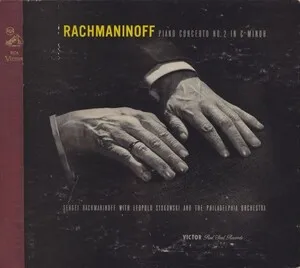
Piano Concerto No. 2 in C minor
Sergey Rakhmaninov Сергей Рахманинов
Moscow School
Concerto
Romantic Classical
1992
1
/5
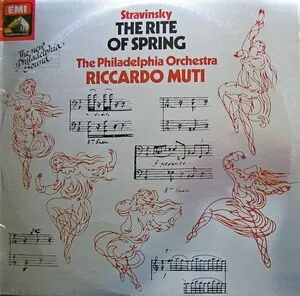
The Rite of Spring
Igor Stravinsky / The Philadelphia Orchestra / Riccardo Muti
Ballet
Classical
Similar artists
4
/5
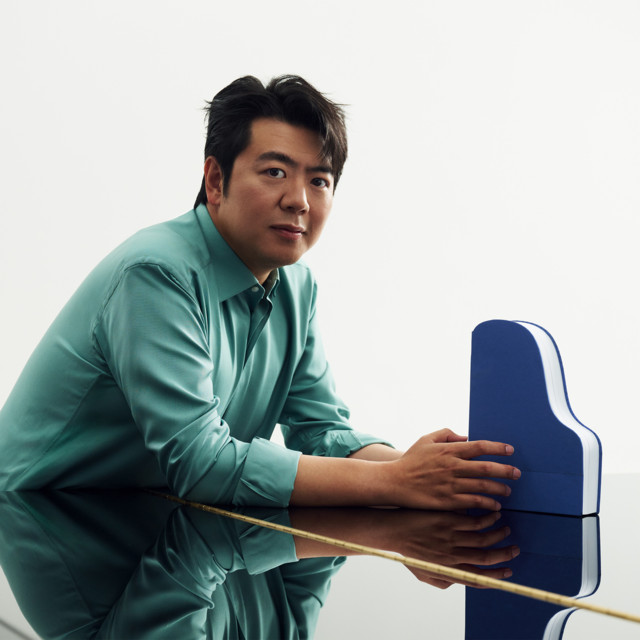
Lang Lang
Chinese Classical Performance
Classical Performance
Classical
4
/5
London Symphony Orchestra
Classical
Ballet
Concerto
4
/5
Berliner Philharmoniker
Classical
Romantic Classical
Romanticism
4
/5
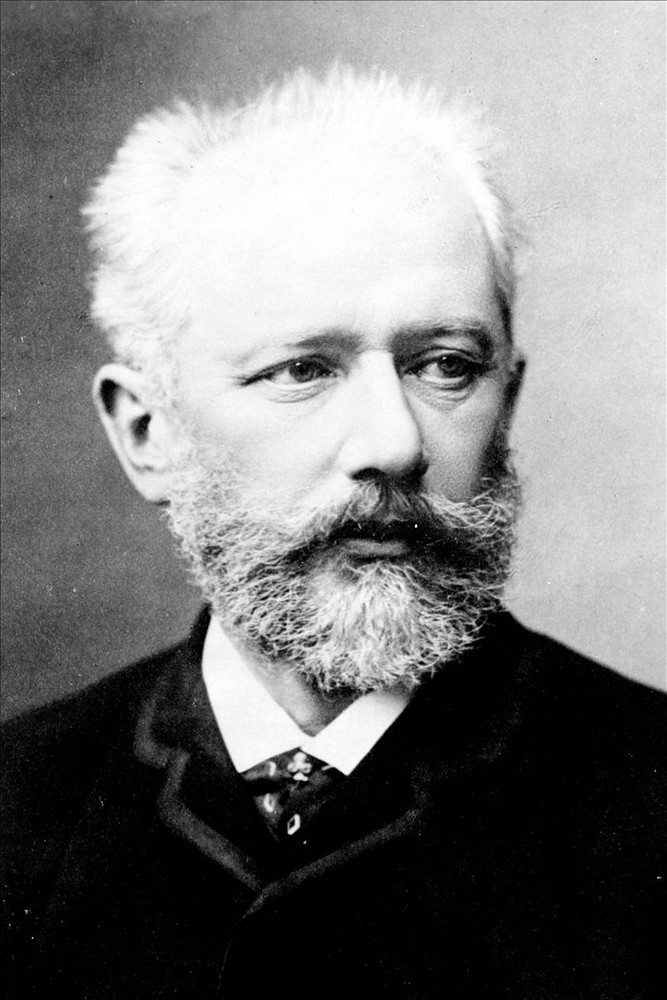
Pyotr Ilyich Tchaikovsky
Classical
Moscow School
Ballet
4
/5
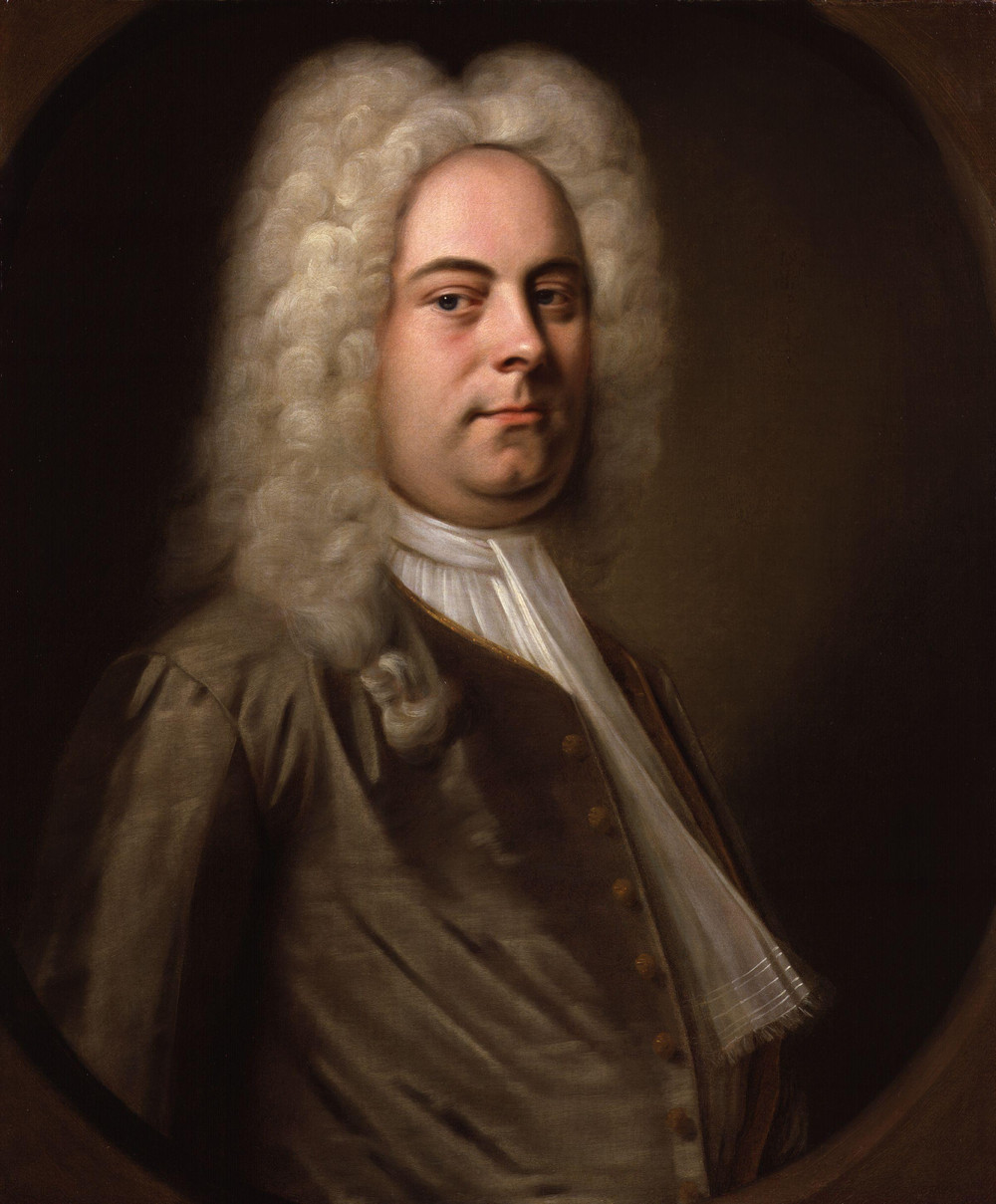
George Frideric Handel
Classical
Opera Seria
Baroque
4
/5
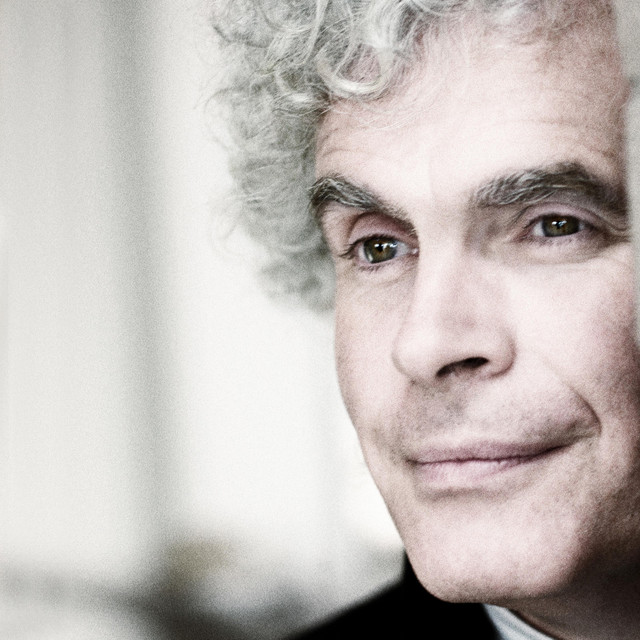
Sir Simon Rattle
Classical
Deep Soundtrack
Orchestral
4
/5
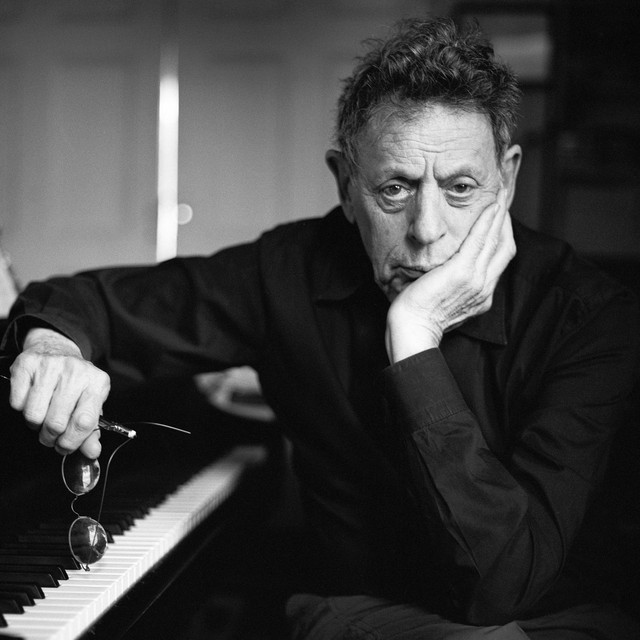
Philip Glass
Classical
Minimalism
Modern Classical
4
/5
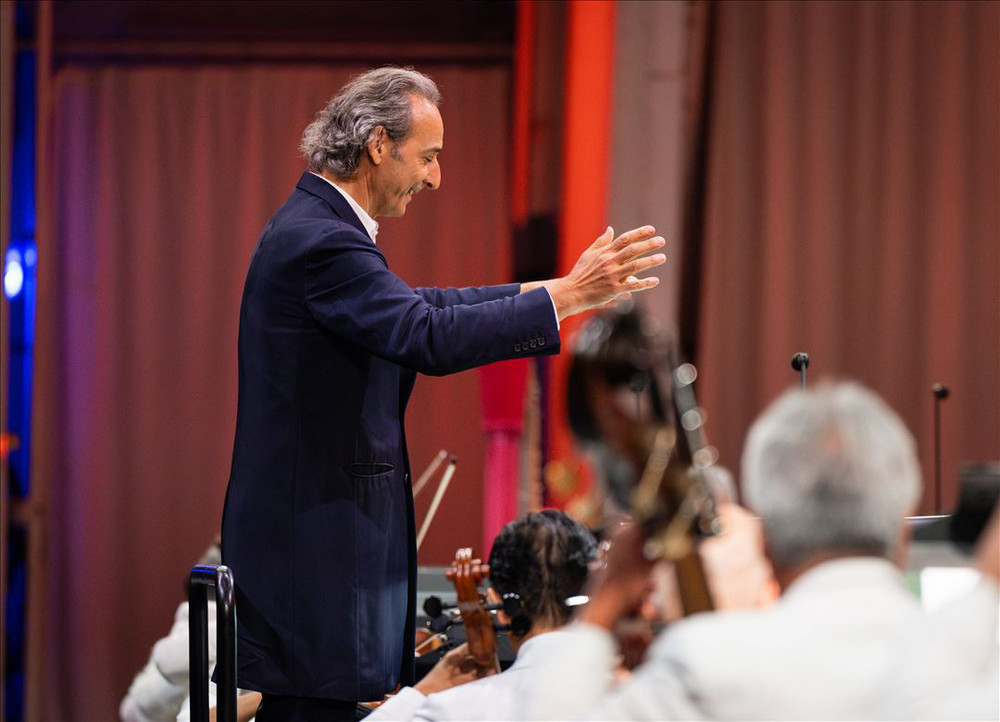
Alexandre Desplat
Deep Soundtrack
Flint Sound
Pet Calming
5
/5
Hans Zimmer
Country Dawn
Soundtrack
Classical
4
/5
Frédéric Chopin
Classical
Character Piece
Nocturne
Download our mobile app
Get the Melodigging app and start digging for new genres on the go
Download on the App Store
Get it on Google Play
© 2026 Melodigging
Give feedback
Legal
Melodding was created as a tribute to
Every Noise at Once
, which inspired us to help curious minds keep digging into music's ever-evolving genres.