Genres
Artists
Albums
Make Music
Sign in
Sign in
Artists
Ska Punk
Artists
Ska Punk
Sublime
1991–2025
·
6 albums
Listen
4
/5
Genres
Grunge Revival
Grunge revival is a 21st‑century return to the gritty guitar tones, loud‑quiet‑loud dynamics, and confessional angst of late‑1980s/1990s grunge, reinterpreted by younger bands raised on streaming and DIY scenes. Where classic grunge fused punk urgency with Sabbath‑weight riffing and alternative rock hooks, grunge revival keeps the fuzzy, drop‑tuned power‑chord churn, slack‑jawed melodicism, and cathartic screams, but updates production (clearer lows, tighter drums) and broadens the palette with indie rock, shoegaze, and noise‑rock textures. Lyrics commonly tackle alienation, anxiety, small‑town ennui, and digital‑age overload, often through vivid everyday imagery. The result is music that feels both nostalgic and current: hooky but heavy, raw yet crafted, and emotionally direct.
Discover
Listen
Indie Shoegaze
Indie shoegaze is a modern fusion of indie rock songcraft with the texture-heavy aesthetics of classic shoegaze. It keeps the haze: washed-out guitars drenched in reverb and delay, breathy or buried vocals, and a strong emphasis on atmosphere. Unlike the denser, sometimes overwhelming walls of sound in late-’80s/early-’90s shoegaze, indie shoegaze tends to prize clearer hooks, jangly patterns, and compact song forms. The result is a gauzy, melodic sound that feels intimate and contemporary while still dreamily saturated.
Discover
Listen
Nu-Metalcore
Nu‑metalcore (often nicknamed "nu‑core") blends the bounce, hip‑hop inflections, and downtuned groove of late‑1990s nu metal with the breakdown‑heavy aggression and precise syncopation of 2000s metalcore. Expect sharply gated, low‑tuned riffs, halftime drops, and elastic grooves that swing between punchy chugs and percussive, djent‑like accents. Vocals typically jump from harsh screams and pitched‑down growls to rap‑leaning cadences and hooky, melodic choruses. Electronic textures—turntable cuts, glitch edits, sub‑drops, and 808 layers—are common, supporting a glossy yet crushing modern production aesthetic. Lyrically, the style carries nu metal’s confessional angst and social frustration while adopting metalcore’s cathartic intensity and mosh‑centric energy. The result is a contemporary, club‑ready heaviness that feels both nostalgic and forward‑looking.
Discover
Listen
Rap Metalcore
Rap metalcore is a hybrid style that fuses the rhythmic, lyrical flow of hip hop with the high-gain guitars, breakdowns, and screamed/sung hooks of metalcore. Compared to 1990s rap metal and nu metal, it keeps metalcore’s tighter, modern low-tuned riffing, double-time drumming, and cathartic breakdown structures, while foregrounding MC-style verses, rhyme schemes, and hip‑hop cadences. Production often blends live drums with programmed elements (808 subs, trap hats) and layers percussive, djent-leaning guitar chugs under rapped verses, then explodes into screamed or anthemic sung choruses. Lyrical themes span personal struggle, social commentary, resilience, and identity, delivered with a mix of rap’s directness and metalcore’s emotive intensity.
Discover
Listen
Spacegrunge
Spacegrunge is a modern hybrid that fuses the serrated, riff‑driven power of 1990s grunge with the expansive ambience of space rock and the hazy textures of shoegaze. It typically features heavy, detuned guitars wrapped in delay, reverb, and chorus; muscular, driving basslines; and roomy, mid‑tempo drums that swing between soft‑loud dynamics and tidal crescendos. Vocals often sit slightly submerged in the mix, conveying themes of cosmic isolation, nostalgia, and interior reflection. While rooted in alt‑rock songcraft, spacegrunge widens the sonic field with drones, synth pads, and atmospheric interludes, creating a sense of lift‑off without abandoning the grit and immediacy of guitar music.
Discover
Listen
Pov: Indie
"pov: indie" is a social-media-native microstyle built around short, cinematic indie-pop/indie-rock snippets designed to accompany a first-person (POV) narrative. Instead of being defined by a single new musical technique, it is defined by context: the music is chosen or written to feel like the soundtrack to a specific moment (a crush, a late-night walk, moving to a new city, seasonal nostalgia). Sonically it typically uses bright but soft guitars or synths, intimate vocals, simple memorable hooks, and production that reads clearly on phone speakers. The emotional tone is often wistful, tender, and “coming-of-age,” with lyrics that can be understood quickly in a 10–30 second clip.
Discover
Listen
Beats
Beats is a loose, producer-driven category for rhythm-forward instrumentals built around hip‑hop drum patterns without necessarily being rap songs or featuring vocals. It functions as an umbrella for stock, "type," and backing tracks used by rappers, singers, streamers, and content creators, spanning boom‑bap swing to trap hi‑hat grids and R&B‑leaning grooves. On streaming platforms it often appears as standalone instrumentals packaged by tempo, mood, or artist style (e.g., “trap type beat,” “R&B instrumental,” “club beat”), prioritizing portability and utility over artist identity. While rooted in hip‑hop production aesthetics—kicks, snares, 808s, chopped samples—Beats blends downtempo, electronic, and contemporary R&B sensibilities, aiming for clarity, loopability, and immediate vibe.
Discover
Listen
Soundclown
Soundclown is an internet-born remix and mashup style that thrives on comedic juxtaposition, bait‑and‑switch reveals, and hyper-referential sample collage. It blends pop hits, game and cartoon music, ad jingles, meme sounds, and viral speech into quick-cut audio gags. The genre developed across YouTube and SoundCloud, favoring shock humor, nostalgia, and absurdity over traditional song form. Hallmarks include sudden key/tempo whiplash, exaggerated pitch-shifts, ear‑rending “earrape” peaks, and punchline drops that transform a familiar source into something hilariously incongruent. Because it is fundamentally platform-native, soundclown is as much a memetic editing culture as a musical style. Its tracks often function like sonic shitposts: fast, punchy, and built for instant recognition and shareability.
Discover
Listen
The Wave
The Wave is a loosely defined cluster of American post-hardcore/emo bands that surged in the early 2010s as emo-pop’s mainstream moment faded. The name was a tongue‑in‑cheek scene tag that stuck in press coverage, but it points to a real overlap in sound, ethos, and touring networks. Musically, The Wave fuses the urgency of 1990s post‑hardcore and screamo with confessional, literate lyric writing associated with emo. Expect shouted or half‑sung/half‑spoken vocals, dynamic quiet‑loud builds, intricate but driving drums, and guitar textures that shift between glassy clean arpeggios and overdriven, emotive climaxes. The songs often emphasize catharsis, narrative detail, and community-minded DIY presentation.
Discover
Listen
Classify
Classify is a streaming-era microgenre that blends light classical technique with contemporary pop repertoire, typically presented as unobtrusive instrumental covers. It prioritizes soft dynamics, gentle tempos, and intimate recording to create a calm, elegant backdrop suitable for studying, working, or events. Most arrangements are for solo piano, string quartet, cello/piano duos, or small chamber ensembles. Harmonies remain diatonic and consonant, melodies are clearly voiced, and textures favor arpeggios, ostinati, and sustained legato lines. The overall aesthetic borrows from modern classical and new age moods while retaining the familiarity of pop song forms.
Discover
Listen
Flint Sound
Flint sound is a contemporary Michigan rap style centered in Flint, United States. It is characterized by fast, minimal, piano- or organ-led beats, dry and upfront vocals, and bar-by-bar “punch‑in” delivery that often rides slightly ahead of or behind the grid for a conversational, off‑kilter feel. The production typically favors bright piano loops, staccato 808 slides, crisp claps or rimshots, and sparse percussion, leaving plenty of space for relentless punchlines, gritty street reportage, and mischievous humor. While hard-edged and streetwise, the style frequently leans into charismatic personality and wit, making it both aggressive and infectious for dancing.
Discover
Listen
Chill Guitar
Chill guitar is a streaming-era microgenre centered on mellow, spacious guitarwork framed by unobtrusive production. It favors clean or lightly saturated electric tones and intimate acoustic textures, arranged to sit comfortably in the background without losing musical interest. Tracks are typically short, loop-friendly instrumentals designed for studying, reading, or relaxing. The mood leans warm and reflective: motifs unfold slowly, effects like reverb and delay create soft ambience, and harmonic movement stays consonant and diatonic. While rooted in guitar performance, it borrows the pocket and sound design of downtempo and lo‑fi hip hop—often adding gentle percussion, vinyl hiss, or subtle field noise to craft a lived‑in, calming feel.
Discover
Listen
Diy Emo
DIY emo is a grassroots, home-recorded and community-driven branch of contemporary emo that blends twinkly Midwest-emo guitar work, confessional lyricism, and pop-punk urgency with a distinctly lo‑fi, self-produced aesthetic. It foregrounds the ethics of the do‑it‑yourself underground: basement shows, tape or Bandcamp releases, collective touring, and a preference for intimacy over polish. Sonically, it leans on clean, chiming guitars, melodic basslines, dynamic drumming, and unvarnished vocals that veer from soft-spoken to cathartic sing-alongs. Rather than chasing radio gloss, DIY emo embraces rawness and vulnerability—often capturing the feel of a crowded living room show—while channeling themes of friendship, mental health, hometowns, and the bittersweet transitions of early adulthood.
Discover
Listen
Escape Room
Escape room is a data-driven label popularized by Spotify to cluster artists who blur lines between alternative R&B, experimental pop, left-field hip hop, and cutting‑edge club/electronic production. Rather than a strict set of musical rules, it signals a sound defined by textural minimalism, sub‑heavy and off‑kilter rhythms, intimate vocal delivery (often breathy or ASMR-adjacent), and a strong emphasis on sound design and negative space. Songs frequently juxtapose glossy melodies with abrasive or deconstructed percussive layers, creating a stylish, future‑leaning mood that resists easy categorization. The name is unrelated to physical puzzle rooms; instead, it marks music that “escapes” legacy genre boxes while remaining pop‑adjacent and internet‑native in aesthetics and distribution.
Discover
Listen
Ska Punk
Ska punk is a high-energy fusion of Jamaican ska and British/US punk rock. It pairs the off‑beat, upstroke "skank" guitar, walking or bouncy bass lines, and bright horn stabs of ska with punk’s faster tempos, distorted power chords, and shout‑along hooks. Typical songs pivot between laid‑back, syncopated ska grooves and explosive double‑time punk choruses, often featuring gang vocals, call‑and‑response refrains, and mosh‑friendly breakdowns. Lyrically it ranges from wry humor and everyday storytelling to sharp social commentary, all delivered with an upbeat, dance‑floor focus.
Discover
Listen
Alternative Rock
Alternative rock is a broad umbrella for guitar-based rock that emerged from the independent and college-radio scenes as a counterpoint to mainstream, commercial rock. It blends the energy and ethos of punk with the textural and songwriting experiments of post-punk, new wave, jangle pop, and noise rock, often foregrounding introspective or socially aware lyrics. Across its many strains—from the melodic minimalism of college rock to the loud-quiet-loud dynamics of grunge and the artful experimentation of Radiohead-era modernism—alternative rock prioritizes authenticity, sonic individuality, and a do-it-yourself approach. Its sound ranges from chiming, chorus-laden clean guitars to abrasive distortion and feedback, supported by straightforward rock rhythms or off-kilter grooves, and production that can be either raw and live-sounding or polished yet unconventional.
Discover
Listen
Rap Rock
Rap rock is a fusion genre that combines hip hop’s rhythmic, percussive vocal delivery and DJ/sampling techniques with the timbre, riffs, and energy of rock guitar, bass, and drums. Typical tracks feature rapped verses over a strong backbeat and groove, then explode into sung or shouted rock choruses with big, anthemic hooks. Guitar parts often use distorted power‑chord riffs or funk‑inflected patterns, while drums lock into hip hop–style kick–snare placements. The result ranges from swaggering, groove‑heavy cuts to aggressive, mosh‑ready anthems that remain catchy and radio‑friendly.
Discover
Listen
Third Wave Ska
Third wave ska is the late-1980s to 1990s revival and reinvention of Jamaican ska, energized by punk rock and American alternative culture. It keeps the signature off‑beat “skank” guitar and punchy horn lines, but often accelerates tempos and borrows punk’s drive, sing‑along choruses, and DIY ethos. While rooted in Jamaican ska, rocksteady, and reggae, third wave ska also filters those traditions through 2 Tone’s multicultural stance and brisk rhythmic feel. The result ranges from bright, danceable pop-ska to aggressive ska‑punk and skacore, with bands frequently switching between up-tempo punk sections and laid-back reggae breaks within a single song.
Discover
Listen
Reggae Rock
Reggae rock is a hybrid style that blends the off‑beat groove, deep bass, and laid‑back pulse of reggae with the drive, hooks, and guitar-forward energy of rock. The result keeps reggae’s skanking guitar upstrokes, syncopated bass lines, and occasional one‑drop feel, but frames them with rock song structures, choruses, and a more aggressive backbeat. Early British punk and new wave bands absorbed Jamaican rhythms, while later American groups added surf, hip‑hop, and pop accents, creating a beach-ready, festival-friendly sound.
Discover
Listen
Reggae
Reggae is a popular music genre from Jamaica characterized by a laid-back, syncopated groove, prominent bass lines, and steady offbeat “skank” guitar or keyboard chords. The rhythmic core often emphasizes the third beat in a bar (the “one drop”), creating a spacious, rolling feel that foregrounds bass and drums. Typical instrumentation includes drum kit, electric bass, rhythm and lead guitars, keyboards/organ (notably the Hammond and the percussive "bubble"), and often horn sections. Tempos generally sit around 70–80 BPM (or 140–160 BPM felt in half-time), allowing vocals to breathe and messages to be clearly delivered. Lyrically, reggae ranges from love songs and everyday storytelling to incisive social commentary, resistance, and spirituality, with Rastafarian culture and language (e.g., “I and I”) playing a central role in many classic recordings. Studio production techniques—spring reverbs, tape delays, and creative mixing—became signature elements, especially through dub versions that strip down and reimagine tracks.
Discover
Listen
Ska
Ska is a Jamaican popular music style characterized by a brisk 4/4 groove, off‑beat guitar or piano upstrokes (the “skank”), walking bass lines, and punchy horn riffs. Emerging in late‑1950s Kingston dancehalls, ska fused local mento and calypso with American rhythm & blues and jazz, creating a lively sound that celebrated independence‑era optimism and street culture. Across time, ska evolved through distinct waves: the original Jamaican ska of the early 1960s, the racially integrated and politically aware 2 Tone movement in late‑1970s Britain, and the third‑wave explosion in the 1990s that blended ska with punk energy around the world.
Discover
Listen
Rock
Rock is a broad family of popular music centered on amplified instruments, a strong backbeat, and song forms that foreground riffs, choruses, and anthemic hooks. Emerging from mid‑20th‑century American styles like rhythm & blues, country, and gospel-inflected rock and roll, rock quickly expanded in scope—absorbing folk, blues, and psychedelic ideas—while shaping global youth culture. Core sonic markers include electric guitar (often overdriven), electric bass, drum kit emphasizing beats 2 and 4, and emotive lead vocals. Rock songs commonly use verse–chorus structures, blues-derived harmony, and memorable melodic motifs, ranging from intimate ballads to high‑energy, stadium‑sized performances.
Discover
Listen
Show all 22 genres
Albums
2025
3
/5
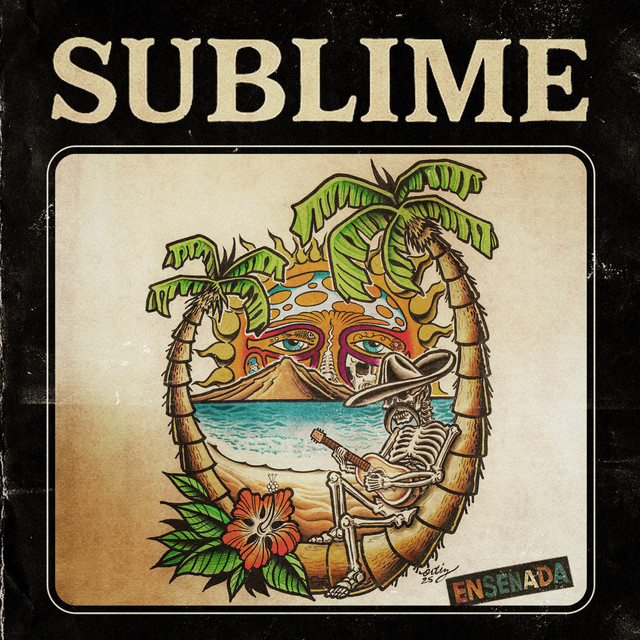
Ensenada
Sublime
Reggae Rock
Ska
Ska Punk
2024
1
/5
Rock Anthems
Sublime
Ska Punk
1996
5
/5
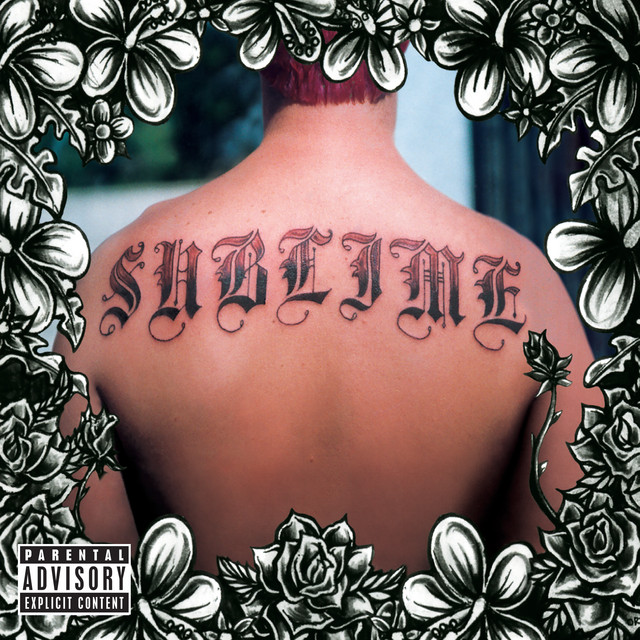
Sublime
Sublime
Ska Punk
Reggae Rock
Ska
1994
1
/5
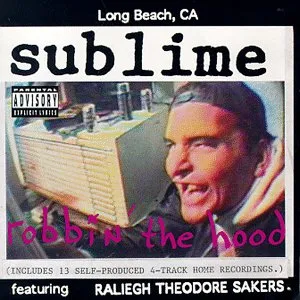
Robbin' the Hood
Sublime
Reggae Rock
1992
4
/5
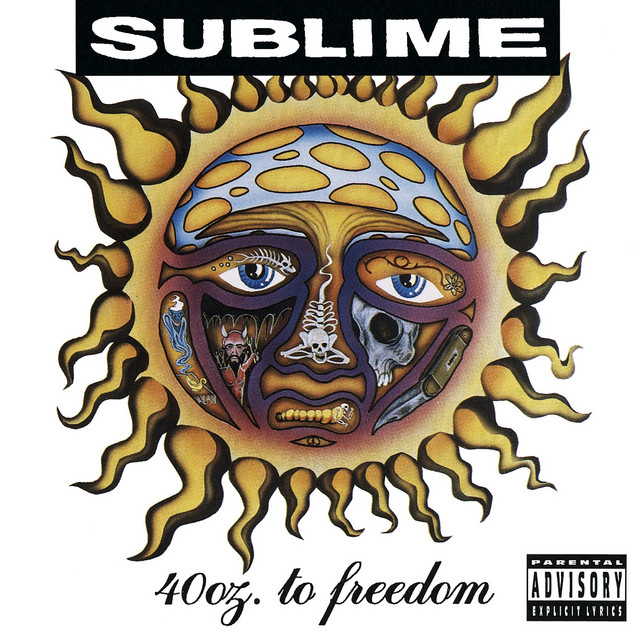
40 Oz. to Freedom
Sublime
Ska Punk
Reggae Rock
Ska
1991
4
/5
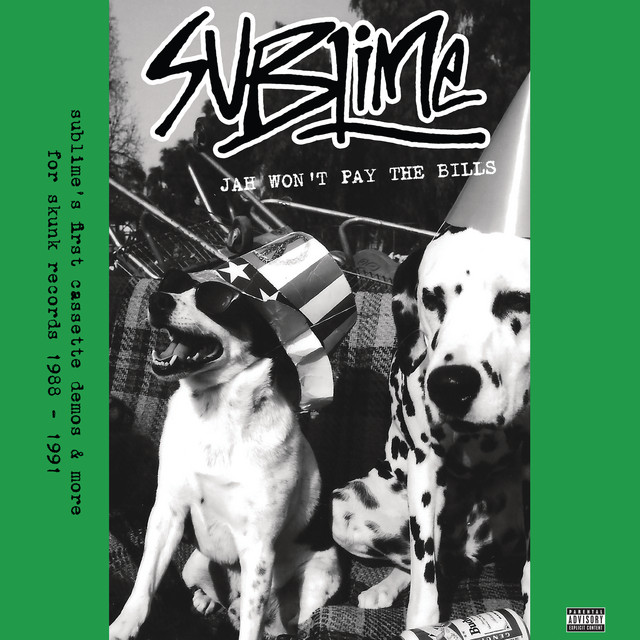
Jah Won't Pay The Bills
Sublime
Ska Punk
Reggae
Rock
Similar artists
2
/5
Fishbone
Ska
Rock
Funk Metal
3
/5
Streetlight Manifesto
Punk
Ska
Ska Punk
3
/5
The Aquabats!
Ska Punk
Ska
Geek Rock
3
/5
Jaya The Cat
Euroska
Ska
Punk
3
/5
Pepper
Reggae
Reggae Rock
Indie Pop Rap
3
/5
Skalariak
Ska Jazz
Latin Ska
Ska
2
/5
The Locos
Ska
Latin Ska
Mexican Ska
2
/5
Babylon Circus
Ska
Chanson Alternative
Ska Punk
2
/5
Cherry Poppin' Daddies
Eugene Indie
Swing
Big Band
3
/5
The Interrupters
Punk
Ska
Ska Punk
Download our mobile app
Get the Melodigging app and start digging for new genres on the go
Download on the App Store
Get it on Google Play
© 2026 Melodigging
Give feedback
Legal
Melodding was created as a tribute to
Every Noise at Once
, which inspired us to help curious minds keep digging into music's ever-evolving genres.