Genres
Artists
Albums
Make Music
Sign in
Sign in
Artists
Eugene Indie
Artists
Eugene Indie
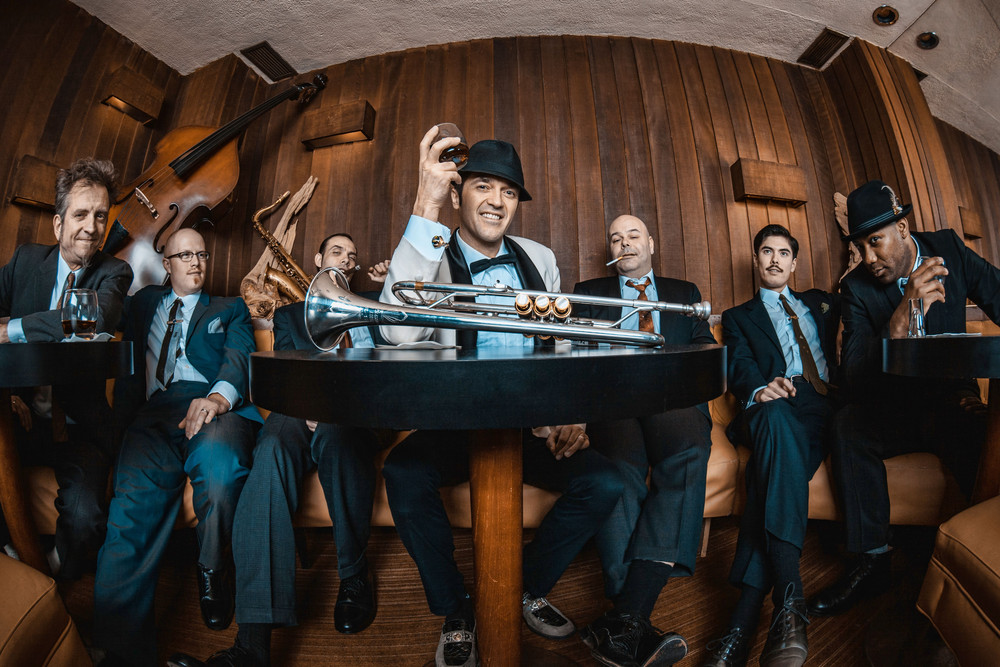
Cherry Poppin' Daddies
1990–2025
·
15 albums
Listen
2
/5
Genres
Eugene Indie
Eugene indie is a locality-driven micro-scene centered around Eugene, Oregon, where college-town DIY energy, house shows, and community spaces (like the W.O.W. Hall and neighborhood garages) shape a distinctly Pacific Northwest take on indie rock. Musically, it blends jangly guitar pop, rough-edged punk spirit, dream- and shoegaze-tinged textures, and folk-inflected songwriting. The recordings often retain a lived‑in, lo‑fi sheen that reflects limited budgets and a preference for character over polish. Lyrically it leans introspective and place-based—about rivers, rain, bikes, friendships, and late-night feelings—while remaining open to fuzz, chorus, and reverb-drenched atmospheres. Eugene indie overlaps with the broader Portland/PNW circuit, but keeps a smaller, communal scale where student musicians, local lifers, and touring DIY acts meet on the same bills.
Discover
Listen
Electro Swing
Electro swing fuses the timbres and rhythms of 1920s–1940s swing and big band jazz with modern electronic dance production. Producers sample or recreate vintage horn sections, clarinets, crooner vocals, and walking bass lines, then place them over four‑on‑the‑floor house grooves, syncopated breakbeats, and punchy electronic bass. Typical tempos sit around 110–128 BPM, with swung/shuffle hi‑hats, call‑and‑response horn riffs, and jazz harmony (ii–V–I cadences, extended 7ths/9ths/13ths). Vocals range from retro scat and cabaret‑style singing to contemporary rap or chopped vocal hooks. The result is a playful, dance‑forward sound that feels both nostalgic and fresh: gramophone grit and brass flair meeting club‑ready drums, sidechain swells, and modern sound design.
Discover
Listen
Swing Revival
Swing revival (often called neo-swing) is a late‑20th‑century resurgence of 1930s–1940s big band swing and jump blues, performed with modern rock and pop energy. Bands typically feature punchy horn sections, walking bass, four‑to‑the‑bar guitar, and crooner or shout‑style vocals that celebrate nightlife, dancing, and retro style. While firmly rooted in classic swing arranging, the revival emphasizes contemporary production, faster tempos, and stage showmanship. It also intersected with a broader vintage culture—zoot suits, lindy hop, and cocktail aesthetics—bringing partner dance back to mainstream club stages and television.
Discover
Listen
Alternative Rock
Alternative rock is a broad umbrella for guitar-based rock that emerged from the independent and college-radio scenes as a counterpoint to mainstream, commercial rock. It blends the energy and ethos of punk with the textural and songwriting experiments of post-punk, new wave, jangle pop, and noise rock, often foregrounding introspective or socially aware lyrics. Across its many strains—from the melodic minimalism of college rock to the loud-quiet-loud dynamics of grunge and the artful experimentation of Radiohead-era modernism—alternative rock prioritizes authenticity, sonic individuality, and a do-it-yourself approach. Its sound ranges from chiming, chorus-laden clean guitars to abrasive distortion and feedback, supported by straightforward rock rhythms or off-kilter grooves, and production that can be either raw and live-sounding or polished yet unconventional.
Discover
Listen
Ska Punk
Ska punk is a high-energy fusion of Jamaican ska and British/US punk rock. It pairs the off‑beat, upstroke "skank" guitar, walking or bouncy bass lines, and bright horn stabs of ska with punk’s faster tempos, distorted power chords, and shout‑along hooks. Typical songs pivot between laid‑back, syncopated ska grooves and explosive double‑time punk choruses, often featuring gang vocals, call‑and‑response refrains, and mosh‑friendly breakdowns. Lyrically it ranges from wry humor and everyday storytelling to sharp social commentary, all delivered with an upbeat, dance‑floor focus.
Discover
Listen
Punk Rock
Punk rock is a fast, raw, and stripped‑down form of rock music that foregrounds energy, attitude, and the DIY ethic over technical polish. Songs are short (often 90–180 seconds), in 4/4, and driven by down‑stroked power‑chord guitars, eighth‑note bass, and relentless backbeat drumming. Vocals are shouted or sneered rather than crooned, and lyrics are direct, often political, anti‑establishment, or wryly humorous. Production is intentionally unvarnished, prioritizing immediacy and live feel over studio perfection. Beyond sound, punk rock is a culture and practice: independent labels, fanzines, all‑ages venues, self‑organized tours, and a participatory scene that values inclusivity, affordability, and self‑reliance.
Discover
Listen
Funk
Funk is a rhythm-forward African American popular music style that centers on groove, syncopation, and interlocking parts. Rather than emphasizing complex chord progressions, funk builds tight, repetitive vamps that highlight the rhythm section and create an irresistible dance feel. The genre is marked by syncopated drum patterns, melodic yet percussive bass lines, choppy guitar "chanks," punchy horn stabs, call‑and‑response vocals, and a strong backbeat. Funk’s stripped-down harmony, prominent use of the one (accenting the downbeat), and polyrhythmic layering draw deeply from soul, rhythm and blues, jazz, gospel, and African rhythmic traditions. From James Brown’s late-1960s innovations through the expansive P-Funk universe and the slicker sounds of the 1970s and 1980s, funk has continually evolved while seeding countless other genres, from disco and hip hop to house and modern R&B.
Discover
Listen
Psychedelic Pop
Psychedelic pop is a 1960s-born fusion that marries the hook-driven immediacy of pop with the timbral color, studio experimentation, and altered-perception aesthetics of psychedelic music. It favors concise song forms and memorable melodies while introducing unusual sounds (sitar, Mellotron, harpsichord), tape effects (backmasking, varispeed, flanging), and surreal or whimsical imagery. Compared to psychedelic rock, it is brighter, more tuneful, and radio-friendly, often wrapping adventurous production techniques in singable choruses and lush vocal harmonies.
Discover
Listen
Rock
Rock is a broad family of popular music centered on amplified instruments, a strong backbeat, and song forms that foreground riffs, choruses, and anthemic hooks. Emerging from mid‑20th‑century American styles like rhythm & blues, country, and gospel-inflected rock and roll, rock quickly expanded in scope—absorbing folk, blues, and psychedelic ideas—while shaping global youth culture. Core sonic markers include electric guitar (often overdriven), electric bass, drum kit emphasizing beats 2 and 4, and emotive lead vocals. Rock songs commonly use verse–chorus structures, blues-derived harmony, and memorable melodic motifs, ranging from intimate ballads to high‑energy, stadium‑sized performances.
Discover
Listen
Rockabilly
Rockabilly is one of the earliest styles of rock and roll, fusing the twang and storytelling of Southern country ("hillbilly") with the driving backbeat and boogie of rhythm & blues and jump blues. It is marked by slap‑back echo on vocals and guitar, slapping upright bass, twangy hollow‑body electrics, and energetic, danceable grooves. The classic rockabilly sound emerged from mid‑1950s Memphis studios such as Sun Records, where minimal drum kits (or none at all) mixed with percussive bass and bright, overdriven guitars. Songs are typically short, hooky, and built on 12‑bar blues or simple I–IV–V progressions, with lyrics about love, cars, dancing, and youthful rebellion.
Discover
Listen
Ska
Ska is a Jamaican popular music style characterized by a brisk 4/4 groove, off‑beat guitar or piano upstrokes (the “skank”), walking bass lines, and punchy horn riffs. Emerging in late‑1950s Kingston dancehalls, ska fused local mento and calypso with American rhythm & blues and jazz, creating a lively sound that celebrated independence‑era optimism and street culture. Across time, ska evolved through distinct waves: the original Jamaican ska of the early 1960s, the racially integrated and politically aware 2 Tone movement in late‑1970s Britain, and the third‑wave explosion in the 1990s that blended ska with punk energy around the world.
Discover
Listen
Swing
Swing is a jazz style centered on a buoyant, danceable groove created by a walking bass, four-to-the-bar rhythm guitar, a backbeat emphasis on 2 and 4, and a lilted “swung” eighth-note feel. Typically performed by big bands (saxes, trumpets, trombones, and a rhythm section) as well as small combos, it balances written arrangements with improvised solos. Hallmarks include call-and-response between horn sections, riff-based melodies, shout choruses that build intensity near the end of an arrangement, and rich sectional voicings grounded in blues language and ii–V–I harmonic motion. Tempos range from medium to brisk, serving social dances like the Lindy Hop and Jitterbug. Swing’s expressive phrasing, dance-floor focus, and sophisticated arranging made it the dominant popular music of the late 1930s and early 1940s.
Discover
Listen
Big Band
Big band is a large-ensemble style of jazz and popular dance music built around brass, reed, and rhythm sections playing arranged parts. Typical instrumentation includes five saxophones (often doubling clarinet/flute), four trombones, four trumpets, and a rhythm section of piano, guitar, upright bass, and drum set. The music emphasizes swing rhythms, call-and-response between sections, riff-based writing, and dramatic shout choruses, while leaving space for improvised solos. Born in American ballrooms and theaters, big band became the sound of the Swing Era, providing both music for dancing and a platform for sophisticated arranging and orchestration that shaped much of 20th‑century jazz and popular music.
Discover
Listen
Jazz
Jazz is an improvisation-centered music tradition that emerged from African American communities in the early 20th century. It blends blues feeling, ragtime syncopation, European harmonic practice, and brass band instrumentation into a flexible, conversational art. Defining features include swing rhythm (a triplet-based pulse), call-and-response phrasing, blue notes, and extended harmonies built on 7ths, 9ths, 11ths, and 13ths. Jazz is as much a way of making music—spontaneous interaction, variation, and personal sound—as it is a set of forms and tunes. Across its history, jazz has continually hybridized, from New Orleans ensembles and big-band swing to bebop, cool and hard bop, modal and free jazz, fusion, and contemporary cross-genre experiments. Its influence permeates global popular and art music.
Discover
Listen
Show all 14 genres
Albums
2025
1
/5
Haters Envy
Cherry Poppin' Daddies
Eugene Indie
2024
1
/5
When You're A Clown
Cherry Poppin' Daddies
Eugene Indie
2024
1
/5
Shooting Bullets At A Bell
Cherry Poppin' Daddies
Eugene Indie
2024
1
/5
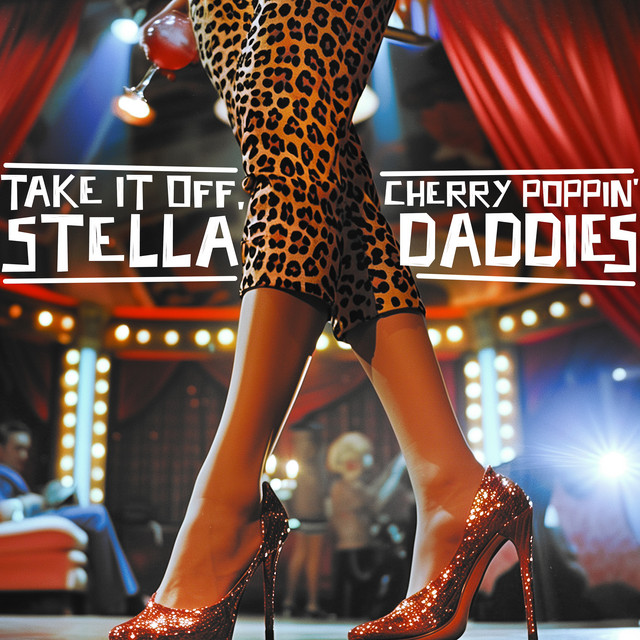
Take It Off, Stella
Cherry Poppin' Daddies
Swing Revival
Eugene Indie
2024
1
/5
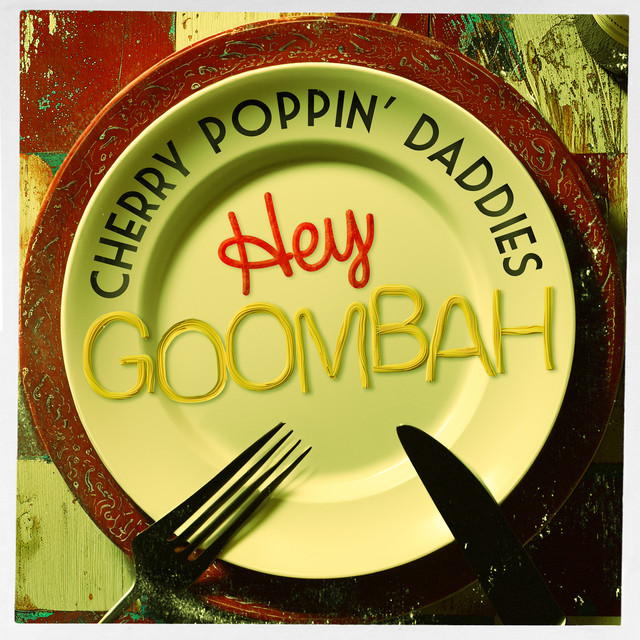
Hey Goombah
Cherry Poppin' Daddies
Eugene Indie
2024
1
/5
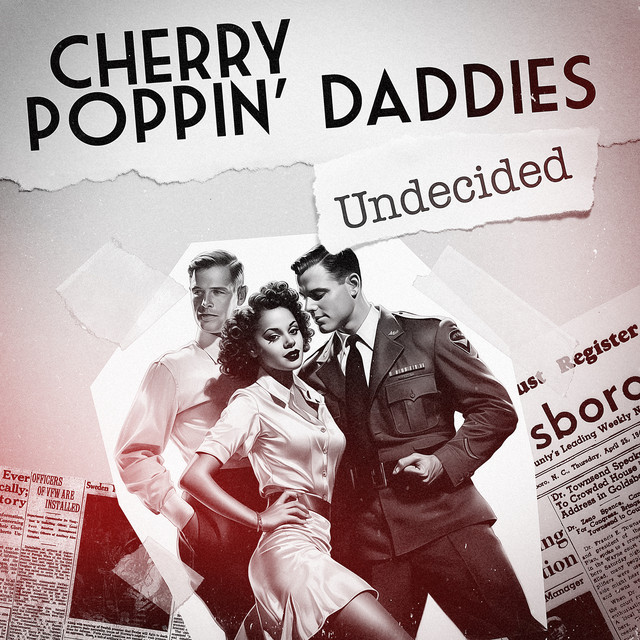
Undecided
Cherry Poppin' Daddies
Eugene Indie
2023
1
/5
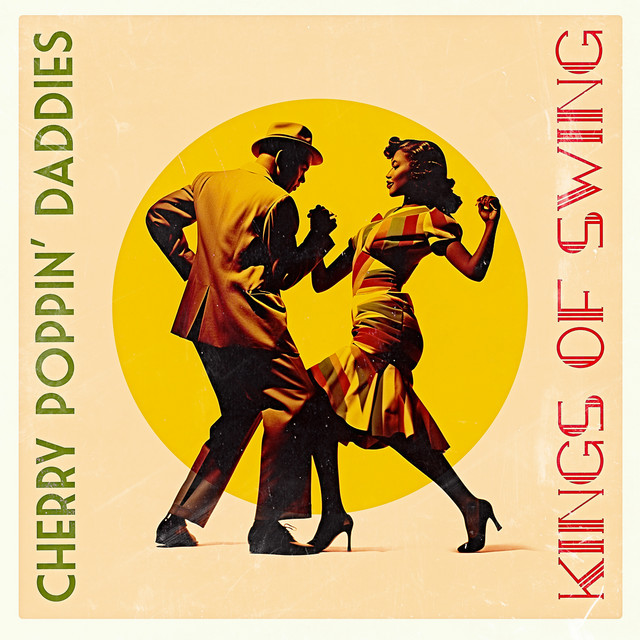
Kings Of Swing
Cherry Poppin' Daddies
Eugene Indie
2023
1
/5
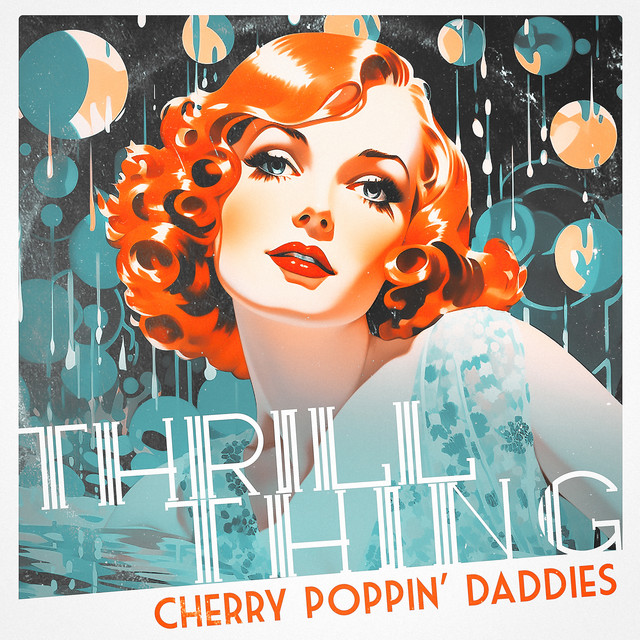
Thrill Thing
Cherry Poppin' Daddies
Eugene Indie
2019
2
/5
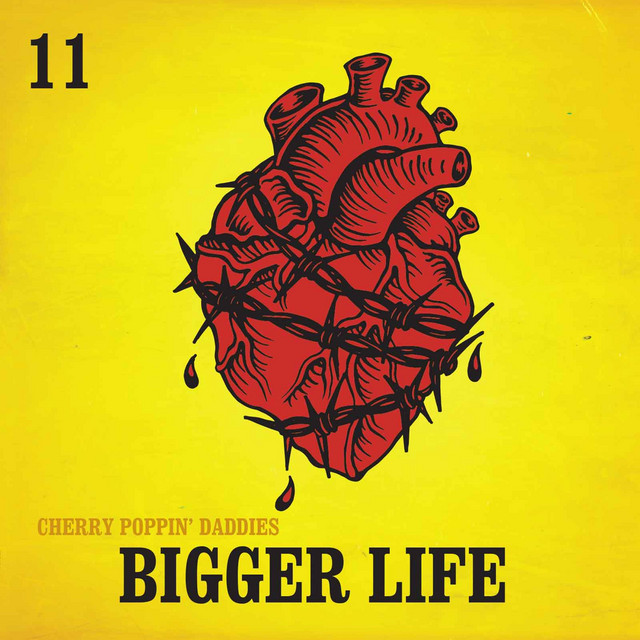
Bigger Life
Cherry Poppin' Daddies
Eugene Indie
Rock
2013
2
/5
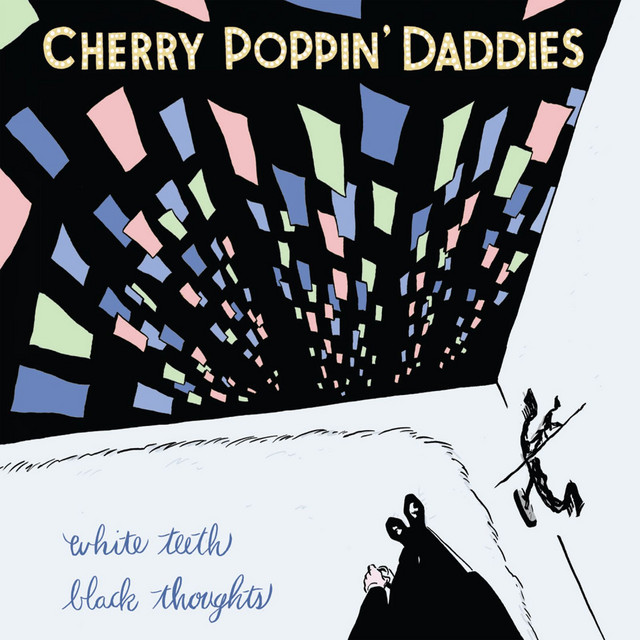
White Teeth, Black Thoughts
Cherry Poppin' Daddies
Eugene Indie
Big Band
Jazz
1997
3
/5
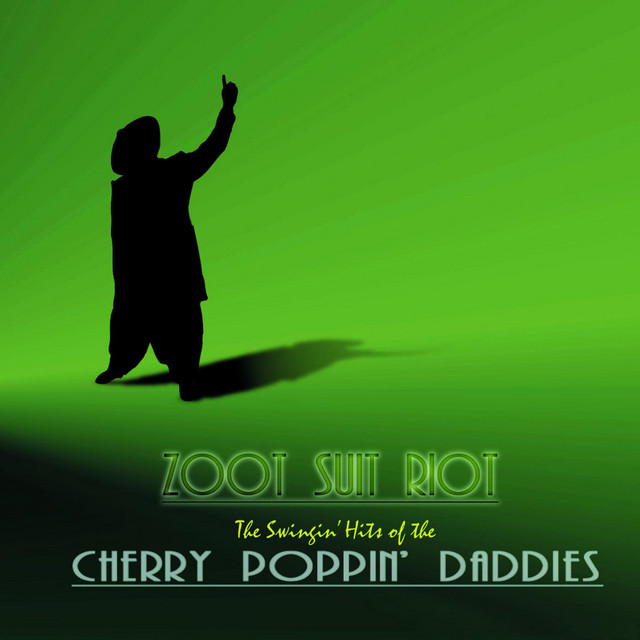
Zoot Suit Riot
Cherry Poppin' Daddies
Eugene Indie
Swing Revival
Jazz
1996
1
/5
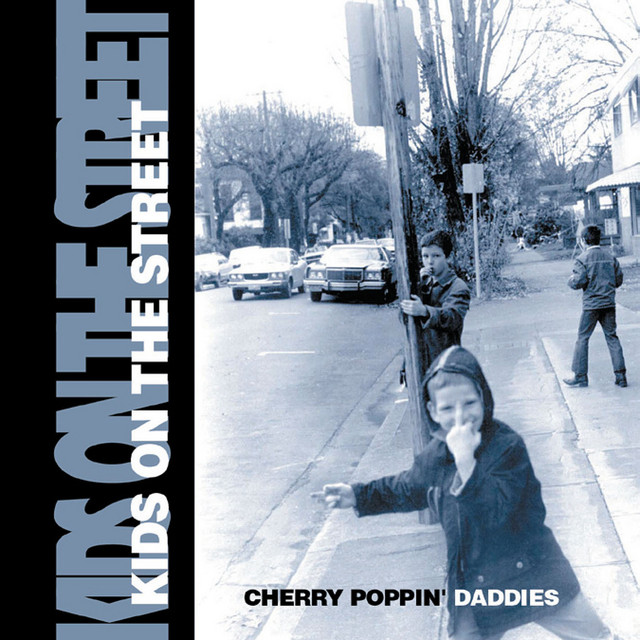
Kids on the Street
Cherry Poppin' Daddies
Eugene Indie
Punk Rock
1994
2
/5
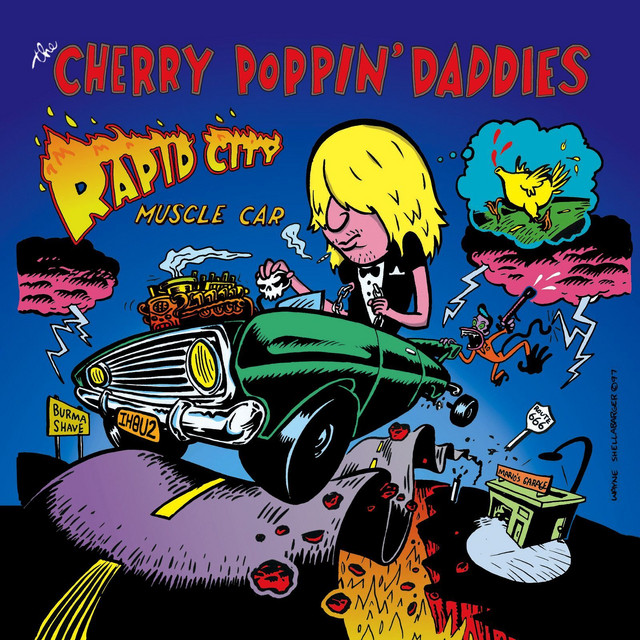
Rapid City Muscle Car
Cherry Poppin' Daddies
Eugene Indie
Alternative Rock
Jazz
1993
1
/5
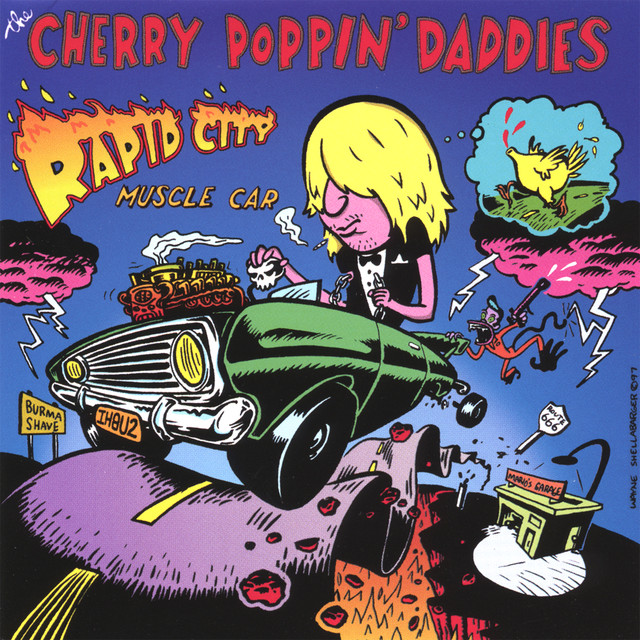
rapid city muscle car
Cherry Poppin' Daddies
Swing Revival
Eugene Indie
1990
2
/5
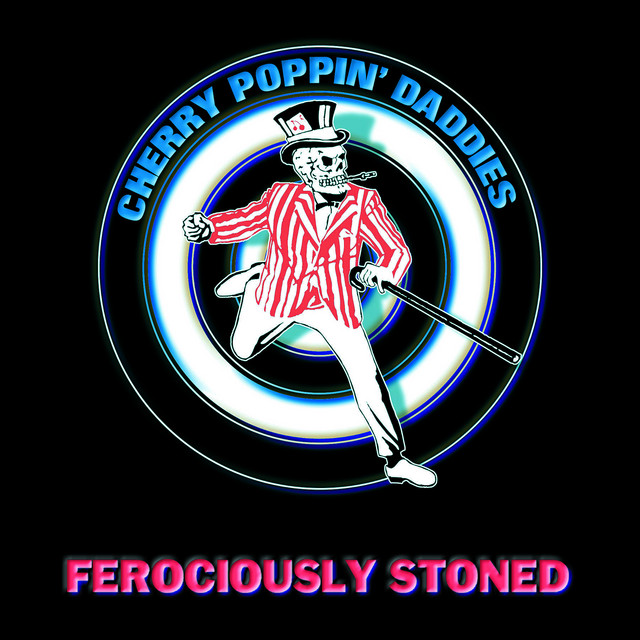
Ferociously Stoned
Cherry Poppin' Daddies
Eugene Indie
Funk
Psychedelic Pop
Similar artists
1
/5
Various Artists
Afro-Funk
Alternative Rock
Ambient
3
/5
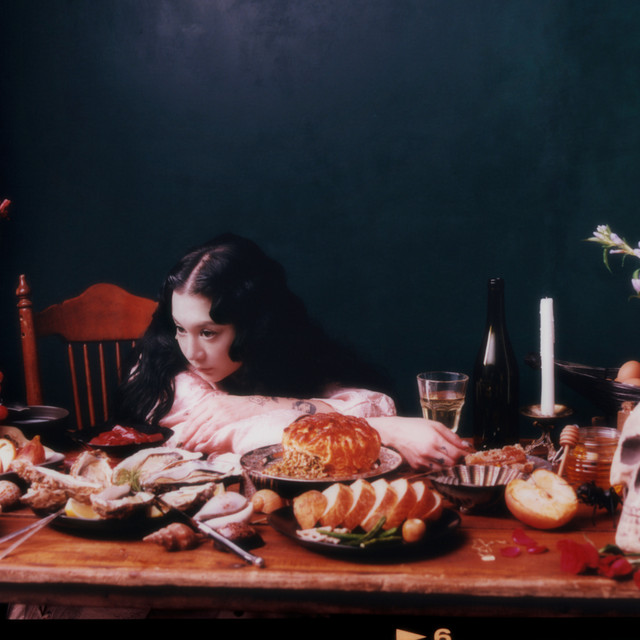
Japanese Breakfast
Eugene Indie
Rock
Indie Rock
3
/5
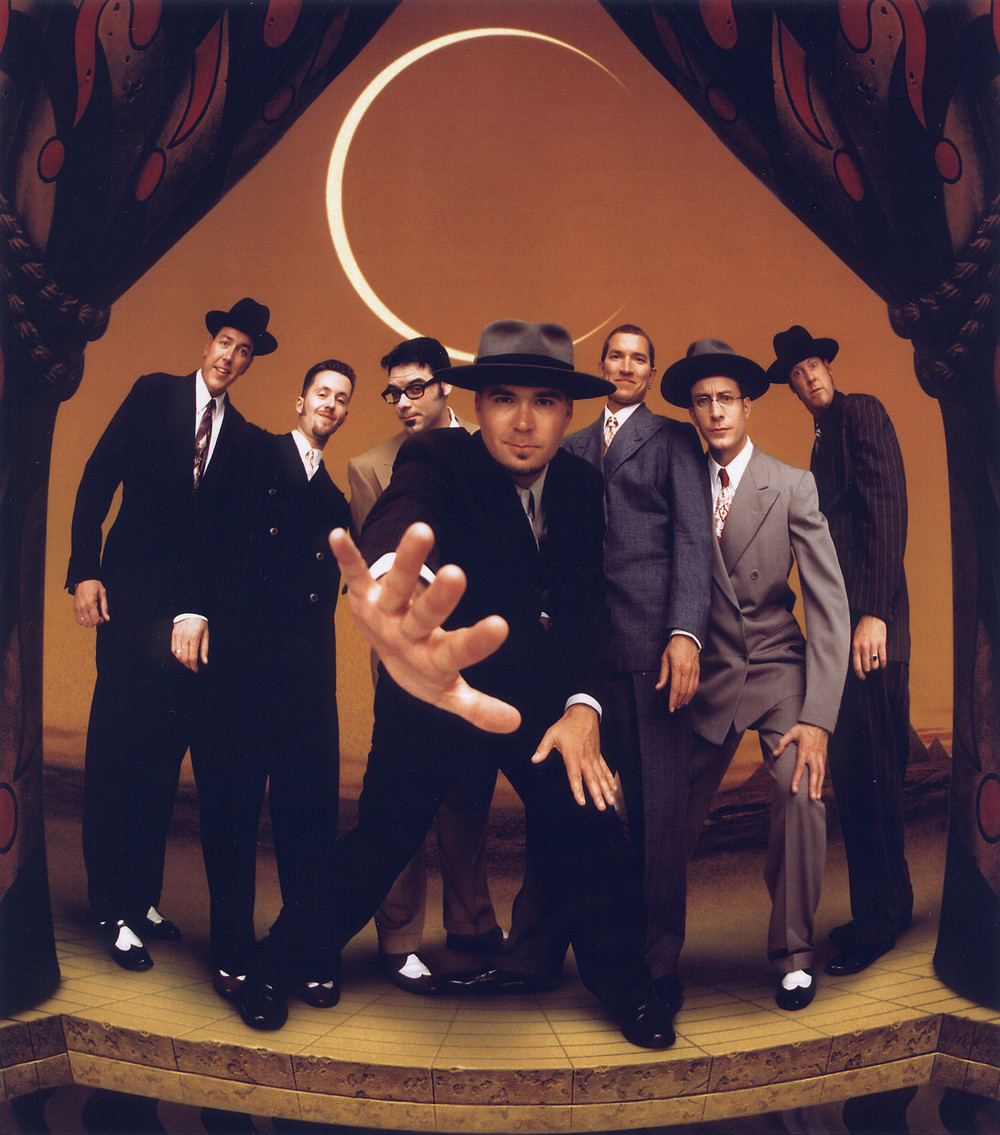
Big Bad Voodoo Daddy
Swing Revival
Swing
Big Band
3
/5
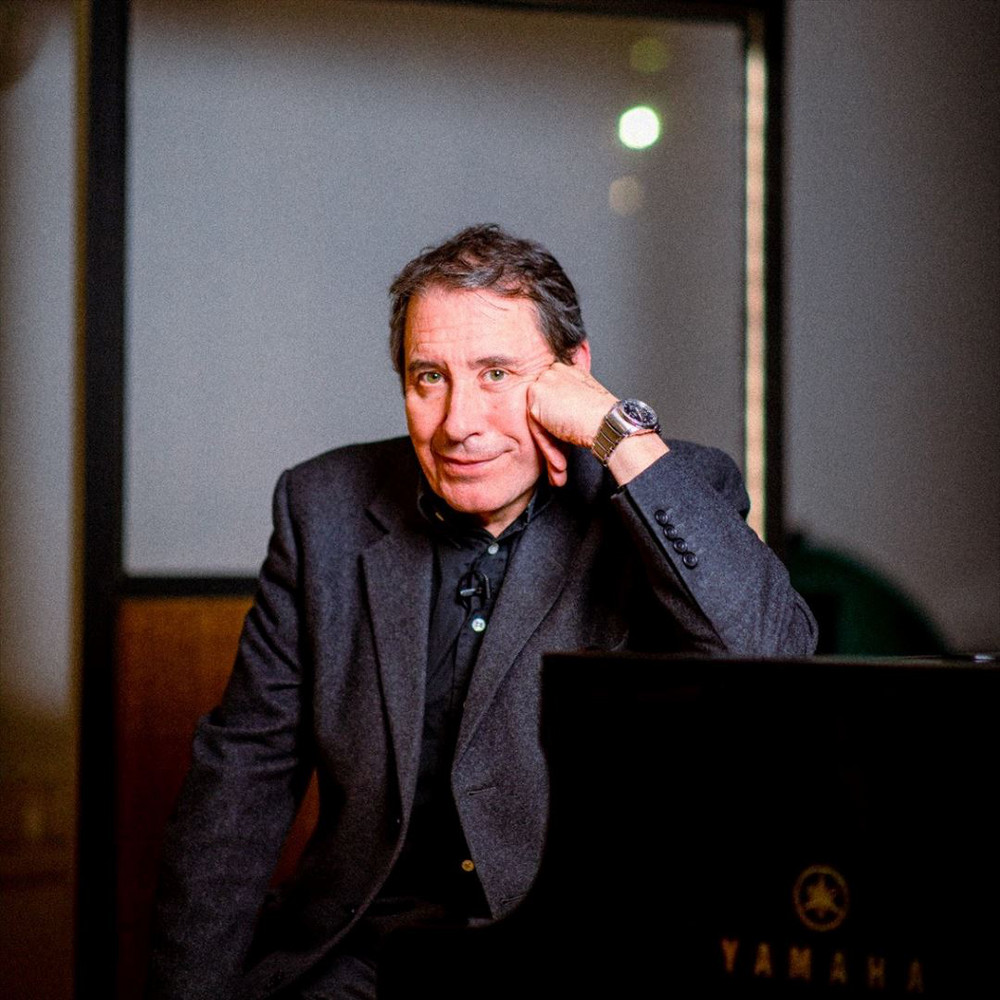
Jools Holland
Boogie-Woogie
Swing
Big Band
2
/5
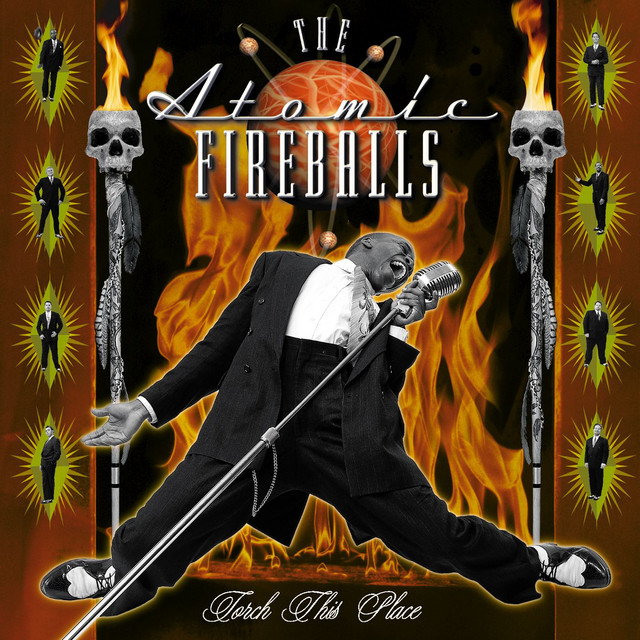
The Atomic Fireballs
Swing Revival
Big Band
Boogie-Woogie
4
/5
ヨルシカ
Japanese Indie
J-Pop
Anime
4
/5
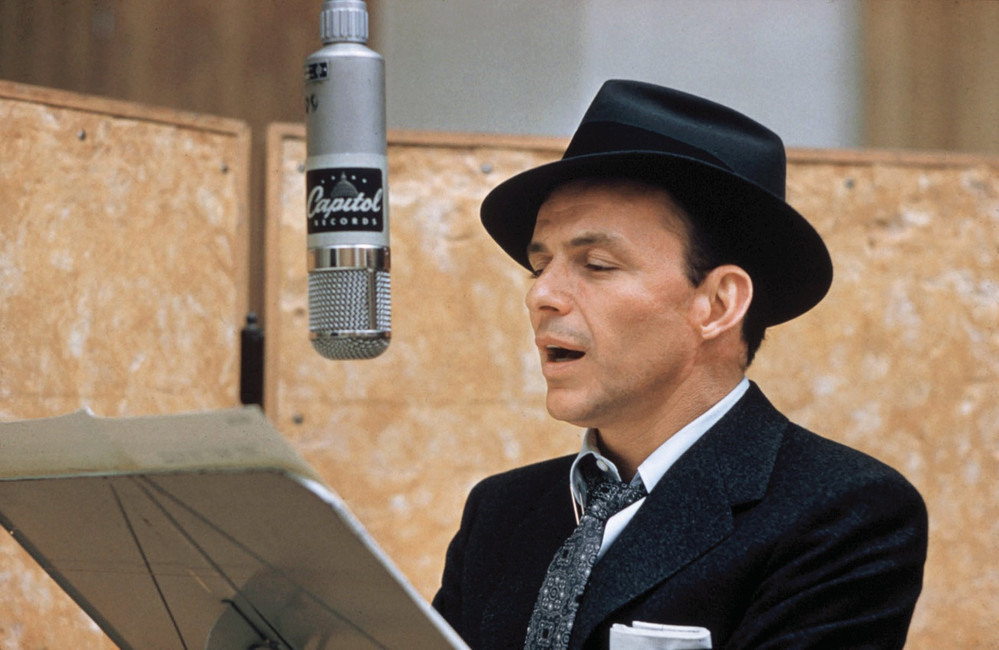
Frank Sinatra
Big Band
Jazz
Swing
4
/5
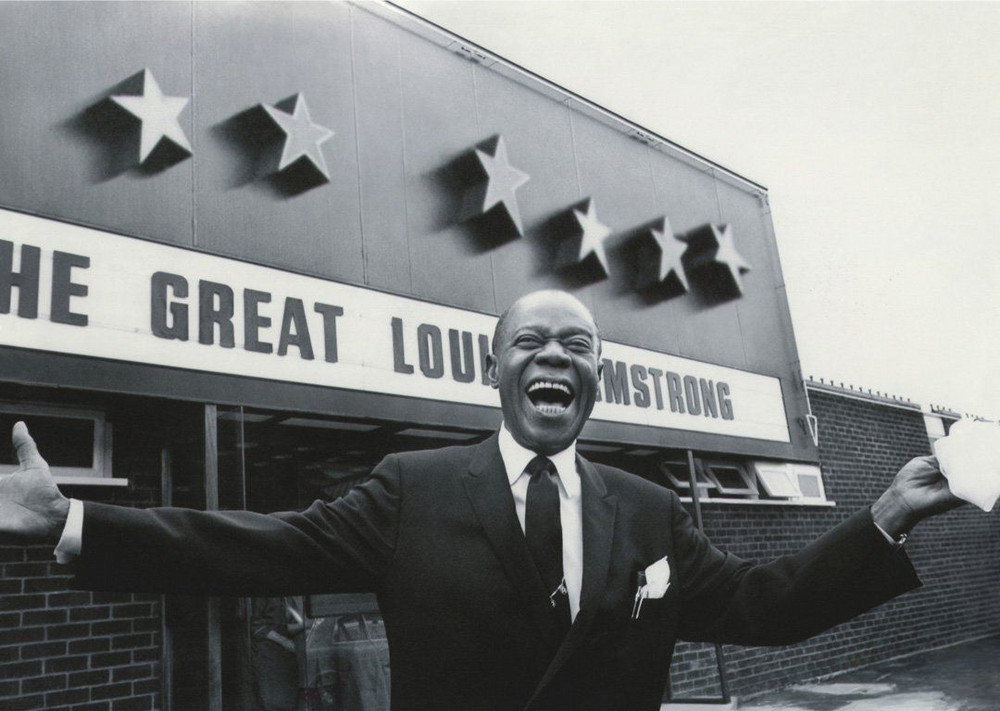
Louis Armstrong
Dixieland
Harlem Renaissance
Jazz Trumpet
4
/5
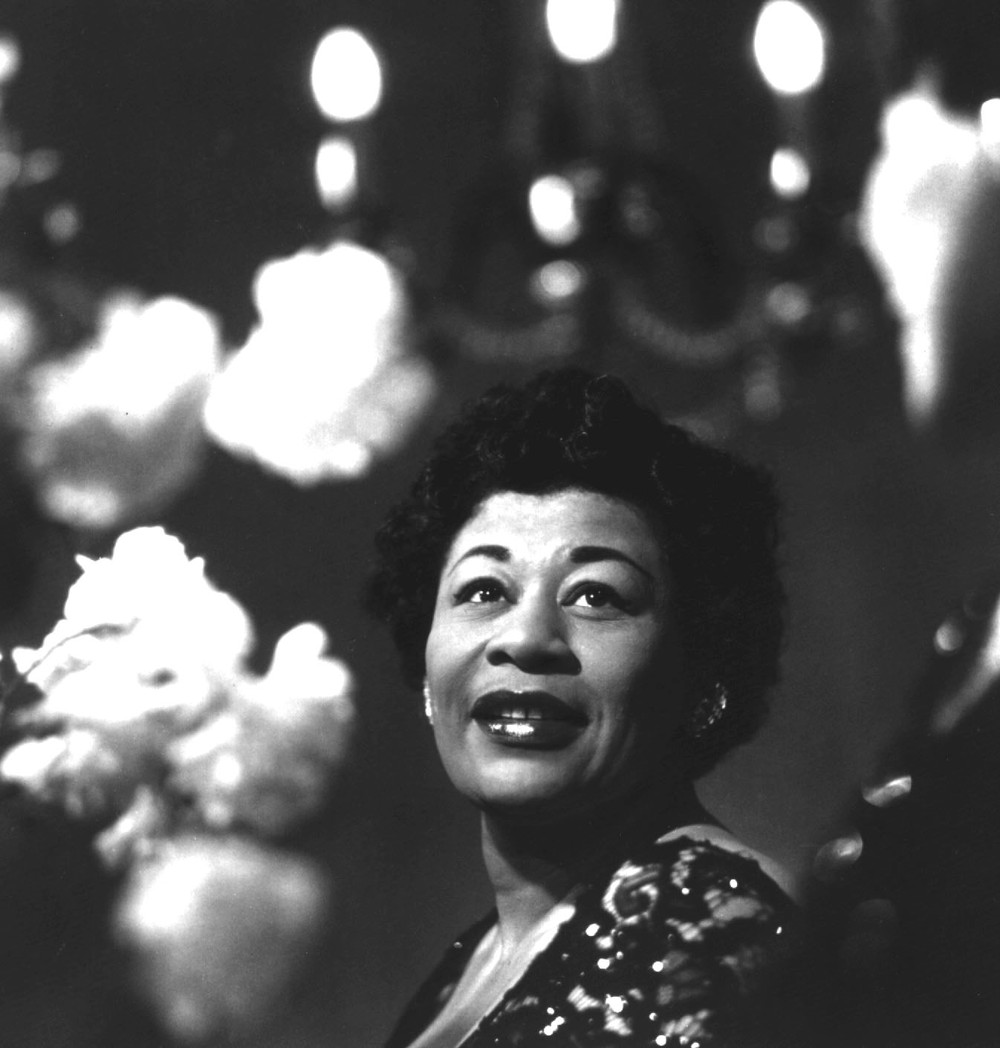
Ella Fitzgerald
Vocal Jazz
Swing
Standards
4
/5
Billie Holiday
Harlem Renaissance
Jazz
Swing
Download our mobile app
Get the Melodigging app and start digging for new genres on the go
Download on the App Store
Get it on Google Play
© 2026 Melodigging
Give feedback
Legal
Melodding was created as a tribute to
Every Noise at Once
, which inspired us to help curious minds keep digging into music's ever-evolving genres.