Genres
Artists
Albums
Make Music
Sign in
Sign in
Artists
Swing Revival
Artists
Swing Revival
The Atomic Fireballs
1999
·
1 album
Listen
2
/5
Genres
Modern Ska Punk
Modern ska punk is a 2010s–2020s reboot of ska’s off‑beat guitar “skank” and brass arrangements fused with pop‑punk hooks, hardcore energy, and contemporary indie/DIY production. It keeps Jamaican ska’s upstroke rhythm and walking bass feel, but toggles to double‑time punk beats and distortion for choruses, foregrounding big gang vocals and tightly voiced horn stabs. Culturally, the scene coalesced around inclusive, explicitly anti‑racist/anti‑sexist, queer‑affirming DIY communities (e.g., Bad Time Records), and a new crop of bands that treat ska not as nostalgia but as a flexible songwriting language. High‑profile signals of the revival included Jeff Rosenstock’s 2021 full‑album ska rework SKA DREAM, and We Are the Union’s Ordinary Life, a trans‑affirming, hook‑forward ska‑punk LP. The term “New Tone,” popularized by members of Bad Operation, captures a cleaner, roots‑aware but forward‑looking branch of the sound.
Discover
Listen
Classify
Classify is a streaming-era microgenre that blends light classical technique with contemporary pop repertoire, typically presented as unobtrusive instrumental covers. It prioritizes soft dynamics, gentle tempos, and intimate recording to create a calm, elegant backdrop suitable for studying, working, or events. Most arrangements are for solo piano, string quartet, cello/piano duos, or small chamber ensembles. Harmonies remain diatonic and consonant, melodies are clearly voiced, and textures favor arpeggios, ostinati, and sustained legato lines. The overall aesthetic borrows from modern classical and new age moods while retaining the familiarity of pop song forms.
Discover
Listen
Pov: Indie
"pov: indie" is a social-media-native microstyle built around short, cinematic indie-pop/indie-rock snippets designed to accompany a first-person (POV) narrative. Instead of being defined by a single new musical technique, it is defined by context: the music is chosen or written to feel like the soundtrack to a specific moment (a crush, a late-night walk, moving to a new city, seasonal nostalgia). Sonically it typically uses bright but soft guitars or synths, intimate vocals, simple memorable hooks, and production that reads clearly on phone speakers. The emotional tone is often wistful, tender, and “coming-of-age,” with lyrics that can be understood quickly in a 10–30 second clip.
Discover
Listen
Swing Revival
Swing revival (often called neo-swing) is a late‑20th‑century resurgence of 1930s–1940s big band swing and jump blues, performed with modern rock and pop energy. Bands typically feature punchy horn sections, walking bass, four‑to‑the‑bar guitar, and crooner or shout‑style vocals that celebrate nightlife, dancing, and retro style. While firmly rooted in classic swing arranging, the revival emphasizes contemporary production, faster tempos, and stage showmanship. It also intersected with a broader vintage culture—zoot suits, lindy hop, and cocktail aesthetics—bringing partner dance back to mainstream club stages and television.
Discover
Listen
Rock
Rock is a broad family of popular music centered on amplified instruments, a strong backbeat, and song forms that foreground riffs, choruses, and anthemic hooks. Emerging from mid‑20th‑century American styles like rhythm & blues, country, and gospel-inflected rock and roll, rock quickly expanded in scope—absorbing folk, blues, and psychedelic ideas—while shaping global youth culture. Core sonic markers include electric guitar (often overdriven), electric bass, drum kit emphasizing beats 2 and 4, and emotive lead vocals. Rock songs commonly use verse–chorus structures, blues-derived harmony, and memorable melodic motifs, ranging from intimate ballads to high‑energy, stadium‑sized performances.
Discover
Listen
Jump Blues
Jump blues is a high‑energy, small‑combo offshoot of swing and urban blues that crystallized in the United States during the 1940s. It features driving boogie‑woogie piano patterns, a propulsive shuffle or backbeat, riffing horn sections (often led by tenor sax), and exuberant, shout‑style vocals. Songs typically use 12‑bar blues or related blues‑based forms at brisk tempos, with catchy call‑and‑response hooks between singer and horns. Lyrics frequently center on nightlife, romance, humor, and double entendres. The style’s compact arrangements, honking sax solos, and dance‑floor focus made it a jukebox staple and a crucial bridge from swing to rhythm and blues and early rock and roll.
Discover
Listen
Swing
Swing is a jazz style centered on a buoyant, danceable groove created by a walking bass, four-to-the-bar rhythm guitar, a backbeat emphasis on 2 and 4, and a lilted “swung” eighth-note feel. Typically performed by big bands (saxes, trumpets, trombones, and a rhythm section) as well as small combos, it balances written arrangements with improvised solos. Hallmarks include call-and-response between horn sections, riff-based melodies, shout choruses that build intensity near the end of an arrangement, and rich sectional voicings grounded in blues language and ii–V–I harmonic motion. Tempos range from medium to brisk, serving social dances like the Lindy Hop and Jitterbug. Swing’s expressive phrasing, dance-floor focus, and sophisticated arranging made it the dominant popular music of the late 1930s and early 1940s.
Discover
Listen
Big Band
Big band is a large-ensemble style of jazz and popular dance music built around brass, reed, and rhythm sections playing arranged parts. Typical instrumentation includes five saxophones (often doubling clarinet/flute), four trombones, four trumpets, and a rhythm section of piano, guitar, upright bass, and drum set. The music emphasizes swing rhythms, call-and-response between sections, riff-based writing, and dramatic shout choruses, while leaving space for improvised solos. Born in American ballrooms and theaters, big band became the sound of the Swing Era, providing both music for dancing and a platform for sophisticated arranging and orchestration that shaped much of 20th‑century jazz and popular music.
Discover
Listen
Jazz
Jazz is an improvisation-centered music tradition that emerged from African American communities in the early 20th century. It blends blues feeling, ragtime syncopation, European harmonic practice, and brass band instrumentation into a flexible, conversational art. Defining features include swing rhythm (a triplet-based pulse), call-and-response phrasing, blue notes, and extended harmonies built on 7ths, 9ths, 11ths, and 13ths. Jazz is as much a way of making music—spontaneous interaction, variation, and personal sound—as it is a set of forms and tunes. Across its history, jazz has continually hybridized, from New Orleans ensembles and big-band swing to bebop, cool and hard bop, modal and free jazz, fusion, and contemporary cross-genre experiments. Its influence permeates global popular and art music.
Discover
Listen
Boogie-Woogie
Boogie-woogie is a highly rhythmic, piano-centered branch of the blues distinguished by its driving “eight-to-the-bar” left-hand ostinato and improvised right-hand riffs. While it shares the 12‑bar blues framework and blue-note vocabulary, it places an unusually strong emphasis on groove, forward motion, and danceability. Typically performed at brisk tempos, the style features a rolling, repeated bass pattern in broken octaves (or a walking single-note line) that locks into a shuffle or 12/8 swing feel. Over this foundation, the right hand plays syncopated licks, triplet figures, crushed grace notes, tremolos, and call‑and‑response motifs, often quoting and varying short, catchy riffs. The result is a propulsive, celebratory sound designed for social dancing and energetic performance.
Discover
Listen
Show all 10 genres
Albums
1999
3
/5
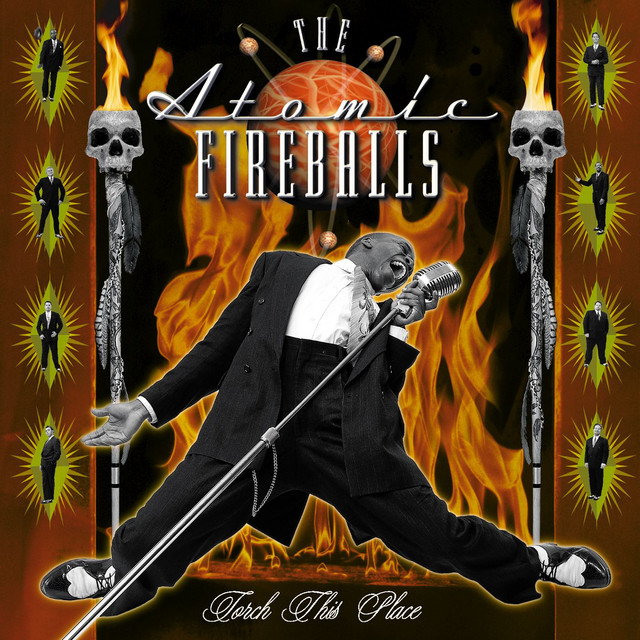
Torch This Place
The Atomic Fireballs
Swing Revival
Jazz
Jump Blues
Similar artists
3
/5
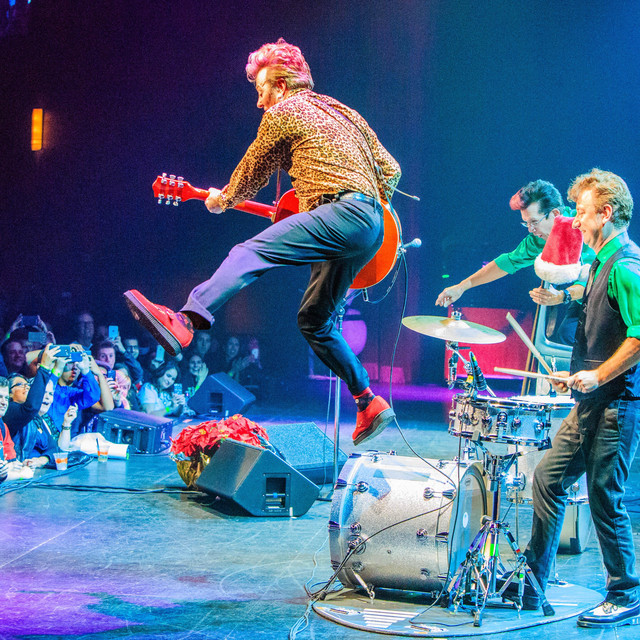
The Brian Setzer Orchestra
Swing Revival
Swing
Rockabilly
2
/5
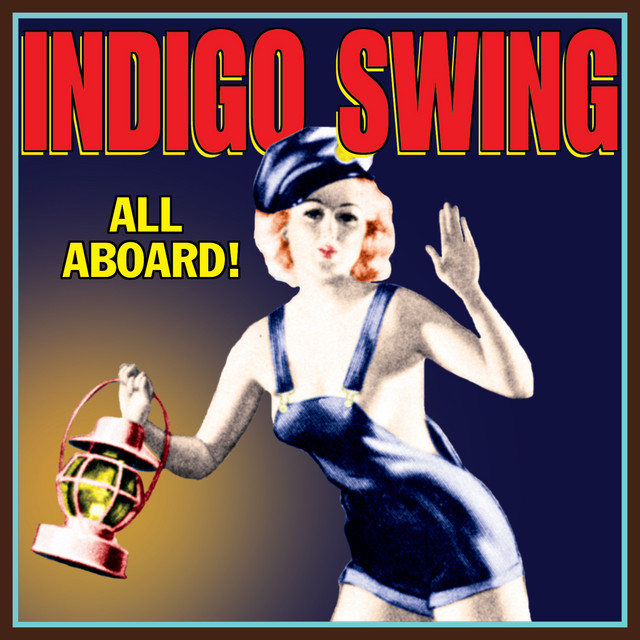
Indigo Swing
Big Band
Boogie
Boogie-Woogie
1
/5
Various Artists
Afro-Funk
Alternative Rock
Ambient
2
/5
The Jive Aces
Big Band
Boogie
Boogie-Woogie
3
/5
Big Bad Voodoo Daddy
Swing Revival
Swing
Big Band
3
/5
Squirrel Nut Zippers
Swing
Swing Revival
Dixieland
3
/5
Royal Crown Revue
Swing Revival
Swing
Big Band
2
/5
Boilermaker Jazz Band
Swing Revival
Big Band
Ragtime
2
/5
King Of Swing Orchestra
Swing Revival
Big Band
Swing
2
/5
Cherry Poppin' Daddies
Eugene Indie
Swing
Big Band
Download our mobile app
Get the Melodigging app and start digging for new genres on the go
Download on the App Store
Get it on Google Play
© 2026 Melodigging
Give feedback
Legal
Melodding was created as a tribute to
Every Noise at Once
, which inspired us to help curious minds keep digging into music's ever-evolving genres.