Genres
Artists
Albums
Make Music
Sign in
Sign in
Artists
Rock
Artists
Rock
Sting
1985–2025
·
21 albums
Listen
4
/5
Genres
432hz
432hz is a wellness-oriented ambient/New Age micro-genre built around tuning music to the alternative concert pitch A=432 Hz instead of the modern standard A=440 Hz. In practice, 432hz releases are largely instrumental, slow-tempo, and reverb-rich, combining soft pads, drones, gentle piano, bowls/chimes, and nature sounds. Tracks are marketed for relaxation, meditation, yoga, sleep, and "energy" or "chakra" work, and are frequently tagged with wellness keywords. While advocates claim psychoacoustic or physiological benefits from 432 Hz tuning, these claims remain unproven; the sound signature audiences respond to is the calm production, consonant harmony, and spacious mixing typical of ambient and New Age music. As a streaming-native style, 432hz thrives on platforms like YouTube and Spotify where long-form background listening, SEO-friendly titling, and looping visuals support use-cases such as study, mindfulness, and sleep.
Discover
Listen
Guitar Case
Guitar case is a modern, singer‑songwriter–leaning microgenre built around intimate, mostly acoustic performances that could plausibly be delivered on a street corner with a guitar case open for tips. Tracks typically foreground a warm acoustic guitar (strummed or finger‑picked), close‑miked vocals, and confessional, first‑person narratives. Production is deliberately sparse—often just voice and guitar, perhaps with light percussion, harmony vocals, or subtle textures—so that the storytelling remains the focus. Aesthetically, it draws on folk and contemporary pop sensibilities, with memorable hooks delivered in a relaxed, personable tone. Tempos tend to be moderate, the harmonic language familiar and diatonic, and the overall feel approachable, buskable, and audience‑friendly.
Discover
Listen
Chill Groove
Chill groove is a laid‑back, mid‑tempo blend of downtempo, lounge, and smooth jazz aesthetics designed for relaxed listening without losing a sense of rhythmic movement. It favors warm, rounded bass lines, syncopated but unhurried drum patterns, and silky textures from Rhodes pianos, jazz guitars, flutes, or saxophones. Typical tracks sit in the 80–110 BPM range and use jazzy extended chords, gentle percussion (shakers, congas, brushes), and understated melodic hooks. Production emphasizes atmosphere—reverbs, delays, subtle vinyl/tape coloration—while keeping the groove tight and steady. The result works equally well as elegant background music (cafés, lounges, creative work) and intimate, headphone‑focused listening.
Discover
Listen
Machine Rock
Machine rock is a hybrid rock style that fuses hard-edged rock instrumentation with the rigid pulse, repetition, and synthetic textures of industrial and electronic music. The genre typically emphasizes mechanical precision, distorted guitars, sequenced rhythms, processed vocals, and a cold, metallic sonic atmosphere. It often feels more locked to programmed groove than traditional rock, with riffs and drum patterns designed to sound motoric, automated, and machine-driven. In practice, machine rock sits between industrial rock, electronic rock, industrial metal, and sometimes EBM-inflected rock. It favors tight rhythmic control, layered distortion, synthetic bass or sequencer lines, and production aesthetics that highlight compression, repetition, and digital or metallic timbres.
Discover
Listen
Sophisti-Pop
Sophisti-pop is a sleek, jazz-tinged strain of 1980s pop distinguished by refined songwriting, urbane imagery, and studio polish. It blends new wave and synth-pop’s contemporary sheen with the harmonic language of jazz and the warmth of soul and blue‑eyed soul. Typical hallmarks include lush electric pianos and synths, tasteful saxophone and horn parts, clean DI bass, crisp yet understated drums, and smooth, intimate vocals. Harmonically, it favors extended chords (maj7, 9ths, 11ths), chromatic voice-leading, and sophisticated modulations, while maintaining strong hooks and radio-friendly song forms. Lyrically, sophisti-pop often evokes cosmopolitan life—nighttime cityscapes, romance, bittersweet reflection—delivered with elegance rather than excess. The result is music that feels chic, romantic, and effortlessly cool.
Discover
Listen
Worldbeat
Worldbeat is a pop-oriented fusion that blends contemporary Western production (pop, rock, dance, and electronic) with rhythms, instruments, scales, and vocal styles drawn from diverse musical traditions around the world. It typically features layered percussion, polyrhythms, call-and-response vocals, and multilingual or code-switching lyrics, while maintaining accessible song forms and hook-driven choruses. Arrangements often juxtapose drum kits, bass guitar, and synths with instruments such as kora, mbira, oud, sitar, djembe, balafon, or charango. As a retail and radio category in the 1980s–1990s, worldbeat served both as a creative space for cross-cultural collaboration and a marketing umbrella, attracting praise for bridge-building and criticism for occasional exoticism or unequal credit-sharing.
Discover
Listen
Soft Rock
Soft rock is a mellow, melody-forward strain of rock and pop that favors smooth vocals, polished production, and restrained dynamics over distortion and aggression. Built on acoustic and clean electric guitars, piano or electric piano (Rhodes), light rhythm sections, and lush backing vocals or strings, the style centers on memorable hooks and sentimental themes. Its lyrics often explore love, heartbreak, nostalgia, and introspection, delivered with warmth and clarity. Tempos are moderate, grooves are unobtrusive, and harmonies are diatonic with tasteful color (maj7, add9) and occasional key changes. Commercially, soft rock flourished on AM radio and adult contemporary playlists in the 1970s and early 1980s, shaping the sound of radio-friendly ballads and influencing later styles like yacht rock and modern adult contemporary.
Discover
Listen
Adult Contemporary
Adult contemporary (AC) is a radio-driven pop style characterized by smooth vocals, polished production, and lyric themes that speak to adult listeners—love, family, reflection, and everyday life. Musically, it emphasizes mid‑tempo grooves and ballads, clear melodies, and accessible harmonies, often arranged for piano, acoustic or clean electric guitars, light drums, bass, and tasteful string or synth pads. The sound favors warmth and clarity over aggression, with a strong focus on memorable choruses and emotive vocal performances. As a format and a repertoire, adult contemporary bridges soft rock, pop balladry, and easy listening, adapting with each decade while maintaining radio-friendly songwriting and production values.
Discover
Listen
New Age
New age is a largely instrumental, mood-driven genre that emphasizes calm, spacious textures and a sense of spiritual or contemplative uplift. It blends gentle electronic timbres, acoustic instruments, and global/folk influences to create immersive soundscapes intended for relaxation, meditation, and introspection. Hallmarks include slow tempos or free time, long sustaining pads, modal and consonant harmonies, nature field recordings, and unobtrusive rhythms. The music often avoids dramatic tension in favor of openness and continuity, conveying themes of inner peace, nature, and the transcendent.
Discover
Listen
New Wave
New wave is a broad, pop-oriented umbrella for styles that emerged in the mid-to-late 1970s as a sleeker, more melodic outgrowth of punk culture. Initially, the term varied by region: in the United States it was first used by critics and labels (famously Sire Records’ “Don’t Call It Punk” campaign in 1977) to rebrand punk-associated artists with more radio-friendly aesthetics; in the United Kingdom it encompassed a wider constellation of fresh, stylish post-punk-era sounds. Over time, “new wave” became a catch‑all for hooky guitar pop, synth-driven songs, danceable rhythms, and modernist production sensibilities. Sonically, it blends tight, upbeat rhythms (often disco- and reggae-informed), clean chorus/flanger guitars, prominent synthesizers, and concise, hook-led songwriting. Its visual identity—sharp suits, futurist imagery, and fashion-forward presentation—was integral, aligning with the rise of music television and emphasizing art-school wit, irony, and modern urban themes.
Discover
Listen
Pop Rock
Pop rock blends the hook-focused immediacy of pop with the instrumentation and drive of rock. It prioritizes catchy melodies, concise song structures, and polished production while retaining guitars, bass, and drums as core elements. Typical pop rock tracks use verse–pre-chorus–chorus forms, strong vocal harmonies, and memorable riffs. The sound ranges from jangly and bright to mildly overdriven and arena-ready, aiming for radio-friendly appeal without abandoning rock’s rhythmic punch.
Discover
Listen
Singer-Songwriter
Singer-songwriter is a song-focused style in which the same person writes, composes, and performs their own material, often accompanying themselves on acoustic guitar or piano. It emphasizes personal voice, lyrical intimacy, and storytelling over elaborate production. Arrangements are typically sparse, allowing the melody, words, and performance nuance to carry the song’s emotional weight. While rooted in folk and blues traditions, singer-songwriter embraces pop and rock songcraft, producing works that can range from quiet confessional ballads to subtly orchestrated, radio-ready pieces.
Discover
Listen
Rock
Rock is a broad family of popular music centered on amplified instruments, a strong backbeat, and song forms that foreground riffs, choruses, and anthemic hooks. Emerging from mid‑20th‑century American styles like rhythm & blues, country, and gospel-inflected rock and roll, rock quickly expanded in scope—absorbing folk, blues, and psychedelic ideas—while shaping global youth culture. Core sonic markers include electric guitar (often overdriven), electric bass, drum kit emphasizing beats 2 and 4, and emotive lead vocals. Rock songs commonly use verse–chorus structures, blues-derived harmony, and memorable melodic motifs, ranging from intimate ballads to high‑energy, stadium‑sized performances.
Discover
Listen
Pop
Pop is a broad, hook-driven style of popular music designed for wide appeal. It emphasizes memorable melodies, concise song structures, polished vocals, and production intended for radio, charts, and mass media. While pop continually absorbs elements from other styles, its core remains singable choruses, accessible harmonies, and rhythmic clarity. Typical forms include verse–pre-chorus–chorus, frequent use of bridges and middle-eights, and ear-catching intros and outros. Pop is not defined by a single instrumentation. It flexibly incorporates acoustic and electric instruments, drum machines, synthesizers, and increasingly digital production techniques, always in service of the song and the hook.
Discover
Listen
Jazz Pop
Jazz pop blends the melodic immediacy and song structures of pop with the harmonic richness, phrasing, and instrumentation of jazz. Typical arrangements feature piano or guitar-led rhythm sections, upright or electric bass, light drum kits (often with brushes), and tasteful horns or strings. Harmonically it favors extended chords (maj7, 9ths, 13ths), ii–V–I cadences, and sophisticated substitutions, while rhythms range from gentle swing and bossa nova to straight pop backbeats. Vocals usually emphasize warm timbres, nuanced crooning, and elastic, behind-the-beat phrasing. The result is urbane, approachable music that keeps pop’s hooks and forms while carrying jazz’s color and elegance, making it a perennial crossover sound for radio, lounges, and contemporary singer‑songwriters.
Discover
Listen
Folk
Folk is a song-centered acoustic tradition rooted in community storytelling, everyday life, and social history. It emphasizes clear melodies, simple harmonies, and lyrics that foreground narrative, protest, and personal testimony. As a modern recorded genre, folk coalesced in the early-to-mid 20th century in the United States out of older ballad, work song, and rural dance traditions. It typically features acoustic instruments (guitar, banjo, fiddle, mandolin, harmonica), strophic song forms, and participatory singing (choruses, call-and-response).
Discover
Listen
Jazz
Jazz is an improvisation-centered music tradition that emerged from African American communities in the early 20th century. It blends blues feeling, ragtime syncopation, European harmonic practice, and brass band instrumentation into a flexible, conversational art. Defining features include swing rhythm (a triplet-based pulse), call-and-response phrasing, blue notes, and extended harmonies built on 7ths, 9ths, 11ths, and 13ths. Jazz is as much a way of making music—spontaneous interaction, variation, and personal sound—as it is a set of forms and tunes. Across its history, jazz has continually hybridized, from New Orleans ensembles and big-band swing to bebop, cool and hard bop, modal and free jazz, fusion, and contemporary cross-genre experiments. Its influence permeates global popular and art music.
Discover
Listen
Electronic
Electronic is a broad umbrella genre defined by the primary use of electronically generated or electronically processed sound. It encompasses music made with synthesizers, drum machines, samplers, computers, and studio/tape techniques, as well as electroacoustic manipulation of recorded or synthetic sources. The genre ranges from academic and experimental traditions to popular and dance-oriented forms. While its sonic palette is rooted in electricity and circuitry, its aesthetics span minimal and textural explorations, structured song forms, and beat-driven club permutations. Electronic emphasizes sound design, timbre, and studio-as-instrument practices as much as melody and harmony.
Discover
Listen
Musical
Musical (musical theatre) is a narrative stage form that integrates songs, spoken dialogue, acting, and dance to tell a story. Its core aim is dramatic storytelling in which music advances plot, deepens character, and shapes emotional arcs, often through recurring motives and reprises. Developed primarily on Broadway (New York) and later the West End (London), the genre blends operetta’s melodic lyricism, vaudeville’s variety entertainment, revue’s song-driven showcase, and Tin Pan Alley’s popular songcraft. Musicals range from intimate chamber pieces to large-scale "megamusicals," and from traditional book musicals to rock, hip‑hop, and concept-driven works. The musical’s songbook has fed the Great American Songbook and popular music at large, while the stage craft has influenced film, television, and concert performance.
Discover
Listen
Art Song
Art song is an intimate, concert-music genre in which a poetic text is set for solo voice with an equally integral piano accompaniment. Unlike popular song, it is composed for attentive listening in the recital hall or salon, and unlike opera, it does not require staging or multiple characters. The genre privileges prosody, word-painting, and subtle harmonic color to illuminate imagery and emotion in the poem. Forms range from strophic and modified strophic to fully through-composed designs, and the piano often supplies prelude, interludes, and a telling postlude that extends or reframes the text’s sentiment. German Lieder, French mélodie, and English-language art song are the best-known national currents within this tradition.
Discover
Listen
Classical Piano Trio
The classical piano trio is a chamber-music genre written for three performers: piano, violin, and cello. It typically balances lyrical string writing with a harmonically and rhythmically active piano part, moving beyond “keyboard with accompaniment” into true conversational chamber texture. The core repertoire is rooted in European art music and is most closely associated with the Classical and Romantic eras, though composers continue to write piano trios in modern and contemporary idioms. Standard works are usually multi-movement (often 3–4 movements) and use forms such as sonata form, theme and variations, scherzo/minuet, and rondo, while later works may use cyclic form, extended techniques, or post-tonal harmony.
Discover
Listen
Elizabethan Song
Elizabethan song refers primarily to the English solo song with lute (often called the ayre), and the related consort song for voice with a viol consort, cultivated during the reign of Elizabeth I. Typically strophic and text-led, these songs set courtly, pastoral, or amorous poetry in clear, singable melodies supported by contrapuntal or chordal lute accompaniments. Hallmarks include finely balanced prosody, vivid word-painting, and modal harmony (often Aeolian, Dorian, and Mixolydian) gradually shading toward early tonal cadences. The style sits between popular and learned traditions: it borrows memorable tunefulness from ballad and dance idioms while deploying Renaissance contrapuntal craft. Songs were circulated in printed partbooks and lute tablature, intended for both courtly performance and domestic music-making. The repertory remains prized for its intimate expressivity, rhetorical clarity, and refined yet approachable musical language.
Discover
Listen
Christmas Music
Christmas music is a body of sacred and secular repertoire associated with the celebration of Christmas and the winter season. It spans medieval carols, liturgical hymns, and oratorios through to 20th‑century Tin Pan Alley standards, crooner ballads, jazz‑swing arrangements, pop hits, gospel renditions, and contemporary acoustic or R&B interpretations. Stylistically it is diverse but often shares warm, nostalgic melodies, memorable choruses, and lyrics that reference the Nativity story, peace and goodwill, family gatherings, winter imagery, and figures like Santa Claus. Sleigh bells, choirs, strings, brass, and glockenspiel/celesta are common coloristic touches, while harmony ranges from simple I–IV–V progressions to richer jazz voicings. Its seasonal recurrence has made it a cultural tradition that reappears annually across radio, streaming, film, advertising, and public spaces.
Discover
Listen
Classical
Classical music is the notated art-music tradition of Europe and its global descendants, characterized by durable forms, carefully codified harmony and counterpoint, and a literate score-based practice. The term “classical” can refer broadly to the entire Western art-music lineage from the Medieval era to today, not just the Classical period (c. 1750s–1820s). It privileges long-form structures (such as symphonies, sonatas, concertos, masses, and operas), functional or modal harmony, thematic development, and timbral nuance across ensembles ranging from solo instruments to full orchestras and choirs. Across centuries, the style evolved from chant and modal polyphony to tonal harmony, and later to post-tonal idioms, while maintaining a shared emphasis on written notation, performance practice, and craft.
Discover
Listen
Show all 24 genres
Albums
2025
2
/5
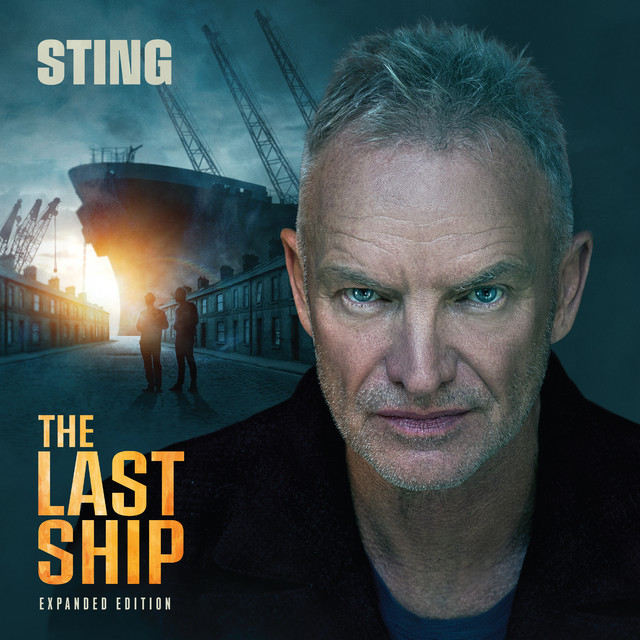
The Last Ship (Expanded Edition)
Sting
Sophisti-Pop
Folk
Pop
2024
All We Get Is Life
John Cage, John Dowland, Sting, Dominic Miller; Jean-Christophe Groffe, Ziv Bra…
Classical
2023
In Celebration: The Piano Trios of Stanley Silverman
Stanley Silverman, Sting, Kalichstein-Laredo-Robinson Trio
Classical Piano Trio
2022
3
/5
Russians (Guitar/Cello Version)
Sting
Sophisti-Pop
2021
The Bridge
Sting
Jazz
Pop
Rock
2016
57th & 9th
Sting
Pop
Pop Rock
Rock
2014
The Last Ship: Original Broadway Cast Recording
Sting
Musical
2010
Symphonicities
Sting
Classical
Pop
Rock
2009
If on a Winter’s Night…
Sting
Christmas Music
Folk
Pop
2006
2
/5
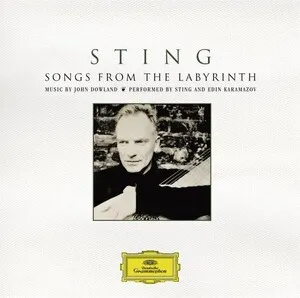
Songs From the Labyrinth
John Dowland / Robert Johnson
Elizabethan Song
Art Song
Classical
2003
Sacred Love
Sting
Pop
Rock
Soft Rock
2000
Dolphins
Sting & Steve Wood
Classical
Pop
Pop Rock
1999
Brand New Day
Sting
Pop
Pop Rock
Rock
1999
3
/5
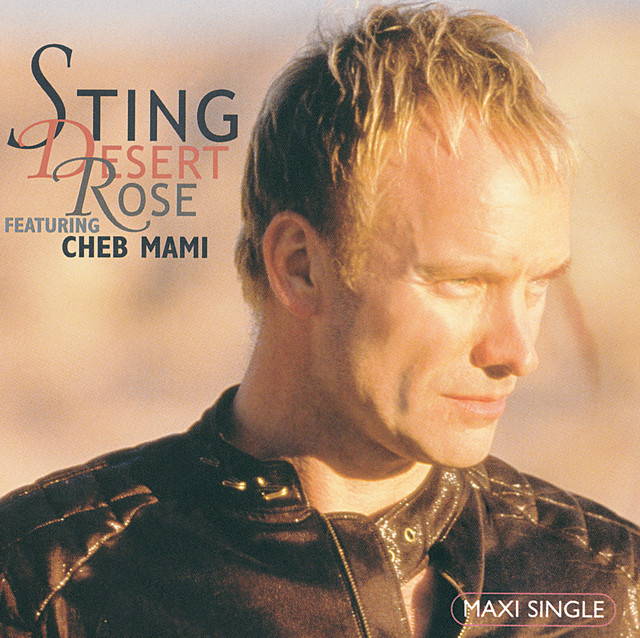
Desert Rose
Sting
Sophisti-Pop
1996
Mercury Falling
Sting
Adult Contemporary
Rock
Soft Rock
1995
The Living Sea: Soundtrack From the IMAX Film
Sting
Electronic
New Age
Pop Rock
1993
Demolition Man
Sting
New Wave
Rock
1993
4
/5
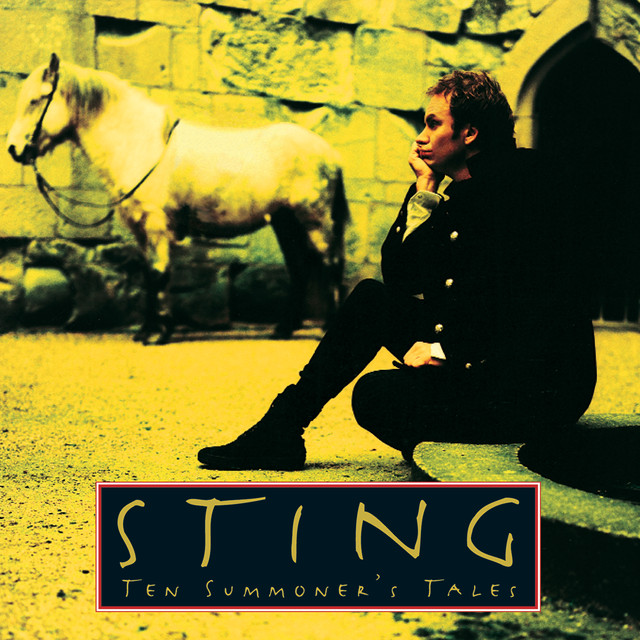
Ten Summoner's Tales
Sting
Adult Contemporary
Sophisti-Pop
Pop Rock
1991
The Soul Cages
Sting
Adult Contemporary
Pop Rock
Rock
1987
4
/5
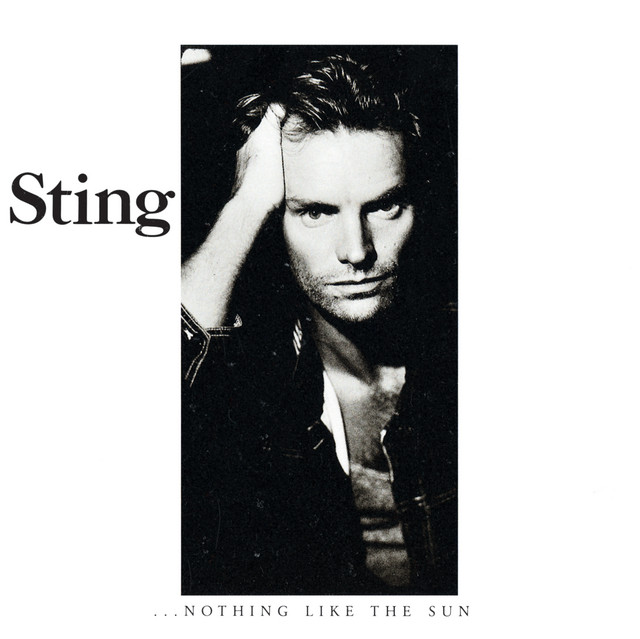
...Nothing Like the Sun
Sting
Worldbeat
Sophisti-Pop
Pop Rock
1985
4
/5
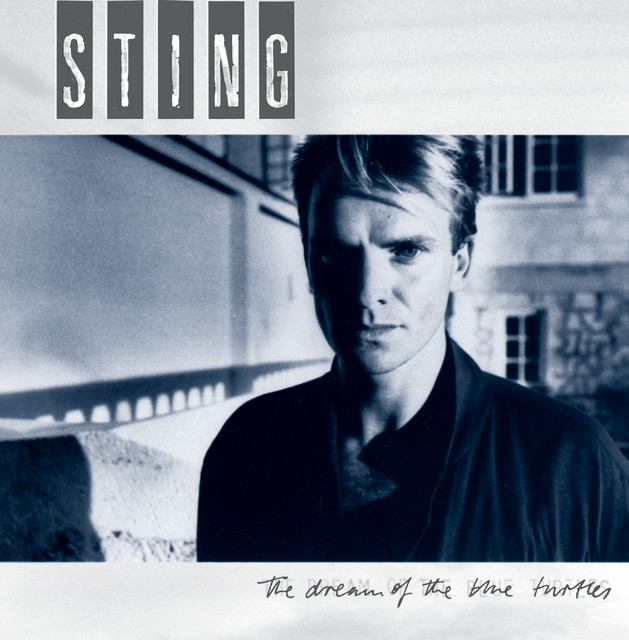
The Dream Of The Blue Turtles
Sting
Sophisti-Pop
Adult Contemporary
Pop
Similar artists
Hide discovered
1
/5
Various Artists
Soundtrack
Afro-Funk
Alternative Rock
4
/5
Steely Dan
Pop Rock
Jazz Rock
Yacht Rock
5
/5
Elton John
Piano Rock
Pop
Pop Rock
4
/5
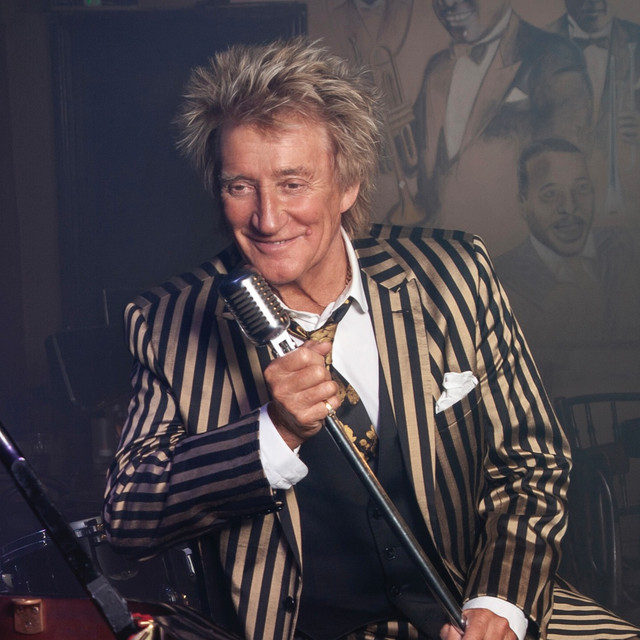
Rod Stewart
Pop
Rock
Pop Rock
4
/5
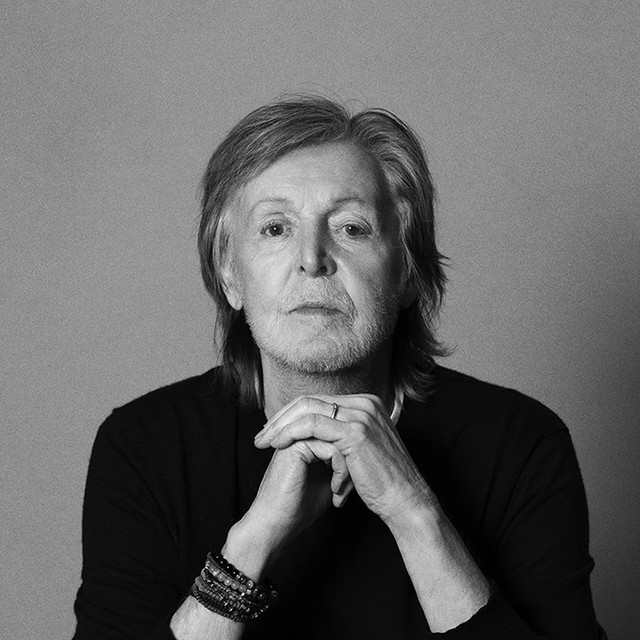
Paul McCartney
Pop
Pop Rock
Rock
5
/5
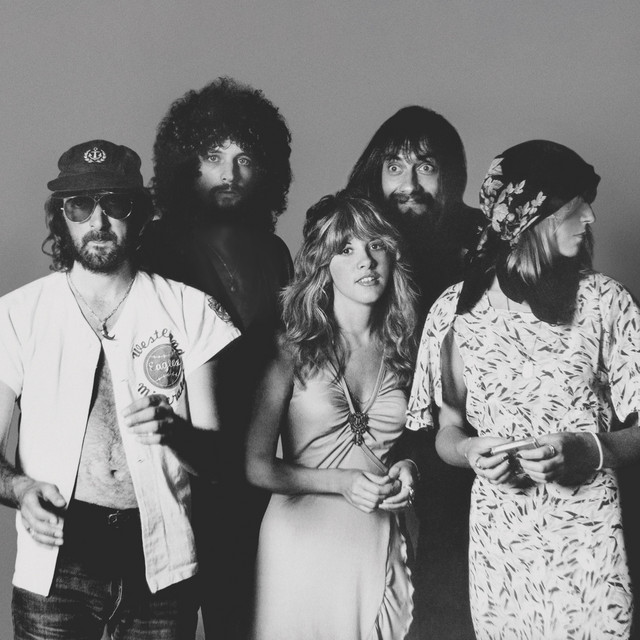
Fleetwood Mac
Rock
Blues Rock
Soft Rock
4
/5
America
Soft Rock
Rock
Folk Rock
4
/5
The Doobie Brothers
Rock
Pop Rock
Classic Rock
5
/5
Bryan Adams
Heartland Rock
Rock
Pop Rock
4
/5
Daryl Hall & John Oates
Blue-Eyed Soul
Pop Rock
Pop
Download our mobile app
Get the Melodigging app and start digging for new genres on the go
Download on the App Store
Get it on Google Play
© 2026 Melodigging
Give feedback
About & FAQ
Legal
Melodding was created as a tribute to
Every Noise at Once
, which inspired us to help curious minds keep digging into music's ever-evolving genres.