Genres
Make Music
Artists
Albums
Challenges
Sign in
Sign in
Albums
By Sting
Albums
By Sting
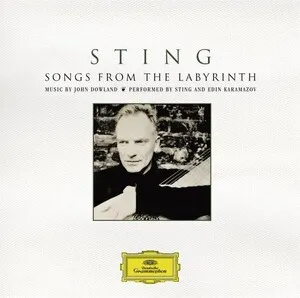
Songs From the Labyrinth
October 10, 2006
Listen
2
/5
Genres
Art Song
Art song is an intimate, concert-music genre in which a poetic text is set for solo voice with an equally integral piano accompaniment. Unlike popular song, it is composed for attentive listening in the recital hall or salon, and unlike opera, it does not require staging or multiple characters. The genre privileges prosody, word-painting, and subtle harmonic color to illuminate imagery and emotion in the poem. Forms range from strophic and modified strophic to fully through-composed designs, and the piano often supplies prelude, interludes, and a telling postlude that extends or reframes the text’s sentiment. German Lieder, French mélodie, and English-language art song are the best-known national currents within this tradition.
Discover
Listen
Elizabethan Song
Elizabethan song refers primarily to the English solo song with lute (often called the ayre), and the related consort song for voice with a viol consort, cultivated during the reign of Elizabeth I. Typically strophic and text-led, these songs set courtly, pastoral, or amorous poetry in clear, singable melodies supported by contrapuntal or chordal lute accompaniments. Hallmarks include finely balanced prosody, vivid word-painting, and modal harmony (often Aeolian, Dorian, and Mixolydian) gradually shading toward early tonal cadences. The style sits between popular and learned traditions: it borrows memorable tunefulness from ballad and dance idioms while deploying Renaissance contrapuntal craft. Songs were circulated in printed partbooks and lute tablature, intended for both courtly performance and domestic music-making. The repertory remains prized for its intimate expressivity, rhetorical clarity, and refined yet approachable musical language.
Discover
Listen
Classical
Classical music is the notated art-music tradition of Europe and its global descendants, characterized by durable forms, carefully codified harmony and counterpoint, and a literate score-based practice. The term “classical” can refer broadly to the entire Western art-music lineage from the Medieval era to today, not just the Classical period (c. 1750s–1820s). It privileges long-form structures (such as symphonies, sonatas, concertos, masses, and operas), functional or modal harmony, thematic development, and timbral nuance across ensembles ranging from solo instruments to full orchestras and choirs. Across centuries, the style evolved from chant and modal polyphony to tonal harmony, and later to post-tonal idioms, while maintaining a shared emphasis on written notation, performance practice, and craft.
Discover
Listen
Similar albums
1992
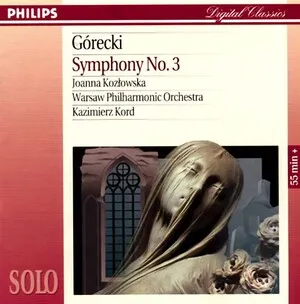
Symphony No. 3
Henryk Mikołaj Górecki
1967
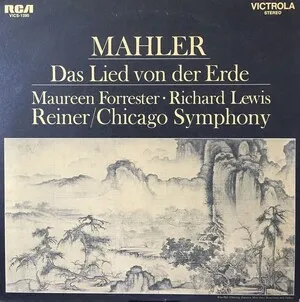
Das Lied von der Erde
Gustav Mahler
1986
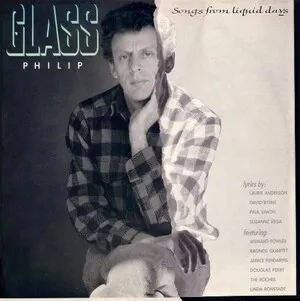
Songs From Liquid Days
Philip Glass / The Philip Glass Ensemble / Michael Riesman
2016
Socrate
Erik Satie / Barbara Hannigan / Reinbert de Leeuw
1995
Symphony No. 3
Henryk Mikołaj Górecki
1959
Das Lied von der Erde
Gustav Mahler
1998
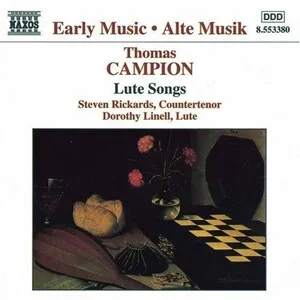
Lute Songs
Thomas Campion / Philip Rosseter
2014
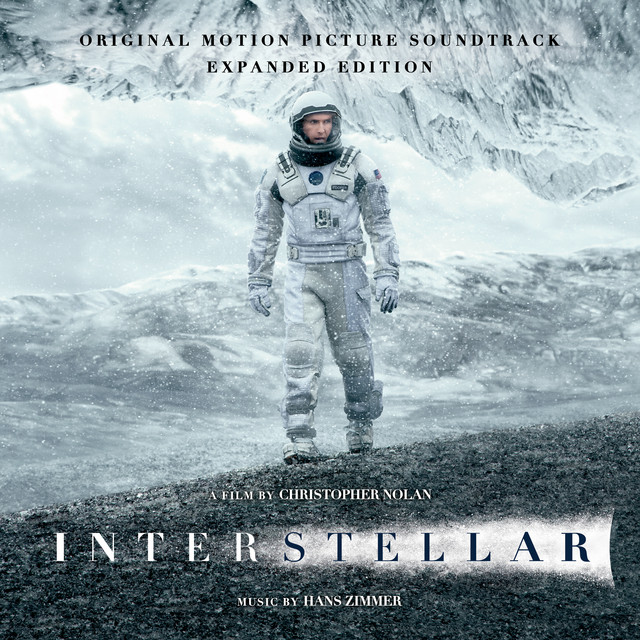
Interstellar (Original Motion Picture Soundtrack) [Expanded Edition]
Hans Zimmer
2013
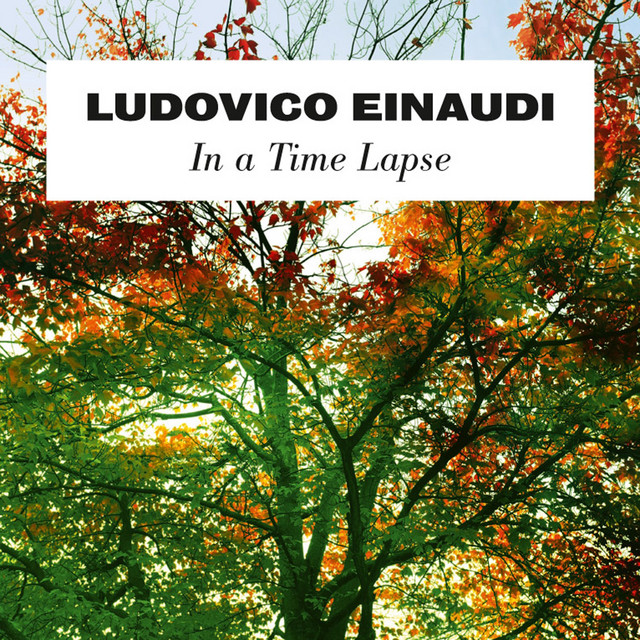
In a Time Lapse
Ludovico Einaudi
2004
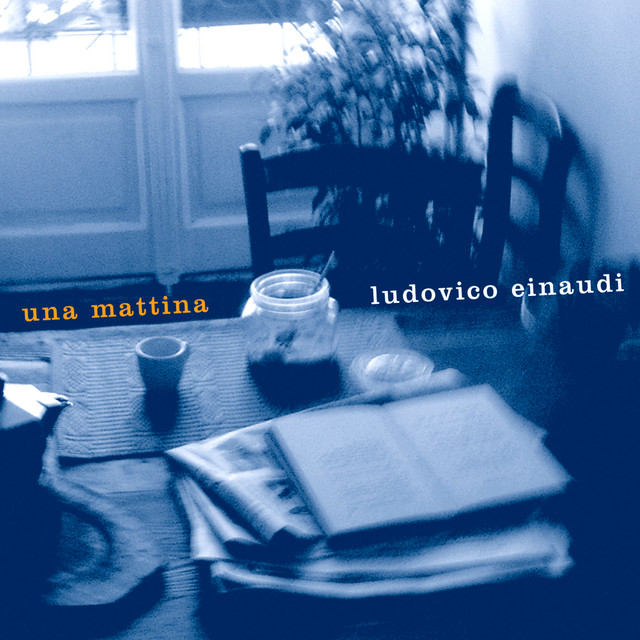
Una Mattina
Ludovico Einaudi
Download our mobile app
Get the Melodigging app and start digging for new genres on the go
Download on the App Store
Get it on Google Play
© 2026 Melodigging
Give feedback
Legal
Melodding was created as a tribute to
Every Noise at Once
, which inspired us to help curious minds keep digging into music's ever-evolving genres.