Genres
Make Music
Artists
Albums
Challenges
Sign in
Sign in
Albums
By Thomas Campion
Albums
By Thomas Campion
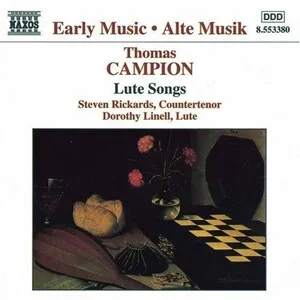
Lute Songs
June 16, 1998
Listen
1
/5
Genres
Elizabethan Song
Elizabethan song refers primarily to the English solo song with lute (often called the ayre), and the related consort song for voice with a viol consort, cultivated during the reign of Elizabeth I. Typically strophic and text-led, these songs set courtly, pastoral, or amorous poetry in clear, singable melodies supported by contrapuntal or chordal lute accompaniments. Hallmarks include finely balanced prosody, vivid word-painting, and modal harmony (often Aeolian, Dorian, and Mixolydian) gradually shading toward early tonal cadences. The style sits between popular and learned traditions: it borrows memorable tunefulness from ballad and dance idioms while deploying Renaissance contrapuntal craft. Songs were circulated in printed partbooks and lute tablature, intended for both courtly performance and domestic music-making. The repertory remains prized for its intimate expressivity, rhetorical clarity, and refined yet approachable musical language.
Discover
Listen
Renaissance
Renaissance music (c. 1400–1600) marks the shift from medieval sonorities to a clearer, triad-based polyphony in which multiple independent voices are treated with near-equal importance. It favors modal counterpoint, pervasive imitation, smooth voice-leading, and carefully prepared cadences. Text intelligibility and expressive text-setting become central concerns, especially in sacred motets and masses and in secular forms like the Italian madrigal and the French chanson. While much of the repertory is a cappella, instrumental consorts (viol, recorder, sackbut, cornett, organ) play a growing role. A steady tactus underpins rhythms, and tuning systems such as meantone temperament shape its characteristic color. Music printing (from 1501) accelerates stylistic diffusion across Europe.
Discover
Listen
Classical
Classical music is the notated art-music tradition of Europe and its global descendants, characterized by durable forms, carefully codified harmony and counterpoint, and a literate score-based practice. The term “classical” can refer broadly to the entire Western art-music lineage from the Medieval era to today, not just the Classical period (c. 1750s–1820s). It privileges long-form structures (such as symphonies, sonatas, concertos, masses, and operas), functional or modal harmony, thematic development, and timbral nuance across ensembles ranging from solo instruments to full orchestras and choirs. Across centuries, the style evolved from chant and modal polyphony to tonal harmony, and later to post-tonal idioms, while maintaining a shared emphasis on written notation, performance practice, and craft.
Discover
Listen
Similar albums
1980
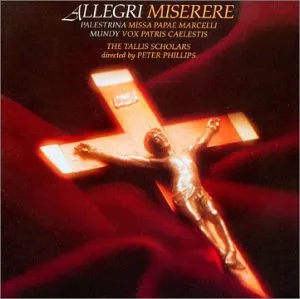
Miserere / Missa Papae Marcelli / Vox Patris caelestis
Gregorio Allegri / The Tallis Scholars / Peter Phillips
1985
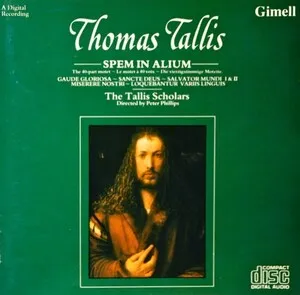
Spem in alium
Thomas Tallis / The Tallis Scholars / Peter Phillips
1994
Miserere; Messe; Motets
Gregorio Allegri / A Sei Voci
2001
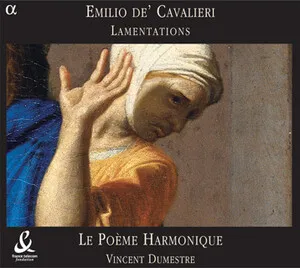
Lamentations
Emilio de' Cavalieri / Le Poème Harmonique / Vincent Dumestre
2006
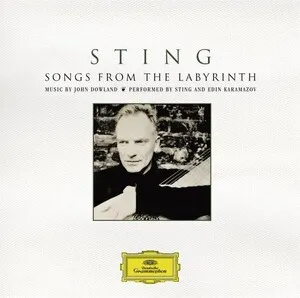
Songs From the Labyrinth
John Dowland / Robert Johnson
2020
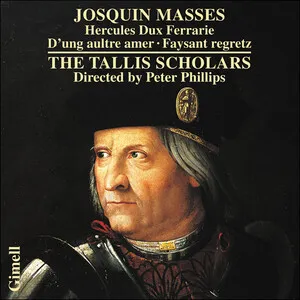
Josquin Masses: Hercules dux Ferrarie; D'ung aultre amer; Faysant regretz
Josquin des Prés / The Tallis Scholars / Peter Phillips
2004
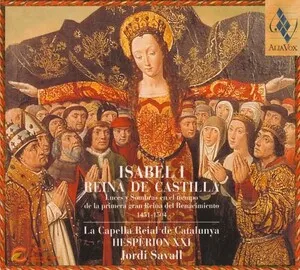
Isabel I, reina de Castilla: Luces y sombras en el tiempo de la primera gran reina del Renacimiento 1451-1504
[anonymous]
1979
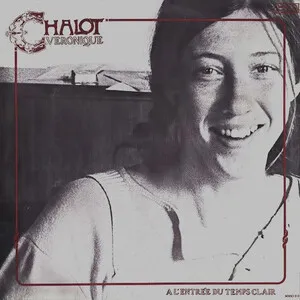
À l'entrée du temps clair
Véronique Chalot
1995
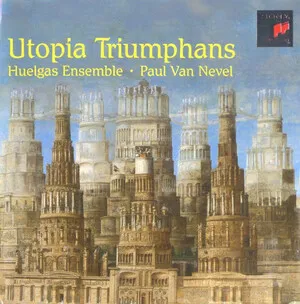
Utopia triumphans
Thomas Tallis / Huelgas Ensemble / Paul Van Nevel
2000
Quinto libro de' Madrigali
Claudio Monteverdi / Concerto Italiano / Rinaldo Alessandrini
Download our mobile app
Get the Melodigging app and start digging for new genres on the go
Download on the App Store
Get it on Google Play
© 2026 Melodigging
Give feedback
Legal
Melodding was created as a tribute to
Every Noise at Once
, which inspired us to help curious minds keep digging into music's ever-evolving genres.