Genres
Artists
Albums
Make Music
Sign in
Sign in
Artists
Deathrash
Artists
Deathrash
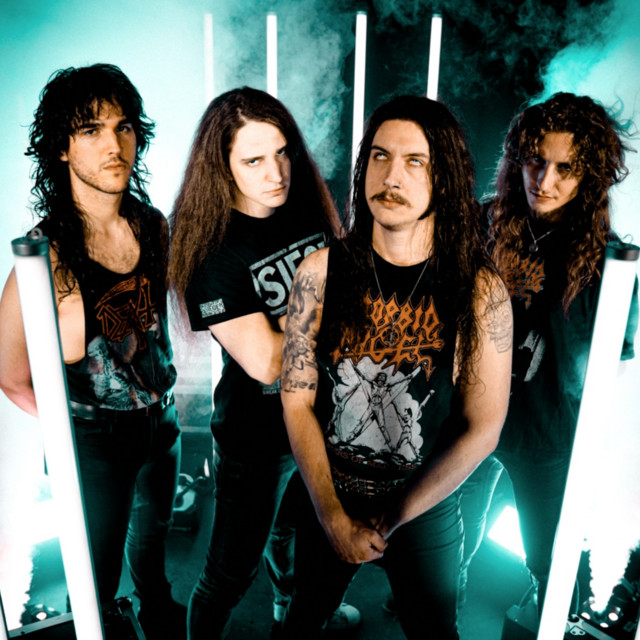
Schizophrenia
2020–2022
·
2 albums
Listen
2
/5
Genres
New Wave Of Speed Metal
The new wave of speed metal is a 2010s revivalist movement that resurrects the breakneck tempos, razor‑edged riffing, and high‑energy songwriting of classic 1980s speed metal. It favors twin‑guitar harmonies, athletic rhythm sections, and soaring, clean vocals that deliver anthemic hooks. Unlike the harsher edge of thrash, this wave leans into melodicism and precision: galloping rhythms, tightly palm‑muted alternate‑picked riffs, and flamboyant guitar solos. Production tends to be crisp but analog‑minded, evoking vintage warmth while meeting modern loudness and clarity.
Discover
Listen
New Wave Of Osdm
New Wave of OSDM (Old School Death Metal) is a 2010s–present revival movement that resurrects the aesthetics, riffcraft, and production ethos of late-1980s/early-1990s death metal. It favors down‑tuned guitars, chromatic riffing, guttural vocals, and an organic, unpolished sound that feels tactile and oppressive rather than hyper‑edited. Stylistically it triangulates the Floridian school’s technical menace, the Incantation/Autopsy murk and doom-laden crawl, and the Swedish HM‑2 “buzzsaw” bite—often within the same album. Songs pivot between d‑beat churn, mid‑paced stomps, lurching death‑doom passages, and short blasts, with bass prominent in the mix and drums captured with room ambience. Lyrically and visually, the movement leans on cosmic horror, rot, mysticism, war, and underground tape‑trader aesthetics, sustained by DIY labels and a thriving cassette/vinyl culture. Rather than museum‑piece nostalgia, the scene treats classic techniques as living practice: updating arrangement flow, atmosphere, and harmonic color while preserving the genre’s primal heft.
Discover
Listen
New Wave Of Thrash Metal
New wave of thrash metal is a modern revival movement that re-emphasizes the core traits of 1980s thrash metal: fast tempos, palm-muted riffing, sharp down-picked rhythms, and urgent, confrontational energy. Compared to many 1990s and early-2000s metal trends, it typically favors rawer guitar tones, simpler (but very tight) song structures, and riff-first writing. The style often blends classic Bay Area and Teutonic thrash vocabulary with contemporary recording clarity and occasional crossover-hardcore bite, while generally avoiding the extreme technicality or low-end focus associated with technical death metal or modern metalcore.
Discover
Listen
Deathrash
Deathrash is a hybrid metal style that fuses the speed, palm‑muted riffing, and structural clarity of thrash metal with the harsher timbres, lower tunings, and vocal extremity of death metal. Guitars typically combine galloping, down‑picked thrash rhythms with death‑metal tremolo lines, while drums move from skank beats and double‑kick patterns into rapid fills and occasional blasts. Vocals range from savage thrash snarls to mid‑to‑low death growls. Themes often dwell on death, occultism, warfare, and apocalyptic imagery, delivered with a raw, high‑energy attack. The overall sound is tight, fast, and aggressive, emphasizing precise right‑hand picking, minor/chromatic harmony, and a gritty, unpolished production aesthetic that retains clarity at high tempos.
Discover
Listen
Death Metal
Death metal is an extreme subgenre of heavy metal defined by heavily distorted, low‑tuned guitars, rapid and complex riffing, blast beat drumming, and harsh guttural vocals. Its harmonic language favors chromaticism, dissonance, and tremolo-picked lines that create an ominous, abrasive atmosphere. Lyrically, death metal often explores dark or transgressive themes—mortality, mythology, anti-religion, psychological horror, and the macabre—sometimes with philosophical or social commentary. Production ranges from raw and cavernous to hyper-precise and technical, reflecting the genre’s many regional scenes and substyles. From the mid‑1980s Florida scene (Tampa) and parallel developments in the US, UK, and Sweden, death metal evolved into numerous branches including brutal death metal, technical death metal, melodic death metal, and death‑doom, each emphasizing different aspects of speed, complexity, melody, or heaviness.
Discover
Listen
Thrash Metal
Thrash metal is an extreme subgenre of heavy metal defined by blistering tempos, tightly palm‑muted low‑register riffs, and sharp, aggressive execution. Songs commonly drive at 180–240 BPM, pairing chugging, down‑picked rhythms with shredding leads and rapid alternate‑picked lines. Drumming emphasizes double‑kick work, skank/D‑beat patterns, and abrupt, syncopated accents that lock tightly with the guitars. Vocals range from rough, shouted delivery to snarling barks and occasionally cleaner, declamatory phrasing. Lyrically, thrash favors social critique, anti‑authoritarian themes, war and dystopia, and street‑level realism, matching the music’s urgency. The overall aesthetic is lean, fast, and technical—channeling the speed and directness of hardcore punk through the tonal weight and precision of heavy metal.
Discover
Listen
Metal
Metal (often used to mean heavy metal in its broad, umbrella sense) is a loud, guitar-driven style of rock defined by high-gain distortion, emphatic and often martial rhythms, and a dense, powerful low end. It foregrounds riff-based songwriting, dramatic dynamics, virtuosic guitar solos, and commanding vocals that range from melodic wails to aggressive snarls and growls. Harmonically, metal favors minor modes, modal color (Aeolian, Phrygian), chromaticism, and tritone-inflected tension, while thematically it explores power, mythology, the occult, social critique, fantasy, and existential subjects. While adjacent to hard rock, metal typically pushes amplification, distortion, precision, and thematic intensity further, forming a foundation for many specialized subgenres.
Discover
Listen
Rock
Rock is a broad family of popular music centered on amplified instruments, a strong backbeat, and song forms that foreground riffs, choruses, and anthemic hooks. Emerging from mid‑20th‑century American styles like rhythm & blues, country, and gospel-inflected rock and roll, rock quickly expanded in scope—absorbing folk, blues, and psychedelic ideas—while shaping global youth culture. Core sonic markers include electric guitar (often overdriven), electric bass, drum kit emphasizing beats 2 and 4, and emotive lead vocals. Rock songs commonly use verse–chorus structures, blues-derived harmony, and memorable melodic motifs, ranging from intimate ballads to high‑energy, stadium‑sized performances.
Discover
Listen
Show all 8 genres
Albums
2022
2
/5
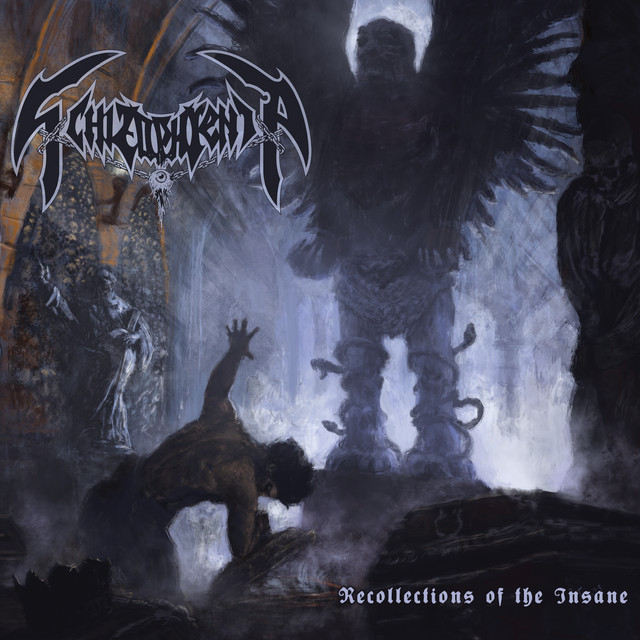
Recollections of the Insane
Schizophrenia
Deathrash
Death Metal
Metal
2020
2
/5
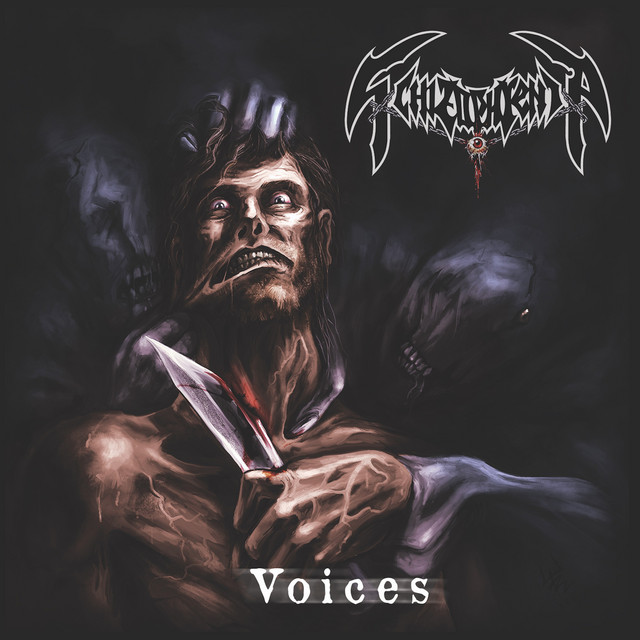
Voices
Schizophrenia
Deathrash
Death Metal
Rock
Similar artists
2
/5
Legion Of The Damned
Deathrash
Death Metal
Metal
1
/5
Various Artists
Afro-Funk
Alternative Rock
Ambient
2
/5
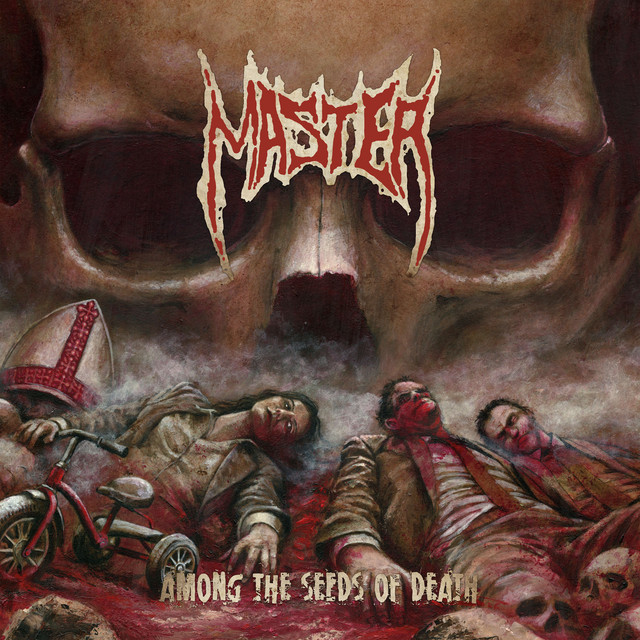
Master
Deathrash
Death Metal
Thrash Metal
2
/5
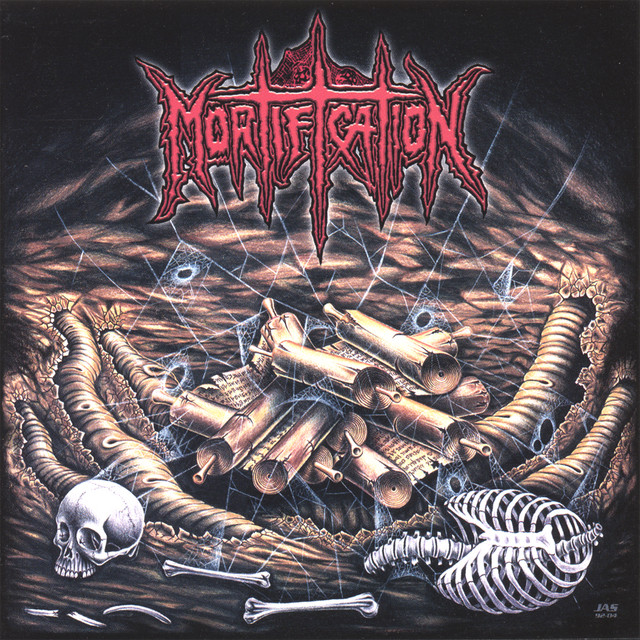
Mortification
Deathrash
Death Metal
Christian Rock
2
/5
Darkane
Deathrash
Gothenburg Sound
Rock
1
/5
Protector
Deathrash
Death Metal
Teutonic Thrash Metal
1
/5
Massacra
Death Metal
Deathrash
Black Thrash
2
/5
Sadus
Thrash Metal
Death Metal
Technical Thrash
2
/5
Repugnant
Death Metal
Deathrash
Rock
4
/5
Gojira
French Death Metal
Progressive Groove Metal
Progressive Metal
Download our mobile app
Get the Melodigging app and start digging for new genres on the go
Download on the App Store
Get it on Google Play
© 2026 Melodigging
Give feedback
Legal
Melodding was created as a tribute to
Every Noise at Once
, which inspired us to help curious minds keep digging into music's ever-evolving genres.