Your digging level
Description
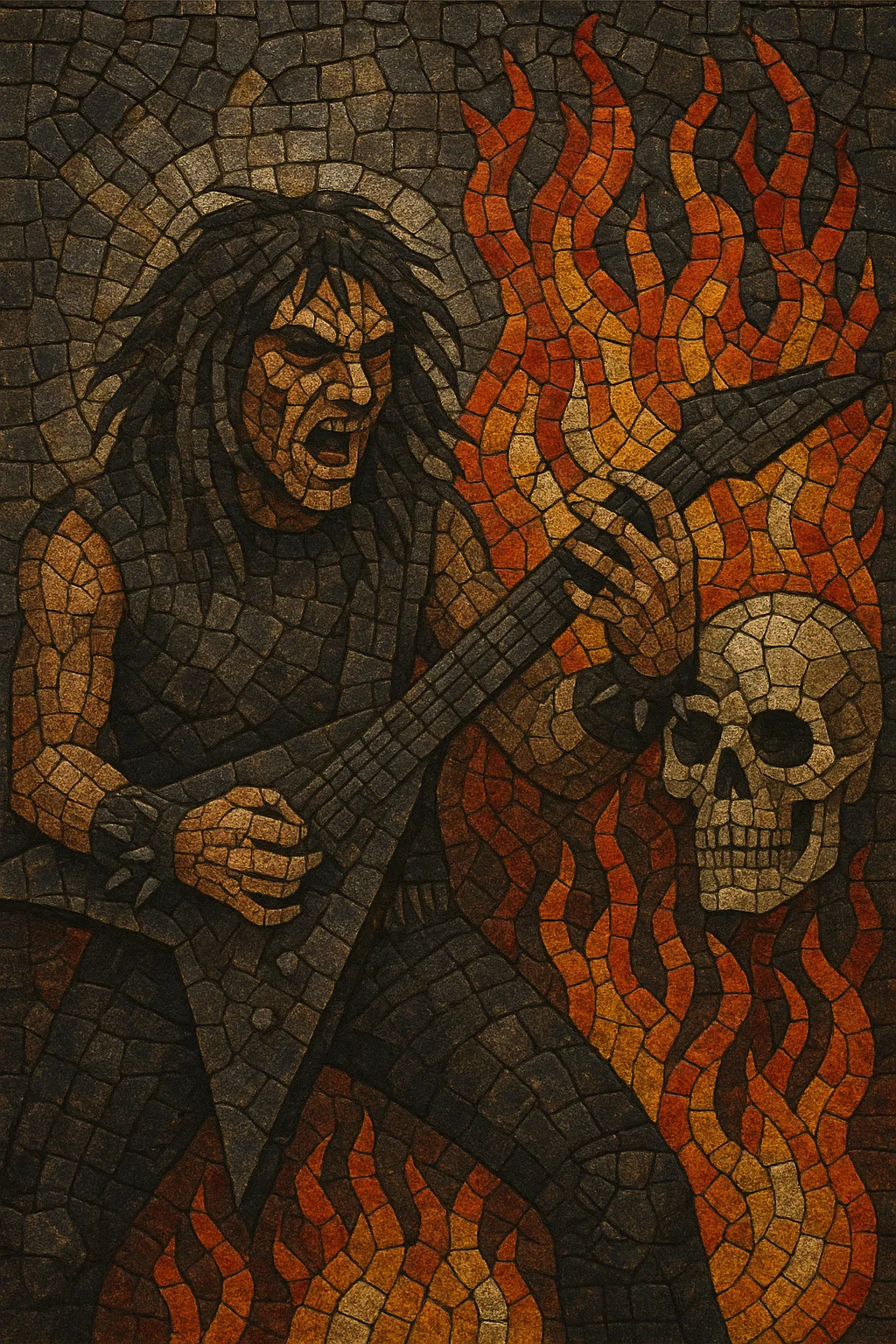
Deathrash is a hybrid metal style that fuses the speed, palm‑muted riffing, and structural clarity of thrash metal with the harsher timbres, lower tunings, and vocal extremity of death metal.
Guitars typically combine galloping, down‑picked thrash rhythms with death‑metal tremolo lines, while drums move from skank beats and double‑kick patterns into rapid fills and occasional blasts. Vocals range from savage thrash snarls to mid‑to‑low death growls. Themes often dwell on death, occultism, warfare, and apocalyptic imagery, delivered with a raw, high‑energy attack.
The overall sound is tight, fast, and aggressive, emphasizing precise right‑hand picking, minor/chromatic harmony, and a gritty, unpolished production aesthetic that retains clarity at high tempos.

History
Deathrash emerged during the mid‑to‑late 1980s as thrash metal was reaching peak speed and extremity and the first wave of death metal was coalescing. Tape‑trading circles and underground zines used the term to describe bands whose sound sat between the genres: faster, darker, and more guttural than typical thrash, yet still anchored to thrash’s riff logic and song structures.
Seminal recordings include Possessed’s Seven Churches (1985), Slayer’s Hell Awaits (1985) and Reign in Blood (1986) as proto touchstones, Kreator’s Pleasure to Kill (1986), Sodom’s Obsessed by Cruelty (1986), Sepultura’s Bestial Devastation/Morbid Visions (1985–86), Pestilence’s Malleus Maleficarum (1988), Sadus’s Illusions (1988), and early Vader demos. These works helped push thrash toward harsher vocals, lower tunings, and more chromatic riffing—key attributes of deathrash and early death metal.
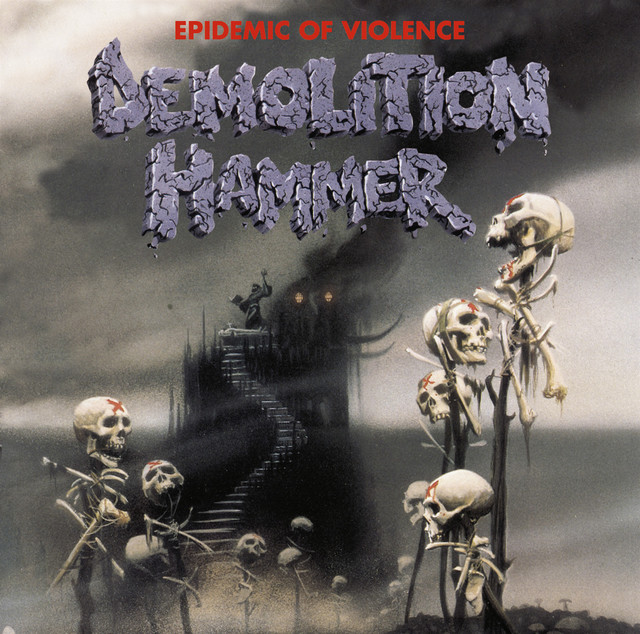
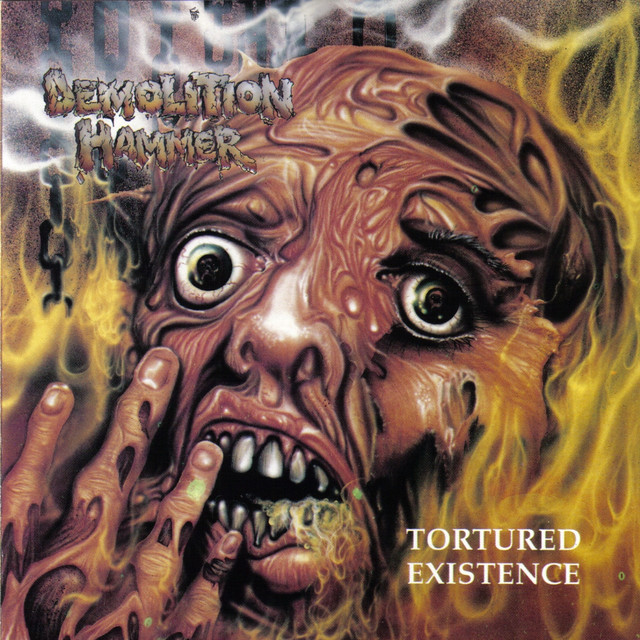
As death metal established its own identity in the early 1990s, many bands either moved fully into death metal or remained on the thrash side. Nevertheless, a distinct death/thrash current persisted, particularly in Europe and Latin America, with acts like Protector, Merciless, Demolition Hammer, and Morbid Saint known for relentless tempos and death‑leaning vocals.
From the 2000s onward, a revivalist streak—often labeled death/thrash—surfaced with bands such as Dew‑Scented, Legion of the Damned, The Crown, and others. Modern productions tightened performances and low‑end while retaining the style’s core attributes: thrash’s precision and velocity combined with death metal’s vocal and harmonic extremity. Contemporary scenes continue to use “deathrash” interchangeably with “death/thrash,” honoring the transitional roots while supporting new, high‑energy releases.