Genres
Artists
Albums
Make Music
Sign in
Sign in
Artists
Medieval
Artists
Medieval
Sarband
1990–1997
·
3 albums
Listen
1
/5
Genres
Neofolk
Neofolk is a post-industrial offshoot that blends traditional acoustic folk instrumentation with the austere atmospheres, ritual rhythms, and poetic sensibilities of the industrial and post-punk underground. It often features intimate acoustic guitars, baritone or chant-like vocals, martial or processional percussion, drones, and sparse strings or harmonium. Thematically, neofolk is preoccupied with memory, myth, and modernity—drawing on pagan or pre-Christian motifs, Romantic poetry, war-time remembrance, esoteric philosophy, and nature mysticism. The sound tends to be minimal and deliberate, favoring modal harmony and restrained dynamics that sharpen lyrical focus and mood. While sometimes called “apocalyptic folk,” the label describes the tone rather than a single ideology, as artists span a wide range of personal and political stances.
Discover
Listen
Electronic
Electronic is a broad umbrella genre defined by the primary use of electronically generated or electronically processed sound. It encompasses music made with synthesizers, drum machines, samplers, computers, and studio/tape techniques, as well as electroacoustic manipulation of recorded or synthetic sources. The genre ranges from academic and experimental traditions to popular and dance-oriented forms. While its sonic palette is rooted in electricity and circuitry, its aesthetics span minimal and textural explorations, structured song forms, and beat-driven club permutations. Electronic emphasizes sound design, timbre, and studio-as-instrument practices as much as melody and harmony.
Discover
Listen
Andalusian Folk Music
Andalusian folk music is the traditional music of Andalusia in southern Spain, closely associated with regional song, dance, and especially the cultural world that gave rise to flamenco. It draws on a long historical mix of Iberian, Romani, Moorish-Andalusi, Sephardic Jewish, and broader Mediterranean influences, but in its better-known modern form it is most strongly identified with music and dance traditions developed from the 18th century onward in Andalusia. The genre is marked by expressive singing, modal melodic language, rich ornamentation, flexible rhythm, handclaps, guitar accompaniment, and strong links to dance. In many contexts, "Andalusian folk music" refers to the wider traditional musical environment of Andalusia from which flamenco emerged and within which forms such as fandangos, seguidillas, saetas, sevillanas, and other regional styles have circulated. As reflected in the supplied external description, it is especially connected with the flamenco traditions of Andalusia and with the Romani communities of the region, known locally as gitanos, who played a major role in shaping its post-18th-century development.
Discover
Listen
Turkish Classical
Turkish classical (Ottoman/Turkish art music) is a refined modal art tradition centered on the makam (scale/melodic behavior) system and cyclical rhythms called usul. It developed in the Ottoman court, Mevlevi lodges, and urban salons, using an intimate chamber instrumentation (ney, tanbur, ud, kemençe, kanun, keman) and highly ornamented vocal lines. Compositions follow characteristic forms such as peşrev and saz semaisi (instrumental), as well as vocal forms like beste, kar, semai, yürük semai, and the later şarkı. Improvisation (taksim) introduces and connects sections, exploring the seyir (melodic path) of the chosen makam with nuanced microtonal inflections. Its aesthetic emphasizes subtle emotion, controlled ornamentation, and measured development, with repertoire spanning sacred (Mevlevi ayin) and secular works. The tradition balances composed structure and spontaneous improvisation, cultivated through the meşk (master–apprentice) pedagogy.
Discover
Listen
Sephardic Music
Sephardic music is the song and liturgical tradition of the Sephardic Jews—descendants of the Jewish communities of medieval Iberia—carried and reshaped across the Mediterranean after the 1492 expulsion from Spain. It encompasses both secular Judeo‑Spanish (Ladino) repertories of romances, kantikas, and life‑cycle songs, and sacred Hebrew piyyutim set to modal melodies. Musically it blends medieval Iberian balladry with the modal systems and rhythmic cycles of the Ottoman, Maghrebi, and Balkan worlds. Melodies often use maqam-like modes (e.g., Hijaz/Phrygian dominant, Bayat, Nahawand), asymmetrical “aksak” meters (7/8, 9/8, 10/8), and ornamented, melismatic vocal lines. Typical instruments include oud, qanun, violin, guitar, clarinet, and frame drums such as riq, bendir, and daf, with textures that are primarily monophonic or heterophonic rather than harmonically driven.
Discover
Listen
Classical
Classical music is the notated art-music tradition of Europe and its global descendants, characterized by durable forms, carefully codified harmony and counterpoint, and a literate score-based practice. The term “classical” can refer broadly to the entire Western art-music lineage from the Medieval era to today, not just the Classical period (c. 1750s–1820s). It privileges long-form structures (such as symphonies, sonatas, concertos, masses, and operas), functional or modal harmony, thematic development, and timbral nuance across ensembles ranging from solo instruments to full orchestras and choirs. Across centuries, the style evolved from chant and modal polyphony to tonal harmony, and later to post-tonal idioms, while maintaining a shared emphasis on written notation, performance practice, and craft.
Discover
Listen
Medieval
Medieval music refers to the diverse sacred and secular musical practices of Europe between the fall of the Western Roman Empire and the dawn of the Renaissance. It spans more than eight centuries, from early monophonic chant to the first notated polyphony. Core features include the use of church modes rather than major/minor, extensive reliance on vocal music (Latin sacred chant as well as vernacular song), and the progressive development from unmeasured chant to rhythmic modal notation and, later, mensural notation. Texture evolves from monophony (plainchant, troubadour songs) to organum, conductus, and the motet, culminating in complex isorhythmic works by the late 13th–14th centuries. Secular traditions—troubadours and trouvères in France, Minnesänger in German lands, and the Iberian Cantigas—coexisted with and influenced sacred practice. Instruments such as the vielle, harp, psaltery, recorder, shawm, hurdy-gurdy, and portative organ often doubled or accompanied voices, though much music remained purely vocal.
Discover
Listen
Show all 7 genres
Albums
1997
1
/5
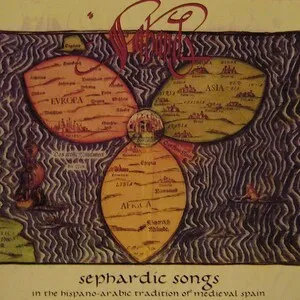
Sephardic Songs: In the Hispanic-Arabic Tradition of Medieval Spain
Sarband
Andalusian Folk Music
Sephardic Music
1991
1
/5
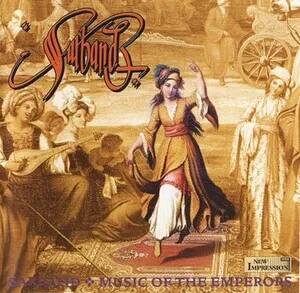
Music of the Emperors
Sarband
Turkish Classical
Classical
Electronic
1990
1
/5
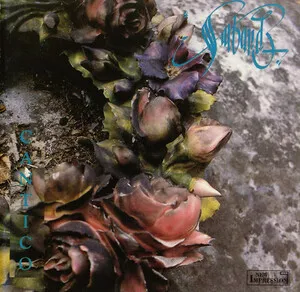
Cantico
Sarband
Turkish Classical
Classical
Electronic
Similar artists
5
/5
Hans Zimmer
Country Dawn
Soundtrack
Classical
3
/5
Faun
Medieval Rock
Folk
Neofolk
1
/5
Various Artists
Afro-Funk
Alternative Rock
Ambient
3
/5
Jordi Savall
Renaissance
Baroque
Classical
2
/5
Hespèrion XXI
Medieval
Renaissance
Classical Performance
3
/5
Wardruna
Neofolk
Rune Folk
Viking Folk
3
/5
Danheim
Neofolk
Rune Folk
Viking Folk
3
/5
Paul Hillier
Choral
Minimalism
Classical
4
/5
Traditional
Gregorian Chant
Spanish Classical Music
Medieval Classical Music
3
/5
Heilung
Dark Folk
Rune Folk
Neofolk
Download our mobile app
Get the Melodigging app and start digging for new genres on the go
Download on the App Store
Get it on Google Play
© 2026 Melodigging
Give feedback
Legal
Melodding was created as a tribute to
Every Noise at Once
, which inspired us to help curious minds keep digging into music's ever-evolving genres.