Genres
Artists
Albums
Make Music
Sign in
Sign in
Artists
Stenchcore
Artists
Stenchcore
Sacrilege
1987–2024
·
6 albums
Listen
2
/5
Genres
Melodic Death Metal
Melodic death metal (often shortened to melodeath) blends the speed, aggression, and harsh vocals of death metal with the harmonized guitar leads, memorable melodies, and songcraft of traditional heavy metal and thrash. It is characterized by twin‑guitar harmonies, fast tremolo riffs, punchy palm‑muted rhythms, and growled or screamed vocals, often contrasted with catchy, clearly articulated lead lines. Compared to traditional death metal, the genre favors stronger tonal centers, consonant interval harmonies (thirds and sixths), and more accessible structures, while retaining double‑kick intensity and occasional blast beats. Production tends to be tighter and clearer than early death metal, and many bands incorporate keyboards for texture. The style is strongly associated with the early–mid 1990s Gothenburg scene in Sweden, though parallel strains also emerged in the UK and Finland.
Discover
Listen
Stenchcore
Stenchcore is a dark, metallic strain of crust punk that emerged in the mid-1980s United Kingdom. It blends the d-beat drive and political urgency of anarcho/crust punk with the weight, riffing vocabulary, and atmosphere of early extreme metal. The style is characterized by downtuned, overdriven guitars; mid-to-fast d-beat and double-time passages interspersed with slower, doomy sections; and a bleak, apocalyptic mood cemented by cavernous, murky production. Lyrics typically address war, environmental collapse, authoritarianism, and existential dread, delivered through harsh, barked vocals. The name “stenchcore” nods both to the grimy, reverb-heavy sound and to the macabre, death-tinged imagery common in artwork and themes.
Discover
Listen
Thrash Metal
Thrash metal is an extreme subgenre of heavy metal defined by blistering tempos, tightly palm‑muted low‑register riffs, and sharp, aggressive execution. Songs commonly drive at 180–240 BPM, pairing chugging, down‑picked rhythms with shredding leads and rapid alternate‑picked lines. Drumming emphasizes double‑kick work, skank/D‑beat patterns, and abrupt, syncopated accents that lock tightly with the guitars. Vocals range from rough, shouted delivery to snarling barks and occasionally cleaner, declamatory phrasing. Lyrically, thrash favors social critique, anti‑authoritarian themes, war and dystopia, and street‑level realism, matching the music’s urgency. The overall aesthetic is lean, fast, and technical—channeling the speed and directness of hardcore punk through the tonal weight and precision of heavy metal.
Discover
Listen
Crust Punk
Crust punk is a dark, heavy, and politically charged offshoot of punk that fuses the speed and rawness of hardcore with the weight and bleak atmospheres of metal. It is characterized by abrasive, overdriven guitar tones, pounding D‑beat and double‑time rhythms, and harsh, shouted vocals. Lyrically, crust punk confronts themes such as anti-militarism, anti-fascism, environmental collapse, social decay, and everyday survival under capitalism, often presented through apocalyptic or dystopian imagery. Its sound and message are inseparable from the DIY ethic, squatter culture, and grassroots activism that nurtured the scene.
Discover
Listen
Death Metal
Death metal is an extreme subgenre of heavy metal defined by heavily distorted, low‑tuned guitars, rapid and complex riffing, blast beat drumming, and harsh guttural vocals. Its harmonic language favors chromaticism, dissonance, and tremolo-picked lines that create an ominous, abrasive atmosphere. Lyrically, death metal often explores dark or transgressive themes—mortality, mythology, anti-religion, psychological horror, and the macabre—sometimes with philosophical or social commentary. Production ranges from raw and cavernous to hyper-precise and technical, reflecting the genre’s many regional scenes and substyles. From the mid‑1980s Florida scene (Tampa) and parallel developments in the US, UK, and Sweden, death metal evolved into numerous branches including brutal death metal, technical death metal, melodic death metal, and death‑doom, each emphasizing different aspects of speed, complexity, melody, or heaviness.
Discover
Listen
Speed Metal
Speed metal is a fast, precision-driven branch of heavy metal that crystallized at the turn of the 1980s. It emphasizes aggressive tempos, tightly synchronized riffing, and virtuosic lead guitar work, while generally retaining melodic, often clean or strident vocals. Compared with thrash metal, speed metal tends to be less percussive and more melodic, favoring galloping rhythms, twin-guitar harmonies, and classic verse–chorus structures. Drums often employ rapid double-time feels and double-bass patterns, while bass frequently mirrors the rhythm guitar to reinforce propulsion. Lyrical themes range from rebellion and street realism to fantasy, warfare, and sci‑fi.
Discover
Listen
Hardcore Punk
Hardcore punk is a faster, louder, and more abrasive offshoot of late-1970s punk rock. Songs are typically short (often under two minutes), propelled by rapid tempos, aggressive down‑stroked guitar riffs, and shouted or barked vocals. The style prioritizes raw energy over technical ornamentation: power‑chord harmony, minimal guitar solos, and tightly locked rhythm sections dominate. Lyrically, hardcore punk is intensely direct—often political, anti‑authoritarian, and socially critical—reflecting a DIY ethic that values independent labels, self‑organized shows, and community‑run spaces. The genre coalesced in U.S. scenes such as Los Angeles, Washington, D.C., New York, and Boston, and soon spread internationally. Its velocity, attitude, and grassroots infrastructure profoundly shaped underground music and paved the way for numerous metal, punk, and alternative subgenres.
Discover
Listen
Punk
Punk is a fast, abrasive, and minimalist form of rock music built around short songs, stripped-down instrumentation, and confrontational, anti-establishment lyrics. It emphasizes DIY ethics, raw energy, and immediacy over virtuosity, often featuring distorted guitars, shouted or sneered vocals, and simple, catchy melodies. Typical songs run 1–3 minutes, sit around 140–200 BPM, use power chords and basic progressions (often I–IV–V), and favor live, unpolished production. Beyond sound, punk is a cultural movement encompassing zines, independent labels, political activism, and a fashion vocabulary of ripped clothes, leather, and safety pins.
Discover
Listen
Doom Metal
Doom metal is a heavy metal subgenre defined by slow to mid-tempo grooves, down-tuned, highly distorted guitars, and an atmosphere of dread, melancholy, and weight. It emphasizes ominous, minor-key riffs and sustained tones over speed or virtuosity, creating a crushing sense of space and inevitability. Vocals range from plaintive and theatrical (epic/traditional doom) to anguished wails or harsh growls (death-doom), and lyrics often explore themes of suffering, mortality, the occult, apocalyptic visions, and existential despair. Song structures are typically riff-centric and long-form, with repetition and gradual dynamic shifts producing a hypnotic, ritualistic feel.
Discover
Listen
Metal
Metal (often used to mean heavy metal in its broad, umbrella sense) is a loud, guitar-driven style of rock defined by high-gain distortion, emphatic and often martial rhythms, and a dense, powerful low end. It foregrounds riff-based songwriting, dramatic dynamics, virtuosic guitar solos, and commanding vocals that range from melodic wails to aggressive snarls and growls. Harmonically, metal favors minor modes, modal color (Aeolian, Phrygian), chromaticism, and tritone-inflected tension, while thematically it explores power, mythology, the occult, social critique, fantasy, and existential subjects. While adjacent to hard rock, metal typically pushes amplification, distortion, precision, and thematic intensity further, forming a foundation for many specialized subgenres.
Discover
Listen
Rock
Rock is a broad family of popular music centered on amplified instruments, a strong backbeat, and song forms that foreground riffs, choruses, and anthemic hooks. Emerging from mid‑20th‑century American styles like rhythm & blues, country, and gospel-inflected rock and roll, rock quickly expanded in scope—absorbing folk, blues, and psychedelic ideas—while shaping global youth culture. Core sonic markers include electric guitar (often overdriven), electric bass, drum kit emphasizing beats 2 and 4, and emotive lead vocals. Rock songs commonly use verse–chorus structures, blues-derived harmony, and memorable melodic motifs, ranging from intimate ballads to high‑energy, stadium‑sized performances.
Discover
Listen
Show all 11 genres
Albums
2024
1
/5
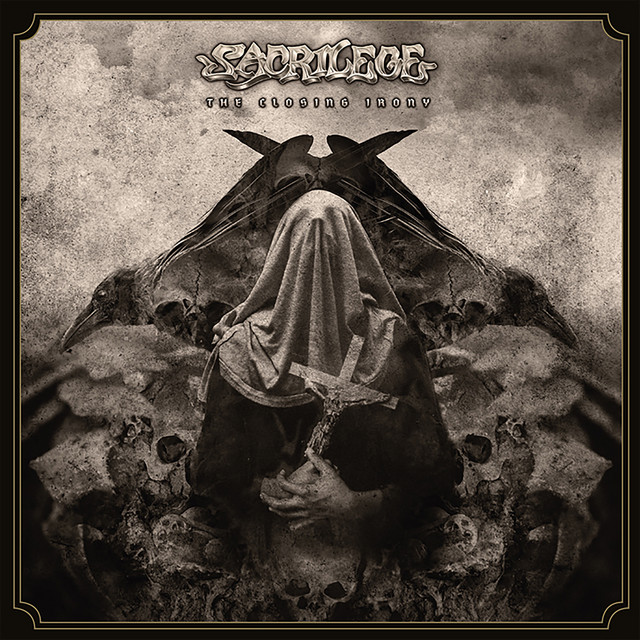
The Closing Irony
Sacrilege
Stenchcore
2021
2
/5
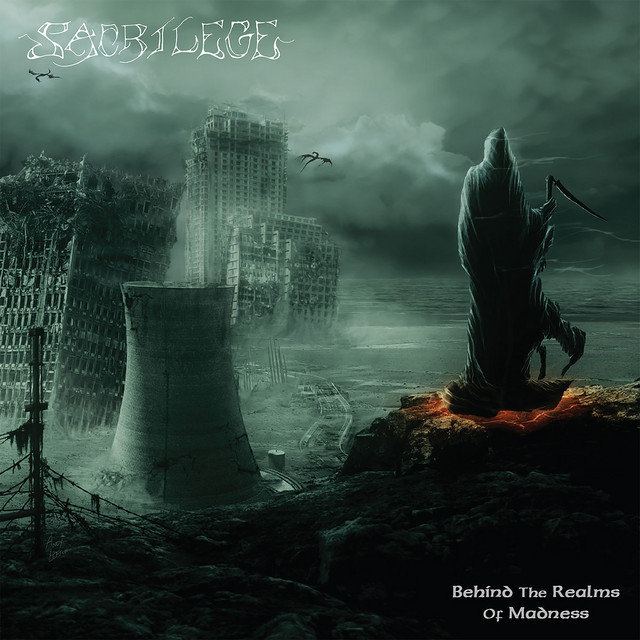
Behind the Realms of Madness
Sacrilege
Stenchcore
Crust Punk
Rock
2015
1
/5
Behind the Realms of Madness
Sacrilege
Stenchcore
Crust Punk
Hardcore Punk
2009
1
/5
Time To Face The Reaper - The Demos 84 - 86
Sacrilege
Stenchcore
Punk
Rock
1987
1
/5
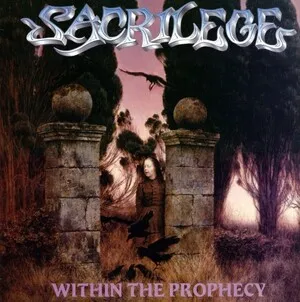
Within the Prophecy
Sacrilege
Stenchcore
1987
2
/5
Within the Prophecy
Sacrilege
Stenchcore
Rock
Similar artists
2
/5
Amebix
Stenchcore
Crust Punk
Anarcho-Punk
2
/5
Driller Killer
Stenchcore
Grindcore
Hardcore Punk
3
/5
Municipal Waste
New Wave Of Thrash Metal
Crossover Thrash
Hardcore Punk
1
/5
Concrete Sox
Stenchcore
Grindcore
Hardcore Punk
3
/5
Crass
Anarcho-Punk
Crust Punk
Punk
3
/5
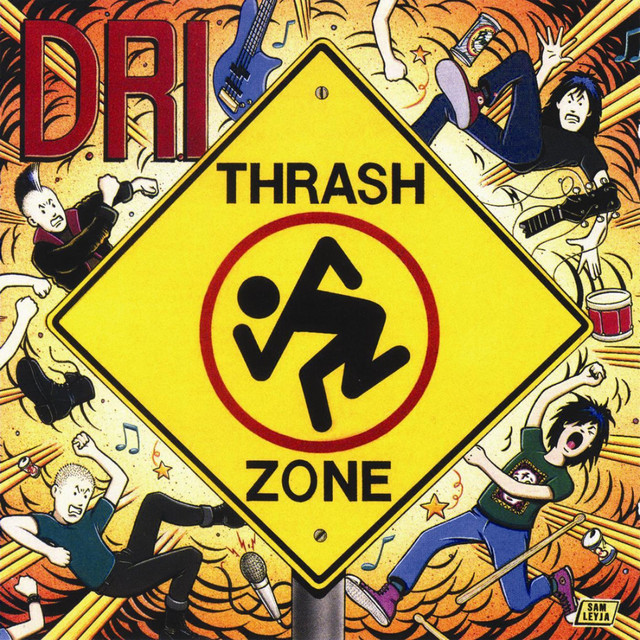
D.R.I.
Hardcore
Hardcore Punk
Bay Area Thrash Metal
3
/5
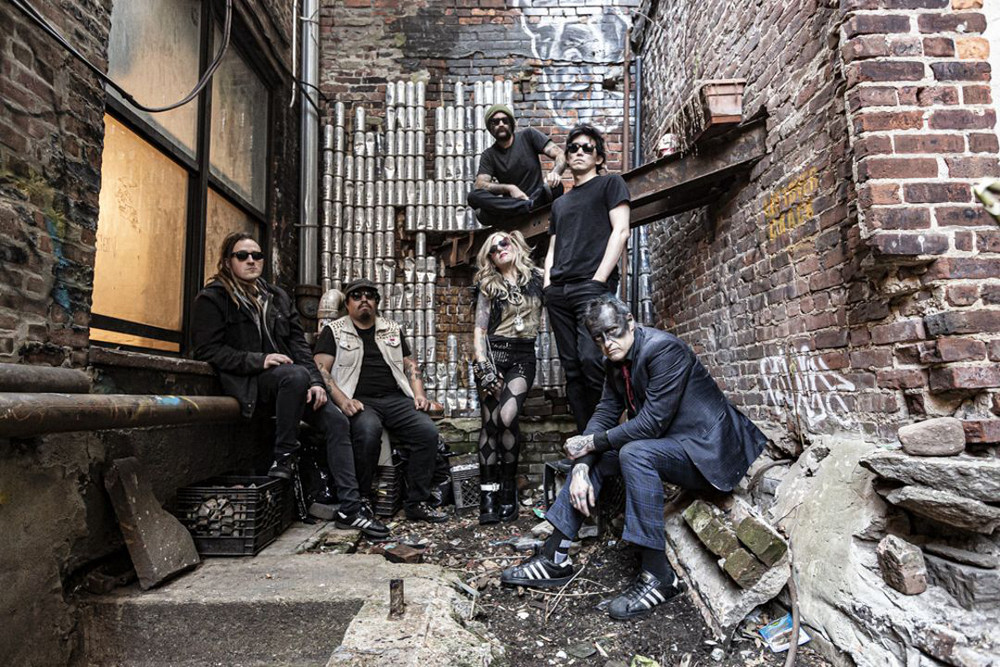
Leftöver Crack
Crack Rock Steady
Punk
Ska Punk
1
/5
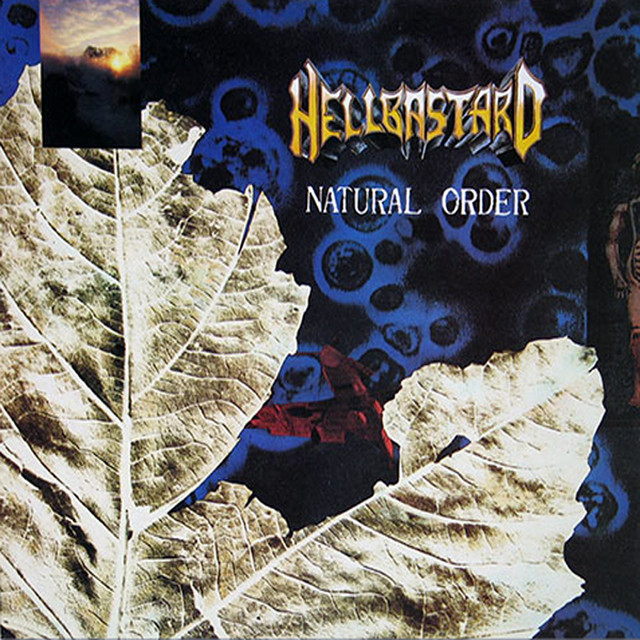
Hellbastard
Stenchcore
Grindcore
Hardcore Punk
2
/5
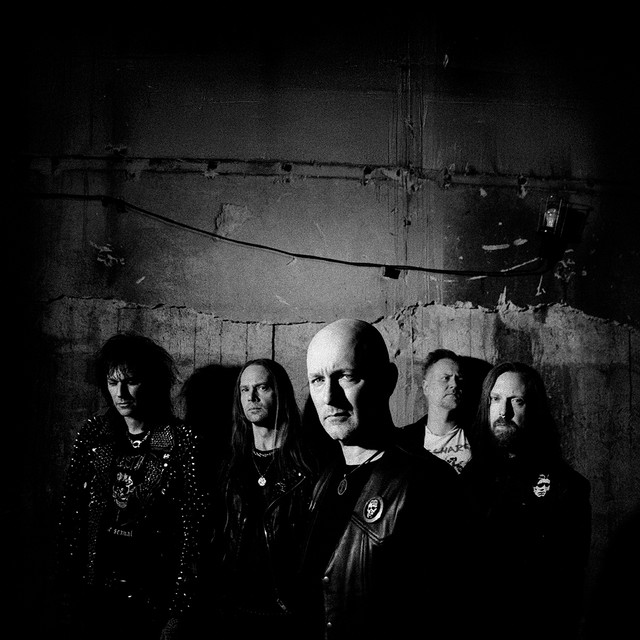
Wolfbrigade
D-Beat
Crust Punk
Punk
2
/5
G.I.S.M.
Japanese Hardcore
Hardcore Punk
Punk
Download our mobile app
Get the Melodigging app and start digging for new genres on the go
Download on the App Store
Get it on Google Play
© 2026 Melodigging
Give feedback
Legal
Melodding was created as a tribute to
Every Noise at Once
, which inspired us to help curious minds keep digging into music's ever-evolving genres.