Genres
Artists
Albums
Make Music
Sign in
Sign in
Artists
World
Artists
World
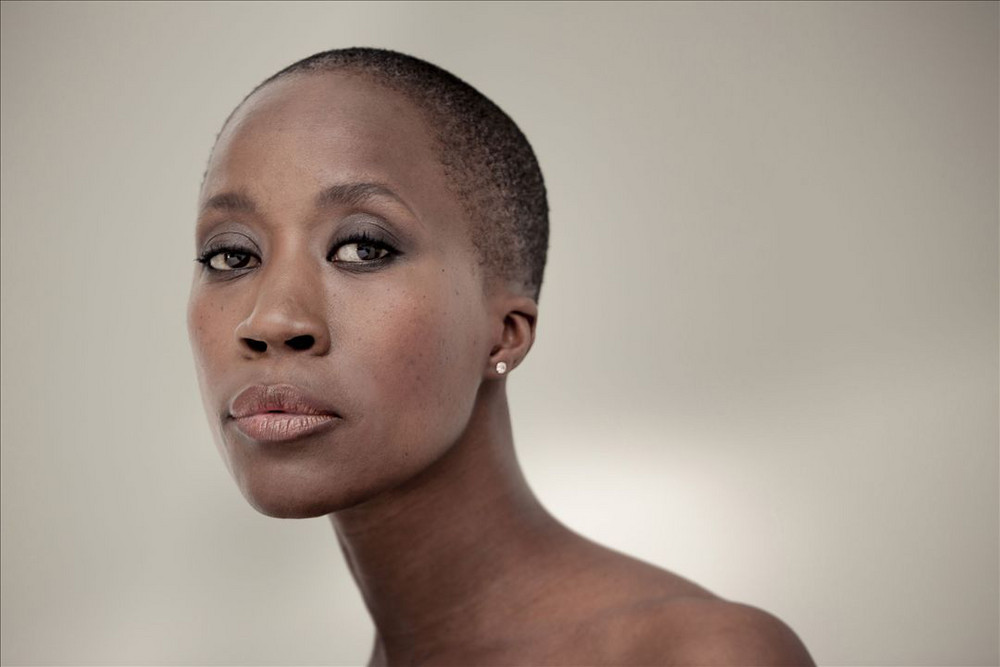
Rokia Traoré
1998–2016
·
6 albums
Listen
3
/5
Genres
Organic Electronic
Organic electronic is a downtempo, groove‑driven branch of electronic music that blends acoustic and world instruments with modern production. Typically sitting around 100–115 BPM, it favors hand percussion, mallets, strings, winds, and field recordings over hard-edged drum machines. The result is a warm, tactile sound where shakers, frame drums, and ethnic instruments (such as oud, kora, saz, flutes, or kalimba) weave through gentle synth pads and understated basslines. Melodic language often leans on modal colors (Dorian, Phrygian, Mixolydian) and drone‑like sustains, creating a hypnotic, earthy atmosphere. Born from bohemian club culture and outdoor gatherings, the style emphasizes long, evolving arrangements, subtle crescendos, and humanized timing—music equally at home on intimate dancefloors, sunset sets, and mindful listening contexts.
Discover
Listen
World
World music is a broad, industry-coined umbrella for traditional, folk, and contemporary popular styles from around the globe that fall outside the Anglo-American pop mainstream. The label emerged in the 1980s as a retail and marketing category to group diverse regional musics for international distribution. Musically, it spans acoustic and electric instrumentation; modal, pentatonic, and microtonal pitch systems; and rhythms ranging from cyclical grooves and polyrhythms to asymmetrical meters. While the term can obscure local specificity, it also facilitated cross-cultural collaboration, festivals, and recordings that brought regional genres to wider audiences.
Discover
Listen
Wassoulou
Wassoulou is a contemporary popular music style from southern Mali and the wider Wasulu cultural area (spanning parts of Mali, Guinea, and Côte d’Ivoire). It blends village-based hunters’ music with modern, urban arrangements, centering the distinctive sonorities of the donso ngoni and its lighter cousin, the kamalen ngoni, alongside calabash percussion and handclaps. The style is often led by powerful female vocalists singing in Bambara (Bamana) and related Mande languages, using call-and-response choruses, pentatonic melodies, and buoyant 6/8-to-4/4 cross-rhythms. Lyrics frequently address women’s perspectives—love, independence, social responsibility, marriage, and work—delivered with an earthy timbre and declamatory intensity that make Wassoulou both danceable and socially resonant.
Discover
Listen
New Age
New age is a largely instrumental, mood-driven genre that emphasizes calm, spacious textures and a sense of spiritual or contemplative uplift. It blends gentle electronic timbres, acoustic instruments, and global/folk influences to create immersive soundscapes intended for relaxation, meditation, and introspection. Hallmarks include slow tempos or free time, long sustaining pads, modal and consonant harmonies, nature field recordings, and unobtrusive rhythms. The music often avoids dramatic tension in favor of openness and continuity, conveying themes of inner peace, nature, and the transcendent.
Discover
Listen
Pop
Pop is a broad, hook-driven style of popular music designed for wide appeal. It emphasizes memorable melodies, concise song structures, polished vocals, and production intended for radio, charts, and mass media. While pop continually absorbs elements from other styles, its core remains singable choruses, accessible harmonies, and rhythmic clarity. Typical forms include verse–pre-chorus–chorus, frequent use of bridges and middle-eights, and ear-catching intros and outros. Pop is not defined by a single instrumentation. It flexibly incorporates acoustic and electric instruments, drum machines, synthesizers, and increasingly digital production techniques, always in service of the song and the hook.
Discover
Listen
Folk
Folk is a song-centered acoustic tradition rooted in community storytelling, everyday life, and social history. It emphasizes clear melodies, simple harmonies, and lyrics that foreground narrative, protest, and personal testimony. As a modern recorded genre, folk coalesced in the early-to-mid 20th century in the United States out of older ballad, work song, and rural dance traditions. It typically features acoustic instruments (guitar, banjo, fiddle, mandolin, harmonica), strophic song forms, and participatory singing (choruses, call-and-response).
Discover
Listen
Jazz
Jazz is an improvisation-centered music tradition that emerged from African American communities in the early 20th century. It blends blues feeling, ragtime syncopation, European harmonic practice, and brass band instrumentation into a flexible, conversational art. Defining features include swing rhythm (a triplet-based pulse), call-and-response phrasing, blue notes, and extended harmonies built on 7ths, 9ths, 11ths, and 13ths. Jazz is as much a way of making music—spontaneous interaction, variation, and personal sound—as it is a set of forms and tunes. Across its history, jazz has continually hybridized, from New Orleans ensembles and big-band swing to bebop, cool and hard bop, modal and free jazz, fusion, and contemporary cross-genre experiments. Its influence permeates global popular and art music.
Discover
Listen
Blues
Blues is an African American musical tradition defined by expressive "blue notes," call-and-response phrasing, and a characteristic use of dominant-seventh harmony in cyclical song forms (most famously the 12‑bar blues). It is as much a feeling as a form, conveying sorrow, resilience, humor, and hard-won joy. Musically, blues commonly employs the I–IV–V progression, swung or shuffled rhythms, and the AAB lyric stanza. Melodies lean on the minor/major third ambiguity and the flattened fifth and seventh degrees. Core instruments include voice, guitar (acoustic or electric), harmonica, piano, bass, and drums, with slide guitar, bends, and vocal melismas as signature techniques. Over time the blues has diversified into regional and stylistic currents—Delta and Piedmont country blues, urban Chicago and Texas blues, West Coast jump and boogie-woogie—while profoundly shaping jazz, rhythm & blues, rock and roll, soul, funk, and much of modern popular music.
Discover
Listen
Mande Music
Mande music is the courtly and communal music of the Mande peoples (including Mandinka, Maninka/Malinke, and Bambara) whose heartland lies in present‑day Mali and extends across Guinea, Senegal, The Gambia, and Côte d’Ivoire. It centers on the hereditary jeli (griot) tradition of professional praise‑singers and instrumentalists who preserve genealogies, epics, and social histories. Its core sound is built around cyclical ostinati (kumbengo) on instruments such as the 21‑string kora (harp‑lute), the balafon (gourd‑resonated xylophone), and the ngoni (lute), with improvisatory filigree (birimintingo) weaving above. Vocals alternate between composed refrains and free, declamatory passages (donkilo and sataro), often in call‑and‑response with a small chorus. Rhythms commonly breathe in 12/8 and 6/8 feels with subtle cross‑rhythms, while modal tunings (e.g., sauta, tomora) and timbral “buzz” aesthetics (from balafon resonators) shape a distinctive, shimmering texture. Repertoires comprise named pieces tied to lineages and events (e.g., Sunjata epics, Duga, Kaira, Jarabi). In modern contexts, these materials underpin both acoustic ensembles and electrified bands, maintaining the social function of praise and mediation while speaking to contemporary audiences.
Discover
Listen
Griot
Griot (also called jeli/jali) is the hereditary West African tradition of poet-singers, historians, and musicians whose craft combines storytelling, praise-singing, genealogy, diplomacy, and music. It is centered in the Mande world of today’s Mali, Senegal, Gambia, and Guinea, and is best known for virtuosic performances on the kora (21‑string harp-lute), balafon (xylophone), and ngoni (lute), alongside powerful, ornamented vocals. Griot music is structured around cyclical ostinatos with improvisatory flourishes, call-and-response, and text that preserves communal memory—epics, lineages, and moral instruction—delivered in languages such as Mandinka and Bambara. While deeply traditional, the griot aesthetic has adapted to modern stages and studios, influencing global “world music,” West African pop, and blues-derived styles.
Discover
Listen
Show all 10 genres
Albums
2016
2
/5
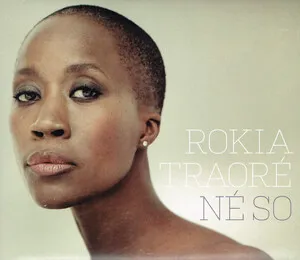
Né So
Rokia Traoré
Wassoulou
Folk
Pop
2013
3
/5
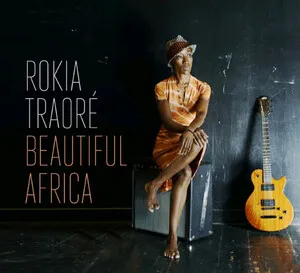
Beautiful Africa
Rokia Traoré
Wassoulou
Blues
2008
2
/5
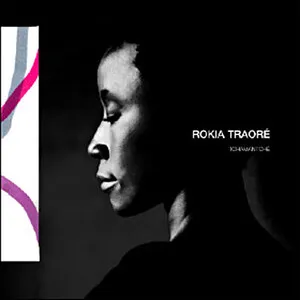
Tchamantché
Rokia Traoré
Mande Music
Jazz
Pop
2004
1
/5
Bowmboï
Rokia Traoré
Wassoulou
Mande Music
Jazz
2000
Wanita
Rokia Traoré
Jazz
1998
3
/5
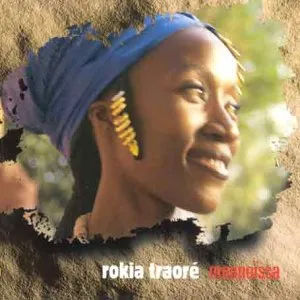
Mouneissa
Rokia Traoré
Griot
Mande Music
Folk
Similar artists
3
/5
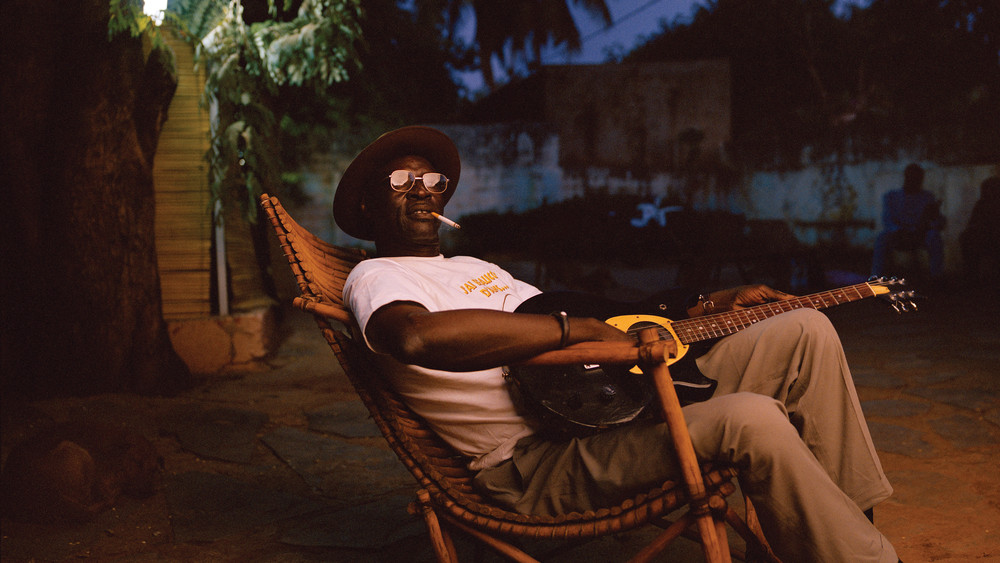
Ali Farka Touré
Songhai Music
Blues
Desert Blues
1
/5
Various Artists
Afro-Funk
Alternative Rock
Ambient
3
/5
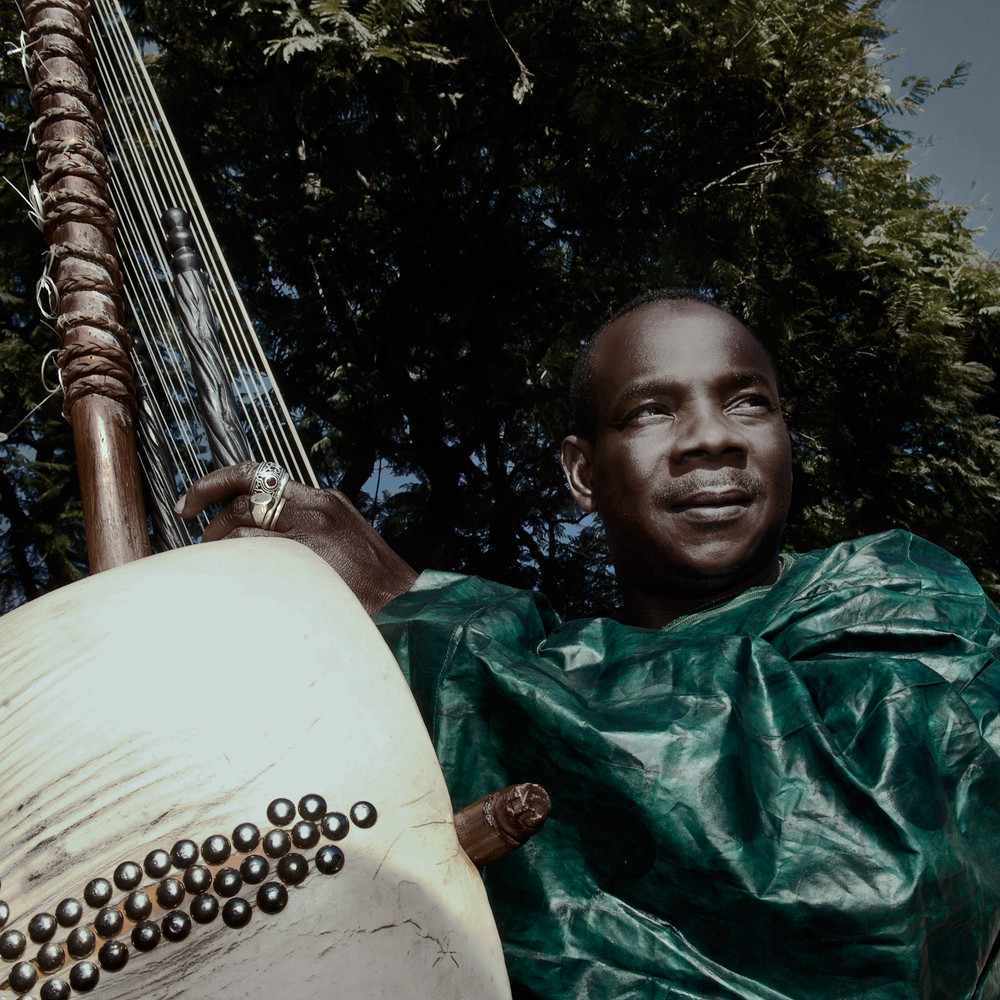
Toumani Diabaté
Griot
Mande Music
World
3
/5
Oumou Sangaré
Wassoulou
Country
Folk
3
/5
Vieux Farka Touré
Songhai Music
World
Jazz
3
/5
Tinariwen
Desert Blues
Musique Touareg
Tuareg Guitar
3
/5
Miriam Makeba
Marabi
Folk
Pop
3
/5
Amadou & Mariam
Afropop
Chill Pop
Covertronica
3
/5
Baaba Maal
Fula Music
Griot
Afropop
3
/5
Ballaké Sissoko
World
Mande Music
Classical
Download our mobile app
Get the Melodigging app and start digging for new genres on the go
Download on the App Store
Get it on Google Play
© 2026 Melodigging
Give feedback
Legal
Melodding was created as a tribute to
Every Noise at Once
, which inspired us to help curious minds keep digging into music's ever-evolving genres.