Genres
Artists
Albums
Make Music
Sign in
Sign in
Artists
Afropop
Artists
Afropop
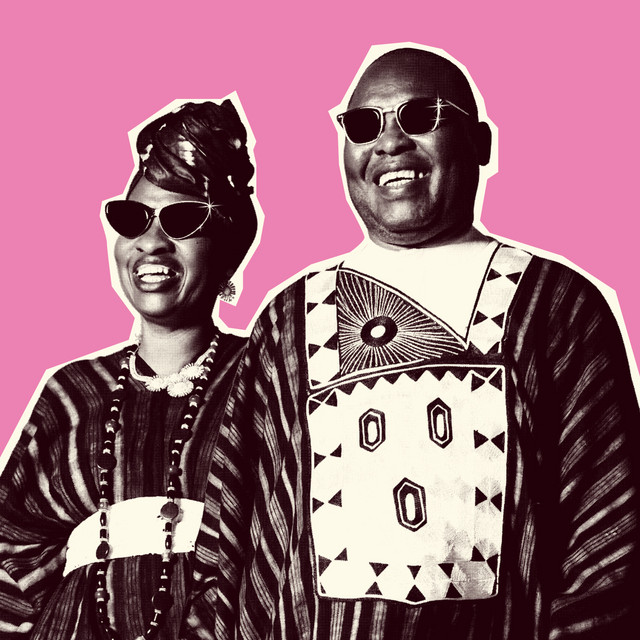
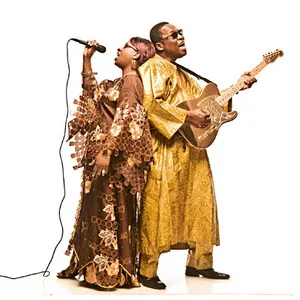
Amadou & Mariam
1998–2025
·
4 albums
Listen
3
/5
Genres
Chill Pop
Chill pop is a contemporary pop micro‑genre that blends radio‑friendly songwriting with the mellow textures of chillout and lo‑fi aesthetics. It favors soft vocals, smooth synths, clean guitar plucks, understated bass, and relaxed, mid‑tempo grooves. Instead of big, bombastic hooks, chill pop tends toward intimate, conversational melodies and minimal, airy arrangements. Production often borrows from bedroom pop and alternative R&B—subtle trap hi‑hats, warm saturation, roomy reverbs, and gentle side‑chain compression—to create a breezy, pastel sound palette well suited to playlists and late‑night listening. Lyrically, chill pop is introspective and relatable: romance, longing, gentle optimism, and coming‑of‑age themes delivered in a plain‑spoken, whisper‑close tone. The result sits between indie pop’s understated cool and mainstream pop’s catchy structures, optimized for the streaming era’s mood‑driven consumption.
Discover
Listen
Covertronica
Covertronica is a microgenre centered on electronically produced cover versions of well‑known songs. Artists retain the recognizability of the original melodies and hooks, but reimagine them with contemporary electronic palettes—glossy synths, side‑chained pads, drum machines, 808s, and modern pop/EDM production. The style thrives on clever reharmonization (e.g., minor/major flips), tempo shifts, and textural redesign, often translating rock, soul, or classic pop into sleek electropop/indietronica frameworks. Vocals are typically polished and upfront, with stacked harmonies, tight autotune as a color (when desired), and arrangement tricks such as filtered intros, half‑time drops, and breakdowns that mirror club and synth‑pop dynamics. Because the repertoire comes from existing songs, covertronica is as much about curatorial taste and arrangement craft as it is about sound design, making it a meeting point between DJ culture’s recontextualization and the singer‑producer era of the internet.
Discover
Listen
Etherpop
Etherpop is a contemporary pop microgenre defined by airy vocals, wide stereo spaces, and soft-focus electronic production. It blends dream pop’s gauzy textures with the melodic immediacy of indie pop and electropop, yielding songs that feel weightless yet hook-driven. Typical arrangements feature reverb-laden voice stacks, glassy synth pads, minimal but punchy drums, and subby, rounded bass. Lyrically, etherpop leans toward introspection and intimacy, often exploring memory, longing, and self-reflection with a delicate, cinematic touch.
Discover
Listen
Experimental Indie
Experimental indie is a broad, exploratory wing of independent rock and pop that prioritizes curiosity over convention. It blends DIY recording practices with off‑kilter song forms, unusual timbres, and a willingness to fold in ideas from avant‑pop, noise, electronic music, and psych. Rather than a fixed sound, it is a method and attitude: use the tools at hand (bedroom rigs, pedals, samplers, tape, software) to push past genre borders, while keeping the immediacy and intimacy of indie. Expect jagged rhythms, warped hooks, collage‑like arrangements, and production choices that foreground texture as much as melody.
Discover
Listen
Indian Indie
Indian indie is the umbrella for independent, non-film music made in India across languages such as Hindi, English, and numerous regional tongues. It is defined more by its DIY production and artist-led release model than by a single sound. Musically, it spans indie pop and rock, folk-fusion, singer‑songwriter ballads, dream‑pop/shoegaze textures, and electronic‑leaning productions. Artists often blend Western harmony and song forms with raga‑tinged melodies, Indian rhythmic feels, and occasional use of traditional instruments like tabla, bansuri, or sitar. The scene grew rapidly with college festivals, small venues, and digital platforms (YouTube, streaming services, Bandcamp), plus boutique labels and festivals such as NH7 Weekender that created national visibility. Lyrically, it tends to be intimate and contemporary—touching on romance, urban life, identity, and nostalgia—while maintaining accessible hooks and warm, organic sonics.
Discover
Listen
Modern Indie Pop
Modern indie pop is a 2010s-forward style of pop made largely outside the traditional major-label pop pipeline, but with a strong focus on hooks, concise song forms, and modern production. It typically blends indie-rock songwriting attitudes (personal lyrics, DIY aesthetics, alternative scenes) with contemporary pop sonics such as punchy drums, bright or glassy synths, tight vocal editing, and streaming-era arrangement pacing. Compared with earlier indie pop, “modern” indie pop is usually more producer-led, more influenced by electronic and R&B-informed pop textures, and often designed to translate well to playlists and short-form content without losing an alternative identity.
Discover
Listen
Pop Urbaine
Pop urbaine is a French mainstream pop style that blends contemporary R&B, hip hop, Afrobeats, dancehall, zouk, raï, and reggaeton with chart‑friendly songwriting. It emphasizes melodic hooks, mid‑tempo grooves, and sleek vocal production (often with Auto‑Tune) while foregrounding everyday, romantic, and nightlife themes in colloquial French. Rhythmically it favors syncopated Afro‑Caribbean patterns, sparse but bouncy 808 drums, and light guitar or synth plucks, creating a buoyant, danceable feel without the aggressiveness of club music. Vocals typically alternate between sung refrains and rap‑influenced verses, with catchy refrains designed for streaming and social media virality. The genre became a defining sound of French popular culture in the late 2010s, driven by a new generation of Francophone artists with diasporic roots who globalized French pop while keeping its language and local slang at the center.
Discover
Listen
Rap Ivoire
Rap ivoire is the Ivorian strain of hip hop that blends Francophone rap technique with local slang (Nouchi), street storytelling, and high-energy club aesthetics. It typically rides trap or Afro-urban beats while borrowing rhythmic accents from coupé-décalé and broader West African pop. Lyrically, it ranges from boastful punchlines and witty Nouchi wordplay to social observations about Abidjan life, youth hustle, and identity. Sonically, you’ll hear 808-heavy drums, sharp hi-hats, chantable hooks, and call-and-response refrains designed for both street appeal and dancefloor impact.
Discover
Listen
Tulum
Tulum is a contemporary electronic dance music sound that crystallized around the boutique party scene in Tulum, Mexico, during the 2010s. It blends deep, organic house grooves with downtempo sensibilities, hand-played percussion, and "world"-leaning timbres such as oud, bansuri, handpan, and Latin guitar. The style favors warm, analog textures; modal, minor-key harmonies (often Dorian or Phrygian); long, reverb-washed atmospheres; and subtle, mantra-like vocals or chants. Tempos usually sit between 112–120 BPM, with earthy polyrhythms and shuffling, Afro- and Latin-influenced percussion propelling a hypnotic four-on-the-floor. Aesthetically, the Tulum sound is associated with sunrise/sunset beach settings, bohemian design, and a wellness-forward, festival-adjacent culture. Musically it overlaps with the broader “organic house/downtempo” movement while retaining a distinctly tropical, ritualistic character.
Discover
Listen
Deep Deep House
Deep deep house is a late-evolution branch of deep house that emphasizes warmth, space, and subtlety over overt hooks or peak-time energy. Compared with classic deep house, it leans even more toward minimal, dub-inflected textures, extended harmonies, and long atmospheric tails. Tracks typically feature understated yet weighty low end, soft Rhodes or pad chords rich in 7ths/9ths, lightly swung percussion, and carefully sculpted ambience. The mood is intimate and immersive—club music that invites close listening as much as dancing—often suited to small rooms, lounges, after-hours sets, and sunset/sunrise moments.
Discover
Listen
Deep Deep Tech House
Deep deep tech house is a particularly stripped‑back, hypnotic strain of tech house that leans heavily into deep house harmony and minimal, dub‑tinged textures. It keeps the 4/4 groove and club functionality of house while favoring restrained arrangements, long tension arcs, and subtle sound‑design over big breakdowns. Typical tempos sit around 120–126 BPM; drums emphasize tight 909‑style hats and crisp, short kicks; basslines are warm, rolling subs that lock with lightly swung percussion; harmonic content tends to be sparse—muted chord stabs, airy pads, and occasional soulful vocal fragments used as texture rather than focal hooks. The overall aim is an immersive “head‑down” flow that rewards long blends and extended sets. The palette and structure trace back to tech house’s fusion of house and techno and to deep house’s smoother harmonies.
Discover
Listen
Deep Euro House
Deep Euro House is a European-bred, melodically rich branch of deep house that blends club-ready four‑on‑the‑floor grooves with warm, emotive sound design and pop-aware songcraft. It favors lush pads, silky basslines, soft piano or guitar stabs, and subtly processed vocals, often in minor keys with bittersweet chord changes. Compared with classic Chicago deep house, Deep Euro House leans more cinematic and refined: filtered synth swells, sidechained textures, airy reverbs, and clean, modern low end. Tempos typically sit around 118–124 BPM, with grooves that feel unhurried yet propulsive—equally at home on late-night dancefloors and in headphone listening. The "Euro" aspect reflects not only its geography (Germany, Switzerland, France, the Netherlands, Austria, Belgium) but also a melodic sensibility shaped by European club culture, indie electronica, and Balearic moods: wistful, romantic, and polished without losing house’s foundational swing.
Discover
Listen
Afropop
Afropop is a modern, pan‑African pop style that blends West and Central African rhythmic traditions with global pop, R&B, hip hop, dancehall, and electronic production. It favors catchy toplines, call‑and‑response hooks, bright guitar licks inspired by highlife and soukous, and mid‑tempo grooves designed for dancing. Songs are often multilingual, moving fluidly between English or French and local languages or pidgins, while lyrics center on romance, joy, aspiration, and celebration. Production commonly uses syncopated percussion, warm sub‑bass, plucky synths or marimbas, and clean, melodic vocals (often with tasteful Auto‑Tune), resulting in an upbeat, accessible sound with unmistakably African groove and feel.
Discover
Listen
Worldbeat
Worldbeat is a pop-oriented fusion that blends contemporary Western production (pop, rock, dance, and electronic) with rhythms, instruments, scales, and vocal styles drawn from diverse musical traditions around the world. It typically features layered percussion, polyrhythms, call-and-response vocals, and multilingual or code-switching lyrics, while maintaining accessible song forms and hook-driven choruses. Arrangements often juxtapose drum kits, bass guitar, and synths with instruments such as kora, mbira, oud, sitar, djembe, balafon, or charango. As a retail and radio category in the 1980s–1990s, worldbeat served both as a creative space for cross-cultural collaboration and a marketing umbrella, attracting praise for bridge-building and criticism for occasional exoticism or unequal credit-sharing.
Discover
Listen
World
World music is a broad, industry-coined umbrella for traditional, folk, and contemporary popular styles from around the globe that fall outside the Anglo-American pop mainstream. The label emerged in the 1980s as a retail and marketing category to group diverse regional musics for international distribution. Musically, it spans acoustic and electric instrumentation; modal, pentatonic, and microtonal pitch systems; and rhythms ranging from cyclical grooves and polyrhythms to asymmetrical meters. While the term can obscure local specificity, it also facilitated cross-cultural collaboration, festivals, and recordings that brought regional genres to wider audiences.
Discover
Listen
African Blues
African blues is a Sahel- and Sahara-rooted take on the blues that reconnects West African string and vocal traditions with the cyclical grooves and pentatonic vocabulary recognizable from American blues. It typically features modal, drone-centered vamps; lilting 6/8 or 12/8 “camel gait” rhythms; call-and-response vocals; and guitar lines that mirror ngoni or kora phrasing. The music often feels hypnotic and trance-like, with subtle microtonal inflections, slides, and ornamentation. While it resonates with Mississippi and Delta blues, African blues is not a copy: it is a living continuum that foregrounds Mande, Songhai, Tuareg and related styles—frequently using calabash, handclaps, and tinde-like percussion alongside acoustic or lightly overdriven electric guitars.
Discover
Listen
Desert Blues
Desert blues is a Saharan/Sahelian guitar tradition that blends West African modal and pentatonic song forms with the timbre and cyclical riffing of electric blues and rock. Characterized by hypnotic ostinatos, handclaps or calabash percussion, and call-and-response vocals, it creates a trance-like propulsion often compared to a camel’s gait across the dunes. The style commonly features pentatonic and Dorian-leaning melodies, droning bass strings, and interlocking guitar parts bathed in warm overdrive and roomy reverb. Lyrics, frequently sung in Tamasheq, Songhai, or Bambara, speak poetically about exile (assouf), nomadism, resistance, and the harsh beauty of desert life.
Discover
Listen
Pop
Pop is a broad, hook-driven style of popular music designed for wide appeal. It emphasizes memorable melodies, concise song structures, polished vocals, and production intended for radio, charts, and mass media. While pop continually absorbs elements from other styles, its core remains singable choruses, accessible harmonies, and rhythmic clarity. Typical forms include verse–pre-chorus–chorus, frequent use of bridges and middle-eights, and ear-catching intros and outros. Pop is not defined by a single instrumentation. It flexibly incorporates acoustic and electric instruments, drum machines, synthesizers, and increasingly digital production techniques, always in service of the song and the hook.
Discover
Listen
Rock
Rock is a broad family of popular music centered on amplified instruments, a strong backbeat, and song forms that foreground riffs, choruses, and anthemic hooks. Emerging from mid‑20th‑century American styles like rhythm & blues, country, and gospel-inflected rock and roll, rock quickly expanded in scope—absorbing folk, blues, and psychedelic ideas—while shaping global youth culture. Core sonic markers include electric guitar (often overdriven), electric bass, drum kit emphasizing beats 2 and 4, and emotive lead vocals. Rock songs commonly use verse–chorus structures, blues-derived harmony, and memorable melodic motifs, ranging from intimate ballads to high‑energy, stadium‑sized performances.
Discover
Listen
Soul
Soul is a genre of popular music that blends the spiritual fervor and vocal techniques of African‑American gospel with the grooves and song forms of rhythm & blues and the harmonic palette of jazz and blues. It is defined by impassioned, melismatic lead vocals; call‑and‑response with backing singers; handclaps and a strong backbeat; syncopated bass lines; and memorable horn or string riffs. Typical instrumentation includes drum kit, electric bass, electric guitar, piano or Hammond organ, horns (trumpet, saxophone, trombone), and sometimes orchestral strings. Lyrically, soul ranges from love and heartbreak to pride, social commentary, and spiritual yearning. Regionally distinct scenes—such as Detroit’s Motown, Memphis/Stax, Muscle Shoals, Chicago, New Orleans, and Philadelphia—shaped different flavors of soul, while the style’s emotional directness and rhythmic drive made it a cornerstone of later funk, disco, contemporary R&B, and hip hop.
Discover
Listen
Jazz
Jazz is an improvisation-centered music tradition that emerged from African American communities in the early 20th century. It blends blues feeling, ragtime syncopation, European harmonic practice, and brass band instrumentation into a flexible, conversational art. Defining features include swing rhythm (a triplet-based pulse), call-and-response phrasing, blue notes, and extended harmonies built on 7ths, 9ths, 11ths, and 13ths. Jazz is as much a way of making music—spontaneous interaction, variation, and personal sound—as it is a set of forms and tunes. Across its history, jazz has continually hybridized, from New Orleans ensembles and big-band swing to bebop, cool and hard bop, modal and free jazz, fusion, and contemporary cross-genre experiments. Its influence permeates global popular and art music.
Discover
Listen
Blues
Blues is an African American musical tradition defined by expressive "blue notes," call-and-response phrasing, and a characteristic use of dominant-seventh harmony in cyclical song forms (most famously the 12‑bar blues). It is as much a feeling as a form, conveying sorrow, resilience, humor, and hard-won joy. Musically, blues commonly employs the I–IV–V progression, swung or shuffled rhythms, and the AAB lyric stanza. Melodies lean on the minor/major third ambiguity and the flattened fifth and seventh degrees. Core instruments include voice, guitar (acoustic or electric), harmonica, piano, bass, and drums, with slide guitar, bends, and vocal melismas as signature techniques. Over time the blues has diversified into regional and stylistic currents—Delta and Piedmont country blues, urban Chicago and Texas blues, West Coast jump and boogie-woogie—while profoundly shaping jazz, rhythm & blues, rock and roll, soul, funk, and much of modern popular music.
Discover
Listen
Electronic
Electronic is a broad umbrella genre defined by the primary use of electronically generated or electronically processed sound. It encompasses music made with synthesizers, drum machines, samplers, computers, and studio/tape techniques, as well as electroacoustic manipulation of recorded or synthetic sources. The genre ranges from academic and experimental traditions to popular and dance-oriented forms. While its sonic palette is rooted in electricity and circuitry, its aesthetics span minimal and textural explorations, structured song forms, and beat-driven club permutations. Electronic emphasizes sound design, timbre, and studio-as-instrument practices as much as melody and harmony.
Discover
Listen
Mande Music
Mande music is the courtly and communal music of the Mande peoples (including Mandinka, Maninka/Malinke, and Bambara) whose heartland lies in present‑day Mali and extends across Guinea, Senegal, The Gambia, and Côte d’Ivoire. It centers on the hereditary jeli (griot) tradition of professional praise‑singers and instrumentalists who preserve genealogies, epics, and social histories. Its core sound is built around cyclical ostinati (kumbengo) on instruments such as the 21‑string kora (harp‑lute), the balafon (gourd‑resonated xylophone), and the ngoni (lute), with improvisatory filigree (birimintingo) weaving above. Vocals alternate between composed refrains and free, declamatory passages (donkilo and sataro), often in call‑and‑response with a small chorus. Rhythms commonly breathe in 12/8 and 6/8 feels with subtle cross‑rhythms, while modal tunings (e.g., sauta, tomora) and timbral “buzz” aesthetics (from balafon resonators) shape a distinctive, shimmering texture. Repertoires comprise named pieces tied to lineages and events (e.g., Sunjata epics, Duga, Kaira, Jarabi). In modern contexts, these materials underpin both acoustic ensembles and electrified bands, maintaining the social function of praise and mediation while speaking to contemporary audiences.
Discover
Listen
Show all 24 genres
Albums
2025
1
/5
L'amour à la folie
Amadou & Mariam
World
2008
3
/5
Welcome to Mali
Amadou & Mariam
Worldbeat
Electronic
Pop
2005
3
/5
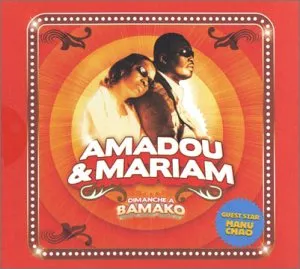
Dimanche à Bamako
Amadou & Mariam
Worldbeat
Mande Music
Blues
1998
3
/5
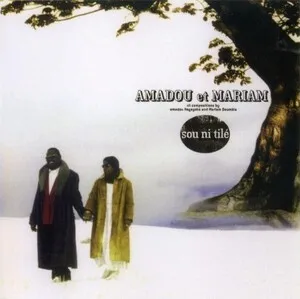
Sou ni tilé
Amadou & Mariam
Mande Music
Similar artists
5
/5
Burna Boy
Afrobeats
Dancehall
Afrobeat
5
/5
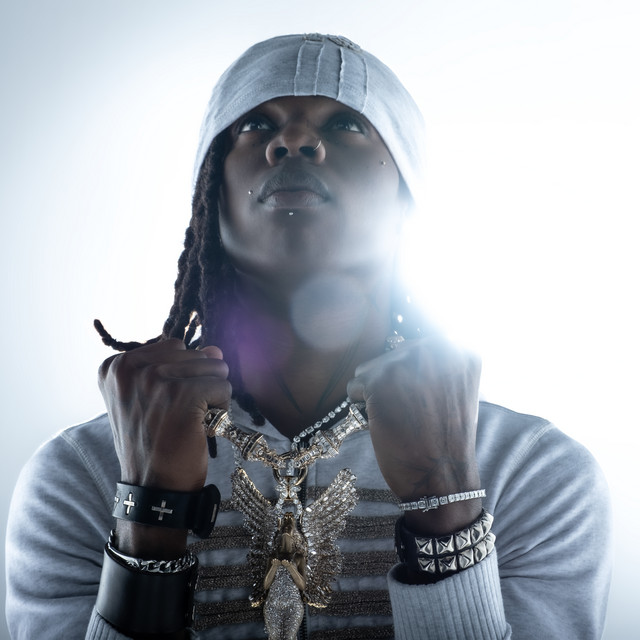
Rema
Nigerian Pop
Afrobeats
Afropop
4
/5
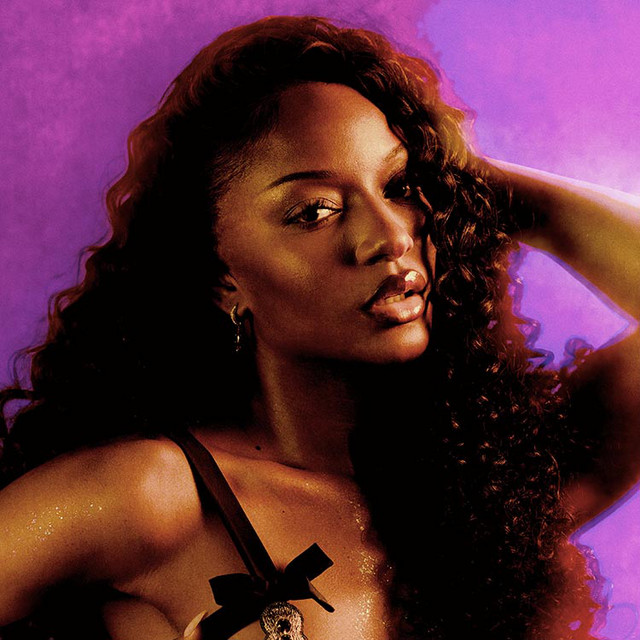
Ayra Starr
Afrobeats
Afrobeat
Afro Soul
3
/5
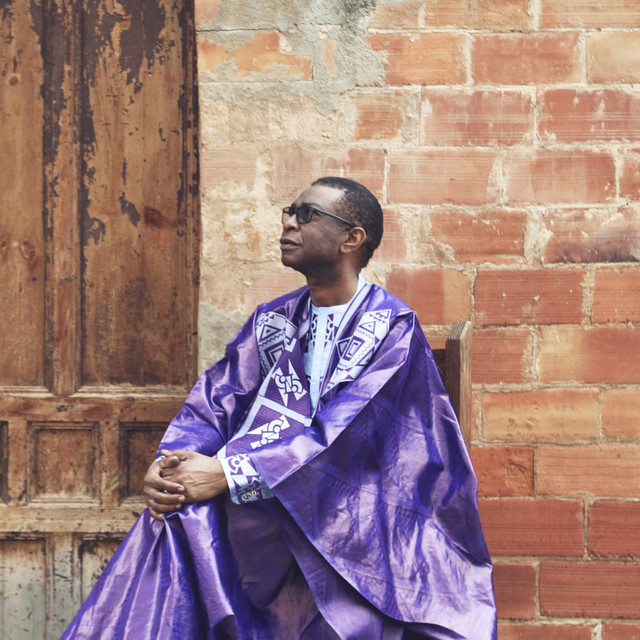
Youssou N'Dour
Mbalax
Wolof Music
Afropop
5
/5
Eminem
Hip Hop
Hardcore Hip Hop
Pop Rap
5
/5
A$AP Rocky
East Coast Hip Hop
Hip Hop
Rap
5
/5
Jul
Pop Urbaine
French Hip Hop
Hip Hop
5
/5
A.R. Rahman
Bollywood
Filmi
Sufi
5
/5
Asake
Afrobeats
Amapiano
Afroswing
5
/5
Ninho
Pop Urbaine
French Hip Hop
Afro Drill
Download our mobile app
Get the Melodigging app and start digging for new genres on the go
Download on the App Store
Get it on Google Play
© 2026 Melodigging
Give feedback
Legal
Melodding was created as a tribute to
Every Noise at Once
, which inspired us to help curious minds keep digging into music's ever-evolving genres.