Your digging level

For this genre
0/8
🏆
Sign in, then listen to this genre to level up

Description

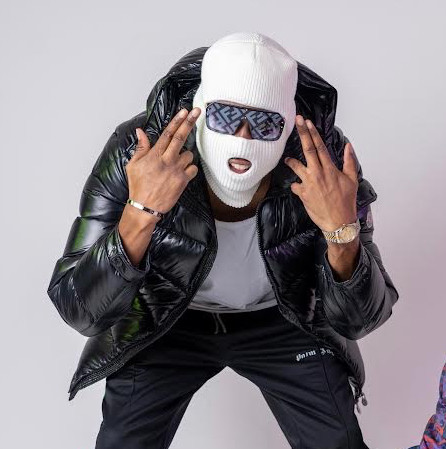
Afro drill is a regionalized form of drill that fuses the gritty, sliding-808 sonics and half‑time bounce of UK/Chicago drill with African rhythmic feel, languages, and street narratives.

Born around the turn of the 2020s in Ghana (popularly called the Asakaa movement) and quickly echoed across other African scenes and diasporas, it retains drill’s cold, minor‑key atmosphere while introducing Afrobeats/highlife‑tinged melodies, syncopated percussion, and local flows in Twi, Ghanaian Pidgin, Yoruba, Sheng, and more.

The result is music that is simultaneously raw and danceable—dark, street‑level storytelling delivered with regional slang and call‑and‑response hooks, framed by modern drill drum programming and African groove sensibilities.


Sources: Spotify, Wikipedia, Discogs, RYM, MB, user feedback and other online sources

History

Origins (late 2010s)

Drill’s first wave (Chicago) and its UK reinvention provided the sonic blueprint—sliding 808s, triplet hi‑hats, ominous pads, and half‑time bounce. As these sounds permeated West Africa, Ghanaian rappers localized the style with regional slang, Ghanaian Pidgin/Twi lyrics, and a subtly different swing. This incubated in Kumasi’s youth culture and studios, where a tight network of crews and producers began crafting a distinctly African drill.

Breakout and naming (circa 2019–2020)

As the Kumasi scene surged, media and fans began informally labeling this hybrid as “Afro drill” (locally also called Asakaa). Viral tracks, cipher‑style posse cuts, and gritty videos shot in neighborhoods across Kumasi and Accra announced a new identity: drill that felt African in cadence, attitude, and groove. The movement’s visibility drew attention from established Ghanaian artists and international audiences alike.

Continental spread and diaspora feedback loop

The style’s momentum sparked parallel developments across Africa: Kenyan crews adapted drill to Sheng slang and Nairobi street contexts; Nigerian and South African artists experimented with drill templates while keeping Afropop/hip‑hop sensibilities. Meanwhile, diaspora acts—already blending Afrobeats and UK drill—fed back into the African scenes, reinforcing the Afro drill tag and broadening its sound palette.

Consolidation

By the mid‑2020s, Afro drill was a recognized branch of the drill family tree: unmistakably drill in sound design and tempo, unmistakably African in language, cadencing, rhythmic feel, and storytelling themes (hustle, neighborhood pride, coded street talk, and youthful ambition).

How to make a track in this genre

Tempo, groove, and drums
•   Aim for 135–145 BPM with the typical drill half‑time feel. •   Program the classic UK drill kit: tight, ticking closed hi‑hats (with triplet rolls and micro‑stutters), crisp snares on 3, and sliding 808s that glide between root and fifth/minor‑third targets. •   Add Afro swing: layer subtle congas, shakers, or off‑beat claps to create a lightly syncopated undercurrent without crowding the drill bounce.
Harmony, melody, and sound design
•   Use dark minor tonalities (Aeolian, Phrygian, harmonic minor). Short, two–four‑bar motifs with haunting pads, bell plucks, or filtered choir stabs work well. •   Consider African color: pentatonic fragments, highlife‑flavored guitar licks (clean or lightly chorused), or call‑and‑response vocal chops. •   808s should be long and expressive; automate pitch bends for signature drill glides. Keep sub clean; sidechain subtly to the kick for punch.
Vocals, language, and flow
•   Deliver tightly rhythmic, conversational bars with drill’s clipped phrasing. Mix English with local languages (e.g., Twi, Ghanaian Pidgin, Yoruba, Sheng) for authenticity. •   Themes: street life and codes, crew identity, hustle/ambition, neighborhood geography—often with sly humor and local idioms. •   Hooks often rely on mantra‑like refrains or crew call‑outs; keep them short and chantable.
Arrangement and production tips
•   Common structure: intro (tag + motif) → verse → hook → verse → hook → outro. Posse cuts rotate short 8–12 bar verses. •   Texture management: let the drums and 808 lead. Keep midrange melodies sparse; automate low‑pass filters to create drops/rebuilds. •   Optional crossover colors: amapiano‑style log‑drum thumps in fills; highlife guitar as counter‑melody; ambient field noise from local streets for scene‑setting.
Mixing
•   Prioritize kick/808 cohesion; carve overlapping lows. Tame harshness in hi‑hat bands; use transient shaping on snares. Moderate plate/room on vocals—intelligibility over wash.

Top tracks

Locked
Share your favorite track to unlock other users’ top tracks

Related labels

Upcoming concerts

in this genre
Influenced by
Has influenced
No genres found

Download our mobile app

Get the Melodigging app and start digging for new genres on the go
© 2026 Melodigging
Melodding was created as a tribute to Every Noise at Once, which inspired us to help curious minds keep digging into music's ever-evolving genres.
Buy me a coffee for Melodigging