Genres
Artists
Albums
Make Music
Sign in
Sign in
Artists
Instrumental Hip Hop
Artists
Instrumental Hip Hop
Nujabes
2003–2015
·
7 albums
Listen
4
/5
Genres
Japanese Chillhop
Japanese chillhop is a mellow, sample‑centric branch of lo‑fi hip hop and chillhop associated with Japanese beatmakers, aesthetics, and source material. It typically runs at 70–90 BPM, features swung, understated drums, warm tape or vinyl hiss, and jazzy seventh and ninth‑chord harmonies. Producers often sample or emulate Japanese jazz, city pop, kayōkyoku, and environmental music (kankyō ongaku), as well as anime cues and everyday field recordings. The result is a cozy, nostalgic, and contemplative sound that feels equally at home in study playlists and late‑night headphone sessions, distinguished from broader chillhop by its specific palette of Japanese musical references and imagery.
Discover
Listen
Ambeat
Ambeat is a microgenre that blends the floating atmospheres of ambient music with the head‑nodding pulse of beat‑oriented styles. Producers build soft, textural soundscapes—pads, drones, vinyl hiss, and field recordings—and lay them over understated drum patterns that sit in the 70–95 BPM range. Compared with classic trip hop or downtempo, ambeat is less groove‑forward and more space‑forward: rhythms are minimal and often side‑chained or tucked behind reverb‑washed chords, while melodies tend to be modal, repetitive, and soothing. The result is music ideal for late‑night listening, studying, or mindful focus, where the “beat” is a gentle guide rather than the star of the show.
Discover
Listen
Anime Lo-Fi
Anime lo-fi is a microstyle of lo-fi hip hop that pairs mellow, dusty boom‑bap beats with melodies and textures associated with Japanese animation. Producers often sample or emulate anime soundtracks, dialogue snippets, and sentimental J‑pop/VGM harmonies, then filter them through tape hiss, vinyl crackle, detuned keys, and softly sidechained drums. Beyond sound, the genre is inseparable from a visual culture of looping anime scenes (e.g., the iconic "study girl"), cozy late‑night ambience, and pastel palettes. The result is intimate, unobtrusive "study beats" designed for focus, calm, and gentle nostalgia—an internet-native mood music that sits between chillhop and vaporwave aesthetics.
Discover
Listen
Chill Abstract Hip Hop
Chill abstract hip hop is a downtempo, largely instrumental branch of abstract hip hop that prioritizes mood, space, and texture over virtuosic rapping or hard-edged beats. Characterized by swung, half-time grooves around 70–90 BPM, jazzy extended chords, vinyl crackle, tape hiss, and warm, dusty sampling, it blends boom-bap drum sensibilities with ambient and downtempo atmosphere. The result is contemplative, mellow, and cinematic—music often used for studying, reading, or late-night reflection. Production typically features Rhodes, nylon-string guitar, upright bass, brushed snares, and chopped Rhodes/piano or soul-jazz samples, occasionally accented by soft vocal snippets rather than full verses. While it overlaps with lo-fi hip hop and trip hop, it tends to be more harmonically nuanced than pure “study beats” and more minimal and meditative than classic jazz-rap.
Discover
Listen
Chillhop
Chillhop is a mellow, sample-driven offshoot of instrumental hip hop that emphasizes laid‑back grooves, jazzy harmony, and warm, nostalgic textures. Producers favor boom‑bap-inspired drums, soft sidechain swells, tape hiss, and vinyl crackle to evoke a relaxed, intimate mood. Typically sitting around 70–92 BPM, tracks use loop‑based structures, Rhodes or piano chords with extended harmonies, and sparse melodic motifs on guitar, vibraphone, saxophone, or synths. The result is music designed for focus and calm—commonly associated with “beats to relax/study to”—that blends the rhythmic DNA of hip hop with the smoothness of downtempo and jazz.
Discover
Listen
Experimental Club Music
Experimental club music (often called post-club or deconstructed club) is a hybrid, avant‑garde approach to club production and performance that treats the dancefloor as a laboratory. It uses the grammar of contemporary club forms—heavy sub‑bass, kick patterns, samples, MC or chopped vocals—as raw material to be cut apart, collaged, and reassembled. Instead of four‑to‑the‑floor regularity, it favors asymmetry, abrupt contrasts, negative space, and extreme sound design drawn from noise, industrial, grime, ballroom/vogue, reggaeton, and internet culture. The result ranges from skeletal, percussive workouts to dense, cinematic soundscapes that can be as confrontational as they are cathartic. Just as importantly, the scene has been a site of diasporic, queer, and trans expression, where identity and politics are embedded in sonic choices and performance practice.
Discover
Listen
Experimental Indie
Experimental indie is a broad, exploratory wing of independent rock and pop that prioritizes curiosity over convention. It blends DIY recording practices with off‑kilter song forms, unusual timbres, and a willingness to fold in ideas from avant‑pop, noise, electronic music, and psych. Rather than a fixed sound, it is a method and attitude: use the tools at hand (bedroom rigs, pedals, samplers, tape, software) to push past genre borders, while keeping the immediacy and intimacy of indie. Expect jagged rhythms, warped hooks, collage‑like arrangements, and production choices that foreground texture as much as melody.
Discover
Listen
Indie Pop Rap
Indie pop rap blends the melodic hooks and DIY aesthetic of indie pop with conversational, often introspective rap delivery. The production favors warm, guitar- or synth-led beats, understated drums, and lo‑fi textures over bombastic trap maximalism. Lyrically, it leans personal and relatable—relationships, coming of age, mental health, and day-to-day vignettes—delivered in a half-sung, half-rapped style. The sound was shaped by bedroom producers and the streaming era, where low-stakes, catchy songs with intimate vocals thrive on playlists and social media.
Discover
Listen
Latin Afrobeat
Latin Afrobeat is a contemporary fusion style that welds the polyrhythmic engine of West African Afrobeat with Latin American and Caribbean grooves. It often marries Afrobeat’s interlocking drum kit, shekere, and highlife‑style guitars with salsa/cumbia percussion sections, montuno piano figures, and bold horn arrangements. The result is a dance‑forward, big‑ensemble sound: long vamps, call‑and‑response vocals (frequently in Spanish or Portuguese), syncopated bass ostinati, and brass stabs—recorded with a warm, live, analog aesthetic. While it honors Fela Kuti’s Afrobeat blueprint, it colors that framework with Afro‑Cuban jazz harmony, salsa horn voicings, and coastal Colombia/Brazilian percussion idioms.
Discover
Listen
Lo-Fi Jazzhop
Lo‑fi jazzhop is a mellow, beat‑driven style that blends the relaxed swing and harmony of jazz with the loop‑based production of instrumental hip hop. It favors intimate textures—vinyl crackle, tape hiss, saturated drums—and simple, hypnotic chord cycles colored by extended jazz voicings. Typically sitting around 70–90 BPM, tracks emphasize groove and mood over virtuosic solos, using Rhodes or piano, upright or electric bass, brushed or lightly compressed drums, and occasional guitar, horns, or vibraphone. Production choices (soft compression, saturation, gentle filtering, sidechain breathing) create a warm, nostalgic patina designed for studying, working, or late‑night listening. While rooted in 1990s jazz‑inflected hip hop, lo‑fi jazzhop crystallized online during the mid‑to‑late 2010s through 24/7 streams and playlist culture. It has since evolved from sample‑centric loops to an increasingly royalty‑clean, performance‑based approach that preserves the genre’s tranquil, cozy atmosphere.
Discover
Listen
Shib
Shib is an internet-born microgenre that blends lo‑fi hip hop, cloud rap, and alt‑R&B sensibilities into short, emotionally direct songs. It favors intimate vocals (sung, whispered, or half‑rapped), warm and dusty textures, and compact forms optimized for streaming and social media discovery. Typical productions feature looped guitar or piano motifs, soft trap drums, vinyl crackle or room noise, and reverbs/delays that create a late‑night, confessional atmosphere. Lyrically, shib gravitates toward nostalgia, heartbreak, and private reflection—music made to sound like messages recorded in a bedroom at 2 a.m.
Discover
Listen
Spacegrunge
Spacegrunge is a modern hybrid that fuses the serrated, riff‑driven power of 1990s grunge with the expansive ambience of space rock and the hazy textures of shoegaze. It typically features heavy, detuned guitars wrapped in delay, reverb, and chorus; muscular, driving basslines; and roomy, mid‑tempo drums that swing between soft‑loud dynamics and tidal crescendos. Vocals often sit slightly submerged in the mix, conveying themes of cosmic isolation, nostalgia, and interior reflection. While rooted in alt‑rock songcraft, spacegrunge widens the sonic field with drones, synth pads, and atmospheric interludes, creating a sense of lift‑off without abandoning the grit and immediacy of guitar music.
Discover
Listen
Drift
Drift is a contemporary micro-style of ambient centered on slowly evolving tonal beds, gentle tape-worn textures, and an emphasis on atmosphere over event. It favors long decays, soft-focus harmonies, and minimal or absent percussion so that sounds seem to hover and "drift" in place. Production typically blends synth pads, processed guitar, and found sounds with heavy use of reverb, delay, and subtle modulation. Compared to classic dark ambient, drift is warmer and more consonant; compared to new age, it is more textural and reductionist. The result is music designed for deep listening, sleep, study, or contemplative environments.
Discover
Listen
Latin Afrobeats
Latin Afrobeats is a hybrid of West African Afrobeats and Latin urban pop in which Spanish (and sometimes Portuguese) lyrics ride syncopated, polyrhythmic grooves. It marries Afrobeats’ swung shakers, off‑beat hi‑hats, guitar licks, and buoyant bass with dembow and dancehall drum patterns common to reggaeton and Latin pop. The result is a bright, dance‑forward style with catchy toplines, call‑and‑response hooks, and concise song forms tailored to streaming. Production tends to be minimal yet percussive, with Afro‑percussion (shekere, conga/bongo colors), plucked guitars or synth plucks, and warm sub‑bass supporting melodies that often draw on pentatonic or natural minor scales. Themes revolve around romance, partying, and feel‑good celebration, making the music equally at home in clubs and playlists.
Discover
Listen
Instrumental Hip Hop
Instrumental hip hop is a producer-driven form of hip hop that foregrounds beats, textures, and sampling rather than rapping. It typically centers on loop-based drum patterns, chopped samples from soul, jazz, funk, and library records, and a head‑nodding groove designed for deep listening as much as for DJs and MCs. The style emphasizes rhythm, timbre, and mood—swinging drums, dusty vinyl crackle, and melodic fragments treated as musical motifs. While rooted in classic boom bap aesthetics, instrumental hip hop ranges from minimal and meditative to densely collaged and psychedelic, reflecting both crate-digging traditions and studio experimentation.
Discover
Listen
Downtempo
Downtempo is a mellow, groove-oriented branch of electronic music characterized by slower tempos, plush textures, and a focus on atmosphere over dancefloor intensity. Typical tempos range from about 60–110 BPM, with swung or laid-back rhythms, dub-informed basslines, and warm, jazz-tinged harmonies. Stylistically, it blends the spaciousness of ambient, the head-nodding rhythms of hip hop and breakbeat, and the cosmopolitan smoothness of lounge and acid jazz. Producers often use sampled drums, Rhodes or Wurlitzer electric pianos, guitar licks with delay, and field recordings to create intimate, cinematic soundscapes. The mood spans from soulful and romantic to introspective and dusk-lit, making it a staple of after-hours listening, cafes, and relaxed club back rooms.
Discover
Listen
Jazz Rap
Jazz rap is a hip hop subgenre that fuses the rhythmic delivery and sampling aesthetics of rap with the harmonies, timbres, and improvisational spirit of jazz. Producers typically build beats from jazz records—especially 1950s–1970s hard bop, soul jazz, cool jazz, and jazz-funk—chopping horn stabs, upright bass lines, brushed drums, and electric piano loops into laid‑back, head‑nod grooves. Lyrically, jazz rap often leans toward socially conscious themes, storytelling, and playful wordplay, delivered with a cool, conversational flow. The result is a warm, swing‑inflected sound that sits between boom bap hip hop and jazz tradition: sample‑centric but musical, relaxed yet deeply groove‑driven, and frequently enriched by live instrumentation.
Discover
Listen
Alternative Hip Hop
Alternative hip hop is a broad, eclectic wing of hip hop that prioritizes experimentation, left‑field aesthetics, and nonconformist subject matter over commercial formulas. It blends classic rap techniques with unconventional production, live instrumentation, genre cross‑pollination (jazz, funk, rock, electronic, reggae), and inventive songwriting. As a cultural stance, it often rejects narrow mainstream archetypes—embracing thoughtful lyricism, humor, Afrocentricity, social critique, and artistic playfulness—while keeping core elements of MCing, DJing, and sampling at the center.
Discover
Listen
Hip Hop
Hip hop is a cultural and musical movement that emerged from Black, Latino, and Caribbean communities, centering around rapping (MCing), DJing/turntablism, sampling-based production, and rhythmic speech over beats. It prioritizes groove, wordplay, and storytelling, often reflecting the social realities of urban life. Musically, hip hop is built on drum-centric rhythms (from breakbeats to 808 patterns), looped samples, and bass-forward mixes. Lyrically, it ranges from party anthems and braggadocio to political commentary and intricate poetic forms, with flow, cadence, and rhyme density as core expressive tools. Beyond music, hip hop encompasses a broader culture, historically intertwined with graffiti, b-boying/b-girling (breakdance), fashion, and street entrepreneurship, making it both an art form and a global social language.
Discover
Listen
Jazz Fusion
Jazz fusion (often simply called "fusion") blends the improvisational language and harmonic richness of jazz with the amplified instruments, grooves, and song forms of rock, funk, and R&B. It typically features electric guitars, electric bass or fretless bass, Rhodes electric piano, clavinet, analog and digital synthesizers, and a drum kit playing backbeat- and syncopation-heavy patterns. Hallmarks include extended chords and modal harmony, complex and shifting meters, brisk unison lines, virtuosic improvisation, and a production aesthetic that embraces effects processing and studio craft. The style ranges from fiery, aggressive workouts to polished, atmospheric textures, often within the same piece. Emerging in the late 1960s and flourishing through the 1970s, jazz fusion became a bridge between jazz audiences and rock/funk listeners, shaping later styles such as jazz-funk, smooth jazz, nu jazz, and parts of progressive and technical rock/metal.
Discover
Listen
Cool Jazz
Cool jazz is a modern jazz style marked by relaxed tempos, lighter tone, and a focus on arrangement, counterpoint, and timbral clarity. It favors understatement over virtuoso display and uses dynamics, space, and balance to create an airy, "cool" ambience. Emerging in the late 1940s, the style drew on bebop’s harmonic sophistication while smoothing its angular edges, often incorporating classical techniques such as linear writing and orchestral color. Hallmarks include brushed drums, lyrical improvisation, careful voice-leading, and unusual instrumentation (for jazz) like French horn and tuba alongside trumpet, saxophones, trombone, piano, bass, and drums. Although associated with the U.S. West Coast in the 1950s, cool jazz originated in New York through sessions led by Miles Davis and arranged by Gil Evans and others. It went on to influence bossa nova, third stream, modal jazz, and later smooth jazz and lounge aesthetics.
Discover
Listen
Jazz
Jazz is an improvisation-centered music tradition that emerged from African American communities in the early 20th century. It blends blues feeling, ragtime syncopation, European harmonic practice, and brass band instrumentation into a flexible, conversational art. Defining features include swing rhythm (a triplet-based pulse), call-and-response phrasing, blue notes, and extended harmonies built on 7ths, 9ths, 11ths, and 13ths. Jazz is as much a way of making music—spontaneous interaction, variation, and personal sound—as it is a set of forms and tunes. Across its history, jazz has continually hybridized, from New Orleans ensembles and big-band swing to bebop, cool and hard bop, modal and free jazz, fusion, and contemporary cross-genre experiments. Its influence permeates global popular and art music.
Discover
Listen
Electronic
Electronic is a broad umbrella genre defined by the primary use of electronically generated or electronically processed sound. It encompasses music made with synthesizers, drum machines, samplers, computers, and studio/tape techniques, as well as electroacoustic manipulation of recorded or synthetic sources. The genre ranges from academic and experimental traditions to popular and dance-oriented forms. While its sonic palette is rooted in electricity and circuitry, its aesthetics span minimal and textural explorations, structured song forms, and beat-driven club permutations. Electronic emphasizes sound design, timbre, and studio-as-instrument practices as much as melody and harmony.
Discover
Listen
Instrumental
Instrumental is music created and performed without sung lyrics, placing the expressive weight on melody, rhythm, harmony, and timbre produced by instruments. As an umbrella practice it appears in many cultures, but its modern identity cohered in Baroque-era Europe when purely instrumental forms such as the sonata, concerto, and dance suites began to flourish. Since then, instrumental thinking—developing motives, structuring form without text, and showcasing timbral contrast—has informed everything from orchestral music and solo piano repertoire to post-rock, film scores, and beat-driven electronic styles. Instrumental works can be intimate (solo or chamber) or expansive (full orchestra), narrative (programmatic) or abstract (absolute music). The absence of lyrics invites listeners to project imagery and emotion, making the style a natural fit for cinema, games, and contemplative listening.
Discover
Listen
Show all 24 genres
Albums
2015
1
/5
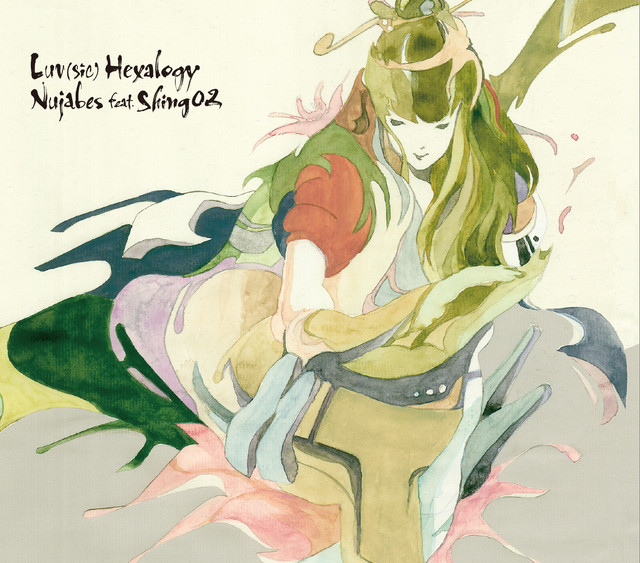
Luv(sic) Hexalogy
Various Artists, Kenmochi, Hidefumi, Nujabes, Farina, Mark, Pase Rock, Nakamura…
Instrumental Hip Hop
Japanese Chillhop
2011
1
/5
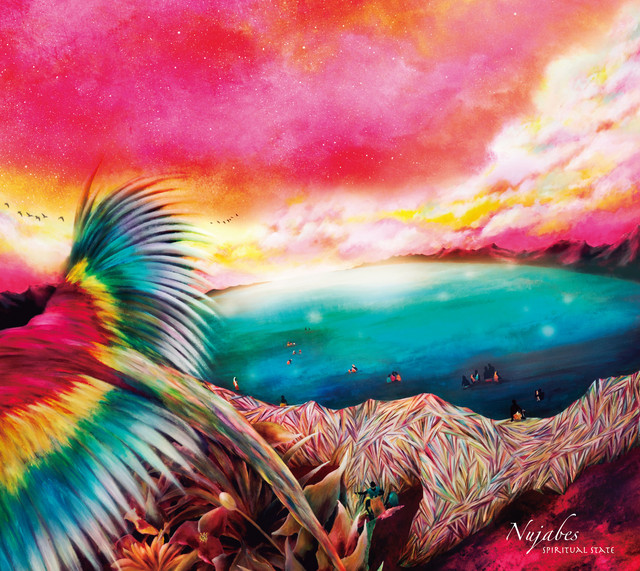
Spiritual State
Nujabes
Instrumental Hip Hop
Japanese Chillhop
Electronic
2005
1
/5
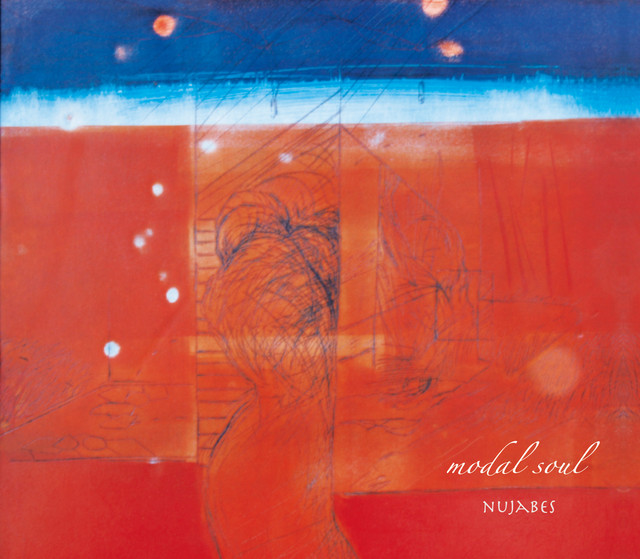
Modal Soul
Nujabes
Instrumental Hip Hop
Japanese Chillhop
Jazz Rap
2004
4
/5
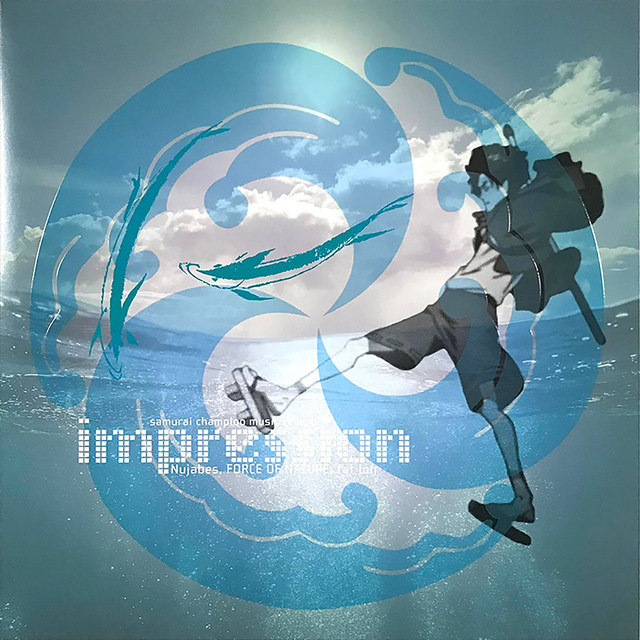
samurai champloo music record impression
Nujabes
Ambeat
Instrumental Hip Hop
Japanese Chillhop
2004
4
/5
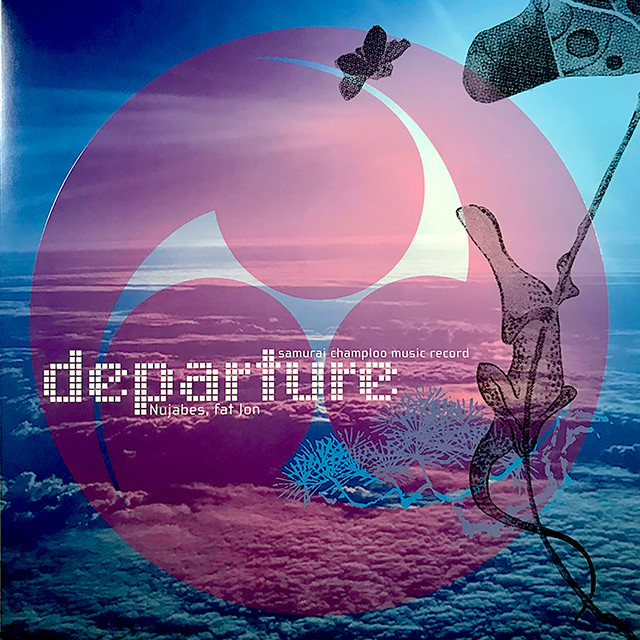
samurai champloo music record departure
Nujabes
Japanese Chillhop
Ambeat
Instrumental Hip Hop
2004
2
/5
Other Side of Phase
Various Artists, Kenmochi, Hidefumi, Nujabes, Farina, Mark, Pase Rock, Nakamura…
Instrumental Hip Hop
Japanese Chillhop
2003
1
/5
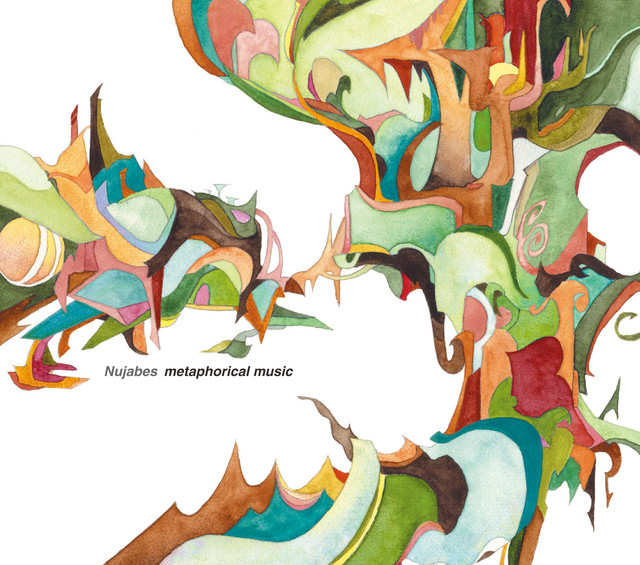
Metaphorical Music
Nujabes
Instrumental Hip Hop
Jazz Rap
Japanese Chillhop
Similar artists
3
/5
fat jon
Downtempo
Ambeat
Japanese Chillhop
1
/5
Various Artists
Afro-Funk
Alternative Rock
Ambient
3
/5
Uyama Hiroto
Nu Jazz
Jazztronica
Ambeat
3
/5
Force Of Nature
Ambeat
Chill Abstract Hip Hop
Lo-Fi Jazzhop
4
/5
Bonobo
Instrumental Hip Hop
Jazztronica
Downtempo
3
/5
Flying Lotus
Glitch Hop
Idm
Instrumental Hip Hop
4
/5
Madlib
Jazz Rap
Abstract Hip Hop
Alternative Hip Hop
3
/5
Snail's House
Kawaii Future Bass
Future Bass
Downtempo
3
/5
Gyvus
Jazz Beats
Jazz Rap
Japanese Chillhop
3
/5
DJ Cam
Downtempo
Acid Jazz
Indian Indie
Download our mobile app
Get the Melodigging app and start digging for new genres on the go
Download on the App Store
Get it on Google Play
© 2026 Melodigging
Give feedback
Legal
Melodding was created as a tribute to
Every Noise at Once
, which inspired us to help curious minds keep digging into music's ever-evolving genres.