Genres
Artists
Albums
Make Music
Sign in
Sign in
Artists
Classical
Artists
Classical
Nick Ingman
Listen
3
/5
Genres
Gufeng
Gufeng (古风, literally “ancient style”) is a modern Chinese pop-adjacent style that evokes the sound-world, imagery, and poetics of premodern China. It blends traditional instruments, pentatonic melodies, and classical literary diction with contemporary songwriting, recording, and distribution practices. Emerging largely from online communities and ACG (anime–comics–games/donghua) fandoms, Gufeng favors lyrical themes such as mountains-and-rivers landscapes, courtly romance, martial-arts chivalry, and historical fantasy. The production commonly combines guzheng, pipa, dizi, xiao, and erhu with soft pop arrangements, cinematic pads, and subtle electronic beats, resulting in a nostalgic yet fresh sound that is distinct from mainstream Mandopop.
Discover
Listen
New Isolationism
New isolationism is a contemporary strain of isolationist ambient and post-industrial minimalism that emerged in the 2010s, particularly around Scandinavian experimental labels and studios. It foregrounds intimate, close-mic’d sound, negative space, and a quiet-but-present noise floor; its pieces feel both internal and architectural, like rooms built from reverb tails, tape hiss, and soft electronics. Sonically, the style blends glacial drones, fragile chamber timbres (strings, organ, piano), lo‑fi electronics, and field recordings into stark, slow-evolving tableaux. Melodic information is sparse—often only a few tones or gestures—while rhythm is either absent or reduced to distant pulses, heartbeats, or mechanical cycles. Vocals, when they appear, are murmured, diaristic, or abstracted by pitch and time manipulation. Aesthetically, new isolationism is post‑internet and diaristic: it captures solitude, memory, and dislocation with a palette that feels personal yet estranged, drawing as much from contemporary gallery sound practice as from classic dark ambient.
Discover
Listen
Deep Soundtrack
Deep soundtrack is a modern, cinematic substyle that emphasizes low, immersive textures, slow-moving harmony, and spacious ambience over bombast. It sits at the intersection of ambient music, post-classical scoring, and contemporary film/TV/game underscore, favoring drones, soft pulses, and intimate instruments (piano, strings, analog synths) treated with generous space and subtle sound design. Rather than foregrounding memorable themes or trailer-scale crescendos, deep soundtrack cultivates mood: tense, melancholic, or quietly hopeful. It is designed to sit under narrative, visuals, or concentration—music that breathes, evolves slowly, and suggests emotion without overwhelming it.
Discover
Listen
Easy Listening
Easy listening is a lush, melodic, and unobtrusive style of popular orchestral music designed to be pleasant in the foreground and effortless in the background. It favors smooth textures, lyrical melodies, and gentle rhythms over virtuosic display or dense complexity. Typical arrangements feature string sections, woodwinds, soft brass, vibraphone, harp, piano, subtle Latin or light swing percussion, and sometimes wordless choirs. Repertoire often consists of standards, film and television themes, and instrumental covers of contemporary hits, presented with polished studio production and wide stereo imaging. The mood ranges from romantic and sentimental to breezy and exotic, prioritizing warmth, clarity, and relaxed pacing. Improvisation, if present, is restrained, with harmony that leans on jazzy extensions while staying consonant and approachable.
Discover
Listen
Pop
Pop is a broad, hook-driven style of popular music designed for wide appeal. It emphasizes memorable melodies, concise song structures, polished vocals, and production intended for radio, charts, and mass media. While pop continually absorbs elements from other styles, its core remains singable choruses, accessible harmonies, and rhythmic clarity. Typical forms include verse–pre-chorus–chorus, frequent use of bridges and middle-eights, and ear-catching intros and outros. Pop is not defined by a single instrumentation. It flexibly incorporates acoustic and electric instruments, drum machines, synthesizers, and increasingly digital production techniques, always in service of the song and the hook.
Discover
Listen
Orchestral
Orchestral music refers to compositions written for an orchestra—a large ensemble typically built around a string section (violins, violas, cellos, double basses), complemented by woodwinds, brass, percussion, and often harp, keyboard, or other auxiliary instruments. A conductor coordinates the ensemble, shaping balance, phrasing, and expression. The style emphasizes coloristic timbre combinations, dynamic range from the softest pianissimo to explosive tuttis, and textures that can shift seamlessly between transparent chamber-like writing and monumental masses of sound. Orchestral writing underpins concert genres such as symphonies, overtures, and tone poems, as well as opera, ballet, and modern film and game scores. While orchestral writing evolved across centuries, its core craft centers on melody, counterpoint, harmony, register, and orchestration—the art of assigning musical ideas to instruments to achieve clarity, contrast, and narrative impact.
Discover
Listen
Classical
Classical music is the notated art-music tradition of Europe and its global descendants, characterized by durable forms, carefully codified harmony and counterpoint, and a literate score-based practice. The term “classical” can refer broadly to the entire Western art-music lineage from the Medieval era to today, not just the Classical period (c. 1750s–1820s). It privileges long-form structures (such as symphonies, sonatas, concertos, masses, and operas), functional or modal harmony, thematic development, and timbral nuance across ensembles ranging from solo instruments to full orchestras and choirs. Across centuries, the style evolved from chant and modal polyphony to tonal harmony, and later to post-tonal idioms, while maintaining a shared emphasis on written notation, performance practice, and craft.
Discover
Listen
Vocal Music
Vocal music is music in which one or more singers carry the primary musical line, whether accompanied by instruments or sung a cappella (without any non‑vocal instrumental accompaniment). If singing is present but not featured prominently, the piece is typically treated as instrumental music. By contrast, vocal music foregrounds the human voice—its words, melody, timbre, and expressive nuance—across an enormous range of styles from chant and folk song to opera, pop, and hip hop.
Discover
Listen
Show all 8 genres
Similar artists
5
/5
Hans Zimmer
Score
Soundtrack
Classical
1
/5
Various Artists
Soundtrack
Afro-Funk
Alternative Rock
5
/5
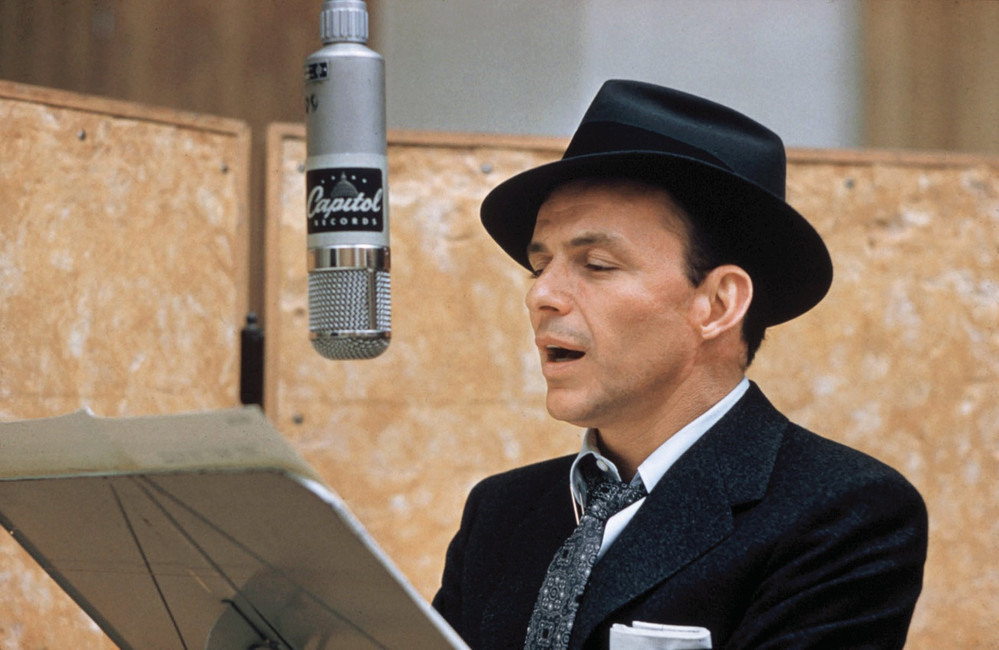
Frank Sinatra
Big Band
Jazz
Swing
4
/5
Royal Philharmonic Orchestra
Classical
Classical Bass
Historic Orchestral Performance
4
/5
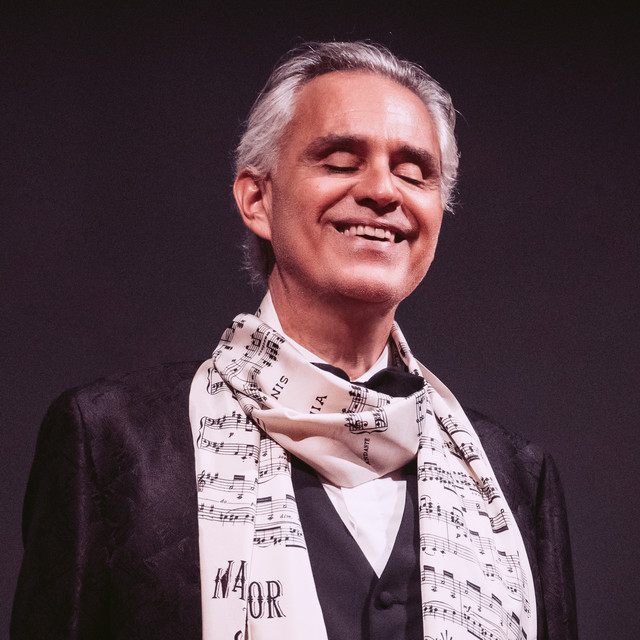
Andrea Bocelli
Opera
Classical
Pop
4
/5
Joe Hisaishi
Anime
Classical
Electronic
4
/5
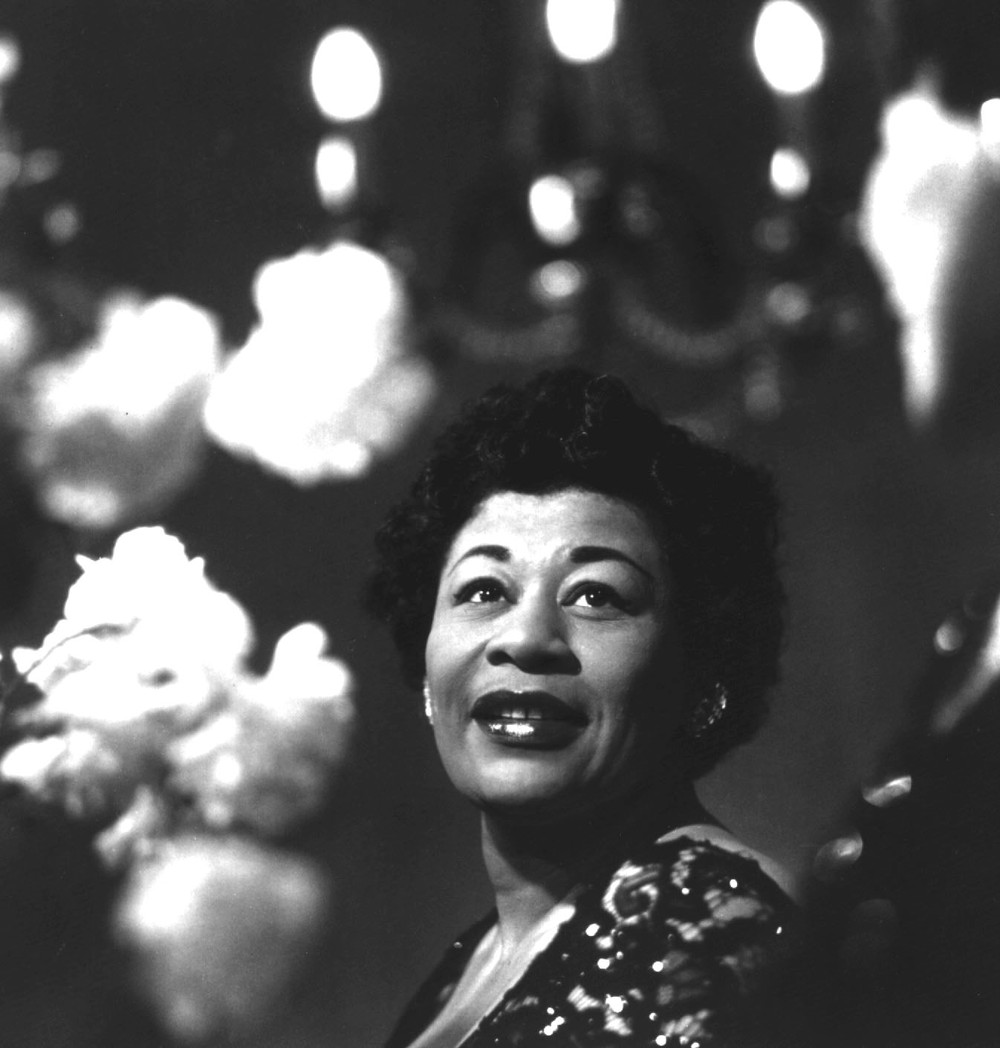
Ella Fitzgerald
Jazz
Swing
Vocal Jazz
4
/5
Wiener Philharmoniker
Classical
Romantic Classical
Romanticism
4
/5
Philharmonia Orchestra
Classical
Opera
Historic Orchestral Performance
4
/5
André Rieu
Classical
Easy Listening
Operatic Pop
Download our mobile app
Get the Melodigging app and start digging for new genres on the go
Download on the App Store
Get it on Google Play
© 2026 Melodigging
Give feedback
Legal
Melodding was created as a tribute to
Every Noise at Once
, which inspired us to help curious minds keep digging into music's ever-evolving genres.