Genres
Artists
Albums
Make Music
Sign in
Sign in
Artists
Classical
Artists
Classical
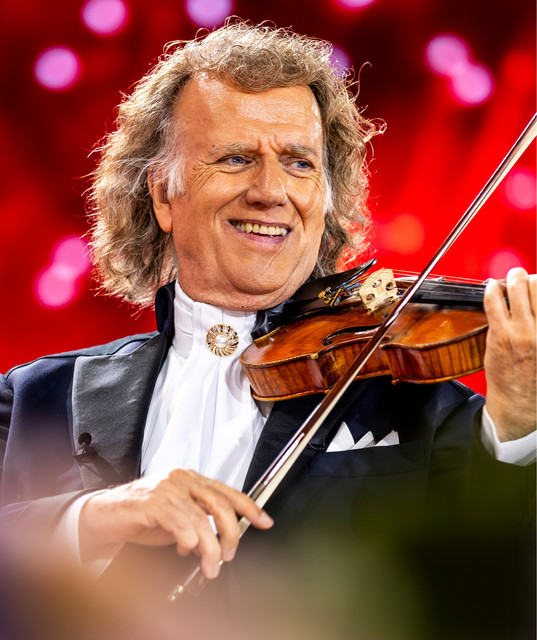
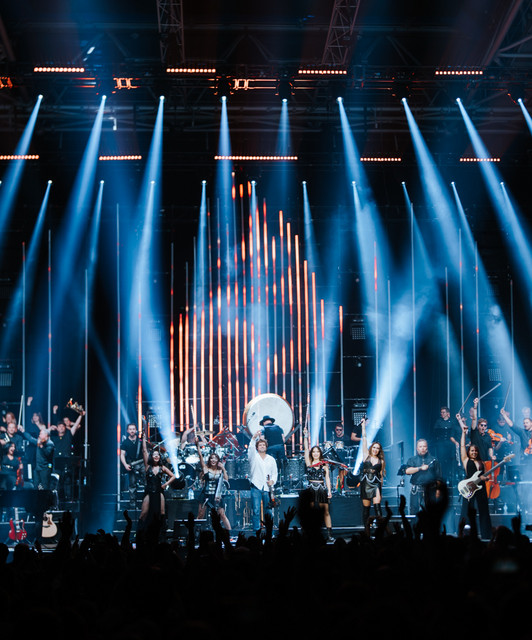
André Rieu
1997
·
1 album
Listen
4
/5
Genres
Flint Sound
Flint sound is a contemporary Michigan rap style centered in Flint, United States. It is characterized by fast, minimal, piano- or organ-led beats, dry and upfront vocals, and bar-by-bar “punch‑in” delivery that often rides slightly ahead of or behind the grid for a conversational, off‑kilter feel. The production typically favors bright piano loops, staccato 808 slides, crisp claps or rimshots, and sparse percussion, leaving plenty of space for relentless punchlines, gritty street reportage, and mischievous humor. While hard-edged and streetwise, the style frequently leans into charismatic personality and wit, making it both aggressive and infectious for dancing.
Discover
Listen
432hz
432hz is a wellness-oriented ambient/New Age micro-genre built around tuning music to the alternative concert pitch A=432 Hz instead of the modern standard A=440 Hz. In practice, 432hz releases are largely instrumental, slow-tempo, and reverb-rich, combining soft pads, drones, gentle piano, bowls/chimes, and nature sounds. Tracks are marketed for relaxation, meditation, yoga, sleep, and "energy" or "chakra" work, and are frequently tagged with wellness keywords. While advocates claim psychoacoustic or physiological benefits from 432 Hz tuning, these claims remain unproven; the sound signature audiences respond to is the calm production, consonant harmony, and spacious mixing typical of ambient and New Age music. As a streaming-native style, 432hz thrives on platforms like YouTube and Spotify where long-form background listening, SEO-friendly titling, and looping visuals support use-cases such as study, mindfulness, and sleep.
Discover
Listen
Big Room House
Big room house is a festival-focused strain of EDM built for massive sound systems and outdoor main stages. It typically runs around 126–132 BPM (most commonly 128), uses four-on-the-floor kick patterns, and features huge, simple lead riffs designed to be instantly memorable to large crowds. A defining trait is the contrast between cinematic, reverb-washed breakdowns and ultra-dry, percussive drops driven by a powerful kick, sub, and a few bold supersaw or horn-like synth stabs. Arrangements lean on dramatic builds with snare rolls, risers, and crowd-hyping vocal chops, culminating in drops that emphasize impact over harmonic complexity.
Discover
Listen
Doble Paso
Doble paso is a high‑tempo reggaetón variant characterized by running the classic dembow groove at double speed, creating a frenetic, hard‑hitting feel aimed squarely at the dance floor. Compared with standard reggaetón drum patterns (typically around 90–100 BPM), doble paso accelerates the same rhythmic skeleton to roughly 120–140 BPM, often accompanying a club dance of the same name. Producers keep the core syncopation and low‑end punch of reggaetón while tightening hi‑hats, adding denser percussion fills, and favoring short, chant‑like hooks that match the breathless pace. The result is intense, perreo‑ready energy that bridges classic reggaetón, Dominican dembow’s urgency, and club‑forward editing trends.
Discover
Listen
Gufeng
Gufeng (古风, literally “ancient style”) is a modern Chinese pop-adjacent style that evokes the sound-world, imagery, and poetics of premodern China. It blends traditional instruments, pentatonic melodies, and classical literary diction with contemporary songwriting, recording, and distribution practices. Emerging largely from online communities and ACG (anime–comics–games/donghua) fandoms, Gufeng favors lyrical themes such as mountains-and-rivers landscapes, courtly romance, martial-arts chivalry, and historical fantasy. The production commonly combines guzheng, pipa, dizi, xiao, and erhu with soft pop arrangements, cinematic pads, and subtle electronic beats, resulting in a nostalgic yet fresh sound that is distinct from mainstream Mandopop.
Discover
Listen
Operatic Pop
Operatic pop, often called popera, blends the vocal technique, timbre, and grand emotional scope of opera with the accessible song forms and production of contemporary pop. It typically features classically trained voices (soprano, mezzo, tenor, or baritone) singing lyrical, melodically soaring material over orchestral backdrops augmented by pop rhythm sections, piano, and cinematic production. Repertoires can include original songs, popular standards reimagined with operatic delivery, and arias adapted into verse–chorus structures. The result is music that feels both intimate and monumental—rooted in bel canto expressivity yet crafted for mainstream audiences and modern recording contexts.
Discover
Listen
Classical Crossover
Classical crossover blends elements of Western classical music with popular styles to create accessible, cinematic, and vocally forward repertoire. It typically keeps classical vocal technique or orchestral timbres while adopting pop song structures, contemporary production, and ear‑catching hooks. Arrangements often feature lush strings, piano, and choir, with dramatic dynamic arcs and key changes. Repertoire may include pop-influenced originals, classical themes with new lyrics, and reinterpretations of opera arias or film melodies, frequently sung in English, Italian, or Latin. The genre is designed for broad appeal without abandoning the polish and gravitas of classical performance, bridging concert hall aesthetics and mainstream listening contexts.
Discover
Listen
Old School Nederhop
Old school nederhop is the first wave of Dutch-language hip hop that took shape in the Netherlands in the late 1980s and early–mid 1990s. It is defined by rapping in Dutch (often Amsterdam or Rotterdam street slang), boom‑bap drum programming, heavy use of sampling (funk, soul, jazz, electro), and classic DJ techniques such as cutting and scratching. Lyrically, it blends braggadocio, humor, wordplay, and local storytelling with early social commentary, translating the aesthetics of golden‑age hip hop to a distinctly Dutch cultural context. The sound feels gritty and analog—drum machines and 12‑bit samplers, swung snares, chopped breaks, and hooky, sung or chanted refrains—while the flow prioritizes clear diction and multisyllabic rhyme schemes that showcase Dutch as a rhythmic rap language.
Discover
Listen
Easy Listening
Easy listening is a lush, melodic, and unobtrusive style of popular orchestral music designed to be pleasant in the foreground and effortless in the background. It favors smooth textures, lyrical melodies, and gentle rhythms over virtuosic display or dense complexity. Typical arrangements feature string sections, woodwinds, soft brass, vibraphone, harp, piano, subtle Latin or light swing percussion, and sometimes wordless choirs. Repertoire often consists of standards, film and television themes, and instrumental covers of contemporary hits, presented with polished studio production and wide stereo imaging. The mood ranges from romantic and sentimental to breezy and exotic, prioritizing warmth, clarity, and relaxed pacing. Improvisation, if present, is restrained, with harmony that leans on jazzy extensions while staying consonant and approachable.
Discover
Listen
Waltz
Waltz is a dance-music genre in triple meter, most commonly in 3/4 time, marked by a strong accent on the first beat and the characteristic “oom–pah–pah” accompaniment (bass note followed by two chords). Emerging from Central European folk dances and adopted by urban salons, the waltz spans both functional dance repertoire and concert pieces for piano or orchestra. Tempos vary by style: the Viennese waltz is fast and flowing, while the slow/English waltz is measured and lyrical. Melodies are typically long-breathed and cantabile, with 8- or 16-bar phrases and frequent modulations to closely related keys. The genre is culturally tied to Vienna and the Habsburg lands, where composers such as the Strausses and Lanner helped codify its form, but it has since permeated ballroom traditions, art music, folk repertoires, film, and popular music worldwide.
Discover
Listen
Orchestral
Orchestral music refers to compositions written for an orchestra—a large ensemble typically built around a string section (violins, violas, cellos, double basses), complemented by woodwinds, brass, percussion, and often harp, keyboard, or other auxiliary instruments. A conductor coordinates the ensemble, shaping balance, phrasing, and expression. The style emphasizes coloristic timbre combinations, dynamic range from the softest pianissimo to explosive tuttis, and textures that can shift seamlessly between transparent chamber-like writing and monumental masses of sound. Orchestral writing underpins concert genres such as symphonies, overtures, and tone poems, as well as opera, ballet, and modern film and game scores. While orchestral writing evolved across centuries, its core craft centers on melody, counterpoint, harmony, register, and orchestration—the art of assigning musical ideas to instruments to achieve clarity, contrast, and narrative impact.
Discover
Listen
Classical
Classical music is the notated art-music tradition of Europe and its global descendants, characterized by durable forms, carefully codified harmony and counterpoint, and a literate score-based practice. The term “classical” can refer broadly to the entire Western art-music lineage from the Medieval era to today, not just the Classical period (c. 1750s–1820s). It privileges long-form structures (such as symphonies, sonatas, concertos, masses, and operas), functional or modal harmony, thematic development, and timbral nuance across ensembles ranging from solo instruments to full orchestras and choirs. Across centuries, the style evolved from chant and modal polyphony to tonal harmony, and later to post-tonal idioms, while maintaining a shared emphasis on written notation, performance practice, and craft.
Discover
Listen
Show all 12 genres
Albums
1997
2
/5
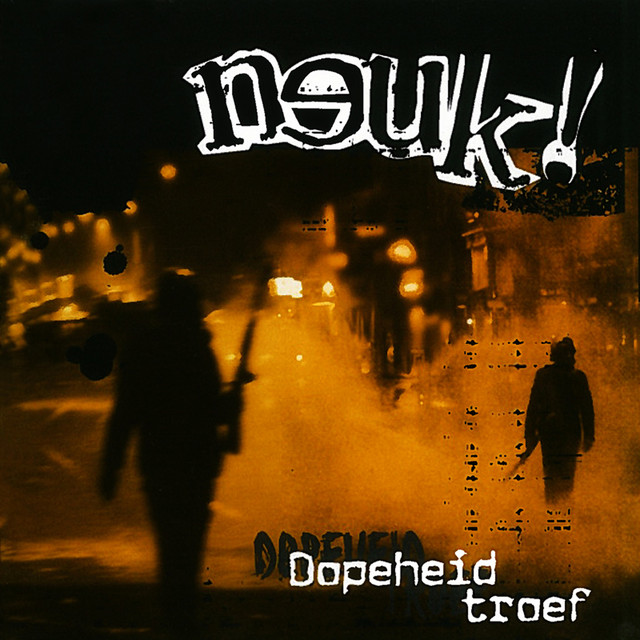
Dopeheid Troef
Neuk!
Old School Nederhop
Similar artists
1
/5
Various Artists
Afro-Funk
Alternative Rock
Ambient
5
/5
Hans Zimmer
Country Dawn
Soundtrack
Classical
4
/5
Johann Strauss Orchestra
Classical
Flint Sound
Orchestral
4
/5
Howard Shore
Score
Soundtrack
Solo Wave
4
/5
John Powell
Soundtrack
Deep Soundtrack
Flint Sound
4
/5
Two Steps from Hell
Epic Music
Score
Classical
4
/5
Thomas Bergersen
Epic Music
Score
Cinematic Classical
4
/5
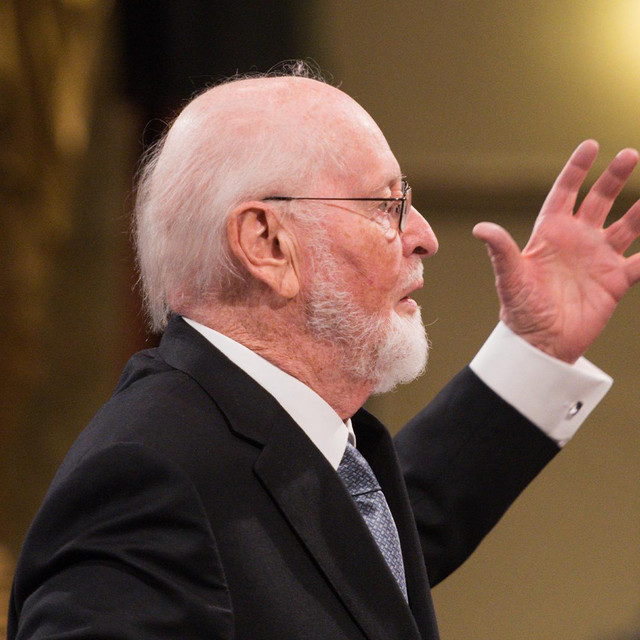
John Williams
Soundtrack
Pops Orchestra
Deep Soundtrack
4
/5
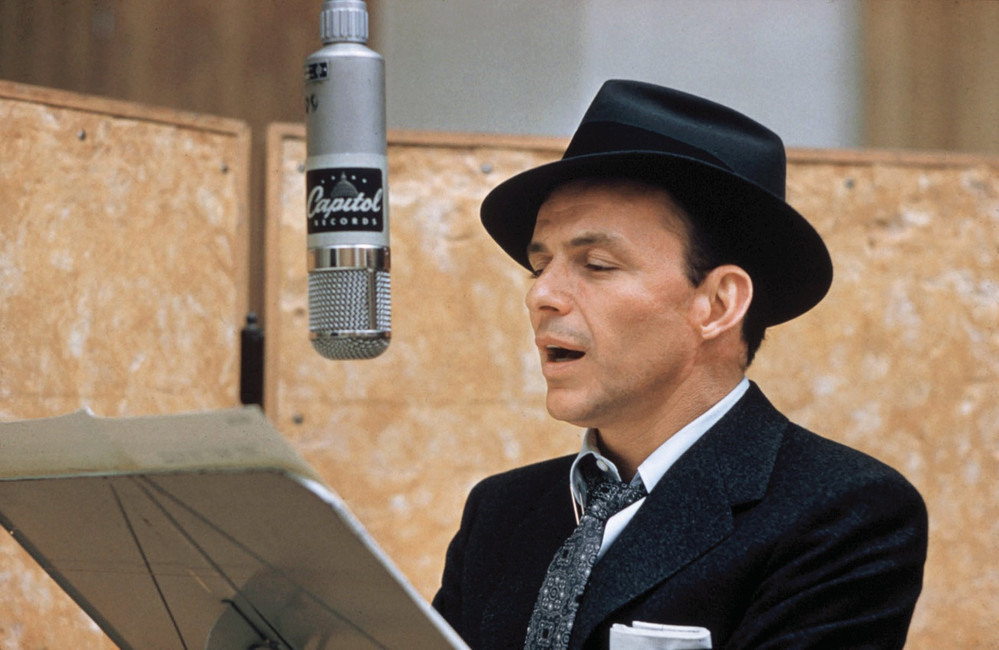
Frank Sinatra
Big Band
Jazz
Swing
4
/5
Ludovico Einaudi
Classical
Contemporary Classical
Compositional Ambient
Download our mobile app
Get the Melodigging app and start digging for new genres on the go
Download on the App Store
Get it on Google Play
© 2026 Melodigging
Give feedback
Legal
Melodding was created as a tribute to
Every Noise at Once
, which inspired us to help curious minds keep digging into music's ever-evolving genres.