Genres
Artists
Albums
Make Music
Sign in
Sign in
Artists
Chamber Music
Artists
Chamber Music
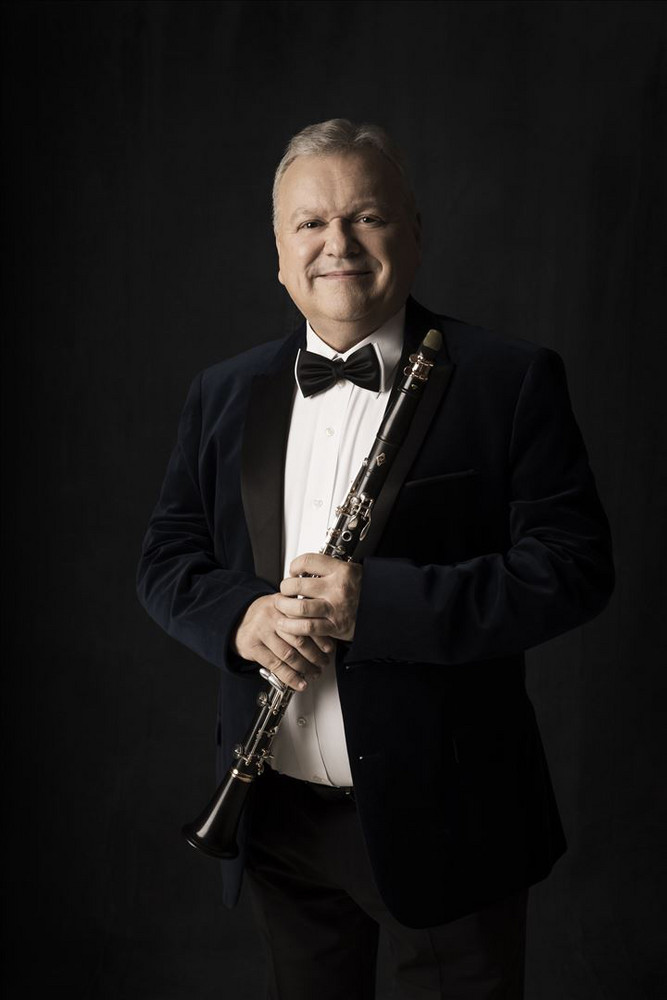
Michael Collins
1993–2021
·
3 albums
Listen
2
/5
Genres
Early Romantic Era
The Early Romantic era in Western art music marks the first decades of the 19th century when composers began to push beyond Classical restraint toward heightened personal expression, vivid musical storytelling, and new harmonic color. Characteristic features include singing, memorable melodies; richer harmonic palettes with modal mixture, chromatic inflection, and bold mediant shifts; flexible forms that privilege expressive arc over strict symmetry; and expanding orchestral colors, especially in winds and brass. New poetic, picturesque, or literary ideas often shape musical form (especially in songs and overtures), and virtuosity rises to the foreground in solo piano and violin music. Genres such as the Lied, character piece for piano, and Romantic opera take definitive shape in this period, while symphony and concerto adopt a more dramatic, narrative impulse.
Discover
Listen
Classical Clarinet
Classical clarinet refers to the body of Western classical music written for the clarinet family (notably the B♭ and A clarinets, as well as E♭, basset, and bass clarinets) from the 18th century to the present. It encompasses concertos, sonatas, chamber music (e.g., clarinet–piano, clarinet quintets, woodwind quintets), orchestral solos, and modern works that explore extended techniques. Stylistically it is marked by cantabile melodic writing, agile passagework, vivid dynamic contrasts, and expressive use of the instrument’s distinct registers (chalumeau, clarion, and altissimo). Tone production and articulation emphasize clarity, legato flexibility, and nuanced control; vibrato, if used, is typically subtle and style-dependent. Canonical repertoire spans the Classical era through Romanticism and into the 20th/21st centuries, creating a continuous tradition of performance and pedagogy that shapes how clarinetists learn phrasing, color, and technique across solo, chamber, and orchestral contexts.
Discover
Listen
Classical Flute
Classical flute refers to the Western art‑music repertoire and performance practice centered on the transverse concert flute, from the Baroque era through the Classical, Romantic, and modern periods. The genre encompasses solo literature (sonatas, partitas, fantasies), concertos with orchestra, chamber music with strings, piano, or harp, and orchestral parts where the flute often carries lyrical lines or brilliant passagework. Stylistically, it ranges from the ornate ornamentation of the Baroque traverso to the clear, balanced phrasing of the Classical era, the expressive cantabile and coloristic writing of the Romantic period, and the expanded timbral and technical palette of the 20th and 21st centuries. Technically, the modern Boehm‑system flute (standardized in the 19th century) supports agile articulation, wide dynamic range, and extended techniques, enabling composers to treat the instrument as both a singing voice and a virtuoso vehicle.
Discover
Listen
Concerto
A concerto is a large-scale composition that sets one or more solo instruments in dynamic dialogue with an orchestra. Its core idea is contrast—between soloist and tutti—and the dramatic negotiation of power, color, and thematic responsibility. While Baroque concertos often relied on ritornello form, the Classical era standardized a three-movement plan (fast–slow–fast) with sonata principles in the opening movement. The Romantic period emphasized virtuosity and expressive foregrounding of the soloist, and the 20th–21st centuries broadened the palette with new instruments, harmonies, and formats. Across eras, the concerto remains a showcase for instrumental character, technical brilliance, and the art of orchestral conversation.
Discover
Listen
Chamber Music
Chamber music is a tradition of composed music for small ensembles—typically one player per part—intended for intimate spaces such as courts, salons, and private rooms rather than large public halls. Its aesthetic emphasizes clarity of texture, conversational interplay among parts, and balance without a conductor. Hallmark formations include the string quartet, piano trio, wind quintet, string quintet, and various mixed ensembles. Multi‑movement cycles (often in sonata form) and finely wrought counterpoint are common, ranging from Baroque trio sonatas to Classical string quartets and modern works with expanded timbres and techniques. Because of its scale and transparency, chamber music has long been a proving ground for compositional craft and ensemble musicianship, shaping the core of Western art music from the Baroque through the present.
Discover
Listen
Classical
Classical music is the notated art-music tradition of Europe and its global descendants, characterized by durable forms, carefully codified harmony and counterpoint, and a literate score-based practice. The term “classical” can refer broadly to the entire Western art-music lineage from the Medieval era to today, not just the Classical period (c. 1750s–1820s). It privileges long-form structures (such as symphonies, sonatas, concertos, masses, and operas), functional or modal harmony, thematic development, and timbral nuance across ensembles ranging from solo instruments to full orchestras and choirs. Across centuries, the style evolved from chant and modal polyphony to tonal harmony, and later to post-tonal idioms, while maintaining a shared emphasis on written notation, performance practice, and craft.
Discover
Listen
Albums
2021
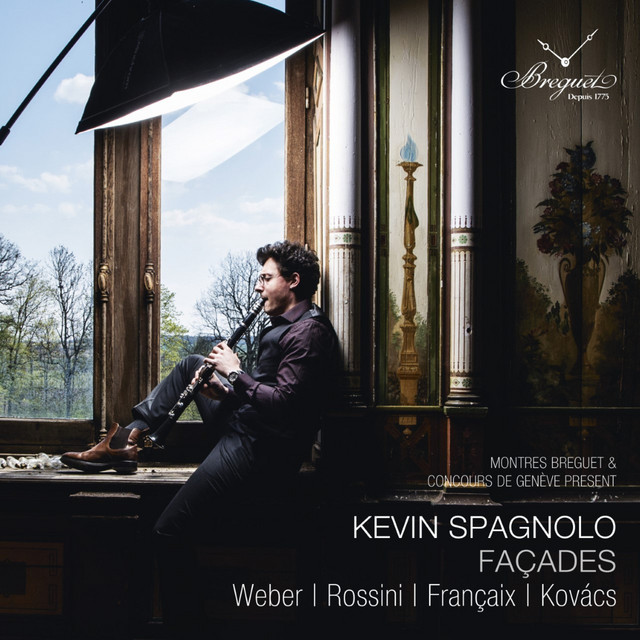
Kevin Spagnolo: Façades
Kevin Spagnolo, Swedish Chamber Orchestra, Michael Collins
Classical Clarinet
2018
Crusell: Clarinet Concertos
Bernhard Henrik Crusell, Michael Collins, Swedish Chamber Orchestra
Early Romantic Era
1993
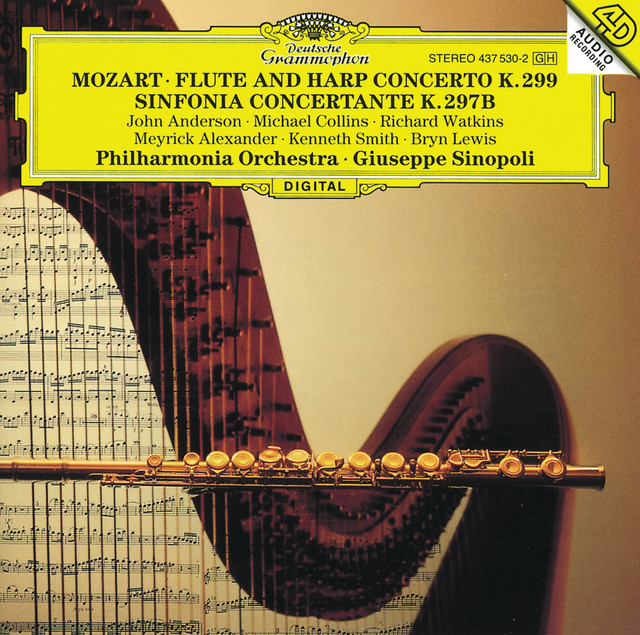
Mozart: Flute & Harp Concerto K.299; Sinfonia concertante K.297b
Wolfgang Amadeus Mozart, Kenneth Smith, Bryn Lewis, John Anderson, Michael Coll…
Classical Flute
Similar artists
4
/5
Academy of St. Martin in the Fields
Baroque
Classical
Classical Performance
4
/5
Wolfgang Amadeus Mozart
Classical
Requiem
Classical Period
4
/5
Johann Sebastian Bach
Baroque
Classical
Baroque Suite
4
/5
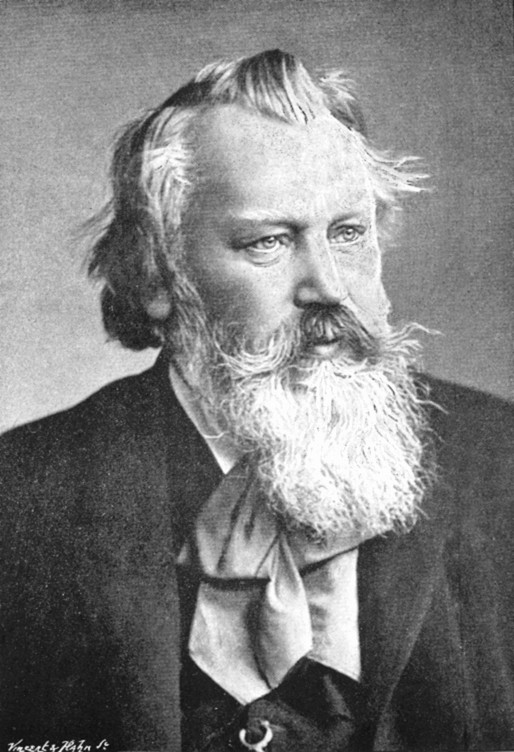
Johannes Brahms
Classical Clarinet
Classical Piano Quartet
Concerto
4
/5
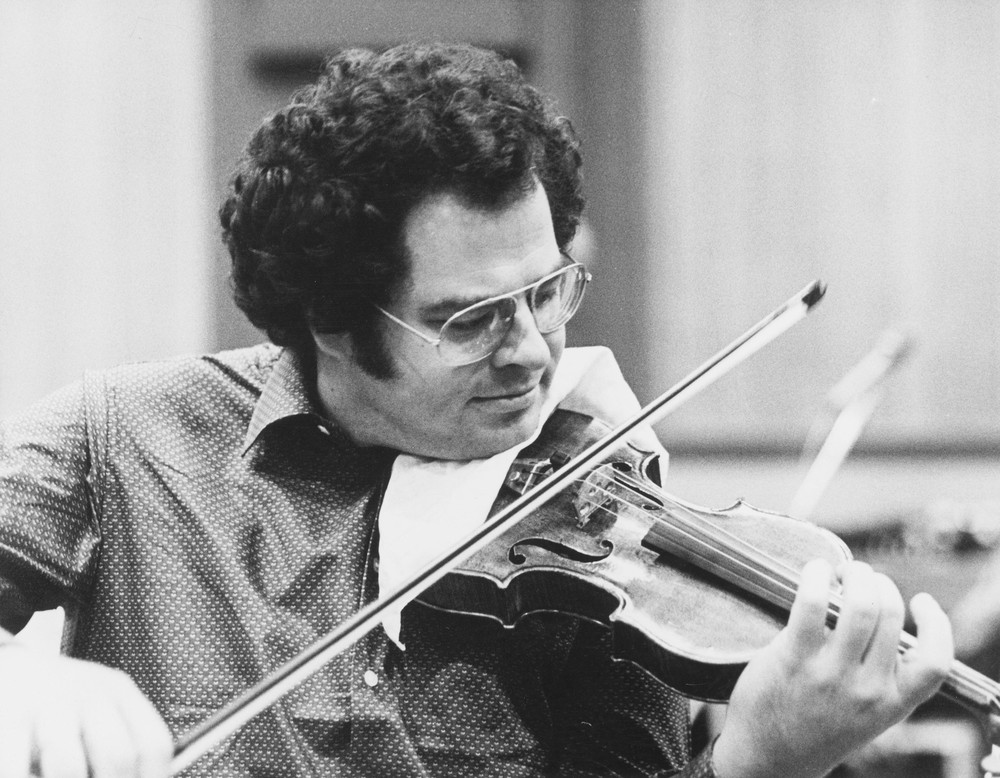
Itzhak Perlman
Concerto
Chamber Music
Classical
3
/5
Orpheus Chamber Orchestra
Baroque
Chamber Music
Classical
3
/5
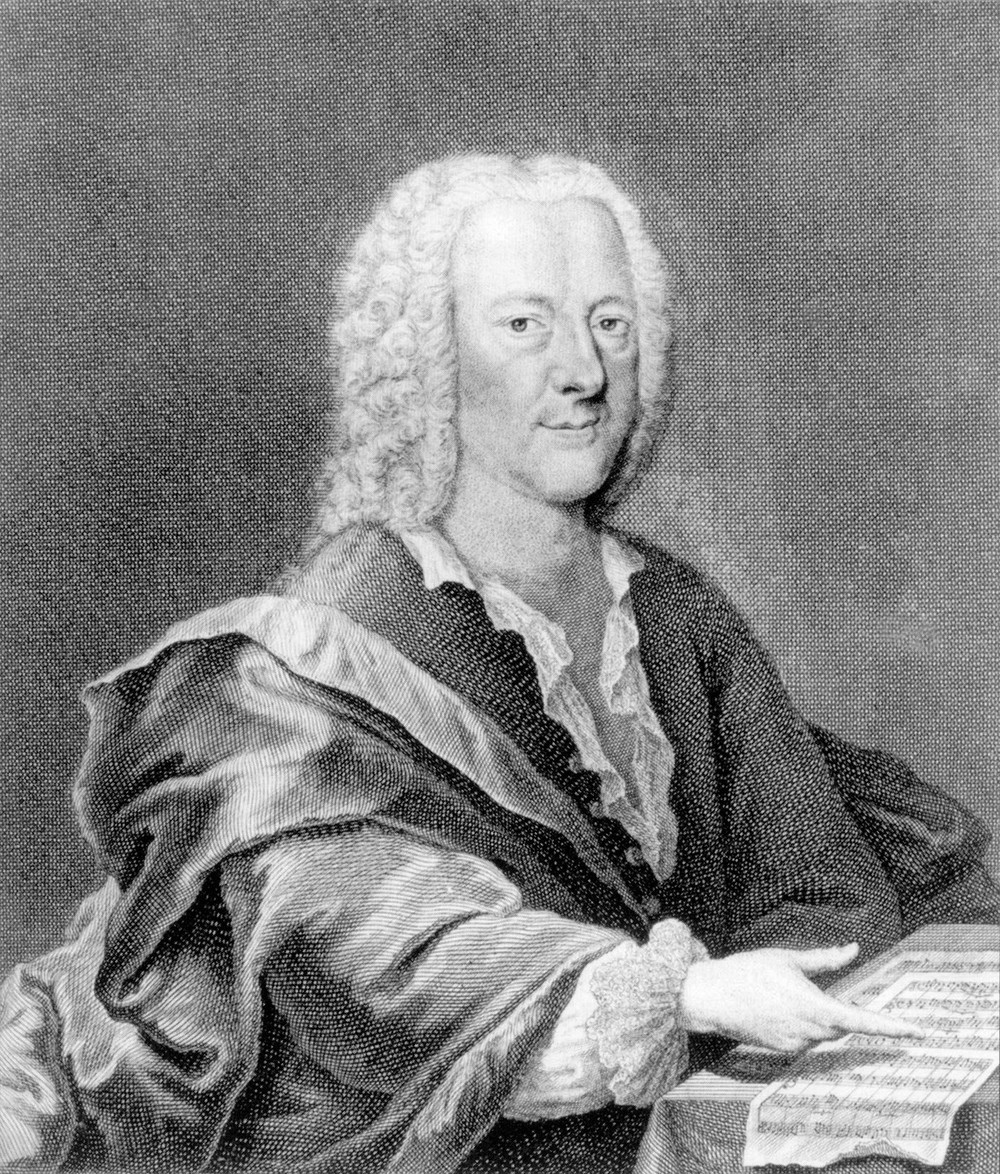
Georg Philipp Telemann
Baroque Woodwind
Fantasia
Recorder
3
/5
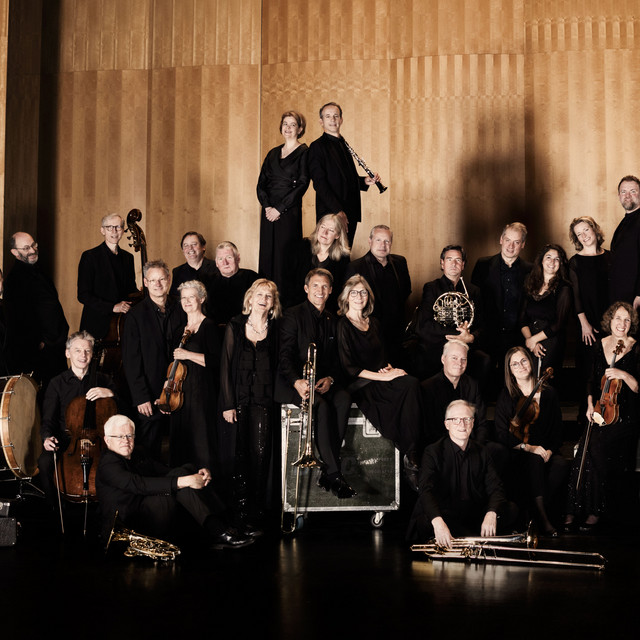
Chamber Orchestra of Europe
Chamber Music
Classical
Classical Soprano
3
/5
Reinhard Goebel
Baroque
Chamber Music
Classical
3
/5
Orchestre de Chambre de Lausanne
Chamber Orchestra
Chamber Music
Classical
Download our mobile app
Get the Melodigging app and start digging for new genres on the go
Download on the App Store
Get it on Google Play
© 2026 Melodigging
Give feedback
Legal
Melodding was created as a tribute to
Every Noise at Once
, which inspired us to help curious minds keep digging into music's ever-evolving genres.