Genres
Artists
Albums
Make Music
Sign in
Sign in
Artists
Chamber Music
Artists
Chamber Music
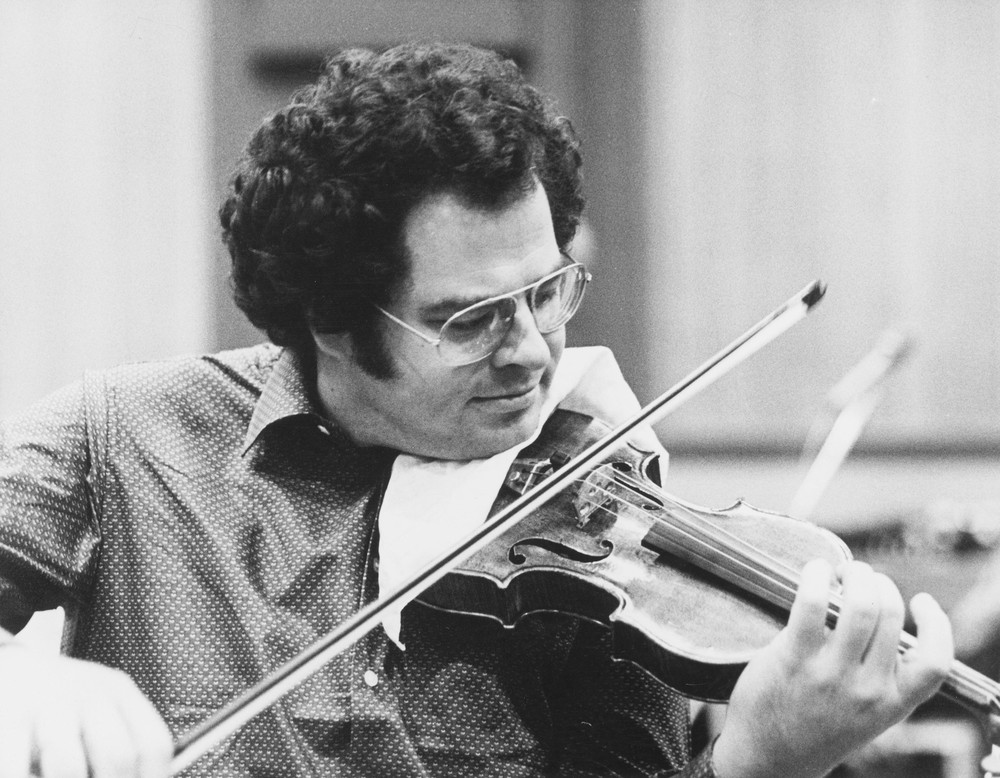
Itzhak Perlman
1981–2015
·
4 albums
Listen
4
/5
Genres
Dungeon Rap
Dungeon rap is a dark, internet-born microgenre that fuses the gloomy, medieval-fantasy atmospheres of dungeon synth with the rhythms, vocal cadences, and low‑end of underground trap and Memphis-influenced rap. Its sound is defined by lo-fi, reverb-soaked synth pads, organ or choir timbres, modal or minor-key melodies reminiscent of dungeon synth, and skeletal 808-driven drum patterns. Vocals (when present) are typically pitched-down, whispered, or deadpan, often dealing with occult, fantasy, and horror imagery. Producers frequently sample retro RPG soundtracks, black metal-adjacent ambient passages, or cassette-era dungeon synth, then anchor them with trunk-rattling subs and crispy hi-hat rolls. The genre coalesced online at the turn of the 2020s through Bandcamp/YouTube scenes and boutique labels, crystallizing a distinct aesthetic that feels equal parts crypt-ambient and street-level rap.
Discover
Listen
Deep Soundtrack
Deep soundtrack is a modern, cinematic substyle that emphasizes low, immersive textures, slow-moving harmony, and spacious ambience over bombast. It sits at the intersection of ambient music, post-classical scoring, and contemporary film/TV/game underscore, favoring drones, soft pulses, and intimate instruments (piano, strings, analog synths) treated with generous space and subtle sound design. Rather than foregrounding memorable themes or trailer-scale crescendos, deep soundtrack cultivates mood: tense, melancholic, or quietly hopeful. It is designed to sit under narrative, visuals, or concentration—music that breathes, evolves slowly, and suggests emotion without overwhelming it.
Discover
Listen
432hz
432hz is a wellness-oriented ambient/New Age micro-genre built around tuning music to the alternative concert pitch A=432 Hz instead of the modern standard A=440 Hz. In practice, 432hz releases are largely instrumental, slow-tempo, and reverb-rich, combining soft pads, drones, gentle piano, bowls/chimes, and nature sounds. Tracks are marketed for relaxation, meditation, yoga, sleep, and "energy" or "chakra" work, and are frequently tagged with wellness keywords. While advocates claim psychoacoustic or physiological benefits from 432 Hz tuning, these claims remain unproven; the sound signature audiences respond to is the calm production, consonant harmony, and spacious mixing typical of ambient and New Age music. As a streaming-native style, 432hz thrives on platforms like YouTube and Spotify where long-form background listening, SEO-friendly titling, and looping visuals support use-cases such as study, mindfulness, and sleep.
Discover
Listen
Writing
Writing is a functional, streaming-era microgenre designed to support reading and writing by providing an unobtrusive sonic backdrop. It favors gentle dynamics, sparse textures, and a stable emotional temperature that reduces distraction while maintaining a subtle sense of flow. The sound palette commonly blends modern classical elements (felt piano, light strings), ambient pads and drones, soft post-rock guitars with long reverb tails, and understated downtempo or lo-fi rhythms. Tempos are typically slow to moderate (often 60–90 BPM) or pulse-free, with simple, repetitive motifs and gradual evolution rather than dramatic contrasts. Harmonically, it leans on consonant, slowly changing chords, modal centers, and extended triads for warmth, avoiding sharp dissonance or sudden modulations. Vocals, when present at all, are wordless; most tracks are instrumental to preserve focus.
Discover
Listen
Étude
An étude is a short solo instrumental piece, most commonly for piano, designed to develop a specific technical skill while also standing as a musically satisfying work. Emerging in the early 19th century from pedagogical "studies," the concert étude transformed drill-like patterns (arpeggios, octaves, double notes, leaps, rapid scales, polyrhythms) into expressive miniatures suitable for the stage. Typical études are through-composed or ternary in shape, last a few minutes, and center on a single technical focus that is woven into the musical fabric. Although most associated with the piano, the étude tradition extends to violin, winds, brass, and other instruments, where sets of studies target instrument-specific techniques. Over time the genre has ranged from classical tonality (Czerny, Chopin) to late-Romantic and modern harmonic languages (Rachmaninoff, Scriabin, Debussy) and into avant-garde textures and extended techniques (Ligeti).
Discover
Listen
Classical Period
The Classical period in Western art music (c. 1750–1820) is defined by clarity of form, balance of phrase, and transparent textures. Composers favored singable melodies, symmetrical four- and eight-bar phrases, and functional harmony that modulates to closely related keys. Hallmark forms such as the symphony, string quartet, sonata, and classical concerto were standardized, often using sonata form, theme-and-variations, minuet and trio, and rondo designs. Orchestras expanded beyond strings to include standardized pairs of woodwinds and horns, with trumpets and timpani for ceremonial weight, while the fortepiano gradually replaced the harpsichord. The style pivoted away from the dense counterpoint of the late Baroque toward a more galant, conversational musical rhetoric. It culminated in the Viennese masters—Haydn, Mozart, and the early Beethoven—whose works crystallized the era’s ideals and prepared the way for Romanticism.
Discover
Listen
Concerto
A concerto is a large-scale composition that sets one or more solo instruments in dynamic dialogue with an orchestra. Its core idea is contrast—between soloist and tutti—and the dramatic negotiation of power, color, and thematic responsibility. While Baroque concertos often relied on ritornello form, the Classical era standardized a three-movement plan (fast–slow–fast) with sonata principles in the opening movement. The Romantic period emphasized virtuosity and expressive foregrounding of the soloist, and the 20th–21st centuries broadened the palette with new instruments, harmonies, and formats. Across eras, the concerto remains a showcase for instrumental character, technical brilliance, and the art of orchestral conversation.
Discover
Listen
Chamber Music
Chamber music is a tradition of composed music for small ensembles—typically one player per part—intended for intimate spaces such as courts, salons, and private rooms rather than large public halls. Its aesthetic emphasizes clarity of texture, conversational interplay among parts, and balance without a conductor. Hallmark formations include the string quartet, piano trio, wind quintet, string quintet, and various mixed ensembles. Multi‑movement cycles (often in sonata form) and finely wrought counterpoint are common, ranging from Baroque trio sonatas to Classical string quartets and modern works with expanded timbres and techniques. Because of its scale and transparency, chamber music has long been a proving ground for compositional craft and ensemble musicianship, shaping the core of Western art music from the Baroque through the present.
Discover
Listen
Baroque Suite
The baroque suite is a multi-movement instrumental genre from the Baroque era built from a sequence of stylized dances unified by key and often contrasted by tempo and character. Typically, a core group of dances—Allemande, Courante (or Corrente), Sarabande, and Gigue—forms the backbone, with optional insertions such as Minuet, Gavotte, Bourrée, Passepied, Rigaudon, or Air. Each movement commonly uses binary form with repeated sections (||: A :|| ||: B :||), in which the first part modulates away from the tonic and the second part returns, often with balanced phrasing and motivic recall. Ornamentation (agréments), rhythmic inégalité in French movements, and clear dance rhythms are hallmarks. Suites were composed for keyboard (harpsichord, organ), lute, chamber ensembles, and orchestra (as orchestral suites).
Discover
Listen
Capriccio
Capriccio is a classical music genre and form characterized by a lively, playful, and improvisatory spirit rather than by strict formal constraints. Originating in Italy around the turn of the 17th century, early capricci appeared as keyboard and instrumental works that favored sudden contrasts, whimsical ideas, and virtuosic figuration. Across the Classical and Romantic eras the label was applied to piano pieces, solo instrumental showpieces (notably violin caprices), and orchestral works, all unified by a sense of fanciful freedom and caprice.
Discover
Listen
Violin
“Violin” as a genre tag refers to violin‑centric music, typically spotlighting the instrument as a solo voice or principal melodic carrier across classical, chamber, and modern concert traditions. It encompasses solo works (sonatas, partitas, caprices), concertos with orchestra, chamber settings (duos with piano, trios, quartets), and contemporary pieces that extend the instrument’s timbral palette. Characteristic features include lyrical cantabile lines, virtuosic passagework, double‑stops and chords, harmonics, pizzicato (including left‑hand), scordatura tuning in select works, and expressive bow articulations. While rooted in European art music, violin repertoire has influenced a wide array of later styles and crossovers, from modern classical and film music to symphonic rock/metal and chamber‑inflected pop and folk.
Discover
Listen
Classical
Classical music is the notated art-music tradition of Europe and its global descendants, characterized by durable forms, carefully codified harmony and counterpoint, and a literate score-based practice. The term “classical” can refer broadly to the entire Western art-music lineage from the Medieval era to today, not just the Classical period (c. 1750s–1820s). It privileges long-form structures (such as symphonies, sonatas, concertos, masses, and operas), functional or modal harmony, thematic development, and timbral nuance across ensembles ranging from solo instruments to full orchestras and choirs. Across centuries, the style evolved from chant and modal polyphony to tonal harmony, and later to post-tonal idioms, while maintaining a shared emphasis on written notation, performance practice, and craft.
Discover
Listen
Show all 12 genres
Albums
2015
3
/5
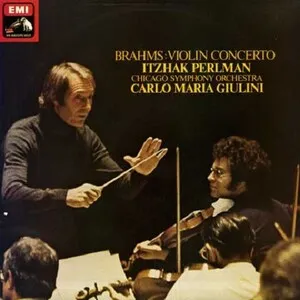
Violin Concerto
Johannes Brahms
Concerto
2015
3
/5
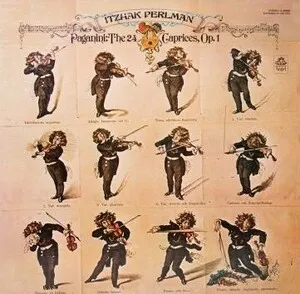
The 24 Caprices, Op. 1
Niccolò Paganini / Itzhak Perlman
Capriccio
Étude
1988
3
/5
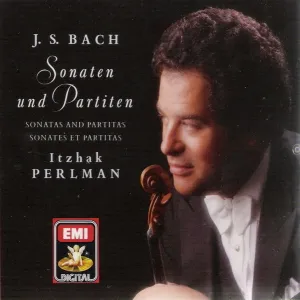
Sonaten und Partiten
Johann Sebastian Bach / Itzhak Perlman
Baroque Suite
Chamber Music
Classical
1981
2
/5
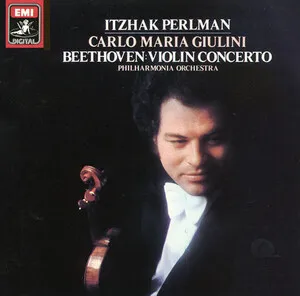
Violin Concerto
Ludwig van Beethoven
Concerto
Classical Period
Similar artists
4
/5
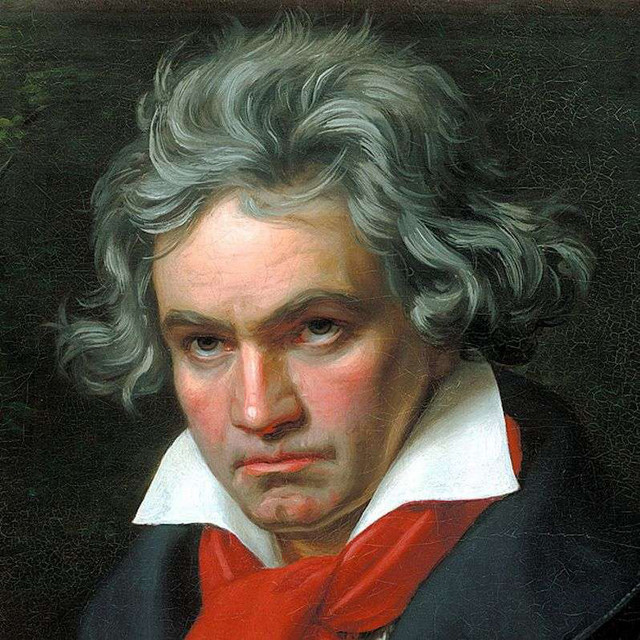
Ludwig van Beethoven
Classical
Classical Period
Romantic Classical
4
/5
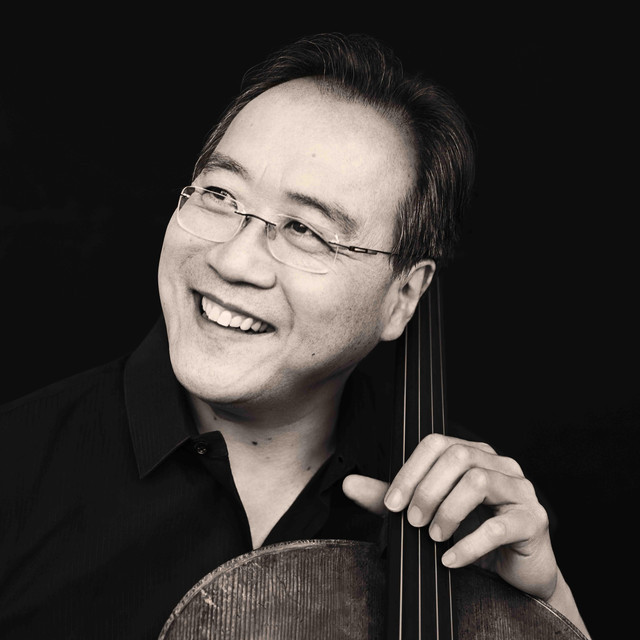
Yo-Yo Ma
Chamber Music
Classical
Classical Performance
4
/5
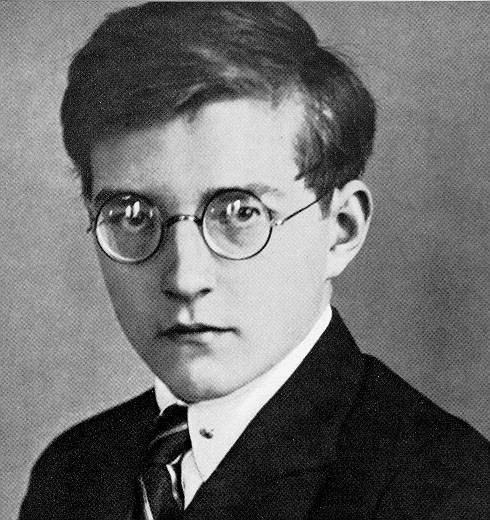
Dmitri Shostakovich
Classical
Chamber Music
Fugue
4
/5
Johann Sebastian Bach
Baroque
Classical
Baroque Suite
4
/5
English Chamber Orchestra
Classical
Baroque
Chamber Music
4
/5
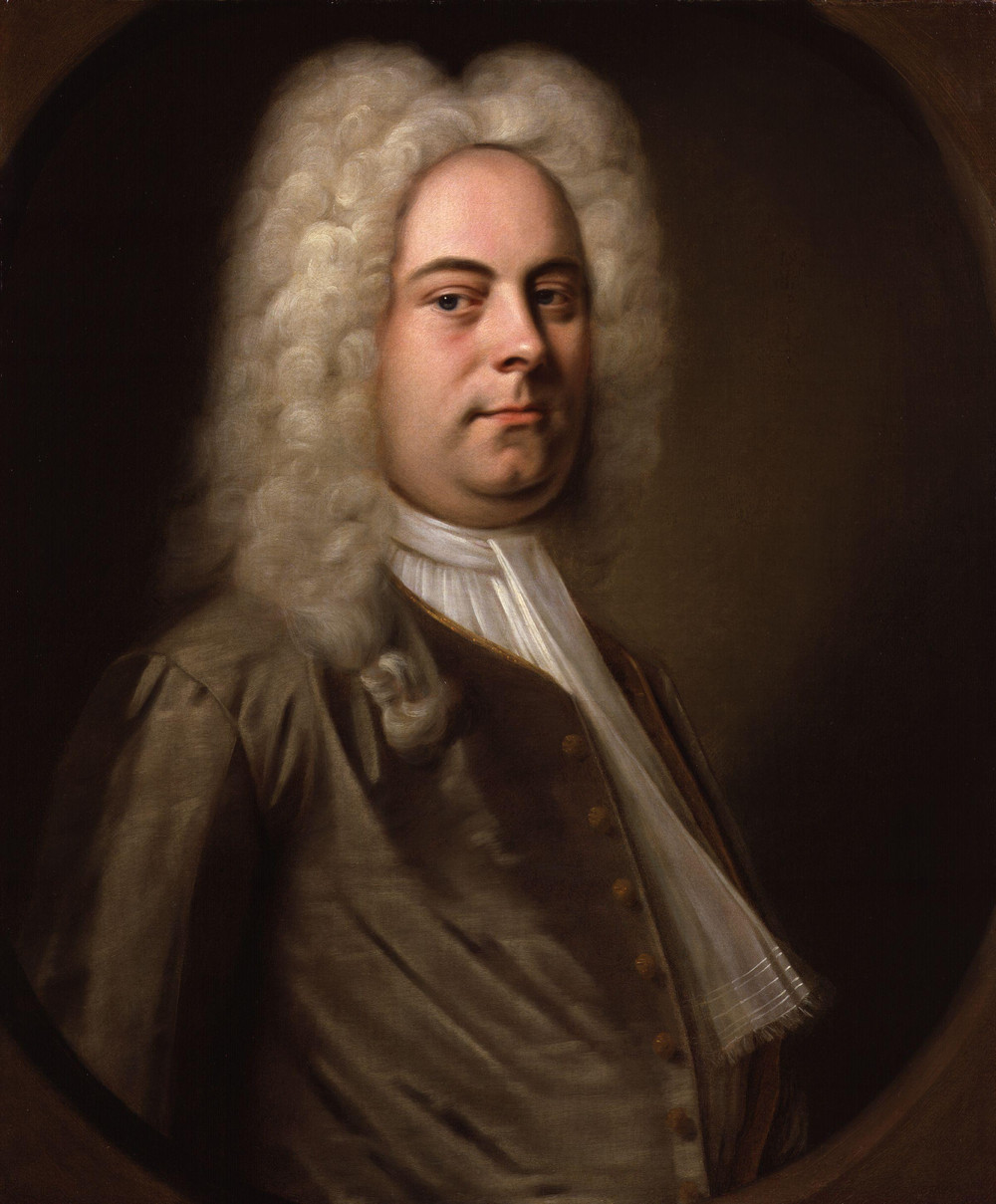
George Frideric Handel
Classical
Opera Seria
Baroque
3
/5
Mstislav Rostropovich
Classical
Chamber Music
Classical Performance
2
/5
Rachel Podger
Classical
Chamber Music
Baroque Suite
4
/5
Wolfgang Amadeus Mozart
Classical
Requiem
Classical Period
2
/5
Lev Markiz
Chamber Music
Classical
Concerto
Download our mobile app
Get the Melodigging app and start digging for new genres on the go
Download on the App Store
Get it on Google Play
© 2026 Melodigging
Give feedback
Legal
Melodding was created as a tribute to
Every Noise at Once
, which inspired us to help curious minds keep digging into music's ever-evolving genres.