Your digging level
Description
Capriccio is a classical music genre and form characterized by a lively, playful, and improvisatory spirit rather than by strict formal constraints.
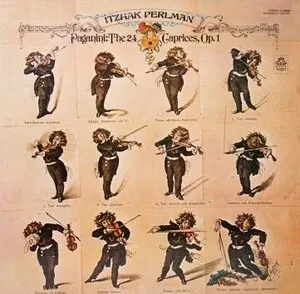
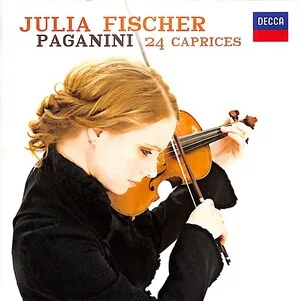
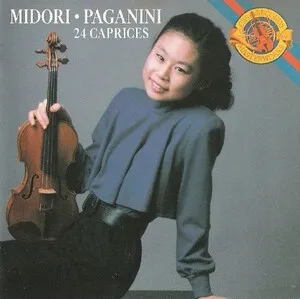
Originating in Italy around the turn of the 17th century, early capricci appeared as keyboard and instrumental works that favored sudden contrasts, whimsical ideas, and virtuosic figuration. Across the Classical and Romantic eras the label was applied to piano pieces, solo instrumental showpieces (notably violin caprices), and orchestral works, all unified by a sense of fanciful freedom and caprice.
History
The term capriccio (“whim” or “caprice”) emerged in late 16th- and early 17th‑century Italy. Early examples were primarily keyboard pieces whose free, improvisatory manner paralleled contemporary toccatas and fantasias. Composers cultivated sudden textural and harmonic shifts, unexpected modulations, and virtuosic figuration, treating the capriccio as a vehicle for imagination and spontaneity.
By the 17th and early 18th centuries, capricci appeared for organ, harpsichord, and strings. The genre’s freedom coexisted with moments of contrapuntal writing (fugato passages) and dance‑like rhythms. The idea of the “caprice” as a technically brilliant, fantasia‑like movement also took hold among violinist‑composers, foreshadowing the later solo violin caprices.
In the later 18th century the capriccio increasingly functioned as a standalone character piece, especially for keyboard. While still flexible in design, Classical capricci often employed clear tonal plans and periodic phrasing, balancing wit and invention with formal clarity.
The Romantic era embraced the capriccio’s expressive latitude. Pianist‑composers wrote capriccios as brilliant concert items or intimate character pieces, while orchestral capriccios (often with national color) flourished—works that maintained a rhapsodic, episodic spirit and showcased coloristic orchestration.
Into the 20th century the label persisted for solo and concertante works, where it continued to signify playfulness, fantasy, and virtuosic flair. Although not a fixed form, the capriccio’s attitude—free, witty, and capricious—remains a recognizable thread across centuries.
Aim for a lively, whimsical, and improvisatory feel. A capriccio prioritizes imagination and surprise over strict form, yet benefits from subtle motivic unity.