Your digging level
Description
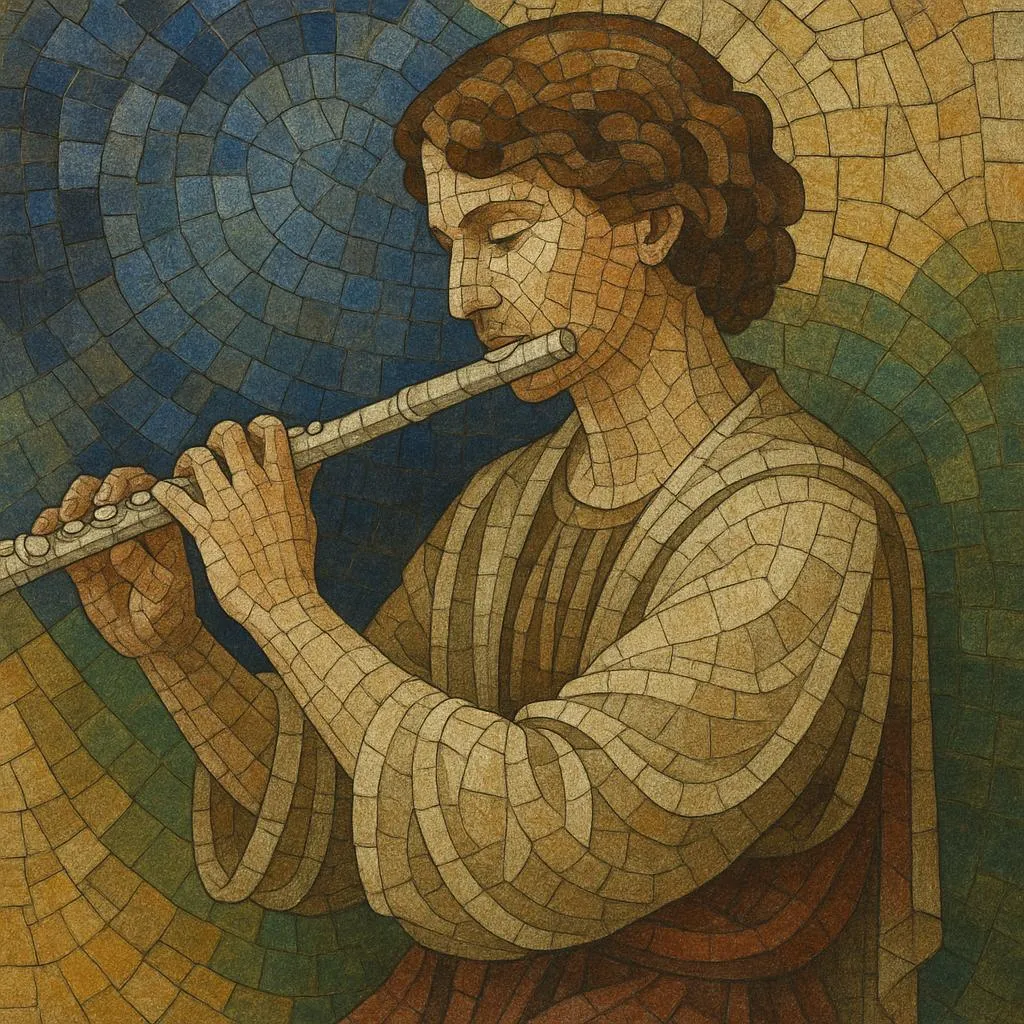
Classical flute refers to the Western art‑music repertoire and performance practice centered on the transverse concert flute, from the Baroque era through the Classical, Romantic, and modern periods.
The genre encompasses solo literature (sonatas, partitas, fantasies), concertos with orchestra, chamber music with strings, piano, or harp, and orchestral parts where the flute often carries lyrical lines or brilliant passagework. Stylistically, it ranges from the ornate ornamentation of the Baroque traverso to the clear, balanced phrasing of the Classical era, the expressive cantabile and coloristic writing of the Romantic period, and the expanded timbral and technical palette of the 20th and 21st centuries.
Technically, the modern Boehm‑system flute (standardized in the 19th century) supports agile articulation, wide dynamic range, and extended techniques, enabling composers to treat the instrument as both a singing voice and a virtuoso vehicle.