Genres
Artists
Albums
Make Music
Sign in
Sign in
Artists
East Coast Hip Hop
Artists
East Coast Hip Hop
MF DOOM
1999–2004
·
8 albums
Listen
4
/5
Genres
Chill Abstract Hip Hop
Chill abstract hip hop is a downtempo, largely instrumental branch of abstract hip hop that prioritizes mood, space, and texture over virtuosic rapping or hard-edged beats. Characterized by swung, half-time grooves around 70–90 BPM, jazzy extended chords, vinyl crackle, tape hiss, and warm, dusty sampling, it blends boom-bap drum sensibilities with ambient and downtempo atmosphere. The result is contemplative, mellow, and cinematic—music often used for studying, reading, or late-night reflection. Production typically features Rhodes, nylon-string guitar, upright bass, brushed snares, and chopped Rhodes/piano or soul-jazz samples, occasionally accented by soft vocal snippets rather than full verses. While it overlaps with lo-fi hip hop and trip hop, it tends to be more harmonically nuanced than pure “study beats” and more minimal and meditative than classic jazz-rap.
Discover
Listen
Digital Horror
Digital horror is a contemporary horror aesthetic that focuses on dread emerging from networked technologies, software, and always‑on media. Narratives and sound worlds revolve around screens, social platforms, livestreams, malware, deepfakes, and the uncanny presence of algorithmic systems. In music and sound design, the style translates this fear of the digital into glitching textures, corrupted audio artifacts, synthetic drones, and the weaponization of familiar interface sounds (alerts, keyboards, notification pings). It often blends dark ambient, industrial noise, and hauntological sampling to suggest threats that live inside code, clouds, and data centers—consistent with the wider definition that emphasizes anxiety and supernatural menace arising from the Internet and modern media.
Discover
Listen
Doomshop Phonk
Doomshop phonk is a darker, grittier branch of phonk rooted in 1990s Memphis underground hip hop aesthetics and horrorcore imagery. It emphasizes slowed, pitched‑down rap vocals, eerie melodic loops, blown‑out 808 subs, and lo‑fi textures (tape hiss, vinyl crackle) to evoke a sinister, nocturnal atmosphere. The style was popularized online in the mid‑2010s through the Doom Shop/Doomshop collective, YouTube mixtapes, and SoundCloud communities. Compared with mainstream or drift phonk, doomshop phonk keeps tempos slower, mixes dirtier, and samples and programming closer to chopped‑and‑screwed and early Memphis traditions.
Discover
Listen
Gamecore
Gamecore is an internet-native electronic microgenre that fuses the timbres, melodies, and narrative tropes of classic and modern video game music with contemporary EDM songcraft. Its palette leans heavily on chiptune waveforms (square, triangle, noise), retro console/arcade sound effects, and leitmotif-style hooks, but frames them within club-forward rhythms and sound design drawn from electro house, future bass, glitch hop, dubstep, and drum & bass. The result is a bright, kinetic, and often nostalgic sound that feels like a “boss battle” drop or a euphoric level clear. Scenes and labels tied to VGM remix culture, doujin circles, and demoscene aesthetics helped codify the style, while streamers, esports content, and indie game culture amplified its reach.
Discover
Listen
Indie Soul
Indie soul is a contemporary, independently minded offshoot of soul that blends the warmth and emotional directness of classic and neo-soul with the intimate production values and DIY ethos of indie scenes. It favors organic grooves, jazz-tinged harmony, and understated, confessional vocals over radio-driven polish, often embracing lo-fi textures, bedroom recording techniques, and subtle electronic touches. The style typically features roomy drums, buttery electric bass, Rhodes or Wurlitzer keyboards, and clean, chorus- or tremolo-kissed guitars, alongside layered harmonies and tasteful sampling. While it borrows the sophistication of jazz and the pocket of funk, indie soul foregrounds personal storytelling, sonic space, and mood—balancing lush chord progressions with hushed, close-mic’d performances.
Discover
Listen
Lo-Fi Jazzhop
Lo‑fi jazzhop is a mellow, beat‑driven style that blends the relaxed swing and harmony of jazz with the loop‑based production of instrumental hip hop. It favors intimate textures—vinyl crackle, tape hiss, saturated drums—and simple, hypnotic chord cycles colored by extended jazz voicings. Typically sitting around 70–90 BPM, tracks emphasize groove and mood over virtuosic solos, using Rhodes or piano, upright or electric bass, brushed or lightly compressed drums, and occasional guitar, horns, or vibraphone. Production choices (soft compression, saturation, gentle filtering, sidechain breathing) create a warm, nostalgic patina designed for studying, working, or late‑night listening. While rooted in 1990s jazz‑inflected hip hop, lo‑fi jazzhop crystallized online during the mid‑to‑late 2010s through 24/7 streams and playlist culture. It has since evolved from sample‑centric loops to an increasingly royalty‑clean, performance‑based approach that preserves the genre’s tranquil, cozy atmosphere.
Discover
Listen
Northern Gothic
Northern gothic is a modern recontextualization of gothic sensibility rooted in the post‑industrial landscapes, politics, and culture of 21st‑century Northern England. It blends post‑punk austerity, industrial and dark ambient textures, hauntological memory work, and stark folk storytelling. The sound often evokes mills, moorland, sea ports, terraces, and cooling towers—spaces marked by deindustrialization—through tape patina, reverberant spaces, modular drones, and vernacular narratives. Compared with classic goth, it is less theatrical and more documentary or folkloric in tone, prioritizing regional specificity, minimalism, and social realism.
Discover
Listen
Phonk
Phonk is a dark, sample-heavy microgenre of hip hop and trap that resurrects the gritty aesthetics of 1990s Memphis rap. It blends chopped-and-screwed vocals, ominous minor-key loops, lo‑fi textures, and overdriven 808s to create a woozy, menacing atmosphere. While early phonk leaned on slowed vocal samples and cassette‑era grit, a later offshoot known as drift phonk foregrounded hard‑clipping 808 bass and bright cowbell patterns at faster tempos, becoming synonymous with car/drift videos and social media virality. Across its variants, phonk is united by retro Southern rap DNA, tape‑worn sonics, and an underground, DIY producer culture.
Discover
Listen
Post-Dubstep
Post-dubstep is a loosely defined wave of UK-born electronic music that grew out of dubstep but moved away from its rigid 140 BPM wobble-bass formula. It keeps the bass-weight, sound-system focus, and rhythmic syncopation of dubstep and UK garage, but folds in house and techno tempos, R&B vocal chops, ambient space, and experimental production. Typical tracks explore 120–135 BPM (not fixed at 140), use broken 2‑step/garage swing instead of 4/4, and favor detailed sound design over maximal drops. You’ll often hear hushed, intimate vocals (sampled or original), neo-soul/jazz-influenced chords, and micro-edited percussion with lots of negative space. The mood is frequently introspective, melancholic, and textural—more headphone-oriented than festival-leaning—yet still rooted in club culture.
Discover
Listen
Spacegrunge
Spacegrunge is a modern hybrid that fuses the serrated, riff‑driven power of 1990s grunge with the expansive ambience of space rock and the hazy textures of shoegaze. It typically features heavy, detuned guitars wrapped in delay, reverb, and chorus; muscular, driving basslines; and roomy, mid‑tempo drums that swing between soft‑loud dynamics and tidal crescendos. Vocals often sit slightly submerged in the mix, conveying themes of cosmic isolation, nostalgia, and interior reflection. While rooted in alt‑rock songcraft, spacegrunge widens the sonic field with drones, synth pads, and atmospheric interludes, creating a sense of lift‑off without abandoning the grit and immediacy of guitar music.
Discover
Listen
Tech-Noir
Tech-noir is a musical subgenre and aesthetic within the synthwave and darksynth scenes, characterized by a dark, cinematic, and dystopian atmosphere. It draws heavy inspiration from 1980s science fiction and neo-noir films, blending retro-futuristic synthesizer melodies with driving basslines and industrial elements. The music often incorporates narrative storytelling, spoken word samples, and soundscapes that evoke a sense of urban decay, high-tech menace, and cynical romance.
Discover
Listen
Drift
Drift is a contemporary micro-style of ambient centered on slowly evolving tonal beds, gentle tape-worn textures, and an emphasis on atmosphere over event. It favors long decays, soft-focus harmonies, and minimal or absent percussion so that sounds seem to hover and "drift" in place. Production typically blends synth pads, processed guitar, and found sounds with heavy use of reverb, delay, and subtle modulation. Compared to classic dark ambient, drift is warmer and more consonant; compared to new age, it is more textural and reductionist. The result is music designed for deep listening, sleep, study, or contemplative environments.
Discover
Listen
The Wave
The Wave is a loosely defined cluster of American post-hardcore/emo bands that surged in the early 2010s as emo-pop’s mainstream moment faded. The name was a tongue‑in‑cheek scene tag that stuck in press coverage, but it points to a real overlap in sound, ethos, and touring networks. Musically, The Wave fuses the urgency of 1990s post‑hardcore and screamo with confessional, literate lyric writing associated with emo. Expect shouted or half‑sung/half‑spoken vocals, dynamic quiet‑loud builds, intricate but driving drums, and guitar textures that shift between glassy clean arpeggios and overdriven, emotive climaxes. The songs often emphasize catharsis, narrative detail, and community-minded DIY presentation.
Discover
Listen
Instrumental Hip Hop
Instrumental hip hop is a producer-driven form of hip hop that foregrounds beats, textures, and sampling rather than rapping. It typically centers on loop-based drum patterns, chopped samples from soul, jazz, funk, and library records, and a head‑nodding groove designed for deep listening as much as for DJs and MCs. The style emphasizes rhythm, timbre, and mood—swinging drums, dusty vinyl crackle, and melodic fragments treated as musical motifs. While rooted in classic boom bap aesthetics, instrumental hip hop ranges from minimal and meditative to densely collaged and psychedelic, reflecting both crate-digging traditions and studio experimentation.
Discover
Listen
Experimental Hip Hop
Experimental hip hop (often called avant-rap or left-field hip hop) pushes rap beyond conventional song forms, sound palettes, and production techniques. It hybridizes boom‑bap and contemporary hip hop rhythms with ideas from industrial, noise, IDM, electroacoustic music, and free jazz, favoring timbral risk‑taking, collage, and abstraction over radio‑oriented polish. Producers and MCs in this style disrupt expectations with unusual meters, asymmetric loops, microtiming, extreme dynamics, and heavy sound design (distortion, granular and spectral processing, tape manipulation). Vocals may range from conventional rapping to spoken word, chant, screams, or heavily processed deliveries. The result foregrounds texture, mood, and concept as much as groove and lyrical content.
Discover
Listen
Abstract Hip Hop
Abstract hip hop is a deliberately experimental, left-field branch of hip hop that emphasizes mood, texture, and unconventional structures over radio-oriented hooks. Beats are often off-kilter, skeletal, or rhythmically unstable, with heavy use of negative space, collage-like sampling, noise, and ambient wash. Production draws from IDM, illbient, trip hop, and dub, favoring granular edits, tape hiss, vinyl crackle, and detuned or atonal timbres. Vocals, when present, lean toward stream‑of‑consciousness poetics, surreal imagery, dense internal rhyme, and non-linear narrative, frequently eschewing traditional verse–chorus formats. The result is a challenging but evocative sound world—introspective, cinematic, and sometimes abrasive—that reshaped the possibilities of underground hip hop in the late 1990s and 2000s.
Discover
Listen
Underground Hip Hop
Underground hip hop is a loosely defined movement within hip hop culture that prioritizes artistic integrity, lyrical depth, and experimental or non-commercial production over mainstream trends. It is often associated with independent labels, DIY distribution, and regional scenes that cultivate distinctive aesthetics and voices. Musically, underground hip hop favors sample-rich, boom-bap or off-kilter drum programming, gritty textures, and unconventional song structures. Lyrically, it emphasizes complex wordplay, social commentary, personal storytelling, and abstract or avant-garde imagery. Culturally, it values community, crate-digging, and innovation, maintaining a skeptical stance toward commercial pressures.
Discover
Listen
Alternative Hip Hop
Alternative hip hop is a broad, eclectic wing of hip hop that prioritizes experimentation, left‑field aesthetics, and nonconformist subject matter over commercial formulas. It blends classic rap techniques with unconventional production, live instrumentation, genre cross‑pollination (jazz, funk, rock, electronic, reggae), and inventive songwriting. As a cultural stance, it often rejects narrow mainstream archetypes—embracing thoughtful lyricism, humor, Afrocentricity, social critique, and artistic playfulness—while keeping core elements of MCing, DJing, and sampling at the center.
Discover
Listen
Jazz Rap
Jazz rap is a hip hop subgenre that fuses the rhythmic delivery and sampling aesthetics of rap with the harmonies, timbres, and improvisational spirit of jazz. Producers typically build beats from jazz records—especially 1950s–1970s hard bop, soul jazz, cool jazz, and jazz-funk—chopping horn stabs, upright bass lines, brushed drums, and electric piano loops into laid‑back, head‑nod grooves. Lyrically, jazz rap often leans toward socially conscious themes, storytelling, and playful wordplay, delivered with a cool, conversational flow. The result is a warm, swing‑inflected sound that sits between boom bap hip hop and jazz tradition: sample‑centric but musical, relaxed yet deeply groove‑driven, and frequently enriched by live instrumentation.
Discover
Listen
Boom Bap
Boom bap is a foundational East Coast hip hop style defined by hard, punchy drums—“boom” for the kick and “bap” for the snare—laid under sample-based loops from jazz, soul, and funk records. It typically runs around 85–96 BPM, favors gritty, minimally processed textures (often associated with SP‑1200 and early Akai MPC samplers), and foregrounds lyrical skill: multisyllabic rhyme schemes, internal rhymes, storytelling, street reportage, and battle bars. DJ techniques such as scratching and cut‑choruses are common, and arrangements emphasize head‑nod grooves, sparse basslines, and tight bar structures that give MCs room to “sit in the pocket.”
Discover
Listen
East Coast Hip Hop
East Coast hip hop is a regional style of hip hop that emerged in New York City and the surrounding Northeastern United States. It is characterized by complex lyricism, dense rhyme schemes, gritty urban storytelling, and sample-heavy production that draws from funk, soul, and jazz records. Rhythmically, the sound is often associated with "boom-bap" drum patterns—hard-hitting kicks and crisp snares at moderate tempos—alongside chopped breakbeats, basslines, and DJ techniques such as scratching. The approach places the MC’s voice, cadence, and wordplay at the center, while the producer crafts a textured, crate-dug backdrop. Culturally, East Coast hip hop foregrounds authenticity, social commentary, and competitive MCing, while its crews and collectives (from Juice Crew to Native Tongues and Wu-Tang Clan) helped define hip hop’s golden age and set standards for lyrical excellence and sample-based beatmaking.
Discover
Listen
Hip Hop
Hip hop is a cultural and musical movement that emerged from Black, Latino, and Caribbean communities, centering around rapping (MCing), DJing/turntablism, sampling-based production, and rhythmic speech over beats. It prioritizes groove, wordplay, and storytelling, often reflecting the social realities of urban life. Musically, hip hop is built on drum-centric rhythms (from breakbeats to 808 patterns), looped samples, and bass-forward mixes. Lyrically, it ranges from party anthems and braggadocio to political commentary and intricate poetic forms, with flow, cadence, and rhyme density as core expressive tools. Beyond music, hip hop encompasses a broader culture, historically intertwined with graffiti, b-boying/b-girling (breakdance), fashion, and street entrepreneurship, making it both an art form and a global social language.
Discover
Listen
Scenes & Movements
“Scenes & movements” is not a single musical style but a meta‑category used by historians, critics, and discographers to group releases and artists that cohere around a place, community, manifesto, press‑coined wave, or shared infrastructure (venues, labels, fanzines, studios, aesthetics). Examples include geographically rooted clusters (Merseybeat in Liverpool, CBGB punk in New York, Madchester in Manchester), ideational collectives (Rock in Opposition across the UK/Europe), press‑named waves (No Wave, C86), and label‑centric families (Elephant 6 in the U.S.). These scenes frequently develop recognizable sonic traits, visual codes, and production practices—yet what binds them first is social ecology and self‑identification rather than a strict set of musical parameters.
Discover
Listen
Instrumental
Instrumental is music created and performed without sung lyrics, placing the expressive weight on melody, rhythm, harmony, and timbre produced by instruments. As an umbrella practice it appears in many cultures, but its modern identity cohered in Baroque-era Europe when purely instrumental forms such as the sonata, concerto, and dance suites began to flourish. Since then, instrumental thinking—developing motives, structuring form without text, and showcasing timbral contrast—has informed everything from orchestral music and solo piano repertoire to post-rock, film scores, and beat-driven electronic styles. Instrumental works can be intimate (solo or chamber) or expansive (full orchestra), narrative (programmatic) or abstract (absolute music). The absence of lyrics invites listeners to project imagery and emotion, making the style a natural fit for cinema, games, and contemplative listening.
Discover
Listen
Show all 24 genres
Albums
2004
4
/5
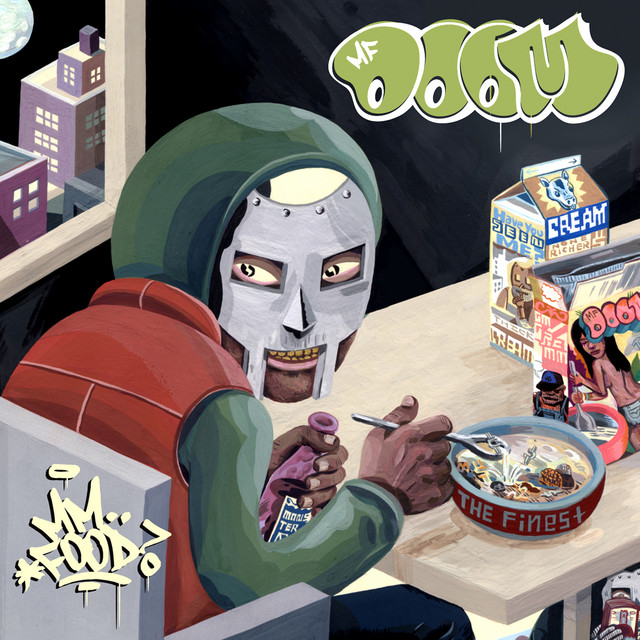
MM..FOOD
MF DOOM
Instrumental Hip Hop
Jazz Rap
Alternative Hip Hop
2004
1
/5
Madvillainy
Madvillain
Abstract Hip Hop
Animutation
Cutout Animation
2004
4
/5
Madvillainy
Madvillain
Hip Hop
Animation
Brickfilm
2004
4
/5
Metal Fingers Presents: Special Herbs Vol. 5 & 6
MF DOOM
Instrumental Hip Hop
2004
1
/5
MM..FOOD
MF DOOM
Abstract Hip Hop
East Coast Hip Hop
Boom Bap
2003
4
/5
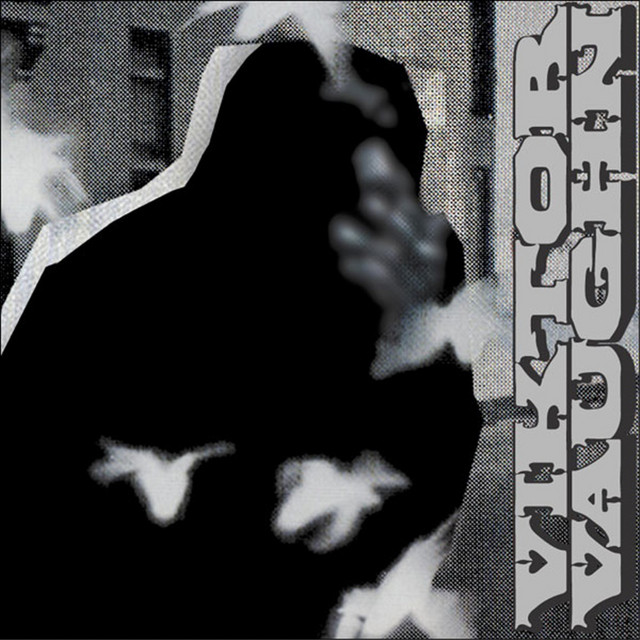
Vaudeville Villain
Viktor Vaughn
Abstract Hip Hop
East Coast Hip Hop
Hip Hop
2002
3
/5
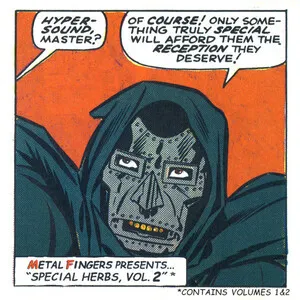
Special Herbs, Vols. 1 & 2
Metal Fingers
Instrumental Hip Hop
Alternative Hip Hop
Hip Hop
1999
1
/5
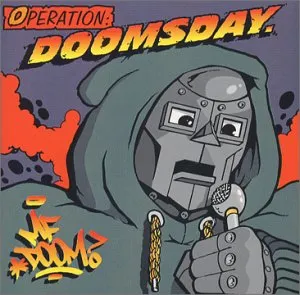
Operation: Doomsday
MF DOOM
Abstract Hip Hop
East Coast Hip Hop
Hip Hop
Similar artists
4
/5
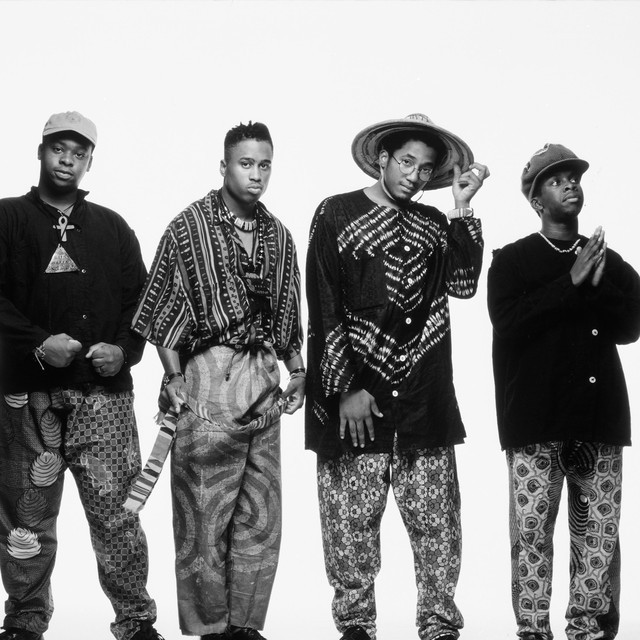
A Tribe Called Quest
Hip Hop
Jazz Rap
East Coast Hip Hop
4
/5
Madlib
Jazz Rap
Abstract Hip Hop
Alternative Hip Hop
4
/5
The Roots
Political Hip Hop
Hip Hop
East Coast Hip Hop
3
/5
billy woods
East Coast Hip Hop
Experimental Hip Hop
Abstract Hip Hop
3
/5
Pete Rock
Boom Bap
Instrumental Hip Hop
Jazz Rap
3
/5
Black Star
East Coast Hip Hop
Hip Hop
Jazz Rap
3
/5
Mach-Hommy
Jazz Rap
Abstract Hip Hop
Alternative Hip Hop
3
/5
Kenny Segal
Experimental Hip Hop
Jazz Rap
Abstract Hip Hop
3
/5
J Dilla
Instrumental Hip Hop
Plunderphonics
Alternative Hip Hop
3
/5
King Geedorah
Alternative Hip Hop
Experimental Hip Hop
Chill Abstract Hip Hop
Download our mobile app
Get the Melodigging app and start digging for new genres on the go
Download on the App Store
Get it on Google Play
© 2026 Melodigging
Give feedback
Legal
Melodding was created as a tribute to
Every Noise at Once
, which inspired us to help curious minds keep digging into music's ever-evolving genres.