Genres
Artists
Albums
Make Music
Sign in
Sign in
Artists
Gothic Americana
Artists
Gothic Americana
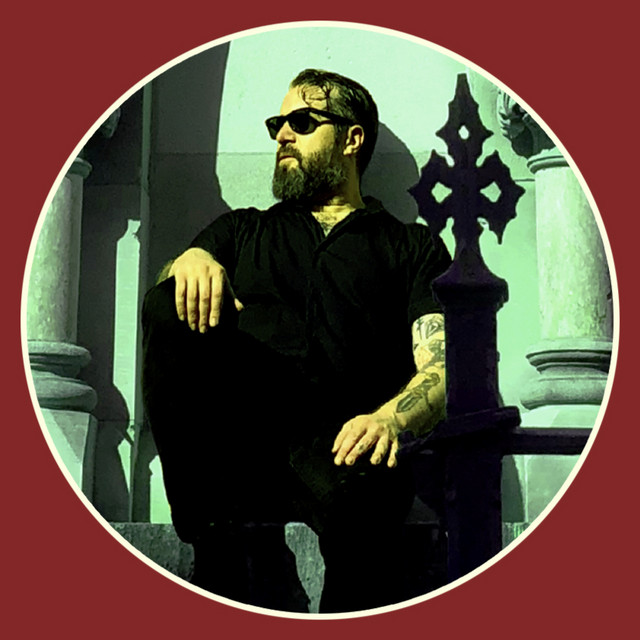
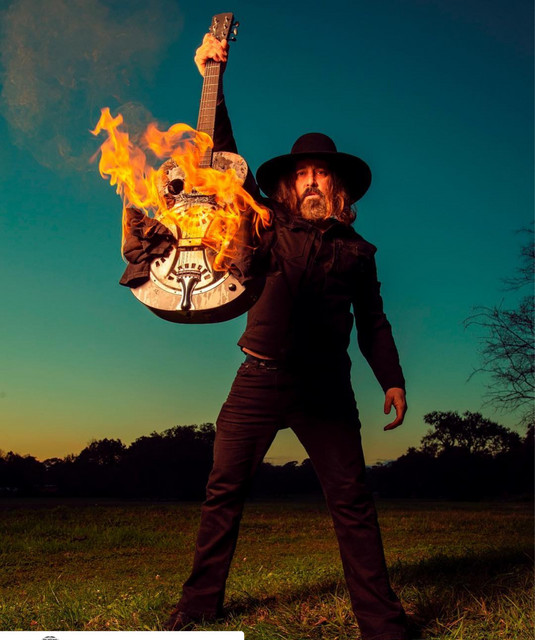
King Dude
2011–2024
·
8 albums
Listen
2
/5
Genres
Gaian Doom
Gaian doom is a doom-metal offshoot that fuses the genre’s glacial tempos and colossal low-end with eco-spiritual themes, nature soundscapes, and droning textures. It often foregrounds the relationship between humanity and the biosphere, evoking forests, mountains, oceans, and cycles of decay and renewal. Musically, it draws from drone and post-metal’s long-form crescendos, sludge’s weight, and dark ambient’s textural depth. Field recordings (wind, water, birds, rain) and acoustic timbres (hand percussion, bowed instruments, harmonium) are layered around downtuned riffs to create a ritual, earth-centric atmosphere. Lyrics tend to be mythopoetic, animist, or ecological, emphasizing Gaia as a living, interdependent system.
Discover
Listen
Grave Wave
Grave wave is a modern, goth-leaning strain of darkwave and synth-driven post-punk that emerged in the early 2010s. It blends the icier textures of 1980s coldwave and minimal wave with pulsing drum machines, brooding basslines, and spectral vocals drenched in reverb. The style favors analog and retro-styled synthesizers, chorus-laden guitars, and tightly programmed rhythms that evoke nocturnal cityscapes, underground clubs, and cinematic horror aesthetics. Lyrically it leans toward themes of alienation, desire, memory, and the uncanny—often delivered in low, detached croons or ethereal whispers. Sonically, grave wave sits between darkwave and synth-pop: more driving and danceable than pure coldwave, but more shadowy and melancholic than mainstream synth-pop. Its atmosphere is moody yet propulsive, making it equally at home on a dim dancefloor or in headphones on a late-night walk.
Discover
Listen
Tech-Noir
Tech-noir is a musical subgenre and aesthetic within the synthwave and darksynth scenes, characterized by a dark, cinematic, and dystopian atmosphere. It draws heavy inspiration from 1980s science fiction and neo-noir films, blending retro-futuristic synthesizer melodies with driving basslines and industrial elements. The music often incorporates narrative storytelling, spoken word samples, and soundscapes that evoke a sense of urban decay, high-tech menace, and cynical romance.
Discover
Listen
Candy Pop
Candy pop is a super-bright, hook-forward branch of contemporary pop that emphasizes sweetness in both sound and theme. It blends bubblegum-style melodies with modern, glossy production, favoring catchy toplines, clean harmonies, and playful textures. Arrangements lean on glittery synths, claps, hand-percussion, and buoyant four-on-the-floor or bouncy half-time beats. Lyrics typically revolve around crushes, friendship, first love, and carefree fun, delivered with enthusiastic, youthful vocals. Compared with classic bubblegum pop, candy pop adopts current pop techniques (EDM builds, post-chorus hooks, subtle trap-lite percussion) and borrows visual and melodic cues from J-pop and K-pop’s “kawaii” aesthetics.
Discover
Listen
Dark Disco
Dark disco is a mid‑tempo, nocturnal strain of club music that fuses the hypnotic pulse of disco with the grit of post‑punk, EBM, coldwave, and industrial. It favors ominous basslines, minor‑key harmonies, reverb‑soaked guitars and vocals, and analog synth textures, resulting in a moody, cinematic atmosphere that is equally suited to sweaty basements and late‑night festival stages. Tempos typically sit between 105–120 BPM, with emphasis on groove, tension, and shadowy drama rather than maximal speed or brightness.
Discover
Listen
Dark Trap
Dark trap is a moody, ominous strain of trap characterized by minor‑key melodies, dystopian pads, bell arpeggios, choirs, and cinematic textures laid over hard‑hitting 808s. Producers lean on distorted or saturated sub‑bass, rapid hi‑hat rolls, and halftime drum feels to create a sense of menace and weight. Harmonically it favors natural/harmonic minor, Phrygian, and Phrygian‑dominant colors, with sparse motifs, dissonant intervals, and tension‑building sound design. Vocals often explore themes of nihilism, isolation, urban decay, crime, and horror/occult imagery. Typical tempos sit around 130–150 BPM (felt in halftime around 65–75 BPM), keeping the groove heavy while leaving space for vocals.
Discover
Listen
Modern Darkwave
Modern darkwave is a contemporary revival and update of 1980s darkwave, post-punk, and goth-influenced synth music. It typically blends moody, minor-key synth textures with rock-band attitude: pulsing electronic basslines, tight drum-machine grooves, and melodic vocals that range from detached and baritone to dramatic and reverbed. Compared with classic darkwave, the “modern” strain often sounds cleaner and heavier at once: larger low end, brighter synth timbres, more club-ready mixing, and occasional cross-pollination with EBM, minimal wave, and dark pop aesthetics.
Discover
Listen
Southern Americana
Southern Americana is a regional strain of Americana rooted in the musical vernacular of the U.S. South. It blends songwriting-first aesthetics with the organic textures of country, folk, and blues, and the swagger of Southern rock. Typical recordings feature warm, lived‑in tones: Telecasters and acoustic guitars alongside pedal steel, Hammond organ, fiddle, mandolin, and harmony vocals. Lyrically it is grounded in place—small towns, highways, kudzu, pine line horizons—and in the South’s complicated histories of faith, work, love, and loss. The groove ranges from back‑porch shuffles and waltzes to swampy, slow‑burn rhythms, keeping the focus on stories and melody rather than studio gloss.
Discover
Listen
Doomgaze
Doomgaze is a hybrid of doom metal’s crushing weight and shoegaze’s hazy, immersive textures. It pairs ultra-slow, down-tuned riffs with walls of reverb- and delay-drenched guitars, creating music that feels both monolithic and ethereal. Vocals are often breathy, distant, or melancholic, sitting low in the mix like another instrument. Tempos tend to be slow to mid-slow, the low end is thick and sustained, and songs usually unfold in long arcs that favor mood and atmosphere over technical flash. The result is a sound that balances heaviness and dreaminess—cathartic, immersive, and emotionally heavy without relying on aggression.
Discover
Listen
Gothic Americana
Gothic Americana (often overlapping with terms like "gothic country" or "dark Americana") blends the instruments and songcraft of traditional American roots music with the brooding mood, religious imagery, and fatalistic storytelling associated with Southern Gothic art. The sound typically features acoustic guitar, banjo, fiddle, upright bass, resonator or slide guitar, and occasional pump organ/harmonium, hand percussion, and foot-stomp rhythms. Vocals tend toward baritone or close-mic’d, intimate deliveries. Harmonically it leans on minor modes, modal mixture, drones, and blues inflections; production is usually sparse, reverb-laden, and warmly analog. Lyrically it deals with sin and salvation, hauntings and murder ballads, drought and dust, backroads and church pews—American myths recast in chiaroscuro.
Discover
Listen
Southern Gothic
Southern gothic (as a music style) blends American roots idioms—country, folk, blues, gospel, and Southern rock—with the macabre, moral ambiguity, and decaying grandeur associated with the Southern Gothic literary tradition. Its sound is typically dark-hued and intimate: minor-key harmonies, modal drones, and slow-to-mid tempos underpin storytelling about sin and salvation, haunted landscapes, family secrets, and folk religion. Arrangements often feature acoustic guitar, banjo, fiddle, upright bass, pump organ or harmonium, lap/pedal steel, sparse percussion, and baritone or hushed vocals drenched in room reverb. Production tends toward earthy and atmospheric—tape-like saturation, creaking room ambience, and subtle field sounds (cicadas, church bells, train rumbles) that evoke the American South’s heat, humidity, and history.
Discover
Listen
Gothic Country
Gothic country (often called country noir or gothic Americana) blends traditional country and folk instrumentation with the brooding atmospheres, moral ambiguity, and literary imagery of Southern Gothic. It favors minor keys, slow to mid-tempos, and vivid storytelling about sin, redemption, murder, faith, and decay. Sonically, it sets banjo, fiddle, acoustic and tremolo-laden electric guitar, upright bass, pump organ/harmonium, and sparse percussion against dusky reverbs and droning pedals. Vocals tend to be intimate or preacherly, carrying ballad traditions into darker, hymn-like territories. The result is an eerie, pastoral sound that feels simultaneously old and haunted, rustic and cinematic.
Discover
Listen
Dark Folk
Dark folk is a somber, acoustic-centered branch of folk that blends minor-key songwriting with post-industrial atmospheres and gothic aesthetics. It often favors intimate, close-mic’d vocals; fingerpicked classical or steel‑string guitars; and sparse, martial or ritual percussion. Arrangements tend to be minimalist yet textural: drones, harmonium or accordion beds, bowed strings (violin, cello), and occasional field recordings or analog hiss deepen the mood. Lyrics explore themes of memory, decay, paganism, esotericism, romanticism, and the natural world, presented in a reflective or incantatory tone. The result is music that feels both archaic and modern—rural in timbre yet post-industrial in spirit.
Discover
Listen
Neofolk
Neofolk is a post-industrial offshoot that blends traditional acoustic folk instrumentation with the austere atmospheres, ritual rhythms, and poetic sensibilities of the industrial and post-punk underground. It often features intimate acoustic guitars, baritone or chant-like vocals, martial or processional percussion, drones, and sparse strings or harmonium. Thematically, neofolk is preoccupied with memory, myth, and modernity—drawing on pagan or pre-Christian motifs, Romantic poetry, war-time remembrance, esoteric philosophy, and nature mysticism. The sound tends to be minimal and deliberate, favoring modal harmony and restrained dynamics that sharpen lyrical focus and mood. While sometimes called “apocalyptic folk,” the label describes the tone rather than a single ideology, as artists span a wide range of personal and political stances.
Discover
Listen
Gothic Rock
Gothic rock is a dark, atmospheric branch of post-punk that emphasizes brooding moods, melodic basslines, baritone or icy vocal deliveries, and guitar textures drenched in chorus, delay, and reverb. Its lyrics often explore themes of romanticism, existential dread, night, mysticism, and decay, drawing on Gothic literature and cinema as much as rock tradition. Sonically, it blends the stark rhythms and minimalism of post-punk with the theatricality of glam and the textural experimentation of art and psychedelic rock. Drum machines or tightly metronomic drumming underpin prominent, melodic bass figures, while guitars shimmer or scrape with chorus/flanger effects. The result is danceable yet somber music that feels both dramatic and introspective.
Discover
Listen
Post-Punk
Post-punk is a broadly experimental strain of rock that emerged in the late 1970s as artists sought to push beyond the speed, simplicity, and orthodoxy of first-wave punk. It typically features angular, bass-forward grooves; jagged or minimal guitar lines; stark, spacious production; and an openness to dub, funk, electronic, and avant-garde ideas. Lyrics often examine alienation, urban decay, politics, and the inner life with artful or abstract delivery. A studio-as-instrument approach, emphasis on rhythm section interplay, and an appetite for non-rock textures (tape effects, drum machines, found sound, synths) distinguish the style. The result can be danceable yet tense, cerebral yet visceral, and emotionally restrained yet intensely expressive.
Discover
Listen
Rock
Rock is a broad family of popular music centered on amplified instruments, a strong backbeat, and song forms that foreground riffs, choruses, and anthemic hooks. Emerging from mid‑20th‑century American styles like rhythm & blues, country, and gospel-inflected rock and roll, rock quickly expanded in scope—absorbing folk, blues, and psychedelic ideas—while shaping global youth culture. Core sonic markers include electric guitar (often overdriven), electric bass, drum kit emphasizing beats 2 and 4, and emotive lead vocals. Rock songs commonly use verse–chorus structures, blues-derived harmony, and memorable melodic motifs, ranging from intimate ballads to high‑energy, stadium‑sized performances.
Discover
Listen
Folk
Folk is a song-centered acoustic tradition rooted in community storytelling, everyday life, and social history. It emphasizes clear melodies, simple harmonies, and lyrics that foreground narrative, protest, and personal testimony. As a modern recorded genre, folk coalesced in the early-to-mid 20th century in the United States out of older ballad, work song, and rural dance traditions. It typically features acoustic instruments (guitar, banjo, fiddle, mandolin, harmonica), strophic song forms, and participatory singing (choruses, call-and-response).
Discover
Listen
Country
Country is a roots-based popular music from the rural American South that blends Anglo-Celtic ballad traditions with African American blues, gospel, and string-band dance music. It is characterized by narrative songwriting, plainspoken vocals with regional twang, and a palette of acoustic and electric instruments such as acoustic guitar, fiddle, banjo, pedal steel, and telecaster guitar. Rhythmically it favors two-step feels, train beats, shuffles, and waltzes, while harmony is largely diatonic (I–IV–V) with occasional country chromaticism and secondary dominants. Across a century, country has evolved through substyles like honky-tonk, the Nashville and Bakersfield sounds, outlaw country, neotraditionalist revivals, pop-country, and country-rap hybrids, but it consistently prioritizes storytelling about everyday life, love, work, faith, place, and identity.
Discover
Listen
Nursery Rhymes
Nursery rhymes are short, memorable songs or chants for young children, typically built around rhyme, repetition, and simple melodies. They often accompany fingerplays, clapping games, counting routines, or circle dances, and are designed to aid language acquisition, memory, coordination, and social play. While many texts are centuries old, the tunes and arrangements vary by region and era; common musical traits include major keys, limited vocal range, steady tempos, and easy call-and-response structures. Today, nursery rhymes live in books, classrooms, playgrounds, recordings, and digital videos, functioning both as cultural heritage and practical tools for early childhood development.
Discover
Listen
Show all 20 genres
Albums
2024
1
/5
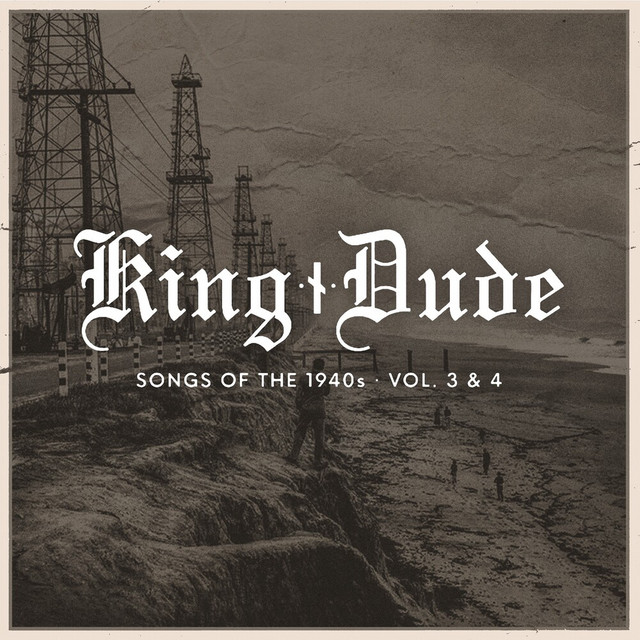
Songs of The 1940s - Vol. 3 & 4
King Dude
Gothic Americana
2023
1
/5
Nursery Rhymes
King Dude
Nursery Rhymes
2022
2
/5
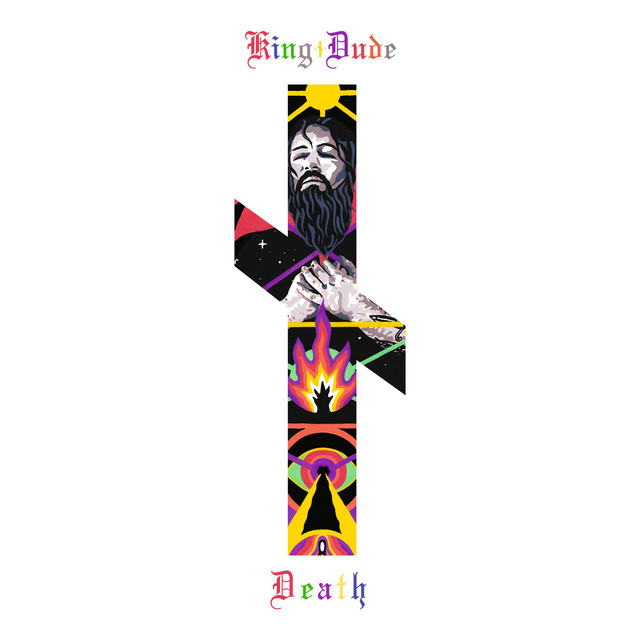
Death
King Dude
Gothic Americana
2020
2
/5
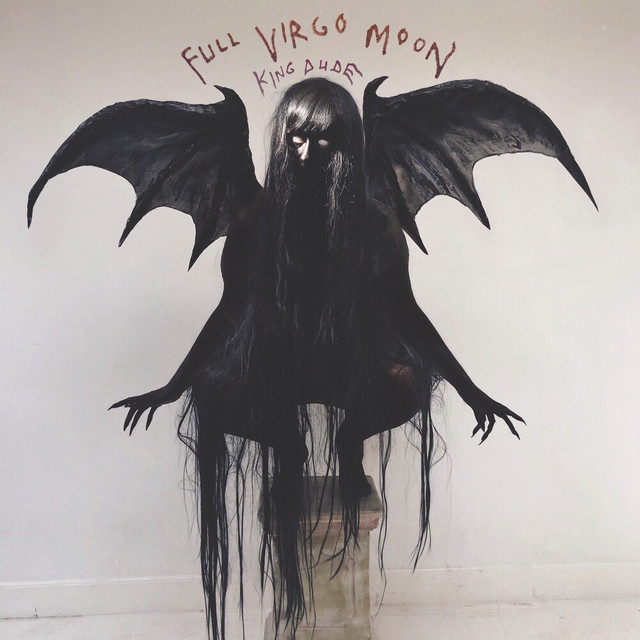
Full Virgo Moon
King Dude
Gothic Americana
2016
2
/5
Sex
King Dude
Gothic Americana
Gothic Rock
Post-Punk
2013
2
/5
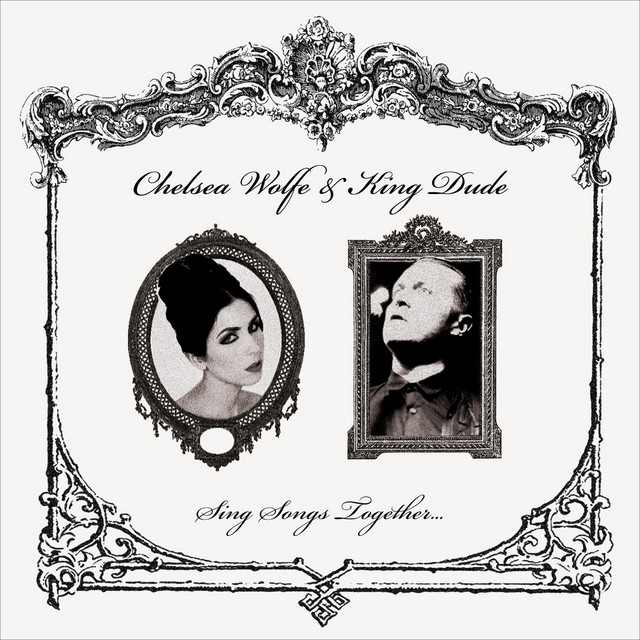
Sing Songs Together...
Chelsea Wolfe
Gaian Doom
Doomgaze
Folk
2013
1
/5
Sing Songs Together
Wovenhand, Tera Melos, Fang Island, Fang Island, Tera Melos, Days Away, bygones…
Gaian Doom
Doomgaze
2011
2
/5
Love
King Dude
Gothic Americana
Similar artists
3
/5
Chelsea Wolfe
Doomgaze
Gaian Doom
Rock
1
/5
Various Artists
Afro-Funk
Alternative Rock
Ambient
3
/5
Have A Nice Life
Blackgaze
Doomgaze
Nu Gaze
2
/5
BIG|BRAVE
Drone Metal
Doom Metal
Doomgaze
2
/5
Nadja
Doomgaze
Drone Metal
Drone Rock
4
/5
Ethel Cain
Countrygaze
Modern Dream Pop
Slowcore
3
/5
King Woman
Doom Metal
Drone Metal
Doomgaze
2
/5
Holy Fawn
Doomgaze
American Post-Rock
Post-Rock
2
/5
A.A. Williams
Ambient Pop
Gaian Doom
Alternative Rock
3
/5
Brother Dege
Gothic Americana
Rock
Blues
Download our mobile app
Get the Melodigging app and start digging for new genres on the go
Download on the App Store
Get it on Google Play
© 2026 Melodigging
Give feedback
Legal
Melodding was created as a tribute to
Every Noise at Once
, which inspired us to help curious minds keep digging into music's ever-evolving genres.