Genres
Artists
Albums
Make Music
Sign in
Sign in
Artists
Drone Metal
Artists
Drone Metal
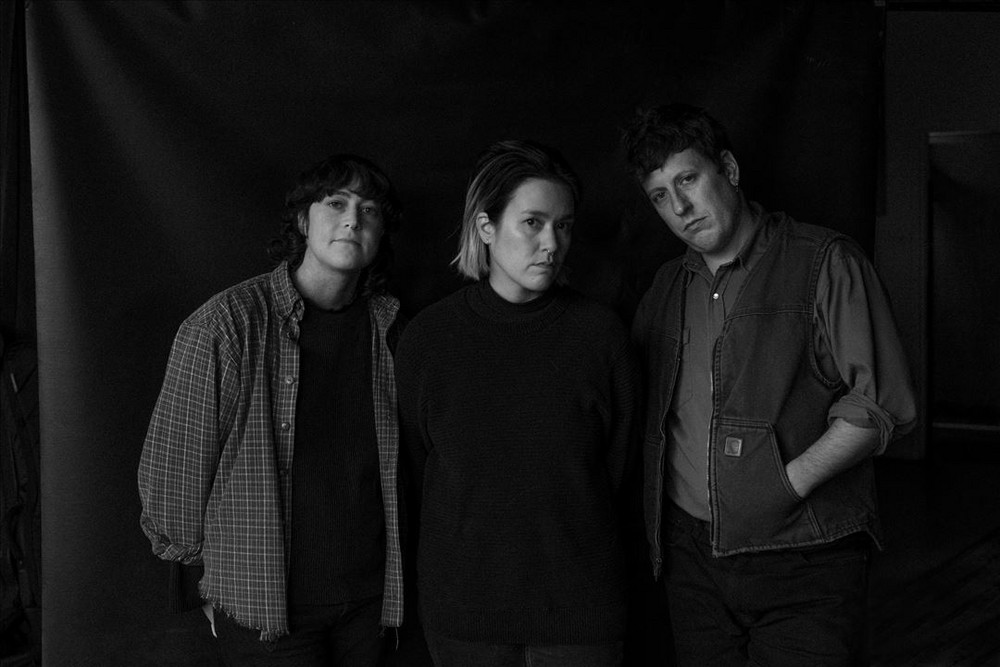
BIG|BRAVE
2019–2024
·
2 albums
Listen
2
/5
Genres
Gaian Doom
Gaian doom is a doom-metal offshoot that fuses the genre’s glacial tempos and colossal low-end with eco-spiritual themes, nature soundscapes, and droning textures. It often foregrounds the relationship between humanity and the biosphere, evoking forests, mountains, oceans, and cycles of decay and renewal. Musically, it draws from drone and post-metal’s long-form crescendos, sludge’s weight, and dark ambient’s textural depth. Field recordings (wind, water, birds, rain) and acoustic timbres (hand percussion, bowed instruments, harmonium) are layered around downtuned riffs to create a ritual, earth-centric atmosphere. Lyrics tend to be mythopoetic, animist, or ecological, emphasizing Gaia as a living, interdependent system.
Discover
Listen
Doomgaze
Doomgaze is a hybrid of doom metal’s crushing weight and shoegaze’s hazy, immersive textures. It pairs ultra-slow, down-tuned riffs with walls of reverb- and delay-drenched guitars, creating music that feels both monolithic and ethereal. Vocals are often breathy, distant, or melancholic, sitting low in the mix like another instrument. Tempos tend to be slow to mid-slow, the low end is thick and sustained, and songs usually unfold in long arcs that favor mood and atmosphere over technical flash. The result is a sound that balances heaviness and dreaminess—cathartic, immersive, and emotionally heavy without relying on aggression.
Discover
Listen
Drone Metal
Drone metal (often called drone doom) is an extreme, minimalist offshoot of doom metal that centers on sustained tones, monumental volume, and glacial tempos. Rather than relying on riffs or conventional grooves, it foregrounds long, vibrating chords, amplifier feedback, and the physical presence of sound itself. Its textures are typically cavernous and monochromatic, with guitars tuned very low, notes held for extended durations, and percussion either sparse or entirely absent. Vocals—if present—range from ritualistic chants to guttural growls or distant murmurs, often treated as another layer of texture rather than a narrative lead. The result is immersive and meditative, yet crushing: a music of weight, space, and resonance that emphasizes timbre and decay over melody and rhythm.
Discover
Listen
Post-Metal
Post-metal is a heavy, atmospheric offshoot of metal that blends the weight and distortion of sludge and doom with the expansive dynamics and textural focus of post-rock. Instead of traditional verse–chorus structures, it emphasizes long-form development, layering, and crescendos, often moving from sparse, ambient passages to overwhelming climaxes. Vocals (if present) are used more as another texture—ranging from harsh screams to distant, chant-like cleans—while guitars prioritize drones, pedal tones, and richly effected timbres over conventional riffs. The result is music that feels cinematic and immersive: slow-to-mid tempos, tectonic low-end, and wide dynamic arcs that convey bleakness, catharsis, and grandeur in equal measure.
Discover
Listen
Post-Rock
Post-rock is a style that uses traditional rock instrumentation—guitars, bass, drums, and often piano or strings—to create expansive textures, evolving soundscapes, and dynamic arcs rather than conventional verse–chorus songs. It emphasizes timbre, atmosphere, and gradual development: clean or lightly overdriven guitars drenched in delay and reverb, cyclical ostinatos, layered crescendos, and pronounced quiet–loud dynamics. Vocals, if present, are often sparse, wordless, or treated as another textural layer. The genre draws heavily from ambient, minimalism, krautrock, progressive and space rock, shoegaze, noise rock, and experimental practices, yielding music that can feel cinematic, contemplative, and emotionally cathartic.
Discover
Listen
Noise Rock
Noise rock is a subgenre of rock that deliberately embraces distortion, feedback, dissonance, and abrasive textures as primary musical materials rather than mere effects. It prioritizes timbre, volume, and sonic density over conventional melody and harmony, often using nonstandard tunings, prepared or detuned guitars, and extended techniques to generate harsh overtones and sheets of sound. Rhythm sections tend to be driving and repetitive, anchoring the chaos with motorik pulses, lurching grooves, or pummeling, minimal patterns. Vocals range from spoken and murmured to shouted and cathartic, with lyrics that skew cryptic, confrontational, or surreal. Aesthetically, noise rock traces a line from punk’s anti-virtuosity and DIY ethos through no wave’s iconoclasm and the avant-garde’s interest in sound-as-sound, yielding music that can be physically intense, psychologically unsettling, and artistically exploratory.
Discover
Listen
Sludge Metal
Sludge metal is a hybrid of doom metal’s slow, downtuned weight and hardcore punk’s raw aggression. It emphasizes thick, overdriven guitar tones, throttling bass, and drums that lurch between trudging slow-motion grooves and ragged mid‑tempo blasts. Vocals are typically screamed, barked, or anguished, often buried slightly in the mix to feel abrasive and cathartic. The style took shape in the late 1980s United States—particularly the Pacific Northwest and the American South—where bands fused Sabbath‑like doom riffs with the DIY harshness of hardcore and the scabrous textures of noise rock. Lyrical themes commonly explore addiction, despair, social decay, and Southern Gothic imagery, delivered with an intentionally gritty, unvarnished production aesthetic.
Discover
Listen
Avant-Garde Metal
Avant-garde metal is a branch of metal that embraces experimentation as a core principle. It extends the genre’s sonic vocabulary through unusual song forms, dissonant harmony, non-standard instrumentation, and an eagerness to fuse styles that traditionally sit outside heavy music. Where conventional metal often relies on riff-driven structures, avant-garde metal frequently employs through-composed forms, asymmetrical rhythms, and abrupt dynamic shifts. Its palette can include strings, woodwinds, brass, electronics, prepared instruments, and extended vocal techniques alongside distorted guitars and aggressive drums. Lyrically and conceptually, the style leans toward the surreal, the philosophical, and the theatrical. The result is a deliberately challenging, exploratory music that values atmosphere, texture, and surprise as much as impact and heaviness.
Discover
Listen
Doom Metal
Doom metal is a heavy metal subgenre defined by slow to mid-tempo grooves, down-tuned, highly distorted guitars, and an atmosphere of dread, melancholy, and weight. It emphasizes ominous, minor-key riffs and sustained tones over speed or virtuosity, creating a crushing sense of space and inevitability. Vocals range from plaintive and theatrical (epic/traditional doom) to anguished wails or harsh growls (death-doom), and lyrics often explore themes of suffering, mortality, the occult, apocalyptic visions, and existential despair. Song structures are typically riff-centric and long-form, with repetition and gradual dynamic shifts producing a hypnotic, ritualistic feel.
Discover
Listen
Noise
Noise is an experimental music genre that uses non-traditional sound sources, distortion, feedback, and extreme dynamics as primary musical materials. Instead of emphasizing melody, harmony, or conventional rhythm, it focuses on texture, density, timbre, and the physical presence of sound. Practitioners sculpt saturated walls of sound, piercing feedback, metallic clatter, contact-mic scrapes, tape hiss, and electronic interference into works that can be confrontational or meditative. Performances often highlight process and immediacy—improvisation, body movement, and site-specific acoustics—while recordings can range from lo-fi cassette overload to meticulously layered studio constructions. Though rooted in early avant-garde ideas, the genre coalesced as a distinct practice in the late 1970s and 1980s, especially through Japan’s ‘Japanoise’ scene, and subsequently influenced numerous styles across industrial, punk-adjacent, and experimental electronic music.
Discover
Listen
Metal
Metal (often used to mean heavy metal in its broad, umbrella sense) is a loud, guitar-driven style of rock defined by high-gain distortion, emphatic and often martial rhythms, and a dense, powerful low end. It foregrounds riff-based songwriting, dramatic dynamics, virtuosic guitar solos, and commanding vocals that range from melodic wails to aggressive snarls and growls. Harmonically, metal favors minor modes, modal color (Aeolian, Phrygian), chromaticism, and tritone-inflected tension, while thematically it explores power, mythology, the occult, social critique, fantasy, and existential subjects. While adjacent to hard rock, metal typically pushes amplification, distortion, precision, and thematic intensity further, forming a foundation for many specialized subgenres.
Discover
Listen
Drone
Drone is a minimalist music genre defined by sustained tones, long durations, and extremely gradual change. Harmony is often static or centered on a single fundamental with subtle overtone shifts, while rhythm tends toward stasis or very slow pulses. Sound sources range from acoustic instruments (e.g., strings, organ, bagpipes, shruti box, tambura) to electronics (sine waves, oscillators, feedback, tape loops, and later digital synthesis and processing). Many composers favor just intonation or other alternative tuning systems to emphasize beating patterns, psychoacoustic effects, and the internal life of sound. Although drone as a sonic principle is ancient and global, the modern experimental genre cohered in the 1960s through the New York minimalists and related avant‑garde circles, then spread into ambient, experimental, and heavy music scenes. The focus is less on melody and more on timbre, resonance, and the phenomenology of listening.
Discover
Listen
Rock
Rock is a broad family of popular music centered on amplified instruments, a strong backbeat, and song forms that foreground riffs, choruses, and anthemic hooks. Emerging from mid‑20th‑century American styles like rhythm & blues, country, and gospel-inflected rock and roll, rock quickly expanded in scope—absorbing folk, blues, and psychedelic ideas—while shaping global youth culture. Core sonic markers include electric guitar (often overdriven), electric bass, drum kit emphasizing beats 2 and 4, and emotive lead vocals. Rock songs commonly use verse–chorus structures, blues-derived harmony, and memorable melodic motifs, ranging from intimate ballads to high‑energy, stadium‑sized performances.
Discover
Listen
Show all 13 genres
Albums
2024
1
/5
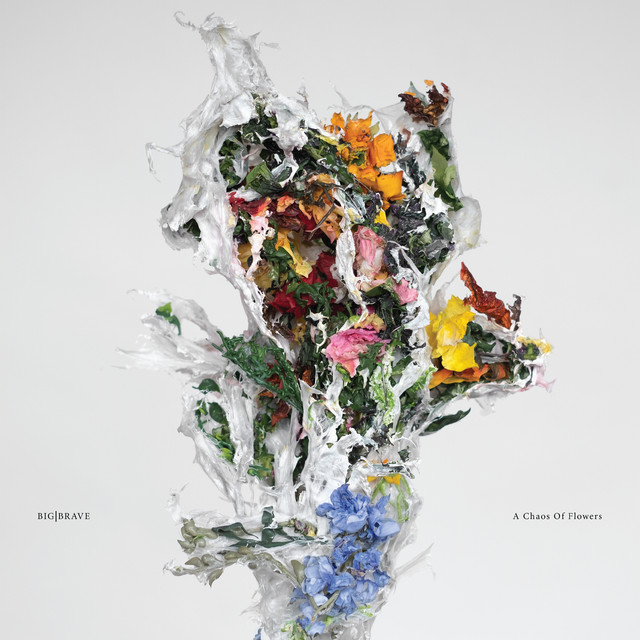
i felt a funeral
BIG|BRAVE
Avant-Garde Metal
Doomgaze
Post-Metal
2019
2
/5
A Gaze Among Them
BIG|BRAVE
Doomgaze
Noise
Post-Metal
Similar artists
2
/5
The Angelic Process
Drone Metal
Doom Metal
Doomgaze
2
/5
Nadja
Doomgaze
Drone Metal
Drone Rock
3
/5
Boris
Gaian Doom
Drone
Drone Metal
2
/5
OM
Drone Rock
Stoner Rock
Doom Metal
2
/5
Jesu
Dub Metal
Doomgaze
Drone Metal
2
/5
sunn O)))
Drone Metal
Avant-Garde Metal
Avant-Garde
2
/5
Earth
Drone
Drone Metal
Post-Rock
3
/5
Cult Of Luna
Atmospheric Sludge Metal
Post-Metal
Sludge Metal
3
/5
Neurosis
Progressive Sludge
Sludge Metal
Atmospheric Sludge Metal
2
/5
ISIS
Sludge Metal
Post-Metal
Post-Rock
Download our mobile app
Get the Melodigging app and start digging for new genres on the go
Download on the App Store
Get it on Google Play
© 2026 Melodigging
Give feedback
Legal
Melodding was created as a tribute to
Every Noise at Once
, which inspired us to help curious minds keep digging into music's ever-evolving genres.