

Your digging level
For this genre
0/8
🏆
Sign in, then listen to this genre to level up
Description
Dub metal is a hybrid that welds the low‑end science and studio manipulation of Jamaican dub to the weight, distortion, and riff‑centric aesthetics of heavy/industrial metal.
Instead of traditional verse–chorus structures, producers often treat the studio or live desk as an instrument: bass and drums sit at the center; guitars and vocals are fragmented, looped, or driven through filters, delays, and spring reverbs. Compared with classic metal, tempos skew slower and more hypnotic, while the sonic palette borrows from post‑industrial ambience and sound‑system culture—sub‑bass pressure, negative space, and sudden dropout “versions.”
History
Origins (early–mid 1990s)
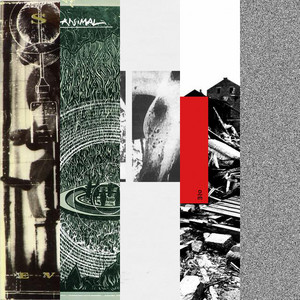
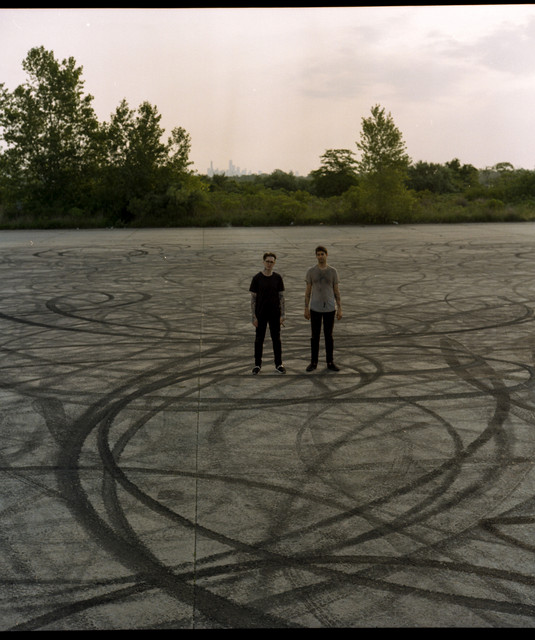
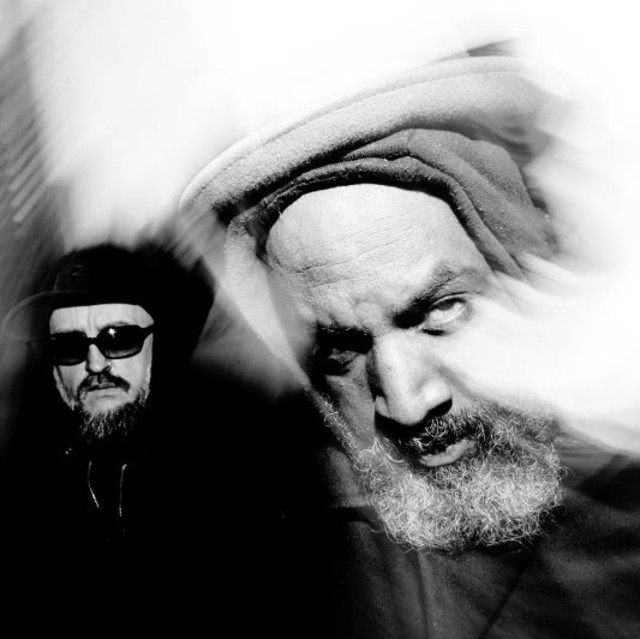
• The style cohered in the UK as musicians from extreme metal and post‑industrial scenes absorbed dub’s bass discipline and mix‑as‑performance ethos. Birmingham’s Scorn—founded by ex‑Napalm Death members—moved from industrial/metal beginnings toward minimalist, bass‑heavy constructions that structurally resembled dub and trip‑hop, helping sketch dub metal’s template. London’s Techno Animal (Justin Broadrick and Kevin Martin) fused post‑industrial ambience with dub production values, foregrounding sub‑bass, breakbeats, and studio deconstruction.
Expansion and cross‑pollination (late 1990s–2000s)
• Projects orbiting Broadrick and Martin—across bands and aliases—pushed the idiom toward illbient, industrial hip‑hop, and noise‑dub, while maintaining a distinctly “metal” sense of mass and dread. This era normalized the live‑dub approach (muting/echoing parts in real time) over down‑tuned riffs and mechanized grooves, and connected sound‑system culture to metal venues.
Persistence and feedback loops (2010s–2020s)
• The style’s DNA—sub‑bass extremity, industrial textures, and dub tactics—fed back into related scenes (industrial hip‑hop, dubstep/grime‑adjacent hybrids, post‑metal). Key figures continued to foreground post‑apocalyptic dub sonics with metal’s aggression and scale, underscoring the genre’s enduring pull on heavy electronic music.
Core rhythm and tempo
• Start with a slow to mid‑tempo, head‑nodding pulse (often half‑time). Program or perform heavy, repetitive drum patterns with a deep, sustained kick and dry, tactile snare; layer ghost notes and off‑beat hi‑hats for a dub sway.
Bass and harmony
• Make sub‑bass the protagonist. Write simple, cyclical lines in low registers (E–A–D common in down‑tuned guitars/basses). Use sine‑like subs or overdriven bass amps; side‑chain subtly to the kick for physical movement.
Guitars and texture
• Track down‑tuned, mechanistic riffs or drones; then treat them as samples. Carve space with high‑pass/low‑pass filtering; bounce stems to tape or lo‑fi samplers for grit. Embrace negative space—let parts drop to expose bass and drums.
Dub desk methods (the “mix as instrument” view)
• Perform mutes, sends, and feedback in real time. Ping‑pong delay, spring/plate reverb, phaser, and filter sweeps should punctuate phrases. Print multiple “versions” with different live‑dub moves.
Sound design and ambience
• Weave post‑industrial atmospheres (room tones, machine hums, granular drones) under the rhythm. Use parallel distortion/saturation buses to keep weight without smearing transients.
Vocals and form
• If present, vocals are sparse, processed (filters, slapback, dub delays), and used texturally. Structure tracks as evolving versions rather than strict verse–chorus cycles—drops, rebuilds, and sudden silences carry the drama.

Top albums


Best playlists

Main artists

Top tracks
Locked
Share your favorite track to unlock other users’ top tracks
Upcoming concerts
in this genre
