Genres
Artists
Albums
Make Music
Sign in
Sign in
Artists
Drone
Artists
Drone
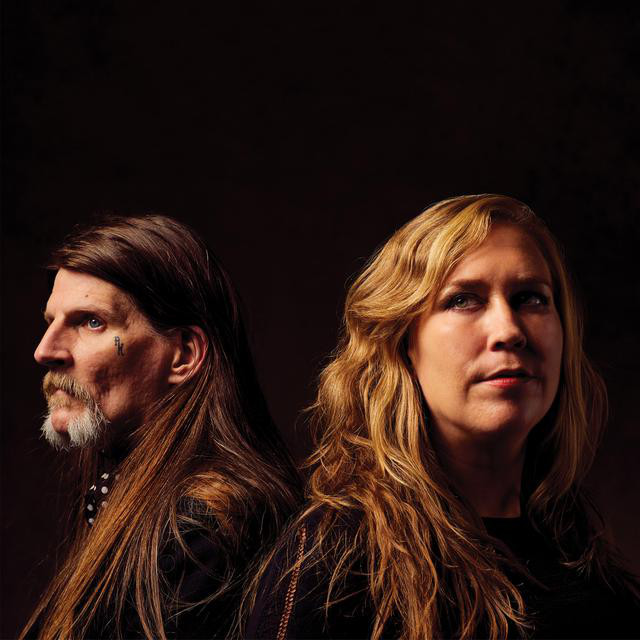
Earth
1993–2011
·
6 albums
Listen
2
/5
Genres
Zoomergaze
Zoomergaze is a Gen Z, internet-native evolution of shoegaze that fuses the genre’s dense, guitar-washed textures with hyperpop/digicore maximalism and modern trap/emo-rap rhythm programming. It favors blown‑out saturation, brickwalled dynamics, digital clipping, and wide stereo fields, often pairing jet‑engine guitars with 808 subs, jittery hi‑hats, breakbeat flourishes, and intimate, lightly Auto‑Tuned vocals. The mood leans dreamy yet emotionally raw—nostalgic, melancholic, and diaristic—delivered through DIY production that thrives on Bandcamp, SoundCloud, and TikTok discovery. Where classic shoegaze hid the singer in the mix, Zoomergaze keeps the voice present and personal, weaving confessional hooks into shimmering noise and glitchy, internet-era sound design.
Discover
Listen
Gaian Doom
Gaian doom is a doom-metal offshoot that fuses the genre’s glacial tempos and colossal low-end with eco-spiritual themes, nature soundscapes, and droning textures. It often foregrounds the relationship between humanity and the biosphere, evoking forests, mountains, oceans, and cycles of decay and renewal. Musically, it draws from drone and post-metal’s long-form crescendos, sludge’s weight, and dark ambient’s textural depth. Field recordings (wind, water, birds, rain) and acoustic timbres (hand percussion, bowed instruments, harmonium) are layered around downtuned riffs to create a ritual, earth-centric atmosphere. Lyrics tend to be mythopoetic, animist, or ecological, emphasizing Gaia as a living, interdependent system.
Discover
Listen
New Isolationism
New isolationism is a contemporary strain of isolationist ambient and post-industrial minimalism that emerged in the 2010s, particularly around Scandinavian experimental labels and studios. It foregrounds intimate, close-mic’d sound, negative space, and a quiet-but-present noise floor; its pieces feel both internal and architectural, like rooms built from reverb tails, tape hiss, and soft electronics. Sonically, the style blends glacial drones, fragile chamber timbres (strings, organ, piano), lo‑fi electronics, and field recordings into stark, slow-evolving tableaux. Melodic information is sparse—often only a few tones or gestures—while rhythm is either absent or reduced to distant pulses, heartbeats, or mechanical cycles. Vocals, when they appear, are murmured, diaristic, or abstracted by pitch and time manipulation. Aesthetically, new isolationism is post‑internet and diaristic: it captures solitude, memory, and dislocation with a palette that feels personal yet estranged, drawing as much from contemporary gallery sound practice as from classic dark ambient.
Discover
Listen
Ambient Americana
Ambient americana is a hybrid style that melds the expansive, texture-first ethos of ambient music with the twang, timbre, and melodic language of American roots traditions. It often foregrounds pedal steel or lap steel guitar, fingerpicked acoustic electric guitars, and wide, reverberant soundscapes. The music typically unfolds slowly, privileging sustained tones, drones, and gently evolving harmonic fields over conventional song forms. Field recordings, cassette hiss, and analog-style warmth are common, evoking deserts, prairies, and open highways as much as concert halls. Rather than focusing on vocals or narrative lyrics, ambient americana uses tone color and atmosphere to suggest place, memory, and frontier imagery, bridging the contemplative calm of ambient with the earthy resonance of country, folk, and western instrumentations.
Discover
Listen
Drone Metal
Drone metal (often called drone doom) is an extreme, minimalist offshoot of doom metal that centers on sustained tones, monumental volume, and glacial tempos. Rather than relying on riffs or conventional grooves, it foregrounds long, vibrating chords, amplifier feedback, and the physical presence of sound itself. Its textures are typically cavernous and monochromatic, with guitars tuned very low, notes held for extended durations, and percussion either sparse or entirely absent. Vocals—if present—range from ritualistic chants to guttural growls or distant murmurs, often treated as another layer of texture rather than a narrative lead. The result is immersive and meditative, yet crushing: a music of weight, space, and resonance that emphasizes timbre and decay over melody and rhythm.
Discover
Listen
Stoner Rock
Stoner rock is a heavy, riff‑centric style that blends the weight and doom of early heavy metal with the groove and expansive jams of late‑60s/70s psychedelic and acid rock. It is marked by fuzz‑drenched, down‑tuned guitars, thick bass tones, and relaxed but powerful mid‑tempo grooves. Songs often emphasize hypnotic, repetitive riffs; extended instrumental passages; and a warm, vintage analog sound. Vocals tend to be laid‑back or gritty rather than operatic, and lyrical themes commonly explore the desert, space, altered states, mythology, and countercultural imagery. The overall vibe is earthy and immersive—equal parts head‑nodding groove, psychedelic haze, and Sabbath‑born heaviness.
Discover
Listen
Post-Metal
Post-metal is a heavy, atmospheric offshoot of metal that blends the weight and distortion of sludge and doom with the expansive dynamics and textural focus of post-rock. Instead of traditional verse–chorus structures, it emphasizes long-form development, layering, and crescendos, often moving from sparse, ambient passages to overwhelming climaxes. Vocals (if present) are used more as another texture—ranging from harsh screams to distant, chant-like cleans—while guitars prioritize drones, pedal tones, and richly effected timbres over conventional riffs. The result is music that feels cinematic and immersive: slow-to-mid tempos, tectonic low-end, and wide dynamic arcs that convey bleakness, catharsis, and grandeur in equal measure.
Discover
Listen
Post-Rock
Post-rock is a style that uses traditional rock instrumentation—guitars, bass, drums, and often piano or strings—to create expansive textures, evolving soundscapes, and dynamic arcs rather than conventional verse–chorus songs. It emphasizes timbre, atmosphere, and gradual development: clean or lightly overdriven guitars drenched in delay and reverb, cyclical ostinatos, layered crescendos, and pronounced quiet–loud dynamics. Vocals, if present, are often sparse, wordless, or treated as another textural layer. The genre draws heavily from ambient, minimalism, krautrock, progressive and space rock, shoegaze, noise rock, and experimental practices, yielding music that can feel cinematic, contemplative, and emotionally cathartic.
Discover
Listen
Stoner Metal
Stoner metal is a heavy, riff-centered offshoot of doom metal that fuses the low-and-slow weight of early Sabbath with the hazy psychedelia and fuzz-drenched tones of 1970s hard rock. It emphasizes down-tuned guitars, thick midrange, and hypnotic, groove-forward drumming, often evoking a desert-heat mirage of sustained riffs and feedback. Compared to stoner rock, stoner metal leans darker and heavier, with a doomier pulse, longer song structures, and an almost trance-like fixation on repetition. Lyrics frequently explore cosmic wanderlust, occult imagery, apocalyptic visions, and cannabis counterculture, while production tends to favor warm, analog saturation and room-heavy drum sounds.
Discover
Listen
Olympia Wa Indie
Olympia WA indie refers to the do‑it‑yourself, lo‑fi‑leaning indie scene that coalesced around Olympia, Washington, centered on labels like K Records and Kill Rock Stars and a strong all‑ages, community‑first ethos. The sound typically favors jangly or fuzzed clean guitars, simple and direct song structures, tape-warm production, and emotionally candid, often idealistic lyrics. While adjacent to punk’s DIY infrastructure, Olympia’s indie approach embraced softness and vulnerability as much as ragged energy, making space for minimalist pop, experimental edges, and politically conscious voices.
Discover
Listen
Sludge Metal
Sludge metal is a hybrid of doom metal’s slow, downtuned weight and hardcore punk’s raw aggression. It emphasizes thick, overdriven guitar tones, throttling bass, and drums that lurch between trudging slow-motion grooves and ragged mid‑tempo blasts. Vocals are typically screamed, barked, or anguished, often buried slightly in the mix to feel abrasive and cathartic. The style took shape in the late 1980s United States—particularly the Pacific Northwest and the American South—where bands fused Sabbath‑like doom riffs with the DIY harshness of hardcore and the scabrous textures of noise rock. Lyrical themes commonly explore addiction, despair, social decay, and Southern Gothic imagery, delivered with an intentionally gritty, unvarnished production aesthetic.
Discover
Listen
Doom Metal
Doom metal is a heavy metal subgenre defined by slow to mid-tempo grooves, down-tuned, highly distorted guitars, and an atmosphere of dread, melancholy, and weight. It emphasizes ominous, minor-key riffs and sustained tones over speed or virtuosity, creating a crushing sense of space and inevitability. Vocals range from plaintive and theatrical (epic/traditional doom) to anguished wails or harsh growls (death-doom), and lyrics often explore themes of suffering, mortality, the occult, apocalyptic visions, and existential despair. Song structures are typically riff-centric and long-form, with repetition and gradual dynamic shifts producing a hypnotic, ritualistic feel.
Discover
Listen
Drone
Drone is a minimalist music genre defined by sustained tones, long durations, and extremely gradual change. Harmony is often static or centered on a single fundamental with subtle overtone shifts, while rhythm tends toward stasis or very slow pulses. Sound sources range from acoustic instruments (e.g., strings, organ, bagpipes, shruti box, tambura) to electronics (sine waves, oscillators, feedback, tape loops, and later digital synthesis and processing). Many composers favor just intonation or other alternative tuning systems to emphasize beating patterns, psychoacoustic effects, and the internal life of sound. Although drone as a sonic principle is ancient and global, the modern experimental genre cohered in the 1960s through the New York minimalists and related avant‑garde circles, then spread into ambient, experimental, and heavy music scenes. The focus is less on melody and more on timbre, resonance, and the phenomenology of listening.
Discover
Listen
Space Rock
Space rock is a psychedelic branch of rock characterized by long-form, hypnotic grooves, swirling guitars awash in delay and reverb, and prominent analog synthesizers that evoke cosmic or interstellar imagery. The music often emphasizes texture and atmosphere over conventional song structures, creating expansive soundscapes that feel weightless and otherworldly. Emerging in late-1960s Britain from the overlap of psychedelic rock, early progressive rock, and experimental electronics, space rock frequently employs motorik-leaning rhythms, modal or drone-based harmony, and science-fiction themes. Extended improvisations, phased and fuzz-drenched timbres, and tape or echo effects are common, encouraging a sense of forward drift and cosmic exploration.
Discover
Listen
Psychedelic Rock
Psychedelic rock is a style of rock music that seeks to evoke, simulate, and expand altered states of consciousness through sound. It typically features timbral experimentation (fuzz, wah, tape delay, phasing), drones, modal or raga-influenced harmony, extended improvisation, studio-as-instrument production, and surreal, mystical, or mind-expanding lyrics. Emerging from mid-1960s counterculture, it fused garage-band energy with folk, blues, and non-Western musical ideas—especially Indian classical ragas—while embracing new studio technologies and concert light shows. Both a live and a studio art, psychedelic rock ranges from jangly, kaleidoscopic pop to heavy, hypnotic jams and cosmic soundscapes.
Discover
Listen
Instrumental
Instrumental is music created and performed without sung lyrics, placing the expressive weight on melody, rhythm, harmony, and timbre produced by instruments. As an umbrella practice it appears in many cultures, but its modern identity cohered in Baroque-era Europe when purely instrumental forms such as the sonata, concerto, and dance suites began to flourish. Since then, instrumental thinking—developing motives, structuring form without text, and showcasing timbral contrast—has informed everything from orchestral music and solo piano repertoire to post-rock, film scores, and beat-driven electronic styles. Instrumental works can be intimate (solo or chamber) or expansive (full orchestra), narrative (programmatic) or abstract (absolute music). The absence of lyrics invites listeners to project imagery and emotion, making the style a natural fit for cinema, games, and contemplative listening.
Discover
Listen
Show all 16 genres
Albums
2011
2
/5
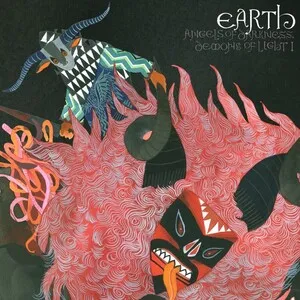
Angels of Darkness, Demons of Light I
Earth
Ambient Americana
2009
2
/5
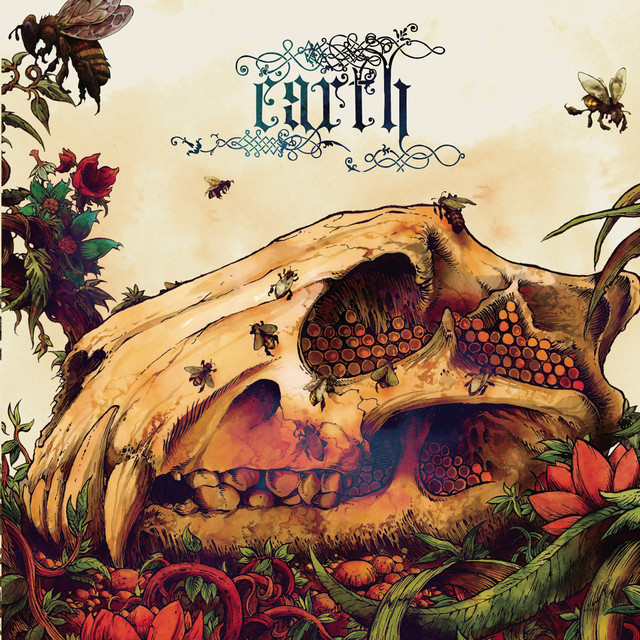
The Bees Made Honey In The Lion's Skull
Earth
Olympia Wa Indie
Gaian Doom
Drone
2007
1
/5
Hibernaculum
Earth
Ambient Americana
2005
2
/5
Hex; or Printing in the Infernal Method
Earth
Ambient Americana
1993
2
/5
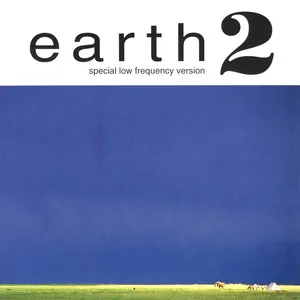
Earth 2
Earth
Olympia Wa Indie
Drone
Drone Metal
1993
1
/5
Earth 2: Special Low Frequency Version
Earth
Drone Metal
Drone
Instrumental
Similar artists
3
/5
Boris
Gaian Doom
Drone
Drone Metal
3
/5
Windhand
Doom Metal
Drone
Drone Metal
3
/5
Electric Wizard
Doom Metal
Stoner Metal
Drone Metal
3
/5
Eyehategod
Sludge Metal
Doom Metal
Nola Sludge
2
/5
sunn O)))
Drone Metal
Avant-Garde Metal
Avant-Garde
2
/5
Daevar
Drone Metal
Doom Metal
Sludge Metal
2
/5
OM
Drone Rock
Stoner Rock
Doom Metal
3
/5
Sleep
Stoner Metal
Doom Metal
Drone Metal
3
/5
Amenra
Doom Metal
Drone Metal
Post-Rock
2
/5
Messa
Drone Metal
Doom Metal
Sludge Metal
Download our mobile app
Get the Melodigging app and start digging for new genres on the go
Download on the App Store
Get it on Google Play
© 2026 Melodigging
Give feedback
Legal
Melodding was created as a tribute to
Every Noise at Once
, which inspired us to help curious minds keep digging into music's ever-evolving genres.