Genres
Artists
Albums
Make Music
Sign in
Sign in
Artists
Latin Soul
Artists
Latin Soul
Joe Bataan
1970–2012
·
12 albums
Listen
3
/5
Genres
Souldies
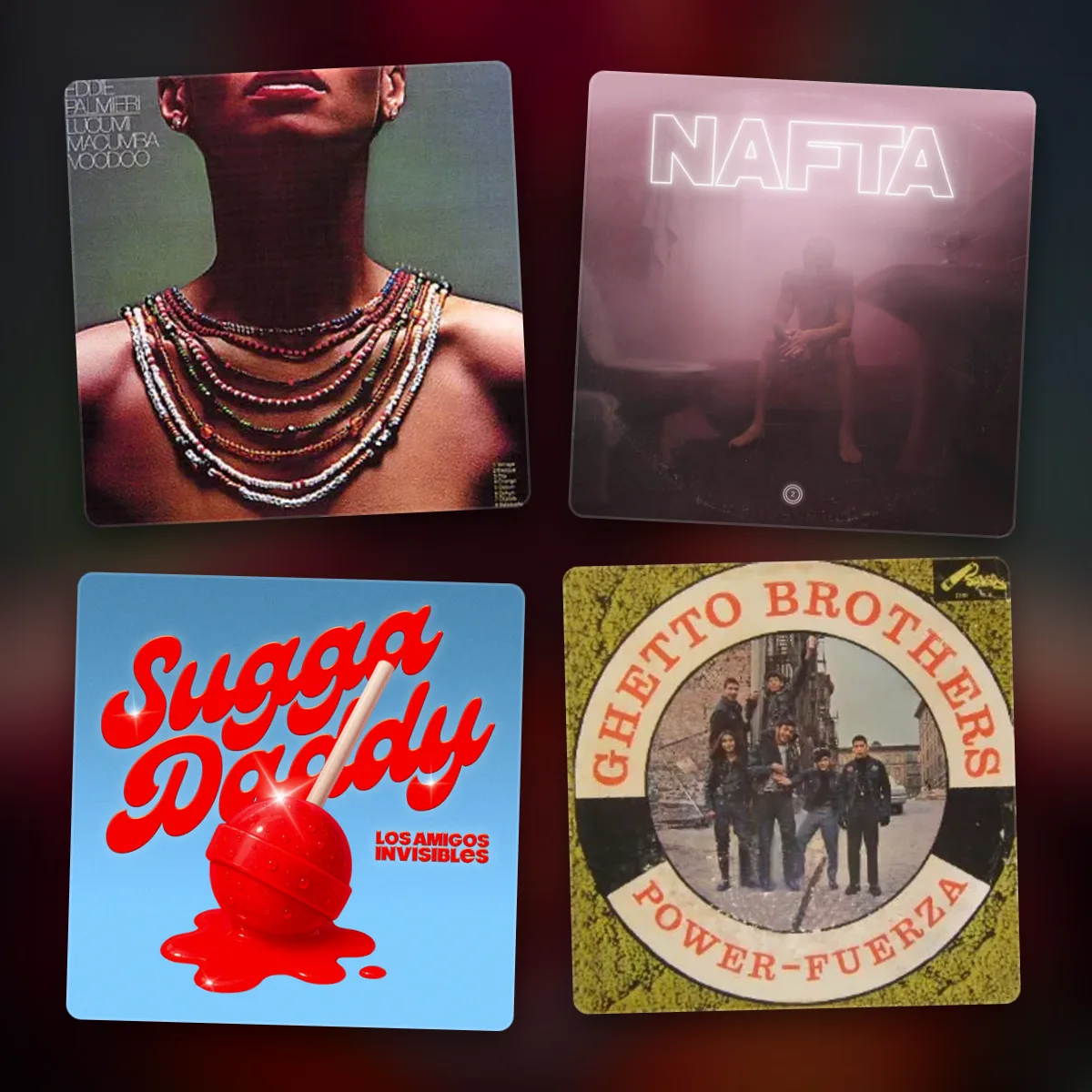
Souldies is a modern revival of classic lowrider “oldies” soul—slow, tender ballads rooted in 1960s and early-’70s sweet soul and doo‑wop aesthetics, reimagined by a new generation of largely Chicano/Latinx artists in Southern California. Characterized by warm, analog-leaning production, mellow backbeats, honeyed vocal harmonies, and heart‑on‑sleeve lyricism, the style favors mid‑slow tempos, tape‑like saturation, spring/plate reverb, and minimalist yet expressive arrangements. English and Spanish (or Spanglish) lyrics often explore love, longing, devotion, and cruising/lowrider culture. Souldies sits at the intersection of classic soul, rhythm & blues, northern soul selections, and Latin soul, offering a contemporary, community‑centered sound that feels both timeless and newly personal.
Discover
Listen
Classify
Classify is a streaming-era microgenre that blends light classical technique with contemporary pop repertoire, typically presented as unobtrusive instrumental covers. It prioritizes soft dynamics, gentle tempos, and intimate recording to create a calm, elegant backdrop suitable for studying, working, or events. Most arrangements are for solo piano, string quartet, cello/piano duos, or small chamber ensembles. Harmonies remain diatonic and consonant, melodies are clearly voiced, and textures favor arpeggios, ostinati, and sustained legato lines. The overall aesthetic borrows from modern classical and new age moods while retaining the familiarity of pop song forms.
Discover
Listen
Deep Disco House
Deep disco house is a club-focused fusion of deep house’s moody harmony and groove with disco’s live‑band feel, string swells, and bass‑guitar swagger. It favors warm, analog textures, filtered samples, and soulful vocals, but keeps the arrangement long and DJ‑friendly. Expect a steady four‑on‑the‑floor kick (typically 116–123 BPM), syncopated hi‑hats and claps, rubbery bass lines, Rhodes or piano chords (often minor 7/9 voicings), and tasteful use of disco strings, guitar chops, and hand percussion. Compared to straight disco house, the sound is deeper, more hypnotic and heads‑down, with extended sections for mixing and subtle dynamic rises rather than big festival drops.
Discover
Listen
Deep Indie Pop
Deep indie pop is a moody, finely textured branch of indie pop that favors introspective songwriting, soft-focus production, and intimate vocal delivery. It sits between bedroom pop and dream pop, borrowing lo‑fi warmth and hazy ambience while maintaining the hook sensibility of pop. Compared with mainstream indie pop, the "deep" variant leans toward slower to mid‑tempo grooves, lush synth pads, chorus‑soaked guitars, and subdued drum programming. Lyrics often explore memory, late‑night reflection, and bittersweet romance, presented with close‑miked, breathy vocals and understated arrangements.
Discover
Listen
Mega Funk
Mega funk is a recent branch of Brazilian funk that pushes the sound toward heavier, darker, and more minimal club drops. Tracks are typically built around a slow-to-mid tempo groove (roughly 100–120 BPM), with huge, overdriven 808 sub-bass slides, clipped kicks, and sparse, percussive hits. The style favors short vocal chops, catchphrases, and meme-ready hooks over full verses, often processed with pitch/formant shifting and aggressive compression to cut through massive systems. Arrangements borrow EDM-style build–drop dynamics, but keep the raw drum DNA of funk carioca and the car-audio emphasis of funk automotivo. The result is a dancefloor-oriented, high-impact sound engineered to shake speakers as much as bodies.
Discover
Listen
Salsa
Salsa is a pan–Latin dance music forged primarily in New York City by Puerto Rican, Cuban, and other Caribbean diasporas. It synthesizes Afro‑Cuban rhythmic blueprints, Puerto Rican bomba and plena, jazz harmony, big‑band horn writing, and Nuyorican street culture into a tightly arranged yet improvisation‑friendly style. The music lives on the clave (either 2‑3 or 3‑2), with layered percussion (congas, bongó, timbales, cowbell, güiro, maracas), a tumbao bass that anticipates the beat, and piano montuno guajeos that interlock with the rhythm section. Call‑and‑response vocals (coro/pregón), punchy horn mambos and moñas, and instrumental solos energize the montuno section. Tempos range from medium to fast in 4/4, optimized for social dancing (commonly “on1” or “on2”). Across decades, salsa has branched into harder, percussion‑forward “salsa dura,” smoother “salsa romántica,” and regional scenes in Puerto Rico, Venezuela, and Colombia, while continuing to influence—and be influenced by—neighboring tropical and jazz idioms.
Discover
Listen
Latin Disco
Latin disco is a dance-oriented fusion that layers the four-on-the-floor pulse, strings, and extended arrangements of 1970s disco with Afro-Caribbean and Latin American rhythmic vocabularies. It emphasizes congas, timbales, cowbell, and hand percussion playing tumbao and clave-derived patterns, alongside horn mambos, call-and-response coros, and montuno vamps. Born largely in New York and Miami’s Nuyorican, Cuban, and broader Latin diasporas, the sound bridged salsa/boogaloo and soul/funk to the discotheque, often presented in DJ-friendly 12-inch mixes with long instrumental breaks. Songs frequently blend English and Spanish (or Spanglish), pairing romantic or celebratory themes with joyous, highly danceable grooves.
Discover
Listen
Disco
Disco is a dance-music genre and nightlife subculture that crystallized in the United States during the 1970s, drawing especially from African-American, Italian-American, Latino, and queer club communities. Musically, disco is typified by a steady four-on-the-floor kick drum, syncopated and melodic electric-bass lines, lush string sections, bright brass and horns, electric pianos and synthesizers, and percussive, choppy rhythm guitars. Arrangements often feature orchestral colors, handclaps, congas, and vibraphone or bell textures, all engineered to deliver a continuous, groove-forward experience for the dance floor. The style combines the rich orchestration and romantic sweep of Philadelphia soul with the bottom-end drive of funk and the songcraft of contemporary R&B/pop, delivered in DJ-friendly extended mixes and 12-inch singles designed for club play.
Discover
Listen
Latin Soul
Latin soul is a hybrid of African‑American soul/R&B and Afro‑Caribbean dance music that emerged among Nuyorican and other Latino communities in the United States during the mid‑1960s. It blends English and Spanish vocals, gospel‑tinged harmonies, and backbeat‑driven grooves with Latin percussion, montuno piano figures, and son‑clave patterns. The result is upbeat, dance‑floor‑ready songs with catchy horn riffs, call‑and‑response choruses, and ear‑worm hooks that sit comfortably between soul radio and a Latin social club.
Discover
Listen
Boogaloo
Boogaloo (also called bugalú or Latin boogaloo) is a mid‑1960s New York dance music that fuses Afro‑Cuban and Puerto Rican rhythms with African‑American R&B and soul. It features son/cha‑cha‑chá percussion under a strong backbeat, bluesy horn riffs, call‑and‑response coros, and catchy, often bilingual (English/Spanish) hooks. Compared with earlier mambo and pachanga, boogaloo is leaner, more groove‑driven, and aimed squarely at youth dance floors—think handclaps, cowbell, piano montunos, and punchy brass vamps supporting simple, memorable choruses.
Discover
Listen
Latin Funk
Latin funk is a hybrid style that fuses the hard-driving grooves of American funk and soul with Afro‑Latin and Caribbean rhythms such as boogaloo, salsa, and son cubano. It typically features syncopated bass lines, backbeat‑heavy drums, and a layered Latin percussion section of congas, timbales, bongos, cowbell, and güiro. Horns play a central role, supplying tight stabs, call‑and‑response riffs, and montuno‑like figures alongside guitar guajeos, wah‑wah textures, and clavinet or electric piano vamps. Vocals may be in Spanish, English, or Spanglish, often reflecting urban Latino life and dance‑floor culture. The result is a festive, danceable sound that is both gritty and polished, rooted in barrio street funk yet rich in Latin rhythmic sophistication.
Discover
Listen
Descarga
Descarga is the Cuban tradition of extended, largely improvised jam sessions built on Afro‑Cuban dance grooves and montuno vamps. Emerging in 1950s Havana and later flourishing in New York, it brought the spontaneity of jazz to Cuban popular forms such as son, mambo, and chachachá. Typically recorded by all‑star studio ensembles, descargas feature rotating solos over repeating guajeos (ostinatos), anchored by the clave and a driving percussion section. They are celebratory, high‑energy gatherings where arrangers set up simple harmonic frameworks and horn "moñas" (riffs), then let the players stretch out.
Discover
Listen
Latin
Latin (as a genre label) is a broad umbrella used by the recording industry to categorize popular music rooted in Latin America, the Caribbean, and the Iberian world, often characterized by syncopated Afro-diasporic rhythms, dance-forward grooves, and lyrics primarily in Spanish or Portuguese. As a marketplace category that took shape in the mid-20th century United States, it gathers diverse traditions—Afro-Cuban, Brazilian, Mexican, and Caribbean styles—into a shared space. In practice, "Latin" spans everything from big-band mambo and bolero ballads to contemporary pop, rock, hip hop, and dance fusions produced by artists of Latin American heritage.
Discover
Listen
Latin Jazz
Latin jazz is a fusion of jazz harmony and improvisation with Afro–Latin American rhythms, song forms, and percussion. It combines the swing, bebop, and big-band traditions with clave-based grooves such as son, rumba, danzón, and mambo, and later integrates Brazilian feels like samba and bossa nova. Typical features include the use of the clave (2–3 or 3–2), piano montunos (guajeos), bass tumbao patterns, timbales cáscara, conga marcha, and call-and-response horn "mambo" figures. While the rhythm section locks into cyclical patterns, soloists improvise using the vocabulary of jazz, creating music that is both danceable and harmonically rich.
Discover
Listen
Bolero
Bolero is both a Spanish dance-music form from the late 18th century and, later, a Cuban song style from the late 19th century. The Spanish bolero emerged as a moderately slow solo or partner dance in 3/4 time, shaped by Andalusian song-dance traditions. It typically features guitar accompaniment and castanets, and its sung texts often follow the seguidilla stanza pattern. In Cuba, bolero evolved into a romantic ballad—most often in 2/4 (later also felt in 4/4)—performed by singers, trios, and salon ensembles. Cuban bolero emphasizes intimate, lyrical melodies, guitar-led accompaniment (often with requinto), and gentle Afro-Caribbean rhythmic undercurrents (habanera feel, soft bongo, claves), becoming one of Latin America’s quintessential love-song forms.
Discover
Listen
Show all 15 genres
Albums
2012
2
/5
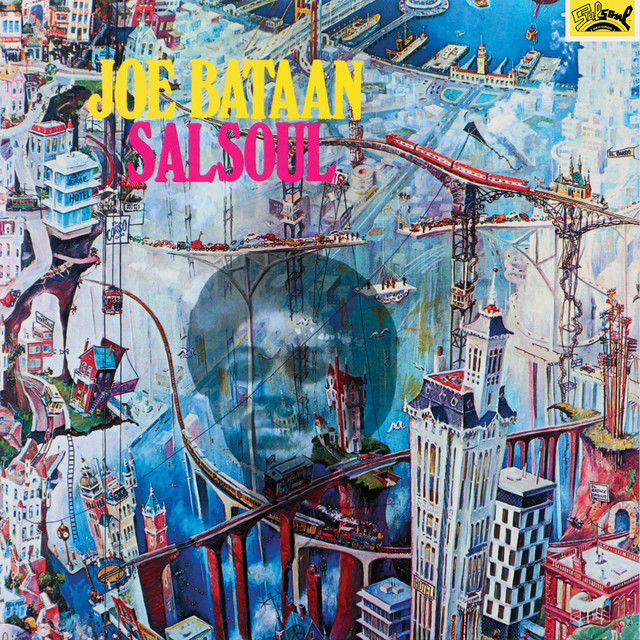
SalSoul (2013 - Remaster)
Joe Bataan
Boogaloo
2007
1
/5
Subway Joe
Joe Bataan
Boogaloo
Latin Soul
Bolero
2005
2
/5
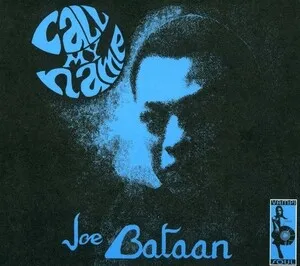
Call My Name
Joe Bataan
Latin Soul
Latin Funk
1980
1
/5
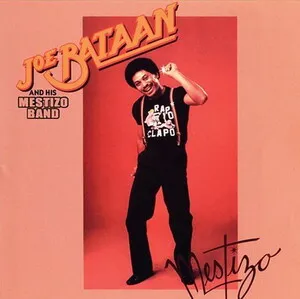
Mestizo
Joe Bataan
Latin Disco
Disco
1975
1
/5
Afro-Filipino
Joe Bataan
Latin Soul
1973
1
/5
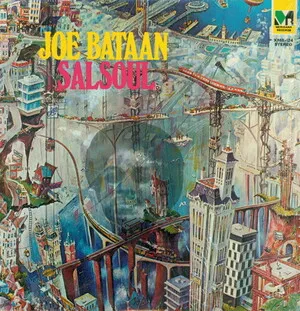
Salsoul
Joe Bataan
Latin Soul
1972
2
/5
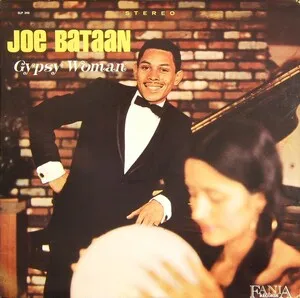
Gypsy Woman
Joe Bataan
Latin Soul
Boogaloo
1971
3
/5
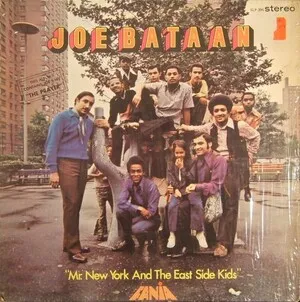
Mr. New York and the East Side Kids
Joe Bataan
Latin Soul
1971
3
/5
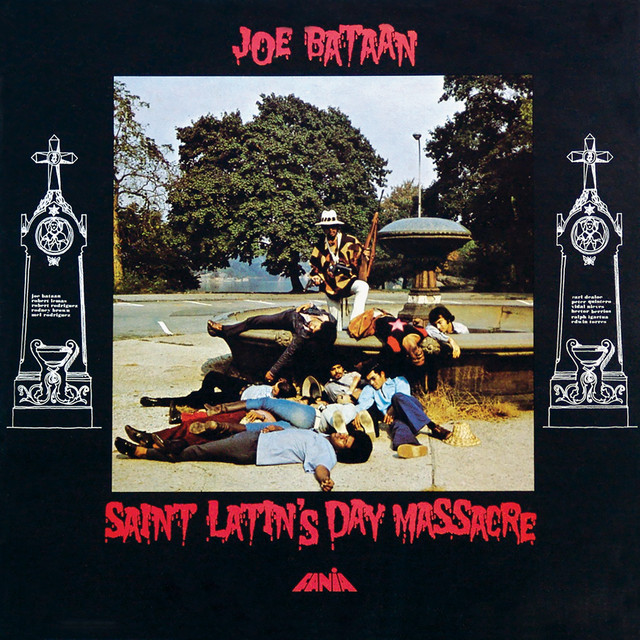
Saint Latin's Day Massacre
Joe Bataan
Latin Soul
Salsa
Boogaloo
1970
1
/5
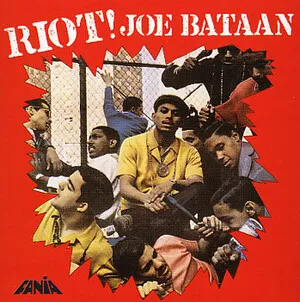
Riot!
Joe Bataan
Boogaloo
Latin Soul
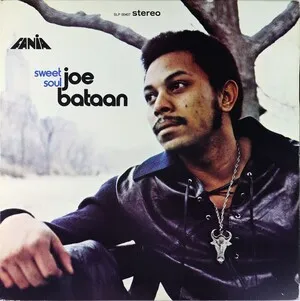
Sweet Soul
Joe Bataan
Latin Soul
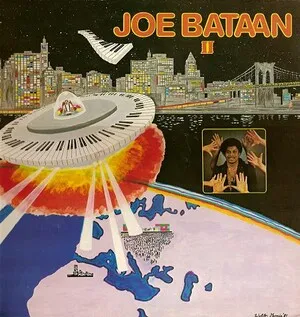
Joe Bataan II
Joe Bataan
Latin Disco
Similar artists
3
/5
Ray Barretto
Salsa
Latin Jazz
Son Cubano
3
/5
Bobby Valentin
Boogaloo
Latin Jazz
Salsa
3
/5
Mongo Santamaria
Rumba Cubana
Boogaloo
Mambo
3
/5
Joe Cuba Sextet
Boogaloo
Bolero
Chachachá
2
/5
La Lupe
Bolero
Mambo
Latin Soul
4
/5
Willie Colón
Salsa
Salsa Dura
Son Cubano
1
/5
Various Artists
Afro-Funk
Alternative Rock
Ambient
4
/5
Quantic
Electronic
Nu-Cumbia
Downtempo
3
/5
Pete Rodriguez
Latin Jazz
Salsa
Chachachá
3
/5
Louie Ramirez
Chachachá
Latin Disco
Latin Jazz
Download our mobile app
Get the Melodigging app and start digging for new genres on the go
Download on the App Store
Get it on Google Play
© 2026 Melodigging
Give feedback
Legal
Melodding was created as a tribute to
Every Noise at Once
, which inspired us to help curious minds keep digging into music's ever-evolving genres.