Genres
Artists
Albums
Make Music
Sign in
Sign in
Artists
Rumba Cubana
Artists
Rumba Cubana
Mongo Santamaria
1957–2022
·
26 albums
Listen
3
/5
Genres
Souldies
Souldies is a modern revival of classic lowrider “oldies” soul—slow, tender ballads rooted in 1960s and early-’70s sweet soul and doo‑wop aesthetics, reimagined by a new generation of largely Chicano/Latinx artists in Southern California. Characterized by warm, analog-leaning production, mellow backbeats, honeyed vocal harmonies, and heart‑on‑sleeve lyricism, the style favors mid‑slow tempos, tape‑like saturation, spring/plate reverb, and minimalist yet expressive arrangements. English and Spanish (or Spanglish) lyrics often explore love, longing, devotion, and cruising/lowrider culture. Souldies sits at the intersection of classic soul, rhythm & blues, northern soul selections, and Latin soul, offering a contemporary, community‑centered sound that feels both timeless and newly personal.
Discover
Listen
Salsa
Salsa is a pan–Latin dance music forged primarily in New York City by Puerto Rican, Cuban, and other Caribbean diasporas. It synthesizes Afro‑Cuban rhythmic blueprints, Puerto Rican bomba and plena, jazz harmony, big‑band horn writing, and Nuyorican street culture into a tightly arranged yet improvisation‑friendly style. The music lives on the clave (either 2‑3 or 3‑2), with layered percussion (congas, bongó, timbales, cowbell, güiro, maracas), a tumbao bass that anticipates the beat, and piano montuno guajeos that interlock with the rhythm section. Call‑and‑response vocals (coro/pregón), punchy horn mambos and moñas, and instrumental solos energize the montuno section. Tempos range from medium to fast in 4/4, optimized for social dancing (commonly “on1” or “on2”). Across decades, salsa has branched into harder, percussion‑forward “salsa dura,” smoother “salsa romántica,” and regional scenes in Puerto Rico, Venezuela, and Colombia, while continuing to influence—and be influenced by—neighboring tropical and jazz idioms.
Discover
Listen
Boogaloo
Boogaloo (also called bugalú or Latin boogaloo) is a mid‑1960s New York dance music that fuses Afro‑Cuban and Puerto Rican rhythms with African‑American R&B and soul. It features son/cha‑cha‑chá percussion under a strong backbeat, bluesy horn riffs, call‑and‑response coros, and catchy, often bilingual (English/Spanish) hooks. Compared with earlier mambo and pachanga, boogaloo is leaner, more groove‑driven, and aimed squarely at youth dance floors—think handclaps, cowbell, piano montunos, and punchy brass vamps supporting simple, memorable choruses.
Discover
Listen
Chachachá
Chachachá is a Cuban dance‑music genre that emerged in early‑1950s Havana as a dancer‑friendly offshoot of danzón‑mambo. It is typically performed by charanga ensembles—flute and violins over piano, bass, güiro, and timbales—producing a light, elegant sonority distinct from the brass‑heavy mambo big bands. The groove is mid‑tempo with a clear, even pulse that supports the signature “cha‑cha‑chá” triple step heard in the dancers’ feet. Melodies are tuneful and diatonic, harmonies favor simple I–IV–V movements with occasional II–V turnarounds, and arrangements move from a lyrical cuerpo to a montuno section featuring coro‑pregón call‑and‑response, piano tumbao, and tasteful flute improvisations. The name “chachachá” is often traced to the shuffling sound of the dancers’ steps; composer‑violinist Enrique Jorrín simplified mambo syncopations to make the beat more square and intelligible, which helped the style spread worldwide through social and ballroom dance.
Discover
Listen
Descarga
Descarga is the Cuban tradition of extended, largely improvised jam sessions built on Afro‑Cuban dance grooves and montuno vamps. Emerging in 1950s Havana and later flourishing in New York, it brought the spontaneity of jazz to Cuban popular forms such as son, mambo, and chachachá. Typically recorded by all‑star studio ensembles, descargas feature rotating solos over repeating guajeos (ostinatos), anchored by the clave and a driving percussion section. They are celebratory, high‑energy gatherings where arrangers set up simple harmonic frameworks and horn "moñas" (riffs), then let the players stretch out.
Discover
Listen
Pachanga
Pachanga is a fast, festive Cuban dance‑music genre created in the late 1950s as a mixture of son montuno and merengue, performed primarily by charanga ensembles (flute, violins, piano, bass, timbales, güiro, and conga). Very similar in feel to the cha-cha-chá but with a notably stronger downbeat and a buoyant 2/4 bounce, pachanga features jocular, mischievous lyrics and animated call‑and‑response coros. Its arrangements spotlight bright violin riffs, agile flute leads, and driving piano/bass tumbaos that propel the signature “pachanga step” on the dance floor. Originating in Cuba and exploding across the Caribbean soon after, pachanga played a pivotal role in the evolution of Caribbean popular music. Introduced to the United States in the post‑World‑War‑II era (and especially after 1959), it sparked a major New York charanga craze that fed directly into Latin boogaloo and, ultimately, the development of salsa.
Discover
Listen
Soul Jazz
Soul jazz is a groove-forward branch of jazz that blends the improvisational language of hard bop with the churchy harmonies of gospel and the backbeat of rhythm & blues. It favors memorable riffs, earthy tones, and a strong, danceable pulse over dense harmonic complexity. Typical settings include Hammond B-3 organ trios (organ, guitar, drums) or small combos with saxophone or trumpet. Tunes often use blues forms, minor-key vamps, and gospel cadences, featuring call-and-response figures, pentatonic and blues-scale lines, and a relaxed but insistent pocket. The overall aesthetic is warm, direct, and soulful—equally at home in jazz clubs, lounges, and on the radio.
Discover
Listen
Afro-Cuban Jazz
Afro-Cuban jazz (often historically called Cubop) is a fusion of Afro-Cuban rhythmic traditions and North American jazz harmony, melody, and improvisation. It sets jazz writing and soloing inside the matrix of the clave, combining straight-eighth Afro-Cuban grooves (mambo, rumba, son montuno, danzón) with big-band and bebop vocabulary. Hallmarks include piano montunos (guajeos), tumbao bass lines, horn mambos and moñas (syncopated riffs), and a percussion section of congas, bongos, timbales, cowbell, and claves. The result is music that is harmonically sophisticated yet dance-driven, balancing arranged horn passages with open sections for improvisation, and emphasizing call-and-response and layered polyrhythms.
Discover
Listen
Latin Jazz
Latin jazz is a fusion of jazz harmony and improvisation with Afro–Latin American rhythms, song forms, and percussion. It combines the swing, bebop, and big-band traditions with clave-based grooves such as son, rumba, danzón, and mambo, and later integrates Brazilian feels like samba and bossa nova. Typical features include the use of the clave (2–3 or 3–2), piano montunos (guajeos), bass tumbao patterns, timbales cáscara, conga marcha, and call-and-response horn "mambo" figures. While the rhythm section locks into cyclical patterns, soloists improvise using the vocabulary of jazz, creating music that is both danceable and harmonically rich.
Discover
Listen
Latin
Latin (as a genre label) is a broad umbrella used by the recording industry to categorize popular music rooted in Latin America, the Caribbean, and the Iberian world, often characterized by syncopated Afro-diasporic rhythms, dance-forward grooves, and lyrics primarily in Spanish or Portuguese. As a marketplace category that took shape in the mid-20th century United States, it gathers diverse traditions—Afro-Cuban, Brazilian, Mexican, and Caribbean styles—into a shared space. In practice, "Latin" spans everything from big-band mambo and bolero ballads to contemporary pop, rock, hip hop, and dance fusions produced by artists of Latin American heritage.
Discover
Listen
Mambo
Mambo is a Cuban dance music style that crystallized in the late 1930s from danzón and son montuno, then exploded internationally in the 1940s and 1950s. It is characterized by layered syncopations under the Afro‑Cuban clave, driving bass tumbaos, piano montunos, and powerful antiphonal horn riffs known as moñas or "mambo" sections. In its classic big‑band form, mambo blends Cuban rhythmic vocabulary with jazz and swing arranging, featuring trumpets, trombones, and saxophones over a rhythm section of congas, bongos, timbales, cowbell, bass, and piano. The result is high‑energy, riff‑driven music built for social dancing and floor‑filling excitement.
Discover
Listen
Jazz
Jazz is an improvisation-centered music tradition that emerged from African American communities in the early 20th century. It blends blues feeling, ragtime syncopation, European harmonic practice, and brass band instrumentation into a flexible, conversational art. Defining features include swing rhythm (a triplet-based pulse), call-and-response phrasing, blue notes, and extended harmonies built on 7ths, 9ths, 11ths, and 13ths. Jazz is as much a way of making music—spontaneous interaction, variation, and personal sound—as it is a set of forms and tunes. Across its history, jazz has continually hybridized, from New Orleans ensembles and big-band swing to bebop, cool and hard bop, modal and free jazz, fusion, and contemporary cross-genre experiments. Its influence permeates global popular and art music.
Discover
Listen
Son Cubano
Son cubano is a foundational Cuban genre that fuses Spanish-derived song forms and harmony with Afro-Cuban rhythms and percussion. Born in eastern Cuba (Oriente) and crystallized in Havana in the 1910s–1920s, it became the backbone of much of 20th‑century Latin popular music. Typical ensembles began as sextetos (tres, guitar, bongó, maracas, claves, and bass or marímbula) and later evolved into septetos with trumpet. Conjunto formats in the 1940s added piano, congas, and multiple horns. The music rides a son clave (in 3‑2 or 2‑3 orientation), features interlocking tres guajeos, a walking/tumbao bass that anticipates the downbeat, and call‑and‑response vocals in the montuno section. Harmonically it is rooted in I–IV–V with bluesy dominant sevenths and occasional secondary dominants. Lyrically it balances romance, everyday life, and streetwise wit, always aimed at dancing and social gathering.
Discover
Listen
Rumba Cubana
Rumba cubana is an Afro‑Cuban secular music and dance tradition born in the working‑class solares and dockyards of Havana and Matanzas in the late 19th century. It is percussion‑driven, sung in call‑and‑response, and danced in a highly interactive way. The genre revolves around the rumba clave (in 3‑2 or 2‑3 orientation), interlocking conga (tumbadora) parts, wooden sticks (palitos) on the drum shell, and often cajones (wooden boxes) and chekeré. Its main substyles are yambú (slow and graceful), guaguancó (medium tempo, playful “vacunao” courtship gesture), and columbia (fast, often in 12/8, originally a solo male competitive dance). Rumba cubana is distinct from the ballroom “rhumba.” It is a community practice that blends Central/West African rhythmic logics with Spanish song poetry, improvisation, and dance theater.
Discover
Listen
Conga
Conga is an Afro-Cuban street-carnival music and rhythm associated with the comparsas of Santiago de Cuba, Camagüey, and Havana. In this context, “conga” names both the large, costumed procession (comparsa) and the driving, syncopated music that propels it through the streets during carnival. Evolving alongside rumba in the late 19th century, conga features a large, heterogeneous percussion battery playing layered, off-beat patterns over a propulsive 2/4 march feel. The core sound comes from tumbadoras (conga drums), bass drums with cymbal attachments (bombo con platillo), cowbells, shakers, metal objects (such as frying pans), and snare-like drums; many Eastern Cuban comparsas also feature the piercing corneta china (a Chinese suona) that leads the melodies and signals choreographic changes. Vocals are typically in call-and-response, and some ensembles add small brass or winds for melodic punctuations. Unlike studio dance styles, conga is inseparable from spectacle: it is collective, participatory music for processions, with set choreographies, flags, and banners. Its groove is simple to hear but rhythmically intricate under the surface, interlocking straight-ahead marching strokes with Cuba’s characteristic syncopations and cinquillo-derived accents.
Discover
Listen
Guaguancó
Guaguancó is a vibrant couple-dance style within the Cuban rumba family that emerged in working‑class Afro‑Cuban neighborhoods, especially in Havana and Matanzas. It features an interlocking percussion ensemble, call‑and‑response vocals, and a flirtatious dance whose central dramatic gesture is the vacunao, a playful, sudden pelvic or hand "tag" that the partner attempts to block. Musically, guaguancó is organized around the rumba clave (in 3‑2 or 2‑3 orientation), with layered patterns on congas (tumbadoras), the lead quinto drum improvising over the groove, and timekeeping on claves and a wooden guagua/cata. The singing typically begins with an improvised diana (vocal fanfare), moves into solo verses (pregón) and a catchy coro (estribillo). The overall effect is communal, earthy, and intensely rhythmic—designed as much for dance and social play as for musical display.
Discover
Listen
Santería Music
Santería music (música de la Regla de Ocha/Lucumí) is the sacred Afro‑Cuban repertoire used to venerate the orishas, blending Yoruba religious song and drumming with elements absorbed in colonial Cuba. It is characterized by polyrhythmic ensembles of batá drums (iyá lead drum, itótele, and okónkolo), iron bell (ogán), and beaded gourds (chekeré). Voices are organized in call‑and‑response between a lead singer (akpwón) and a chorus, sung in Lucumí (a Yoruba-derived liturgical language) with occasional Spanish refrains. Melodies are mostly syllabic and narrow in range, prioritizing rhythm, timbre, and ritual text over harmonic development. Performances center on codified rhythmic cycles (toques) and song suites associated with specific deities (e.g., Changó, Yemayá, Ochún, Elegguá, Ogún). In ceremonial contexts, the music serves divination, invocation, and possession trance, while public bembé gatherings and staged folkloric versions adapt the same vocabulary for secular presentation.
Discover
Listen
Cuban Music
Cuban music is the rich, syncretic musical tradition of Cuba, shaped by the meeting of Spanish/European song forms and West/Central African rhythms. Its heartbeat is the clave—a two-measure rhythmic cell (3–2 or 2–3) that organizes percussion, melody, and harmony across styles. From the contradanza and habanera of the 19th century to danzón, rumba, and son cubano in the early 20th century—and later mambo, cha-cha-chá, nueva trova, songo, and timba—Cuban music has continually reinvented itself while retaining its core Afro‑Cuban rhythmic language. Typical instruments include the tres (Cuban guitar), bongó, congas, timbales, güiro, maracas, cowbell, bass, piano (playing guajeos/montunos), and bright horn sections. Beyond the island, Cuban music has profoundly influenced global popular music—fueling the rise of salsa and Latin jazz and reshaping dance music worldwide—while continuing to honor deep connections to Yoruba/Lukumí religious drumming and Spanish lyrical traditions.
Discover
Listen
Yoruba Music
Yoruba music refers to the traditional and popular musical practices of the Yoruba people of southwestern Nigeria and neighboring regions. It is built on polyrhythmic drum ensembles, call‑and‑response vocals, and praise poetry (oríkì) that celebrates deities, lineages, and notable individuals. Core instruments include the dùndún (talking drum) family, bàtá drums used in Òrìṣà ceremonies, sẹ̀kẹ̀rẹ̀ (gourd rattle), agogô (iron bell), sakara (frame drum), omele (support drums), and agídìgbò (a box lamellophone/bass thumb piano). Melodies closely follow the tonal contours of the Yoruba language, while lead drummers “speak” phrases on pressure drums. Across the 20th century, Yoruba music provided the foundation for modern styles such as jùjú, apala, sakara, waka, and fuji, and strongly informed pan‑African and global genres like afrobeat and afrobeats.
Discover
Listen
Show all 19 genres
Albums
2022
2
/5
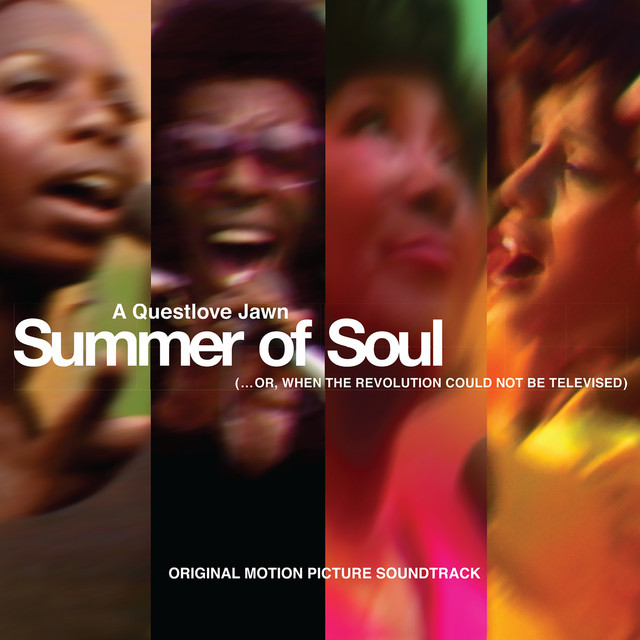
Summer Of Soul (...Or, When The Revolution Could Not Be Televised) Original Motion Picture Soundtrac
Mongo Santamaria
Rumba Cubana
2020
1
/5
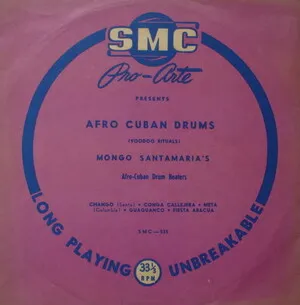
Afro Cuban Drums
Mongo Santamaría
Conga
Santería Music
Guaguancó
2020
1
/5
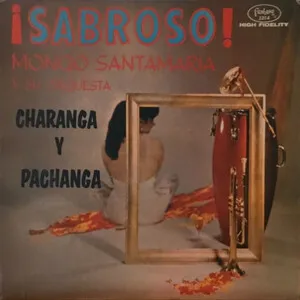
Sabroso
Mongo Santamaría
Pachanga
Descarga
2016
1
/5
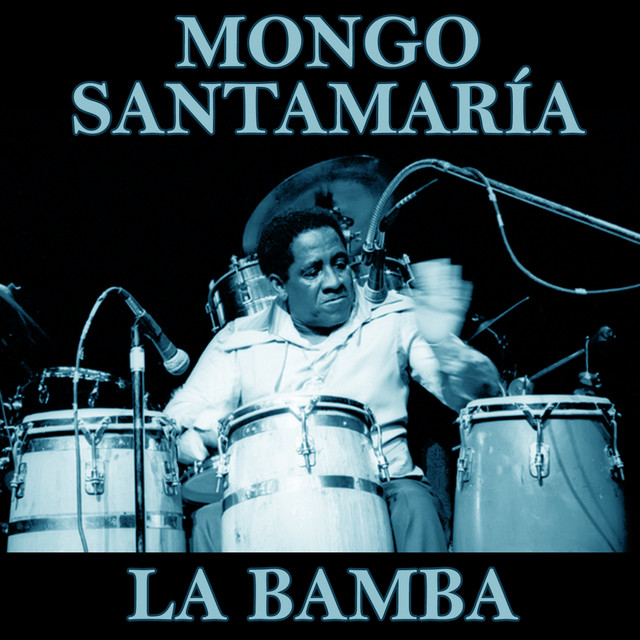
La Bamba
Mongo Santamaria
Rumba Cubana
Boogaloo
2015
1
/5
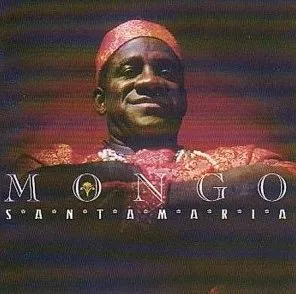
Mongo
Mongo Santamaría
Guaguancó
Rumba Cubana
2014
1
/5
Yambu
Mongo Santamaria y Sus Ritmos Afro-Cubano
Rumba Cubana
Descarga
2007
1
/5
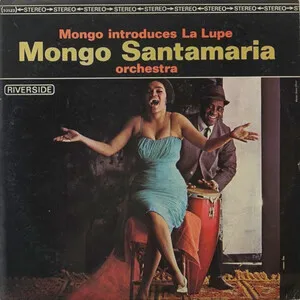
Mongo Introduces La Lupe
Mongo Santamaría / La Lupe
Mambo
Afro-Cuban Jazz
2000
1
/5
Afro American Latin
Mongo Santamaría
Boogaloo
Mambo
1993
2
/5
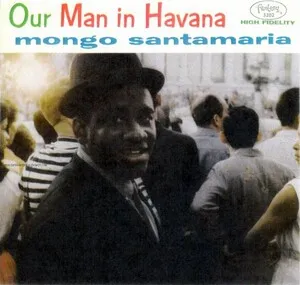
Our Man in Havana
Mongo Santamaría
Guaguancó
Rumba Cubana
1992
2
/5
Mongo Santamaria's Greatest Hits
Mongo Santamaria
Rumba Cubana
Boogaloo
1989
2
/5
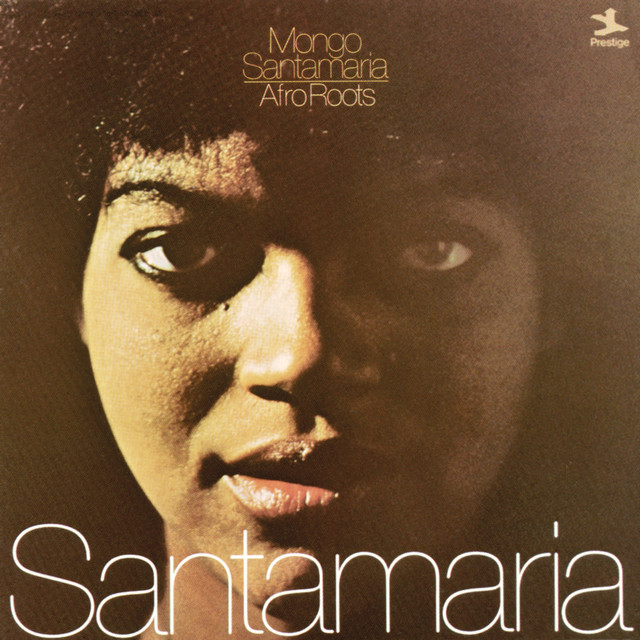
Afro Roots
Mongo Santamaria
Rumba Cubana
1987
2
/5
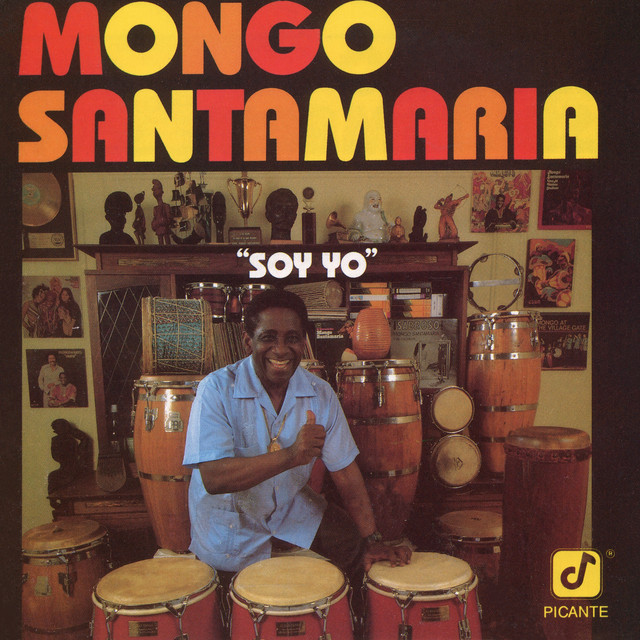
Soy Yo
Mongo Santamaria
Rumba Cubana
1976
1
/5
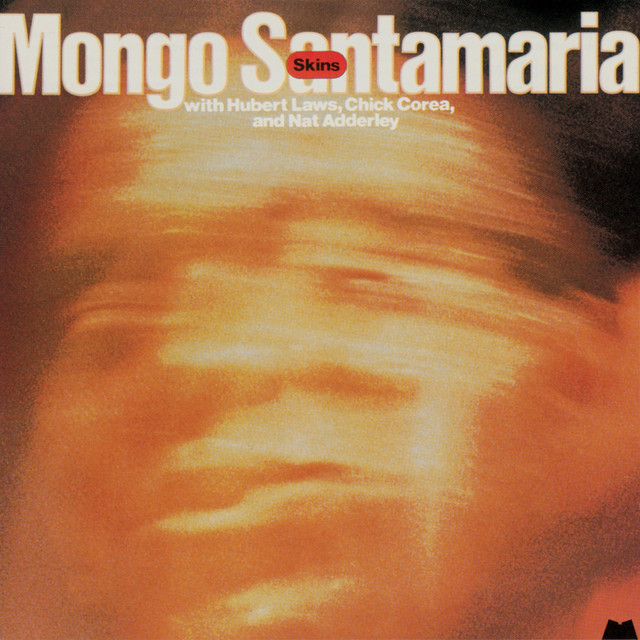
Skins
Mongo Santamaria
Rumba Cubana
Jazz
Latin
1976
3
/5
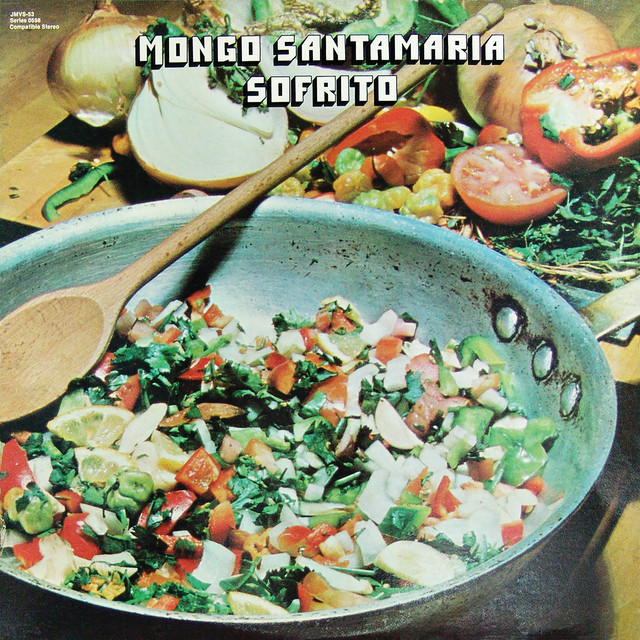
Sofrito
Mongo Santamaría
Rumba Cubana
Latin Jazz
Afro-Cuban Jazz
1975
2
/5
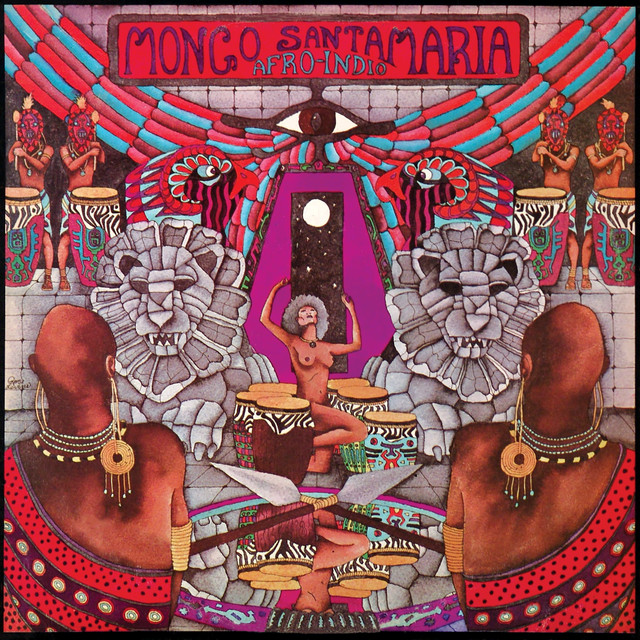
Afro-Indio
Mongo Santamaria
Rumba Cubana
1970
2
/5
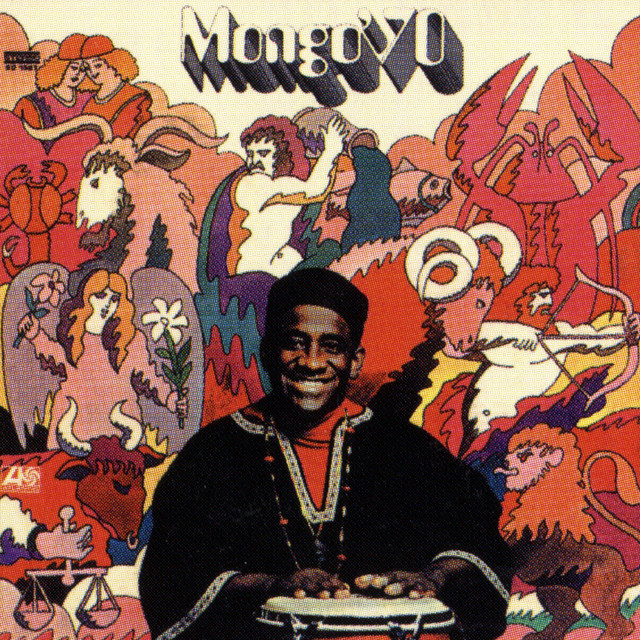
Mongo '70
Mongo Santamaria
Rumba Cubana
1969
1
/5
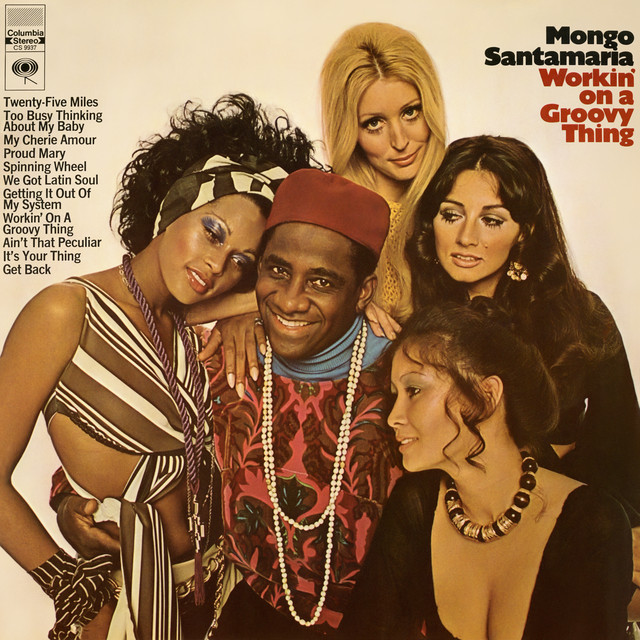
Workin' On a Groovy Thing
Mongo Santamaria
Rumba Cubana
1968
2
/5
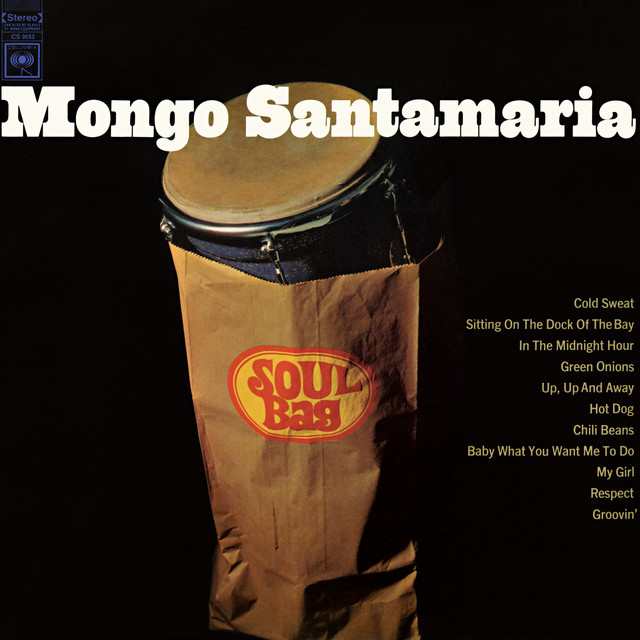
Soul Bag
Mongo Santamaría
Boogaloo
Rumba Cubana
1968
2
/5
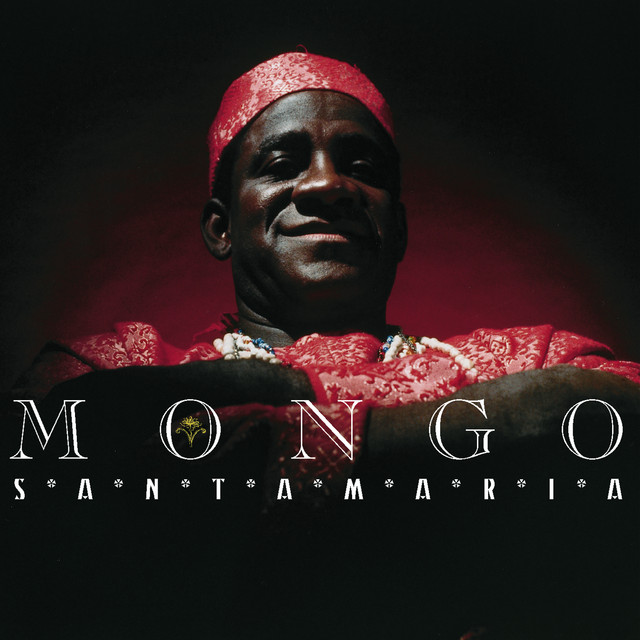
Santa Maria
Mongo Santamaria
Rumba Cubana
Jazz
Latin
1967
1
/5
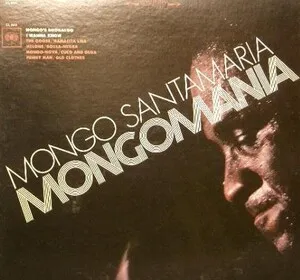
Mongomania
Mongo Santamaría
Boogaloo
1966
1
/5
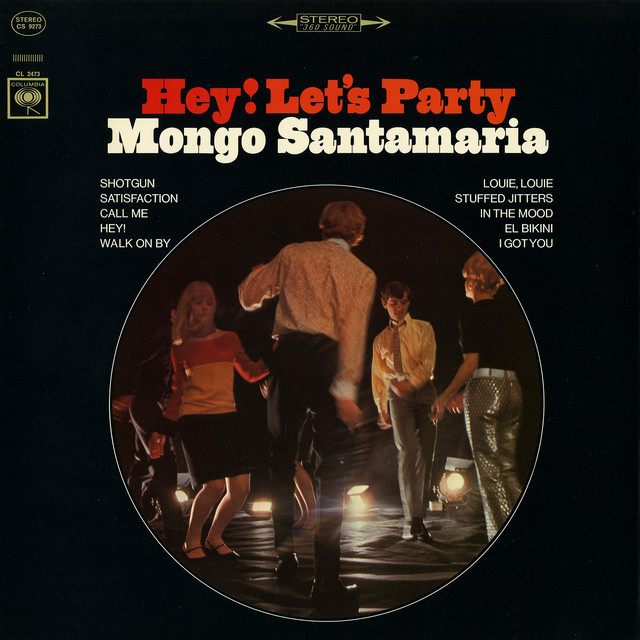
Hey! Let's Party
Mongo Santamaria
Rumba Cubana
1965
2
/5
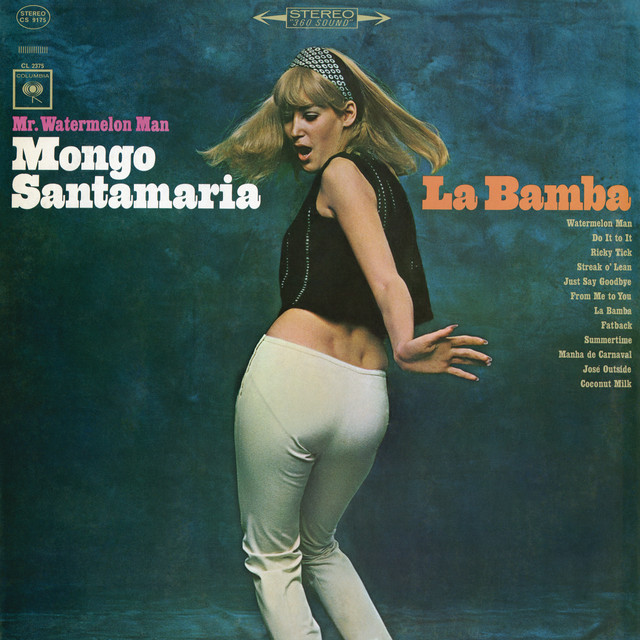
La Bamba
Mongo Santamaria
Boogaloo
Rumba Cubana
1963
2
/5
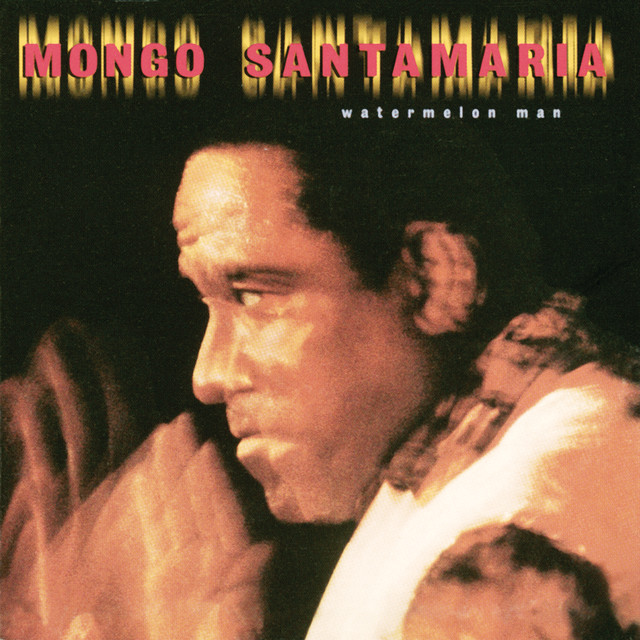
Watermelon Man
Mongo Santamaría
Boogaloo
Mambo
Rumba Cubana
1957
1
/5
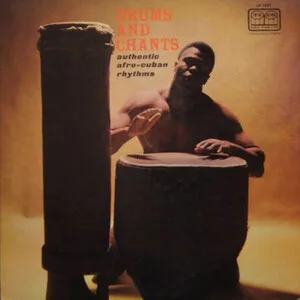
Drums and Chants
Mongo Santamaría
Santería Music
Yoruba Music
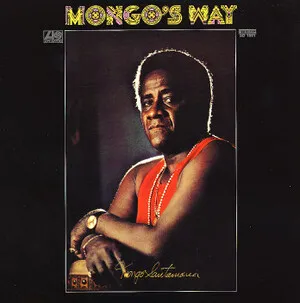
Mongo's Way
Mongo Santamaría
Boogaloo
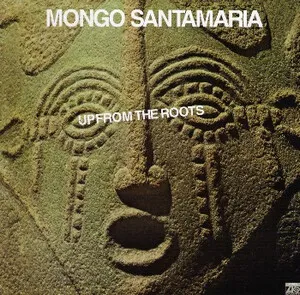
Up From the Roots
Mongo Santamaría
Rumba Cubana
Similar artists
3
/5
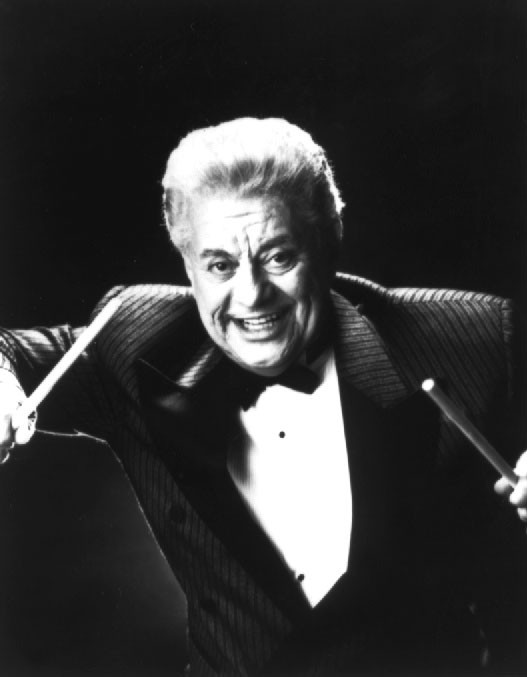
Tito Puente
Mambo
Chachachá
Latin
3
/5
Pérez Prado
Mambo
Space Age Pop
Latin Jazz
2
/5
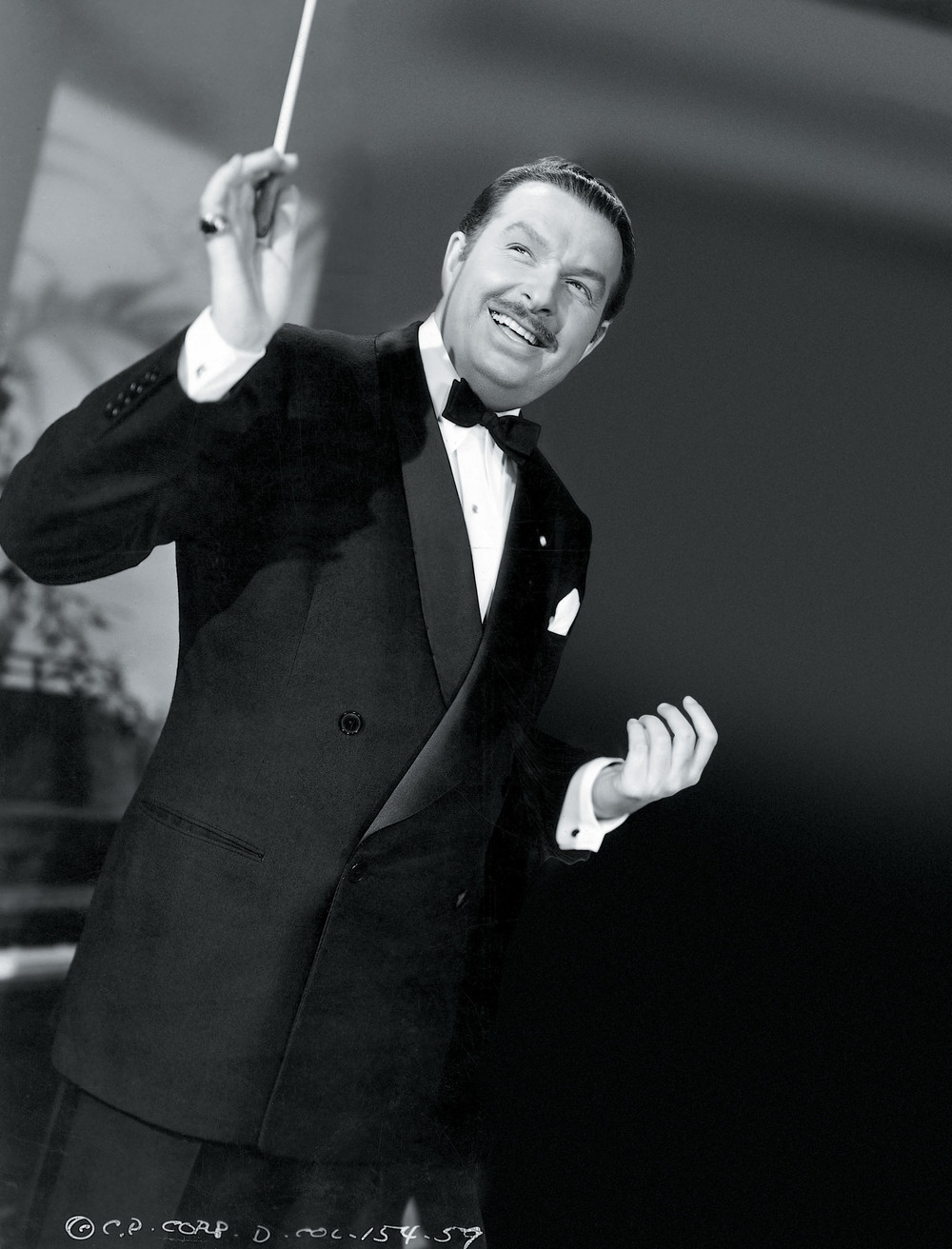
Xavier Cugat
Rumba Cubana
Rhumba
Rumba
3
/5
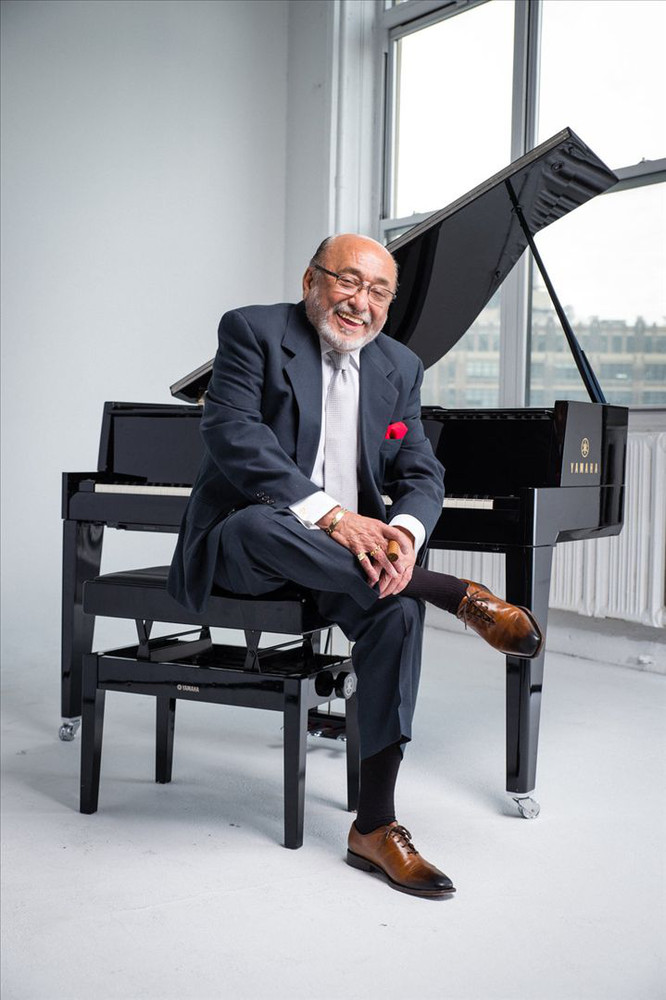
Eddie Palmieri
Salsa
Salsa Dura
Latin Jazz
2
/5
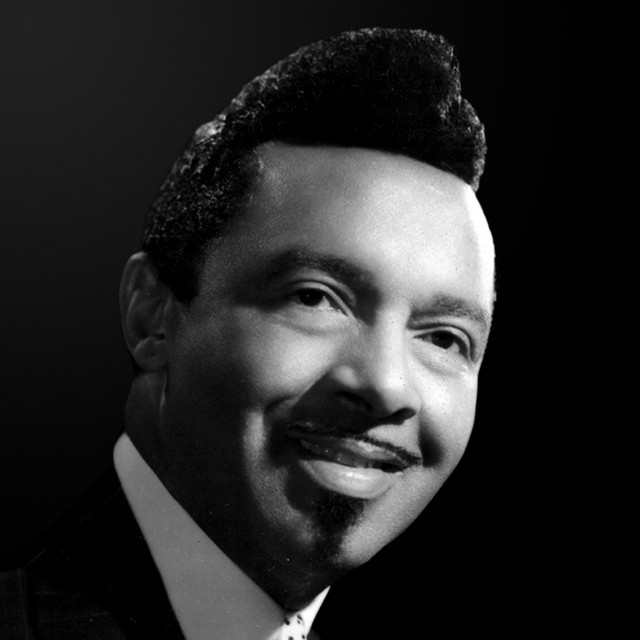
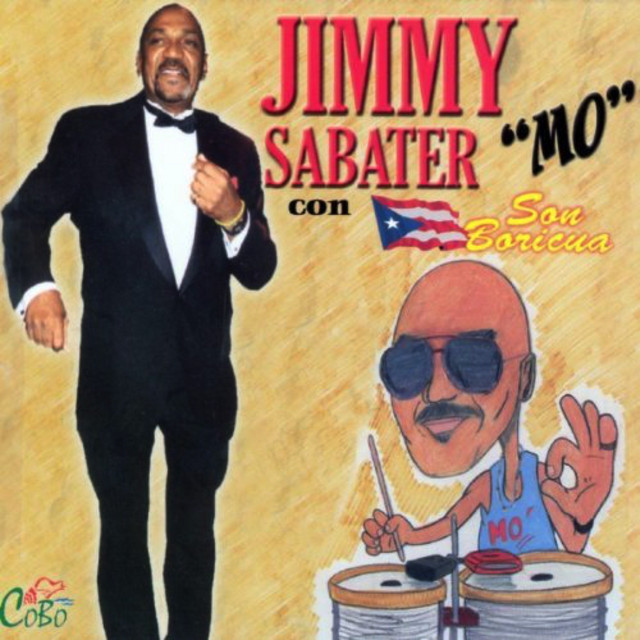
Jimmy Sabater
Boogaloo
Chachachá
Latin Jazz
3
/5
Ray Barretto
Salsa
Latin Jazz
Son Cubano
2
/5
Francisco Aguabella
Rumba Cubana
Latin Jazz
Mambo
3
/5
Joe Cuba Sextet
Boogaloo
Bolero
Chachachá
2
/5
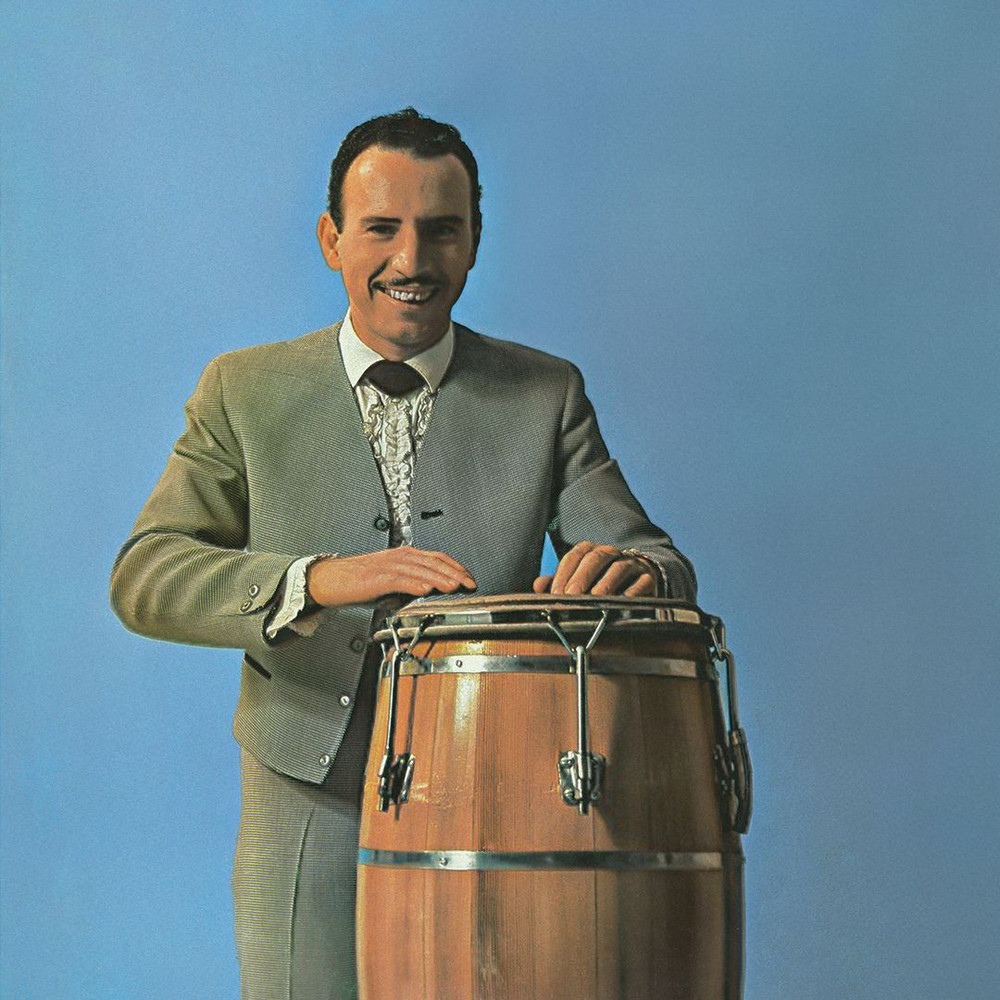
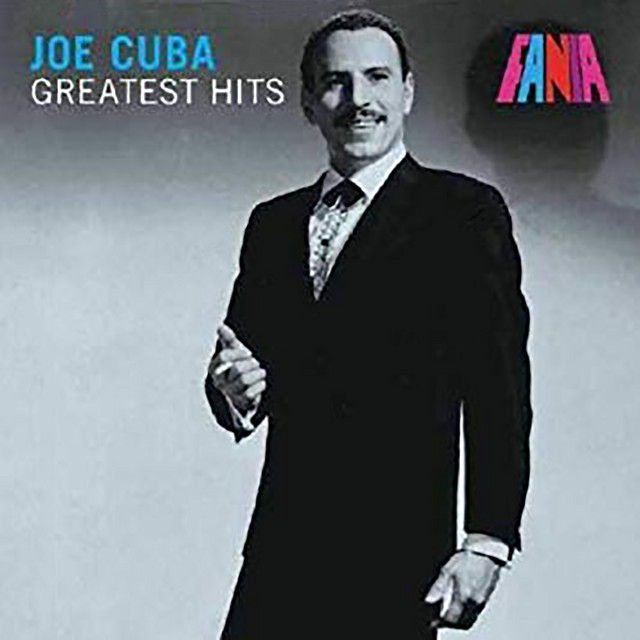
Joe Cuba
Boogaloo
Chachachá
Latin Jazz
2
/5
Ricardo Ray
Boogaloo
Bolero
Chachachá
Download our mobile app
Get the Melodigging app and start digging for new genres on the go
Download on the App Store
Get it on Google Play
© 2026 Melodigging
Give feedback
Legal
Melodding was created as a tribute to
Every Noise at Once
, which inspired us to help curious minds keep digging into music's ever-evolving genres.