Genres
Artists
Albums
Make Music
Sign in
Sign in
Artists
Mambo
Artists
Mambo
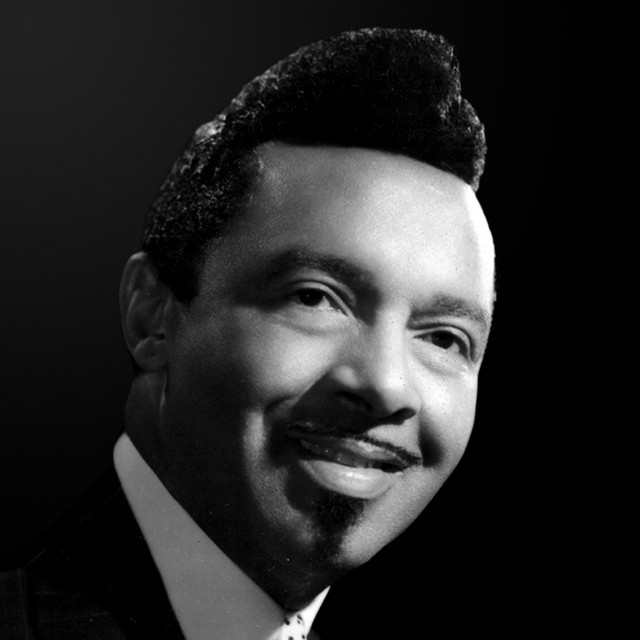
Pérez Prado
1950–2019
·
12 albums
Listen
3
/5
Genres
Rasteirinha
Rasteirinha (often called “funk rasteirinha”) is a mid‑tempo branch of Brazilian funk that slows the classic baile funk groove to a warmer, more sensual pace. It blends the dembow swing of dancehall and reggaeton with samba and pagode percussion (pandeiro, cuíca, surdo, agogô, tamborim, and shakers), typically sitting around 90–105 BPM. Vocals tend to be chant‑like, playful, and street‑wise, with hooks built from call‑and‑response phrases and chopped vocal shots. Harmony is minimal—often one to three chords—so that the syncopated drums and round sub‑bass can drive the dancefloor. The overall feel is percussive, tropical, and intimate—made for block parties and clubs where groove and swing matter more than dense arrangements.
Discover
Listen
Boogaloo
Boogaloo (also called bugalú or Latin boogaloo) is a mid‑1960s New York dance music that fuses Afro‑Cuban and Puerto Rican rhythms with African‑American R&B and soul. It features son/cha‑cha‑chá percussion under a strong backbeat, bluesy horn riffs, call‑and‑response coros, and catchy, often bilingual (English/Spanish) hooks. Compared with earlier mambo and pachanga, boogaloo is leaner, more groove‑driven, and aimed squarely at youth dance floors—think handclaps, cowbell, piano montunos, and punchy brass vamps supporting simple, memorable choruses.
Discover
Listen
Space Age Pop
Space age pop is a mid‑century style of highly produced “hi‑fi” lounge and easy listening that embraced postwar futurism, stereo spectacle, and exotic color. It blends plush orchestras, jazz harmonies, and Latin/"exotica" percussion with novel timbres such as vibraphone, celeste, theremin, ondes Martenot, and early electronic/echo effects. Arrangers focused on dazzling stereo staging, crisp percussion, and sparkling instrumental details meant to show off new home sound systems. Melodies are tuneful and sophisticated, harmonies are rich (9ths, 11ths, 13ths), and rhythms often draw from mambo, cha‑cha‑cha, and bossa‑tinged grooves. The mood ranges from dreamy and romantic to playful and futuristic—an aural image of the “Jet Age,” tiki bars, and optimistic science fiction.
Discover
Listen
Chachachá
Chachachá is a Cuban dance‑music genre that emerged in early‑1950s Havana as a dancer‑friendly offshoot of danzón‑mambo. It is typically performed by charanga ensembles—flute and violins over piano, bass, güiro, and timbales—producing a light, elegant sonority distinct from the brass‑heavy mambo big bands. The groove is mid‑tempo with a clear, even pulse that supports the signature “cha‑cha‑chá” triple step heard in the dancers’ feet. Melodies are tuneful and diatonic, harmonies favor simple I–IV–V movements with occasional II–V turnarounds, and arrangements move from a lyrical cuerpo to a montuno section featuring coro‑pregón call‑and‑response, piano tumbao, and tasteful flute improvisations. The name “chachachá” is often traced to the shuffling sound of the dancers’ steps; composer‑violinist Enrique Jorrín simplified mambo syncopations to make the beat more square and intelligible, which helped the style spread worldwide through social and ballroom dance.
Discover
Listen
Exotica
Exotica is a mid‑century style of mood music that blends jazz harmony, easy‑listening orchestration, and a collage of global percussion and timbral signifiers meant to evoke imaginary tropical, Polynesian, Asian, African, and Latin locales. Characterized by vibraphone and marimba leads, lush strings, woodwinds, wordless vocals, bird calls, gongs, and abundant reverberation, it creates a cinematic “armchair travel” experience. Rather than documenting specific traditions, exotica assembles stylized sound cues—Afro‑Cuban grooves, Polynesian drum patterns, pentatonic and whole‑tone colors—into atmospheric mini‑dramas. The genre flourished alongside postwar tiki culture and hi‑fi/stereo demonstrations, prioritizing vivid spatial staging and evocative orchestration over virtuoso soloing.
Discover
Listen
Latin Jazz
Latin jazz is a fusion of jazz harmony and improvisation with Afro–Latin American rhythms, song forms, and percussion. It combines the swing, bebop, and big-band traditions with clave-based grooves such as son, rumba, danzón, and mambo, and later integrates Brazilian feels like samba and bossa nova. Typical features include the use of the clave (2–3 or 3–2), piano montunos (guajeos), bass tumbao patterns, timbales cáscara, conga marcha, and call-and-response horn "mambo" figures. While the rhythm section locks into cyclical patterns, soloists improvise using the vocabulary of jazz, creating music that is both danceable and harmonically rich.
Discover
Listen
Latin
Latin (as a genre label) is a broad umbrella used by the recording industry to categorize popular music rooted in Latin America, the Caribbean, and the Iberian world, often characterized by syncopated Afro-diasporic rhythms, dance-forward grooves, and lyrics primarily in Spanish or Portuguese. As a marketplace category that took shape in the mid-20th century United States, it gathers diverse traditions—Afro-Cuban, Brazilian, Mexican, and Caribbean styles—into a shared space. In practice, "Latin" spans everything from big-band mambo and bolero ballads to contemporary pop, rock, hip hop, and dance fusions produced by artists of Latin American heritage.
Discover
Listen
Afro-Cuban Jazz
Afro-Cuban jazz (often historically called Cubop) is a fusion of Afro-Cuban rhythmic traditions and North American jazz harmony, melody, and improvisation. It sets jazz writing and soloing inside the matrix of the clave, combining straight-eighth Afro-Cuban grooves (mambo, rumba, son montuno, danzón) with big-band and bebop vocabulary. Hallmarks include piano montunos (guajeos), tumbao bass lines, horn mambos and moñas (syncopated riffs), and a percussion section of congas, bongos, timbales, cowbell, and claves. The result is music that is harmonically sophisticated yet dance-driven, balancing arranged horn passages with open sections for improvisation, and emphasizing call-and-response and layered polyrhythms.
Discover
Listen
Mambo
Mambo is a Cuban dance music style that crystallized in the late 1930s from danzón and son montuno, then exploded internationally in the 1940s and 1950s. It is characterized by layered syncopations under the Afro‑Cuban clave, driving bass tumbaos, piano montunos, and powerful antiphonal horn riffs known as moñas or "mambo" sections. In its classic big‑band form, mambo blends Cuban rhythmic vocabulary with jazz and swing arranging, featuring trumpets, trombones, and saxophones over a rhythm section of congas, bongos, timbales, cowbell, bass, and piano. The result is high‑energy, riff‑driven music built for social dancing and floor‑filling excitement.
Discover
Listen
Son Cubano
Son cubano is a foundational Cuban genre that fuses Spanish-derived song forms and harmony with Afro-Cuban rhythms and percussion. Born in eastern Cuba (Oriente) and crystallized in Havana in the 1910s–1920s, it became the backbone of much of 20th‑century Latin popular music. Typical ensembles began as sextetos (tres, guitar, bongó, maracas, claves, and bass or marímbula) and later evolved into septetos with trumpet. Conjunto formats in the 1940s added piano, congas, and multiple horns. The music rides a son clave (in 3‑2 or 2‑3 orientation), features interlocking tres guajeos, a walking/tumbao bass that anticipates the downbeat, and call‑and‑response vocals in the montuno section. Harmonically it is rooted in I–IV–V with bluesy dominant sevenths and occasional secondary dominants. Lyrically it balances romance, everyday life, and streetwise wit, always aimed at dancing and social gathering.
Discover
Listen
Merengue
Merengue is a fast, dance-centered popular music from the Dominican Republic characterized by a driving 2/4 meter, bright major-key harmonies, and a propulsive rhythmic engine created by güira and tambora. In its rural "típico" form, the lead instrument is a diatonic accordion, supported by tambora, güira, and bass. Urban and orchestral evolutions expanded the instrumentation to include saxophones, trumpets, trombones, piano, congas, and electric bass, yielding a powerful big-band sound. Common song forms use verse–chorus structures with catchy coros and a climactic jaleo section where horns or accordion play tightly arranged riffs. The style spans energetic party anthems, romantic ballad-leaning numbers (merengue romántico), and modern fusions that blend with pop and urban music.
Discover
Listen
Cuban Music
Cuban music is the rich, syncretic musical tradition of Cuba, shaped by the meeting of Spanish/European song forms and West/Central African rhythms. Its heartbeat is the clave—a two-measure rhythmic cell (3–2 or 2–3) that organizes percussion, melody, and harmony across styles. From the contradanza and habanera of the 19th century to danzón, rumba, and son cubano in the early 20th century—and later mambo, cha-cha-chá, nueva trova, songo, and timba—Cuban music has continually reinvented itself while retaining its core Afro‑Cuban rhythmic language. Typical instruments include the tres (Cuban guitar), bongó, congas, timbales, güiro, maracas, cowbell, bass, piano (playing guajeos/montunos), and bright horn sections. Beyond the island, Cuban music has profoundly influenced global popular music—fueling the rise of salsa and Latin jazz and reshaping dance music worldwide—while continuing to honor deep connections to Yoruba/Lukumí religious drumming and Spanish lyrical traditions.
Discover
Listen
Show all 12 genres
Albums
2019
1
/5
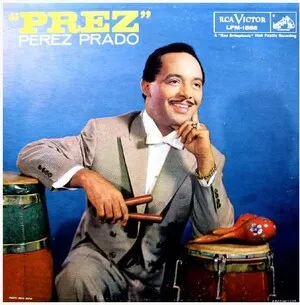
Prez
Pérez Prado
Mambo
Afro-Cuban Jazz
2019
1
/5
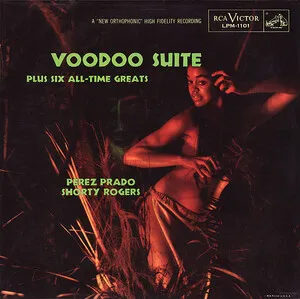
Voodoo Suite (Plus Six All-Time Greats)
Pérez Prado & Shorty Rogers
Mambo
Afro-Cuban Jazz
Cuban Music
2019
1
/5
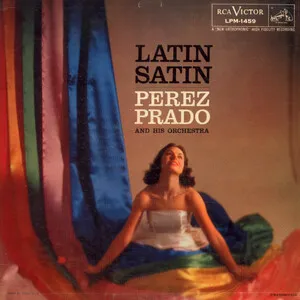
Latin Satin
Pérez Prado
Mambo
2019
1
/5
Havana, 3 a.m.
Pérez Prado
Mambo
2016
2
/5
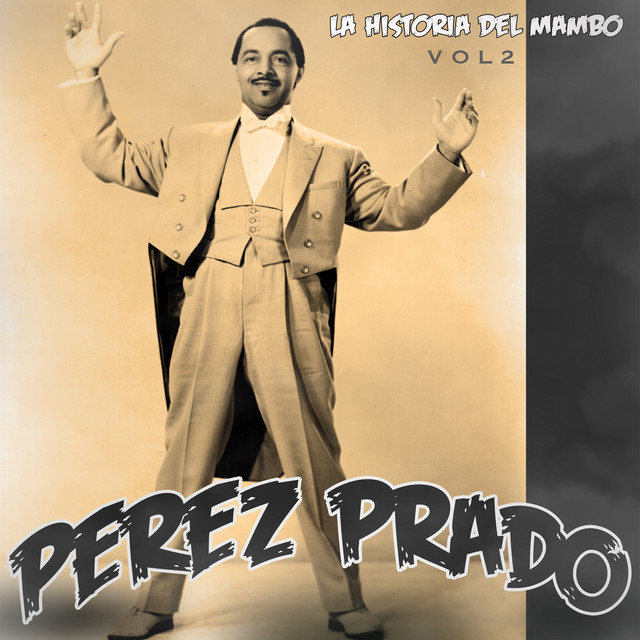
La Historia del Mambo, Vol. 2
Pérez Prado
Space Age Pop
Latin Jazz
2015
1
/5
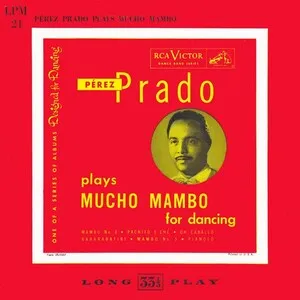
Pérez Prado Plays Mucho Mambo for Dancing
Pérez Prado
Mambo
Cuban Music
2004
1
/5
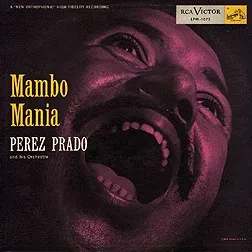
Mambo Mania
Pérez Prado and His Orchestra
Mambo
Latin
1999
2
/5
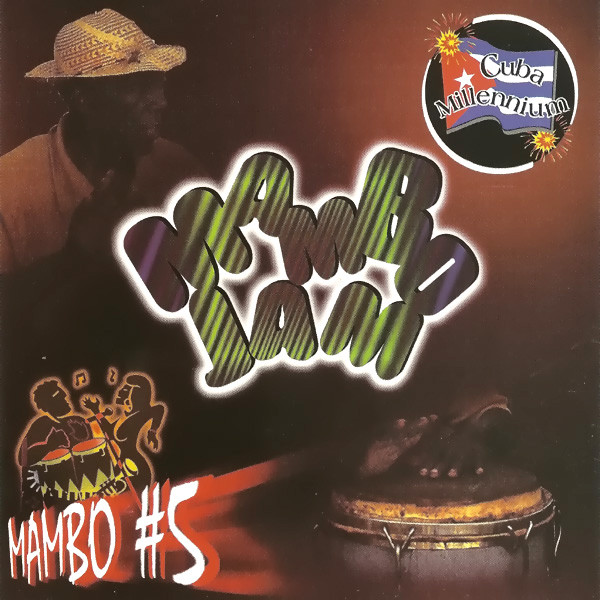
Mambo Jam
Pérez Prado
Space Age Pop
1967
1
/5
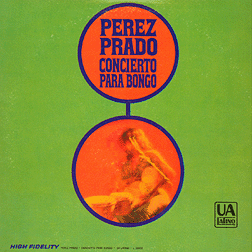
Concierto para bongo
Pérez Prado
Boogaloo
Mambo
1952
3
/5
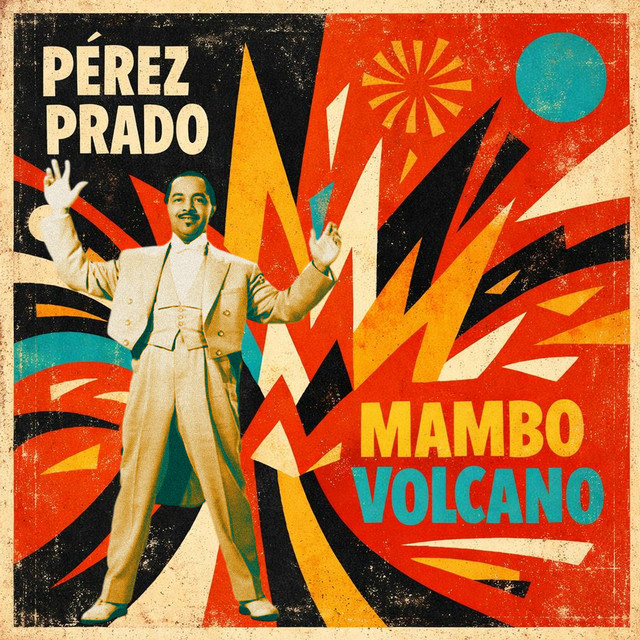
Mambo Volcano
Pérez Prado
Space Age Pop
1950
2
/5
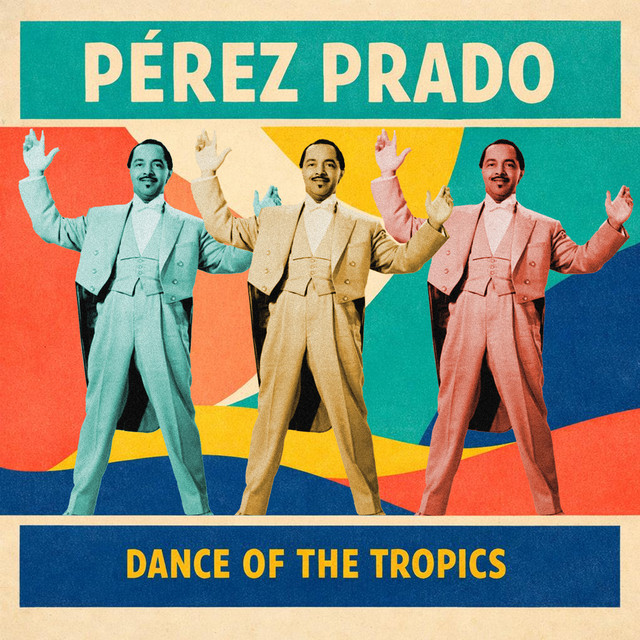
Dance of the Tropics
Pérez Prado
Space Age Pop
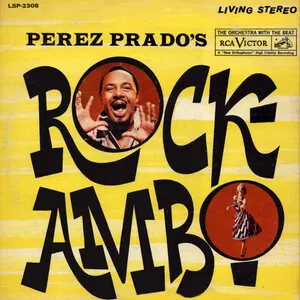
Rockambo
Pérez Prado
Merengue
Similar artists
3
/5
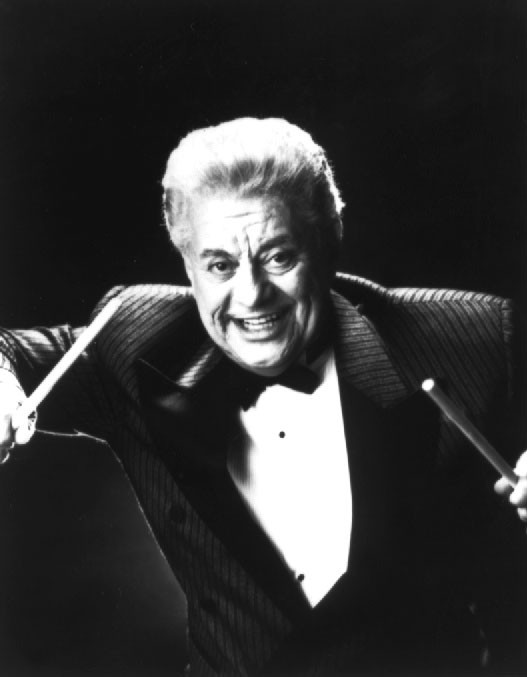
Tito Puente
Mambo
Chachachá
Latin
3
/5
Mongo Santamaria
Rumba Cubana
Boogaloo
Mambo
3
/5
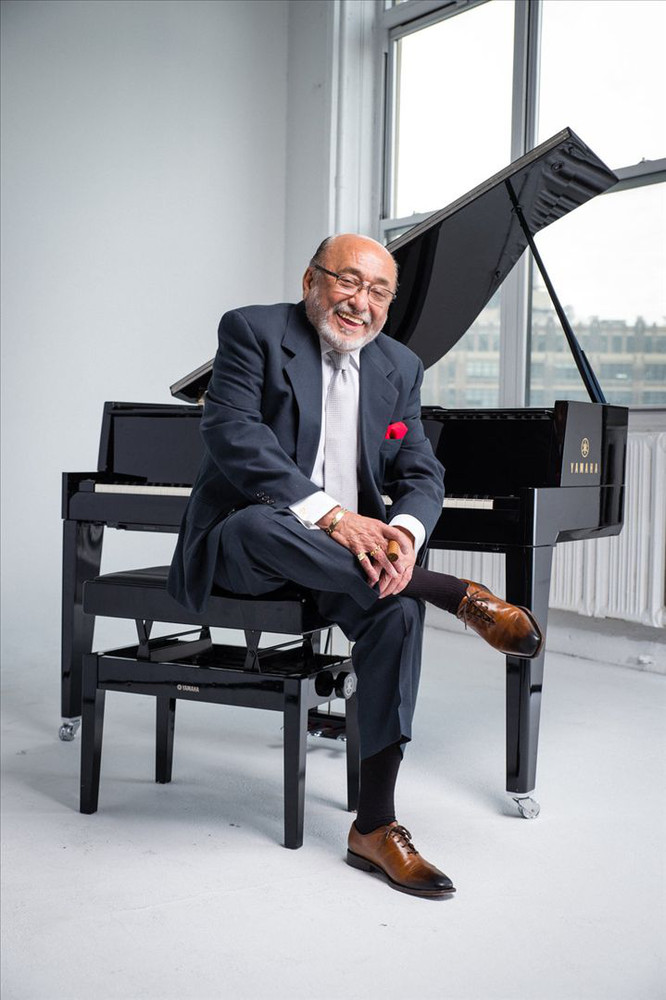
Eddie Palmieri
Salsa
Salsa Dura
Latin Jazz
2
/5
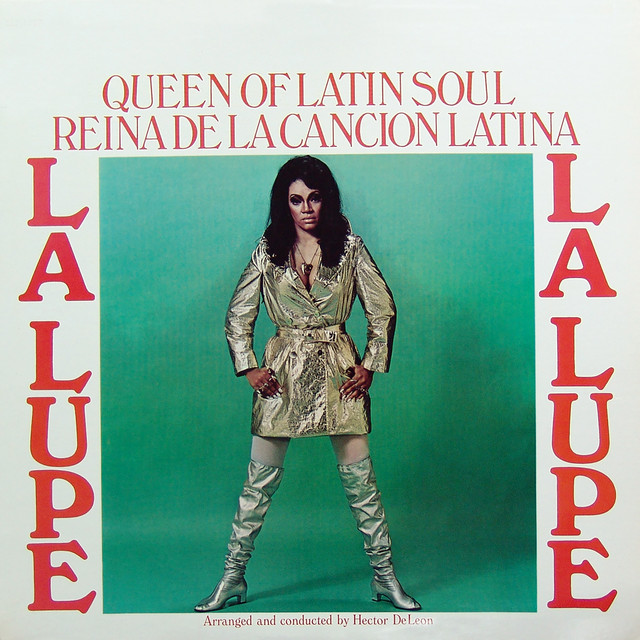
La Lupe
Bolero
Mambo
Latin Soul
3
/5
Cal Tjader
Exotica
Jazz
Mambo
2
/5
Orquesta Akokán
Mambo
Latin
Latin Jazz
4
/5
Buena Vista Social Club
Son Cubano
Bolero
Latin
3
/5
Ray Barretto
Salsa
Latin Jazz
Son Cubano
3
/5
Ibrahim Ferrer
Bolero
Latin Jazz
Son Cubano
3
/5
Afro-Cuban All Stars
Son Cubano
Latin Jazz
Afro-Cuban Jazz
Download our mobile app
Get the Melodigging app and start digging for new genres on the go
Download on the App Store
Get it on Google Play
© 2026 Melodigging
Give feedback
Legal
Melodding was created as a tribute to
Every Noise at Once
, which inspired us to help curious minds keep digging into music's ever-evolving genres.