Genres
Artists
Albums
Make Music
Sign in
Sign in
Artists
Mambo
Artists
Mambo
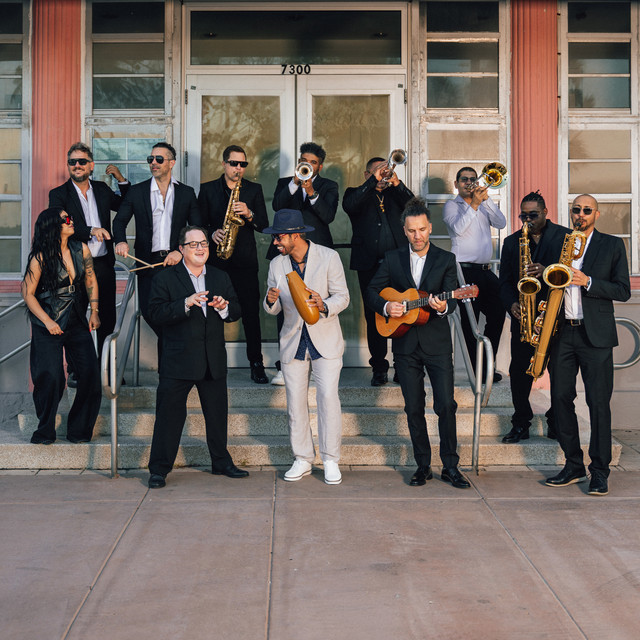
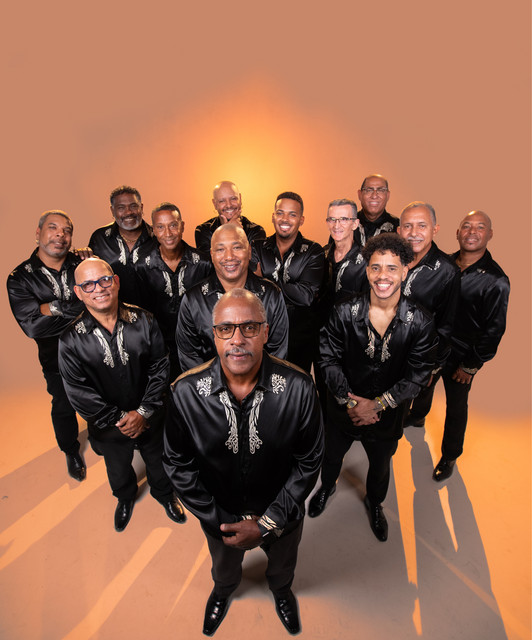
Orquesta Akokán
2018–2024
·
3 albums
Listen
2
/5
Genres
Latin
Latin (as a genre label) is a broad umbrella used by the recording industry to categorize popular music rooted in Latin America, the Caribbean, and the Iberian world, often characterized by syncopated Afro-diasporic rhythms, dance-forward grooves, and lyrics primarily in Spanish or Portuguese. As a marketplace category that took shape in the mid-20th century United States, it gathers diverse traditions—Afro-Cuban, Brazilian, Mexican, and Caribbean styles—into a shared space. In practice, "Latin" spans everything from big-band mambo and bolero ballads to contemporary pop, rock, hip hop, and dance fusions produced by artists of Latin American heritage.
Discover
Listen
Latin Jazz
Latin jazz is a fusion of jazz harmony and improvisation with Afro–Latin American rhythms, song forms, and percussion. It combines the swing, bebop, and big-band traditions with clave-based grooves such as son, rumba, danzón, and mambo, and later integrates Brazilian feels like samba and bossa nova. Typical features include the use of the clave (2–3 or 3–2), piano montunos (guajeos), bass tumbao patterns, timbales cáscara, conga marcha, and call-and-response horn "mambo" figures. While the rhythm section locks into cyclical patterns, soloists improvise using the vocabulary of jazz, creating music that is both danceable and harmonically rich.
Discover
Listen
Mambo
Mambo is a Cuban dance music style that crystallized in the late 1930s from danzón and son montuno, then exploded internationally in the 1940s and 1950s. It is characterized by layered syncopations under the Afro‑Cuban clave, driving bass tumbaos, piano montunos, and powerful antiphonal horn riffs known as moñas or "mambo" sections. In its classic big‑band form, mambo blends Cuban rhythmic vocabulary with jazz and swing arranging, featuring trumpets, trombones, and saxophones over a rhythm section of congas, bongos, timbales, cowbell, bass, and piano. The result is high‑energy, riff‑driven music built for social dancing and floor‑filling excitement.
Discover
Listen
Son Cubano
Son cubano is a foundational Cuban genre that fuses Spanish-derived song forms and harmony with Afro-Cuban rhythms and percussion. Born in eastern Cuba (Oriente) and crystallized in Havana in the 1910s–1920s, it became the backbone of much of 20th‑century Latin popular music. Typical ensembles began as sextetos (tres, guitar, bongó, maracas, claves, and bass or marímbula) and later evolved into septetos with trumpet. Conjunto formats in the 1940s added piano, congas, and multiple horns. The music rides a son clave (in 3‑2 or 2‑3 orientation), features interlocking tres guajeos, a walking/tumbao bass that anticipates the downbeat, and call‑and‑response vocals in the montuno section. Harmonically it is rooted in I–IV–V with bluesy dominant sevenths and occasional secondary dominants. Lyrically it balances romance, everyday life, and streetwise wit, always aimed at dancing and social gathering.
Discover
Listen
Rumba
Rumba is an Afro‑Cuban, percussion‑driven song‑and‑dance genre that arose in the port neighborhoods and solares of Havana and Matanzas. It features complex interlocking rhythms played on congas (tumbadora, segundo, quinto), claves, and palitos, with the quinto drum improvising over cyclical patterns. The music is built around the rumba clave (in 3‑2 or 2‑3 orientation), call‑and‑response vocals, and a lead singer who declaims verses followed by catchy coros. Three principal styles exist: yambú (slow, playful), guaguancó (medium, flirtatious, with the iconic "vacunao" gesture in the dance), and columbia (fast, virtuosic, traditionally for solo male dancers). Historically performed with cajones (wooden boxes) when drums were restricted, rumba is a secular, community practice whose poetry, dance, and rhythm encode Afro‑Cuban history and identity. It is distinct from ballroom "rhumba" and from Congolese rumba, both of which were influenced by Cuban music rather than being the same style.
Discover
Listen
Cuban Music
Cuban music is the rich, syncretic musical tradition of Cuba, shaped by the meeting of Spanish/European song forms and West/Central African rhythms. Its heartbeat is the clave—a two-measure rhythmic cell (3–2 or 2–3) that organizes percussion, melody, and harmony across styles. From the contradanza and habanera of the 19th century to danzón, rumba, and son cubano in the early 20th century—and later mambo, cha-cha-chá, nueva trova, songo, and timba—Cuban music has continually reinvented itself while retaining its core Afro‑Cuban rhythmic language. Typical instruments include the tres (Cuban guitar), bongó, congas, timbales, güiro, maracas, cowbell, bass, piano (playing guajeos/montunos), and bright horn sections. Beyond the island, Cuban music has profoundly influenced global popular music—fueling the rise of salsa and Latin jazz and reshaping dance music worldwide—while continuing to honor deep connections to Yoruba/Lukumí religious drumming and Spanish lyrical traditions.
Discover
Listen
Albums
2024
1
/5
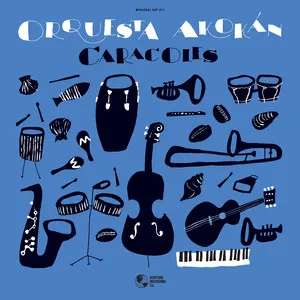
Caracoles
Orquesta Akokán
Mambo
Latin
2021
1
/5
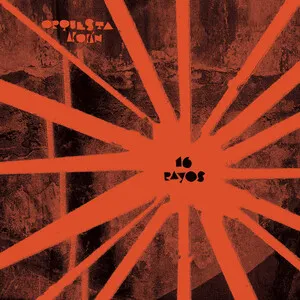
16 Rayos
Orquesta Akokán
Mambo
2018
1
/5
Orquesta Akokán
Orquesta Akokán
Mambo
Cuban Music
Latin
Similar artists
3
/5
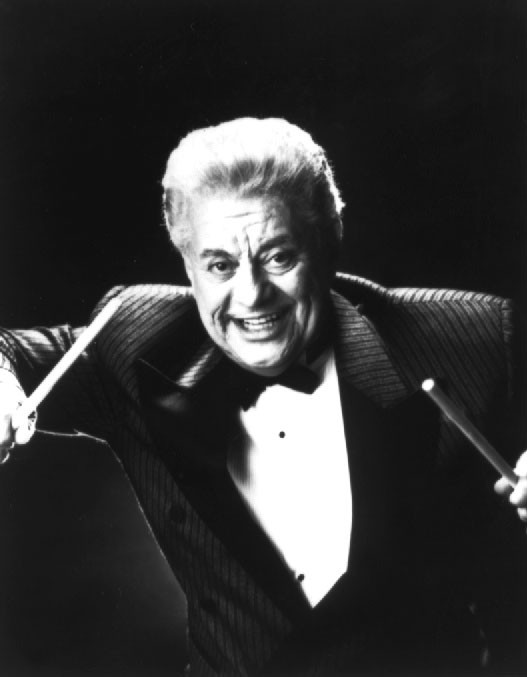
Tito Puente
Mambo
Chachachá
Latin
3
/5
Mongo Santamaria
Rumba Cubana
Boogaloo
Mambo
3
/5
Pérez Prado
Mambo
Space Age Pop
Latin Jazz
2
/5
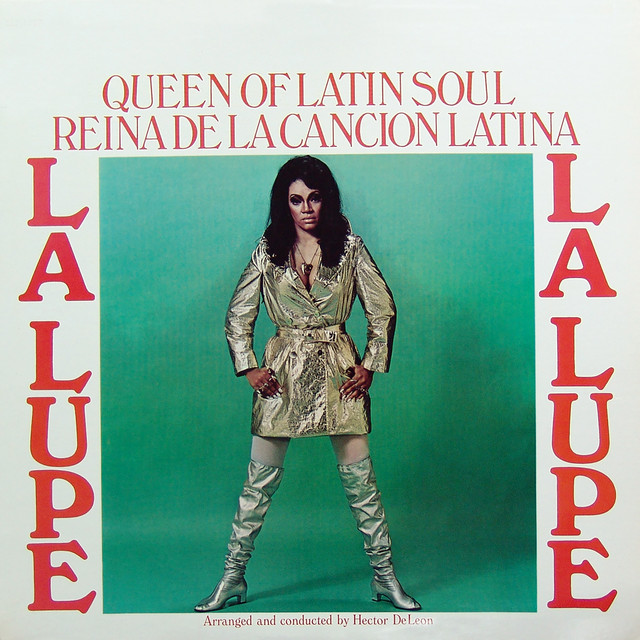
La Lupe
Bolero
Mambo
Latin Soul
2
/5
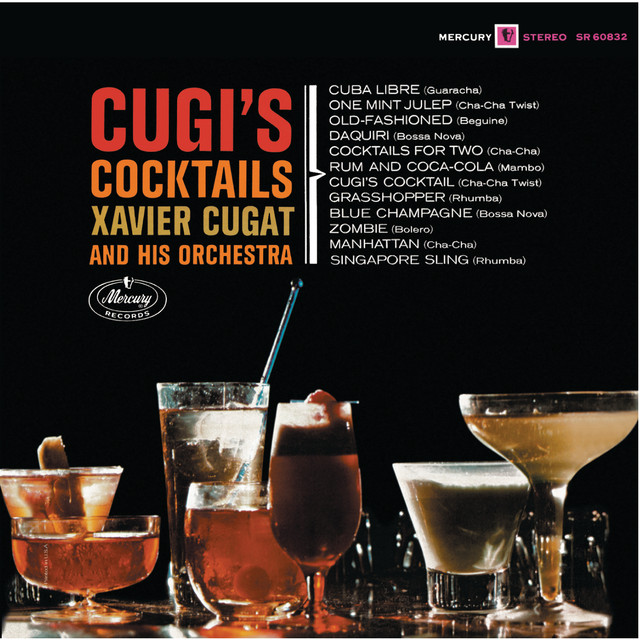
Xavier Cugat & His Orchestra
Mambo
Rhumba
Rumba
3
/5
Ray Barretto
Salsa
Latin Jazz
Son Cubano
1
/5
Various Artists
Afro-Funk
Alternative Rock
Ambient
3
/5
Afro-Cuban All Stars
Son Cubano
Latin Jazz
Afro-Cuban Jazz
3
/5
Eddie Palmieri
Salsa
Salsa Dura
Latin Jazz
3
/5
Orquesta Aragón
Chachachá
Charanga
Danzón
Download our mobile app
Get the Melodigging app and start digging for new genres on the go
Download on the App Store
Get it on Google Play
© 2026 Melodigging
Give feedback
Legal
Melodding was created as a tribute to
Every Noise at Once
, which inspired us to help curious minds keep digging into music's ever-evolving genres.